Normal Reading Worksheets for Ages 4-7 - Page 12
266 filtered results
-
From - To
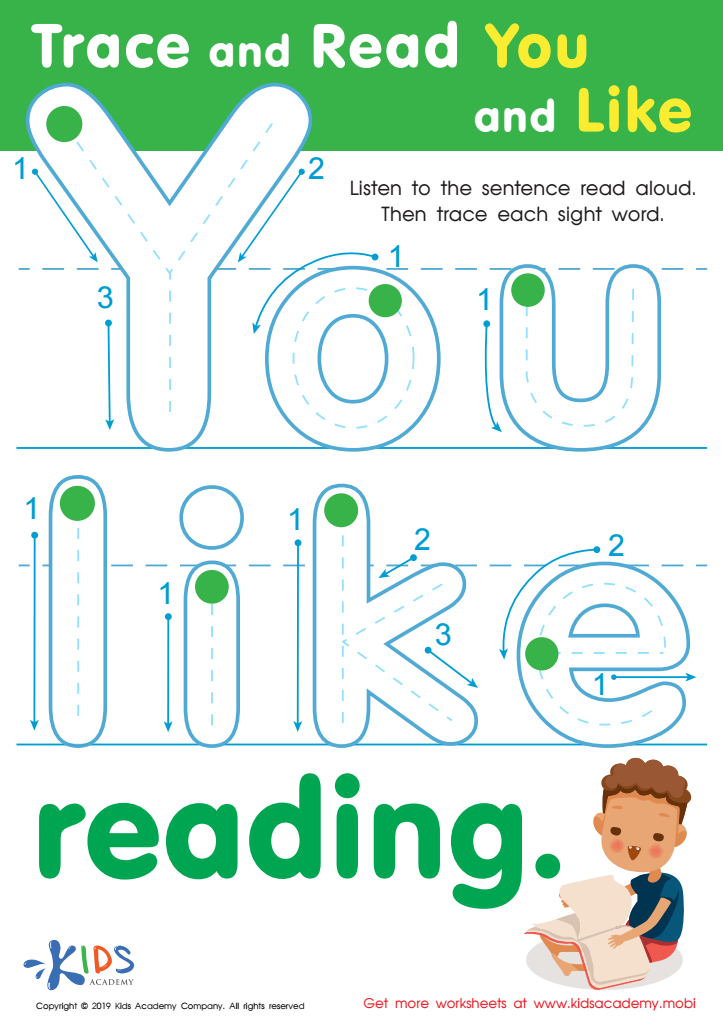
Trace Read You Like Worksheet
 Assign to My Students
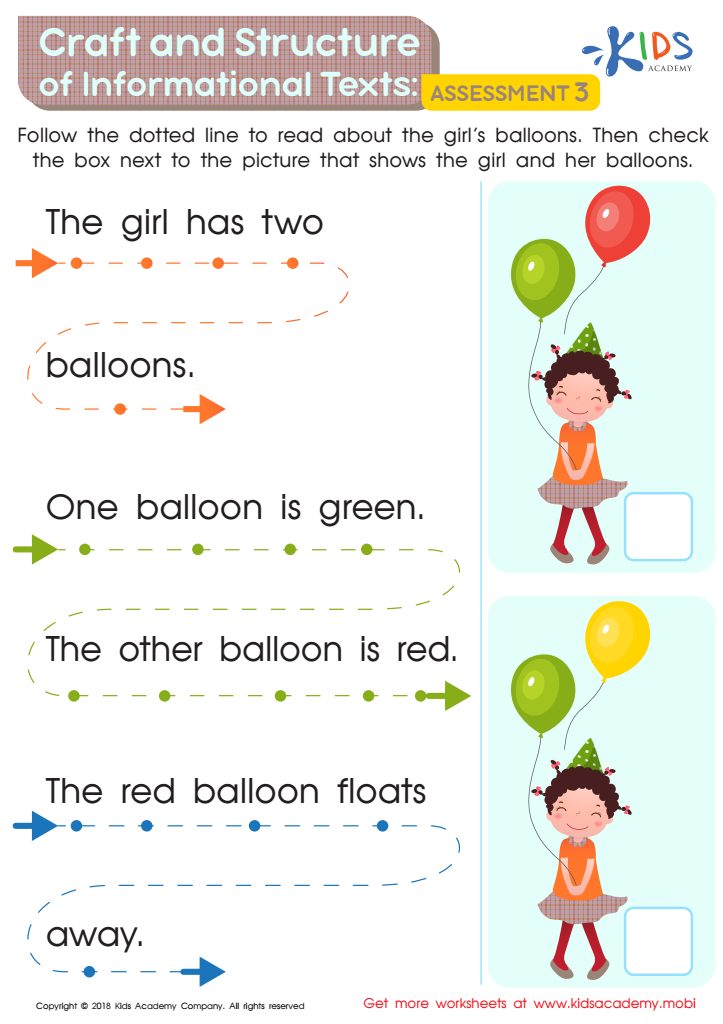
Craft and Structure of Informational Texts: Assessment 3 Worksheet








Normal reading development for ages 4-7 is crucial for children’s academic success and overall well-being. This age group represents a significant period when foundational literacy skills are formed. Reading proficiency at an early age lays the groundwork for future learning experiences, affecting a child’s ability to grasp new concepts, communicate, and think critically.
Parents and teachers should care about normal reading milestones because children who read regularly are more likely to develop strong language skills, including vocabulary, comprehension, and pronunciation. Engaging with books also fosters imagination and creativity, encouraging children to think outside the box.
Additionally, early readers often exhibit more confidence in social settings. They are better equipped to express themselves and engage in discussions with peers, promoting social skills and emotional intelligence. Struggling with reading can lead to feelings of frustration and a negative self-image, creating barriers to learning.
By monitoring and nurturing normal reading development, parents and teachers can identify potential learning setbacks early on, ensuring timely support and interventions. Reading together creates a bond and can ignite a lifelong passion for literature, reinforcing the importance of literacy in a child's academic journey and everyday life.








