Normal Rhyming Words Worksheets for Ages 4-7
15 filtered results
-
From - To
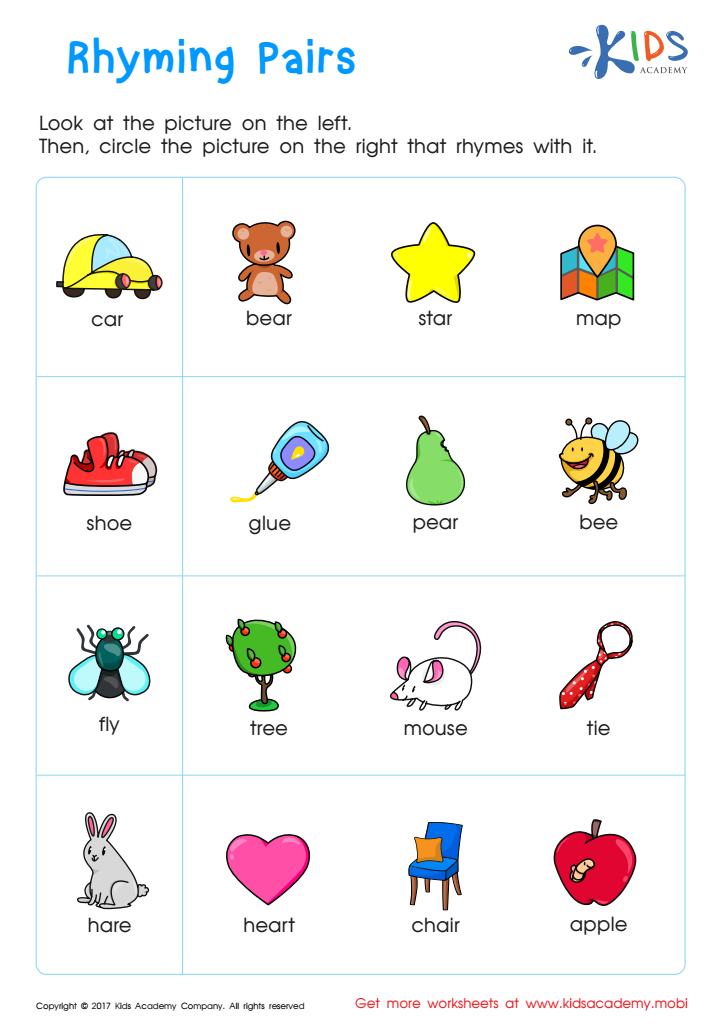
Discover our engaging Normal Rhyming Words Worksheets designed specifically for children aged 4-7! These interactive activities help young learners develop crucial phonemic awareness, improve vocabulary, and enhance reading skills through the fun of rhyming. Each worksheet features colorful illustrations and age-appropriate content, ensuring kids stay entertained while learning. From matching rhyming pairs to completing sentences with the correct words, our printable resources provide an enjoyable approach to literacy. Perfect for homeschooling, classroom enrichment, or supplementary practice, these worksheets encourage creativity and boost confidence in early readers. Start fostering a love for language and rhythm today with our captivating rhyming word activities!
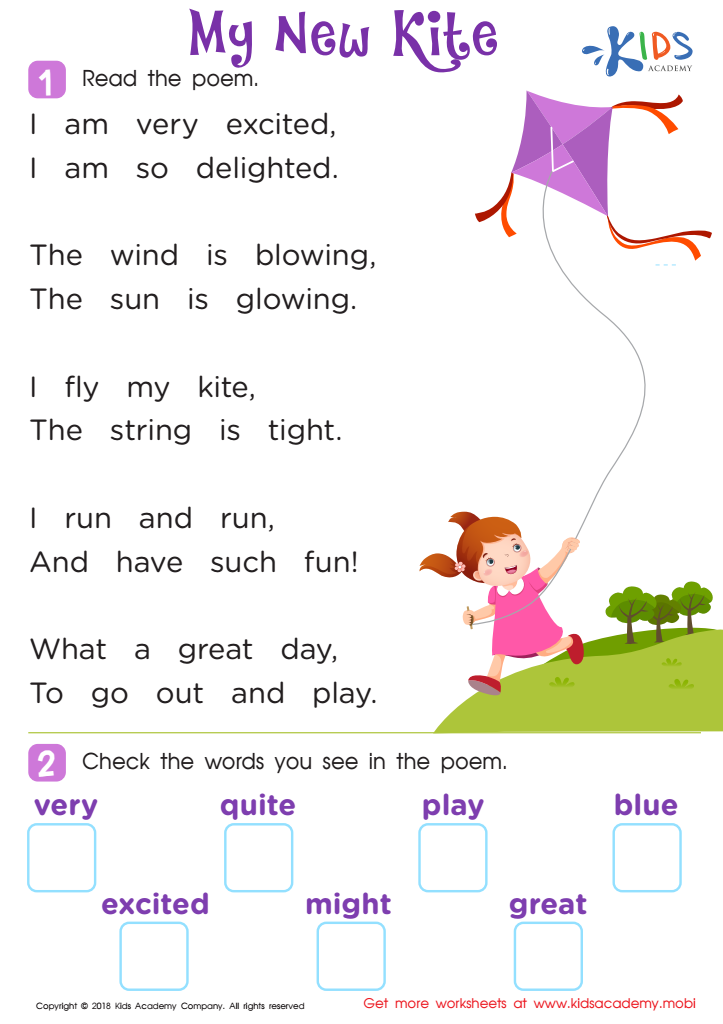
Poem: My New Kite Worksheet
 Assign to My Students
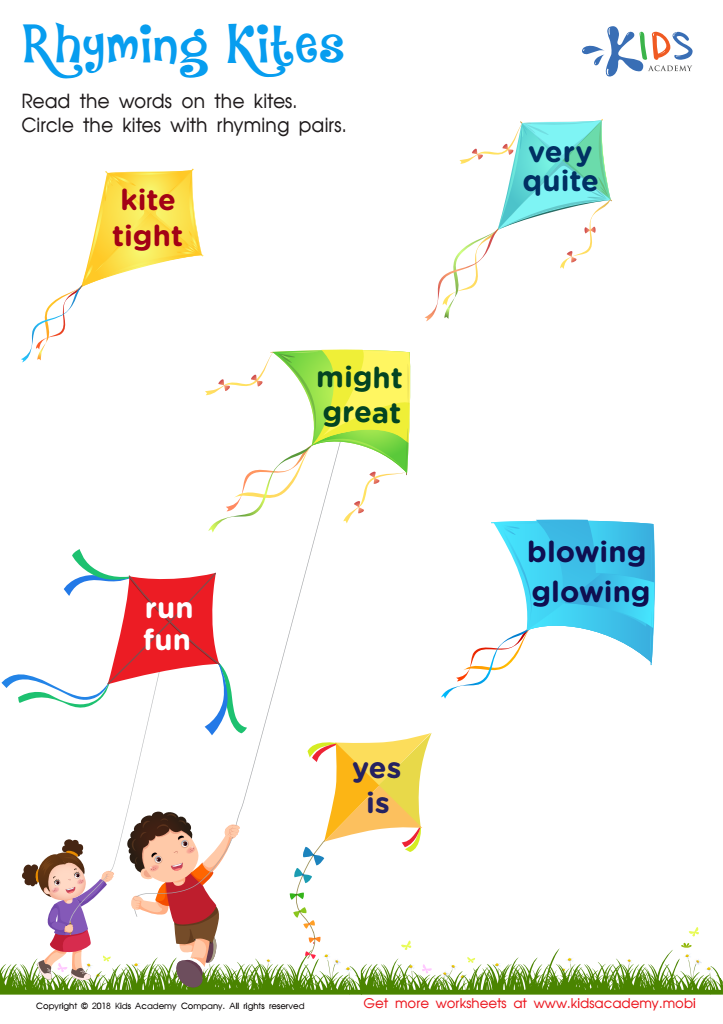
Rhyming Kites Worksheet
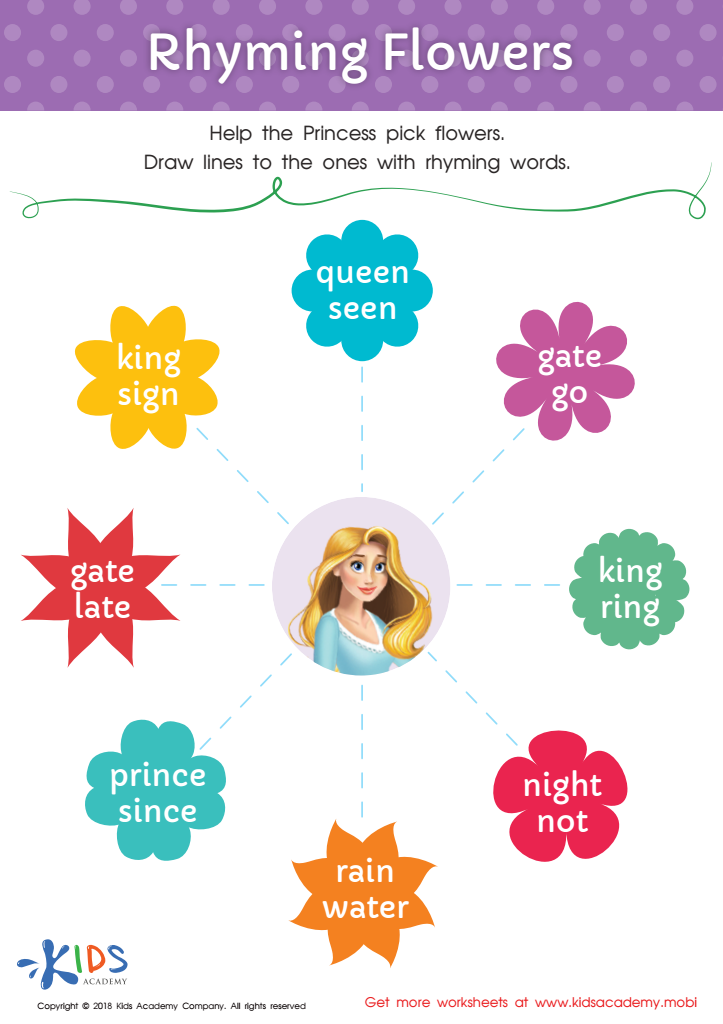
Rhyming Flowers Worksheet
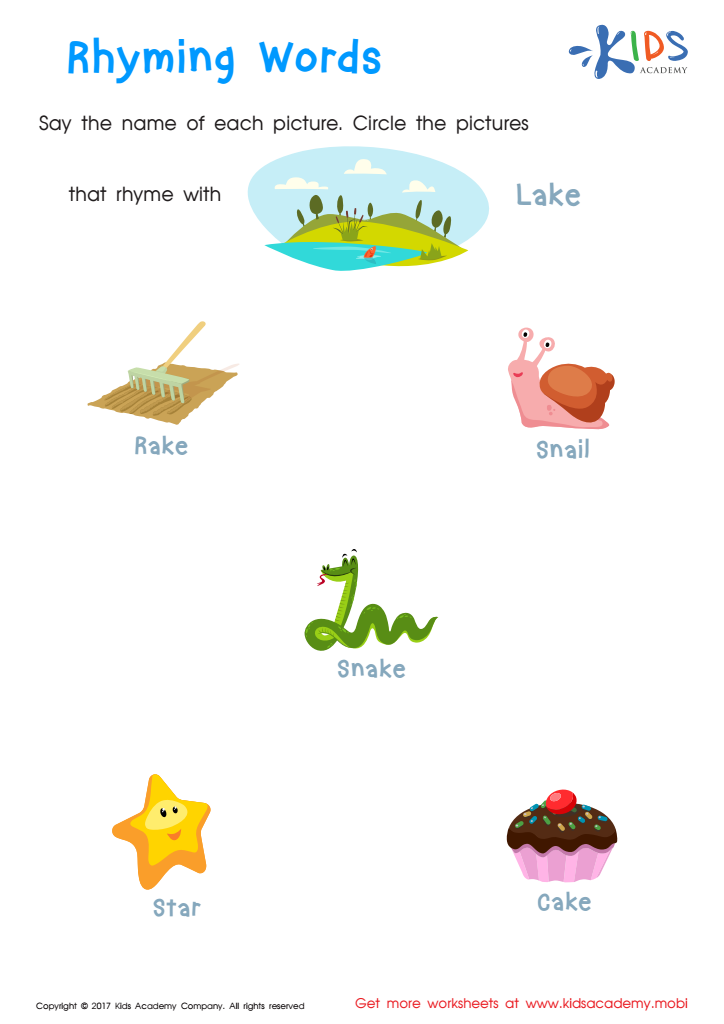
Rhyming Words Rhyming Worksheet
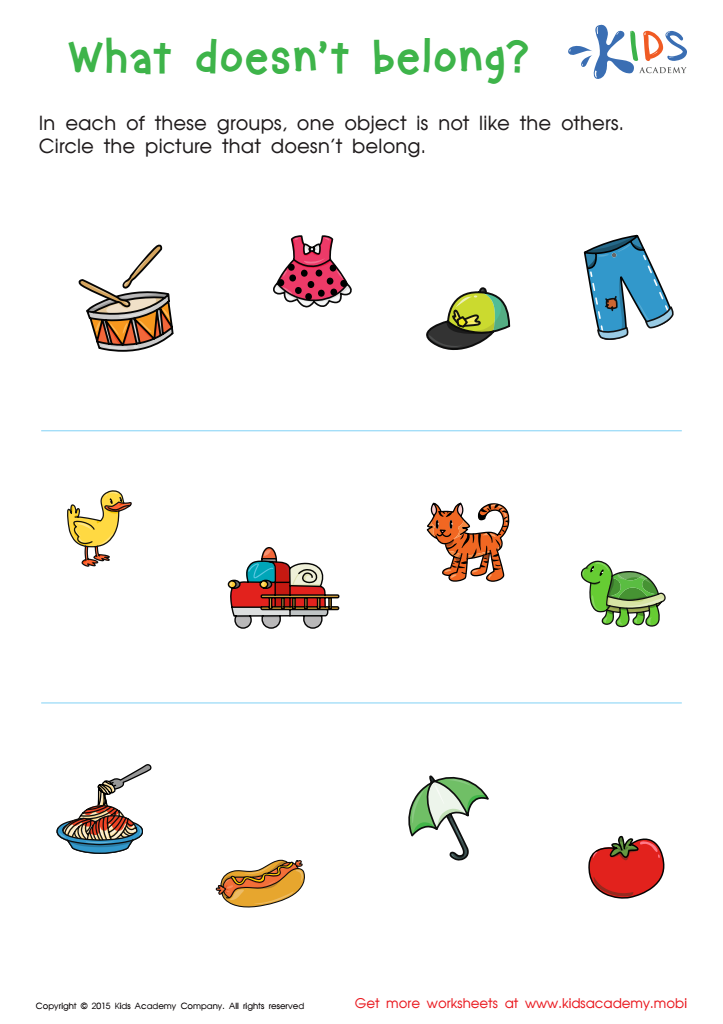
First Words: What Doesn't Belong Worksheet
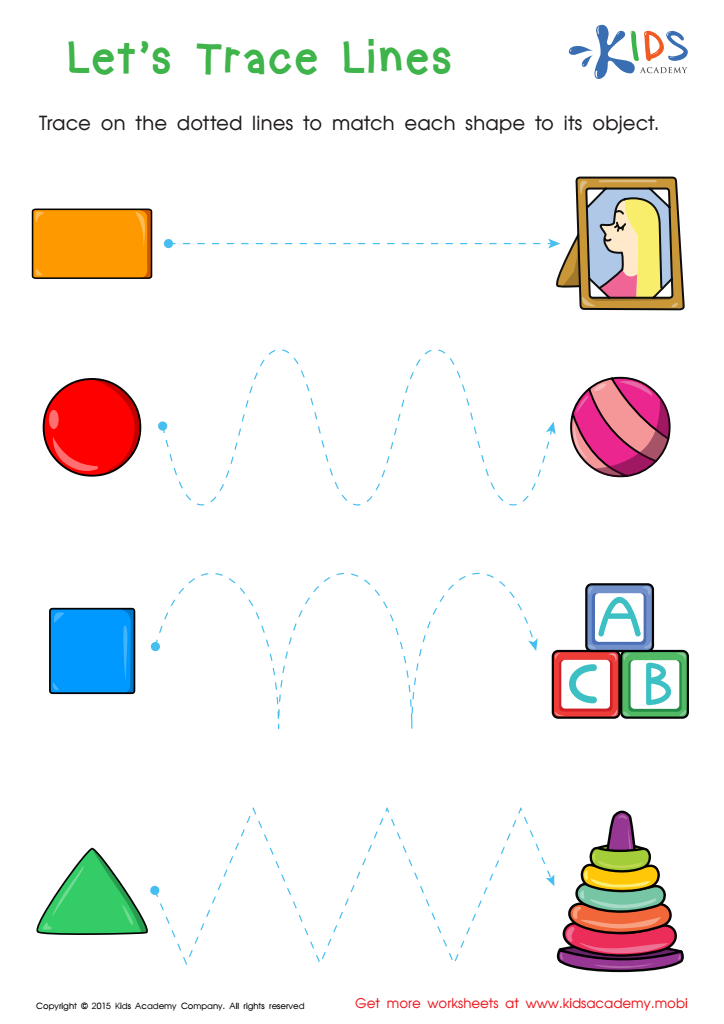
First Words: Let's Trace Lines Worksheet
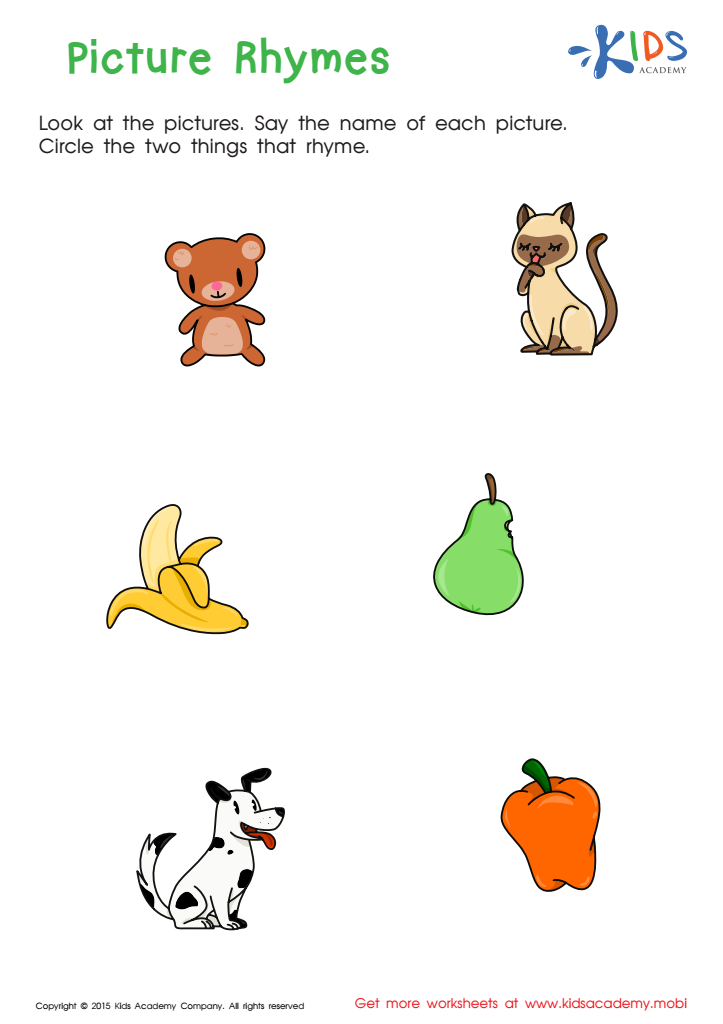
First Words: Picture Rhymes Worksheet
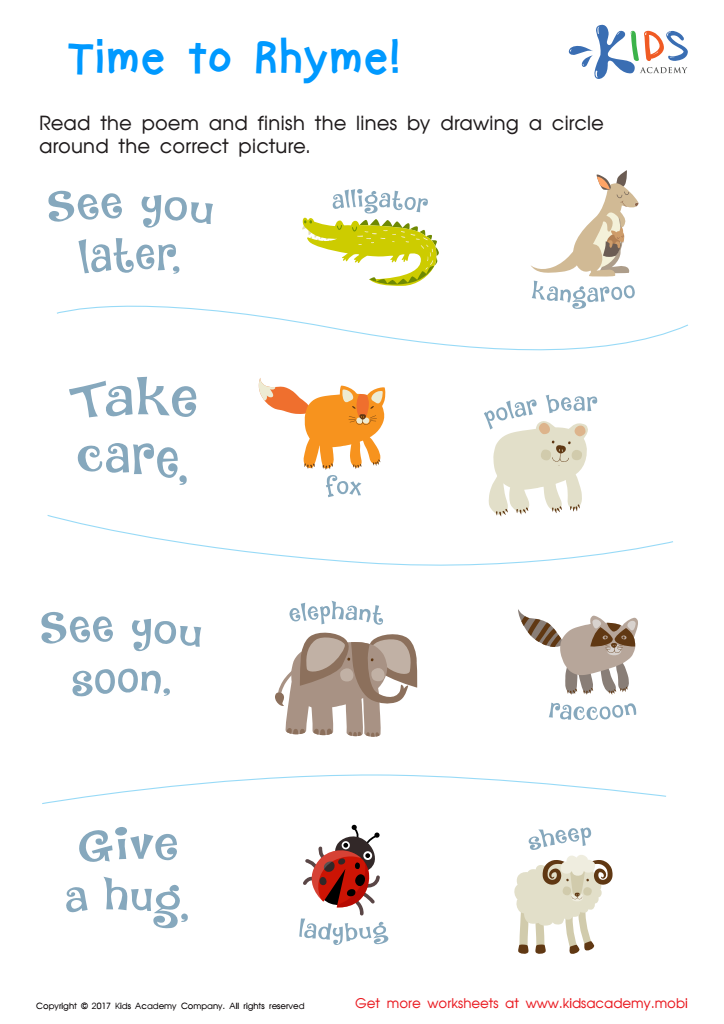
Time to Rhyme Rhyming Worksheet
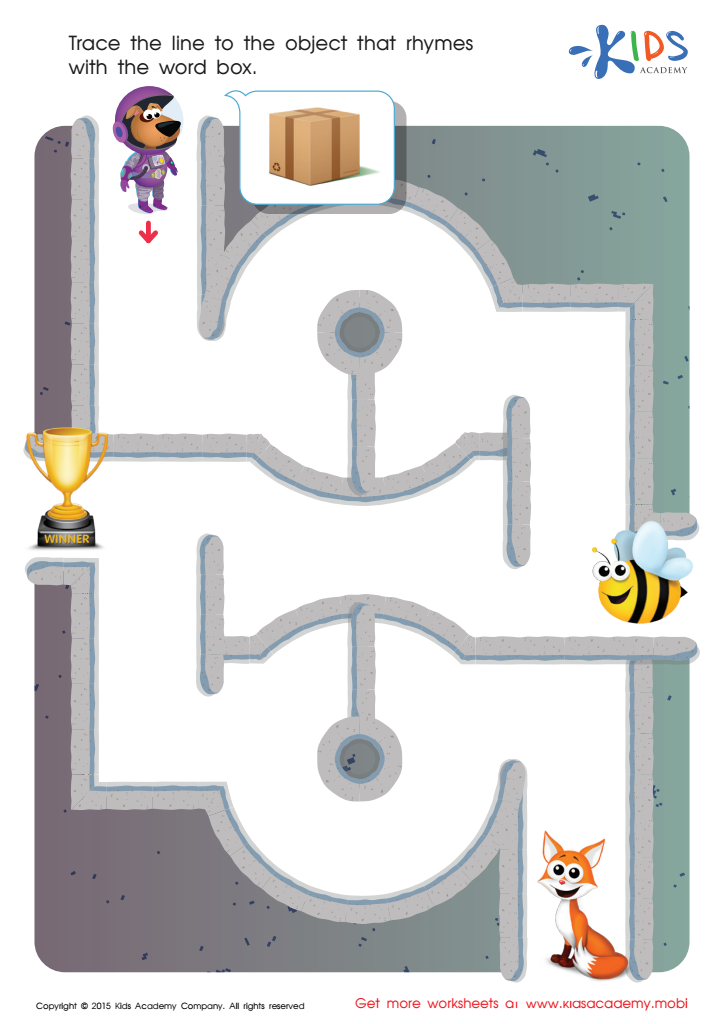
Box Rhyming Words Worksheet
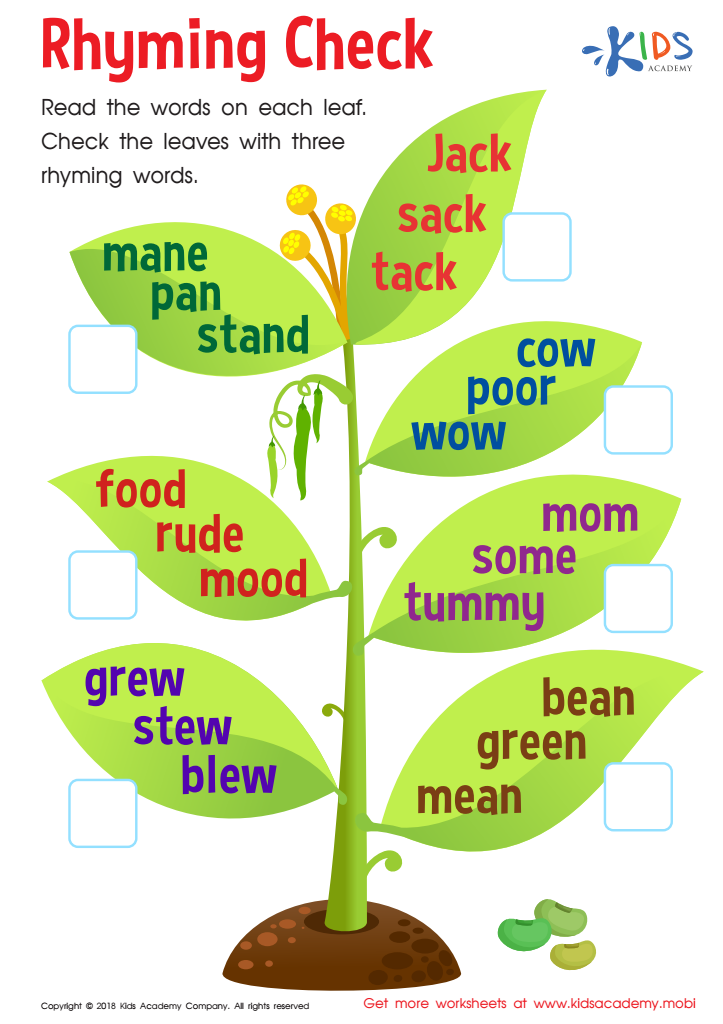
Rhyming Check Worksheet
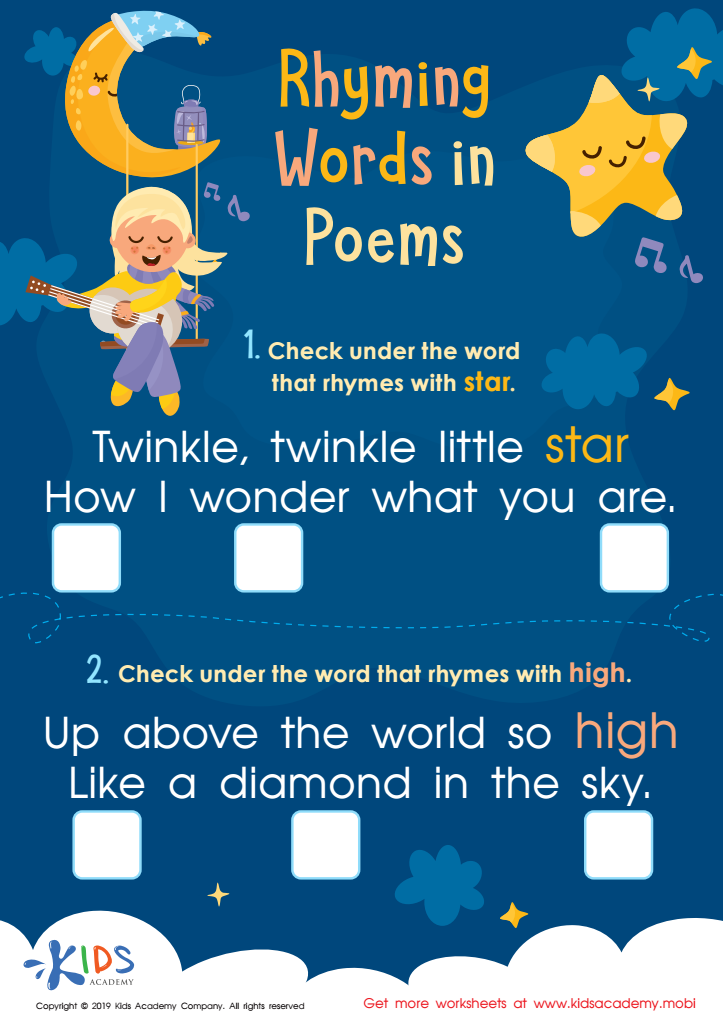
Rhyming Words in Poems Worksheet
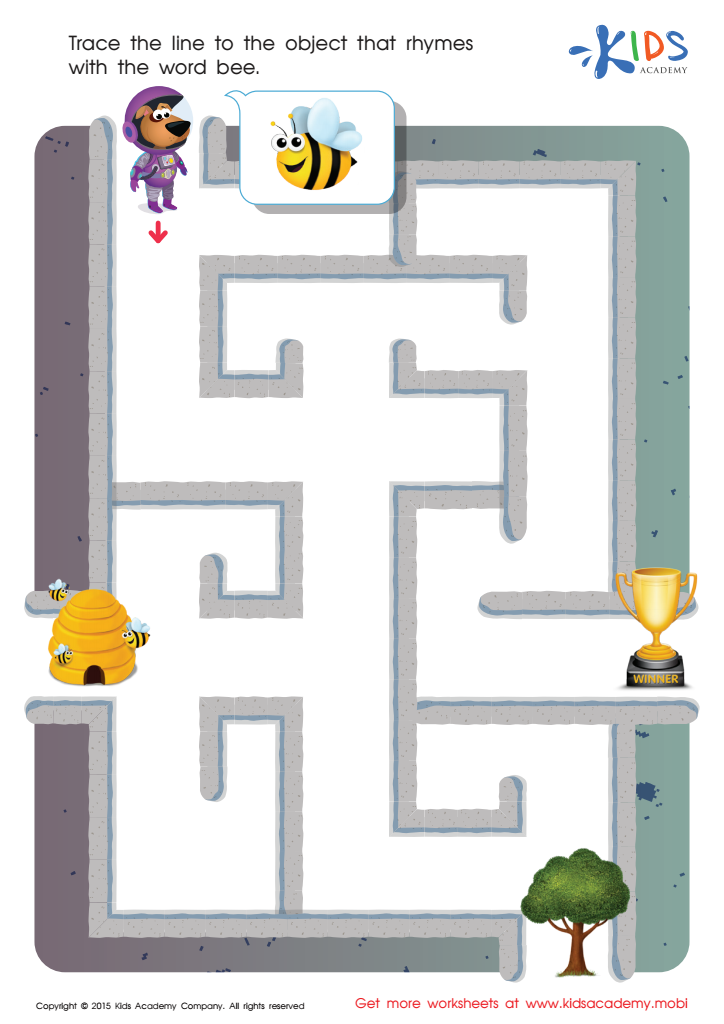
Bee Rhyming Words Worksheet
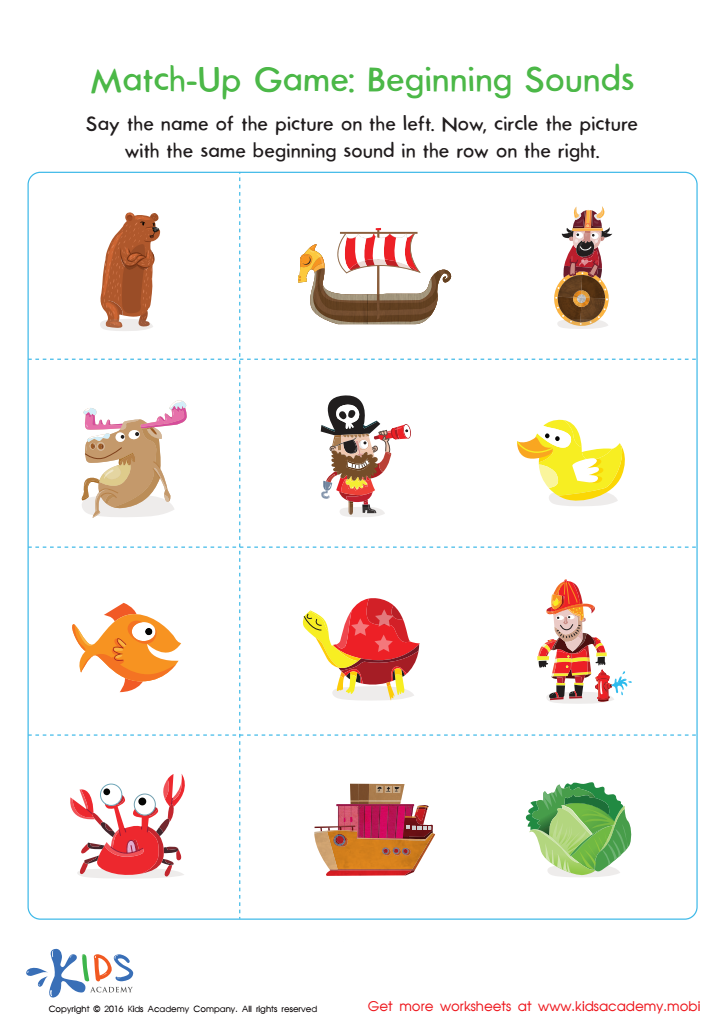
Match–Up Game: Beginning Sounds Worksheet
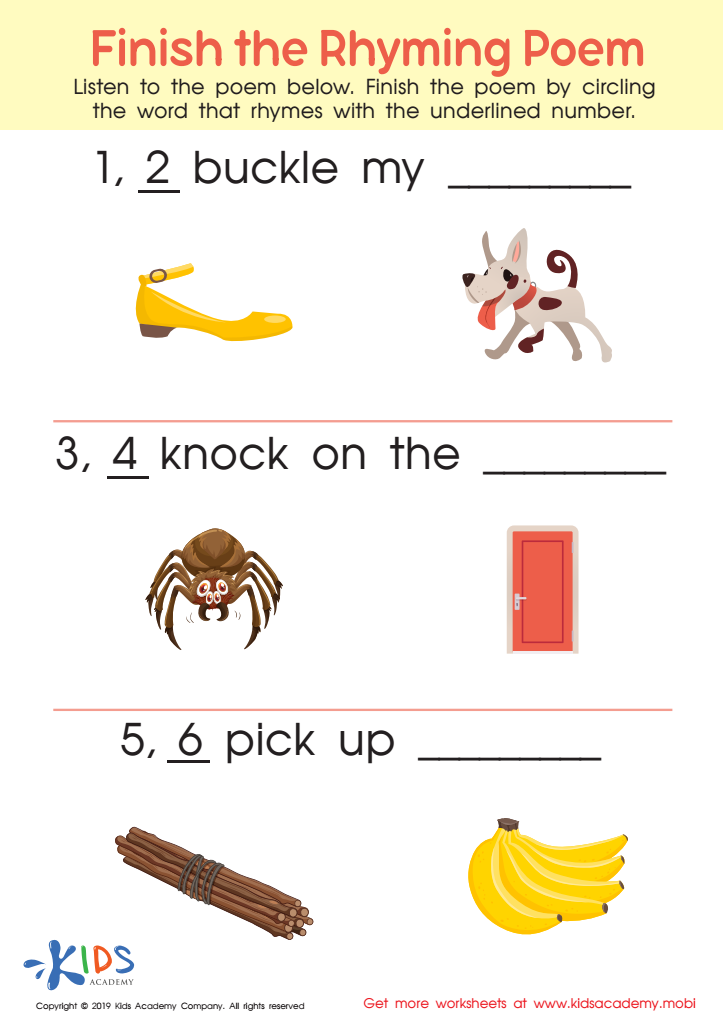
Finish Rhyming Poem Worksheet





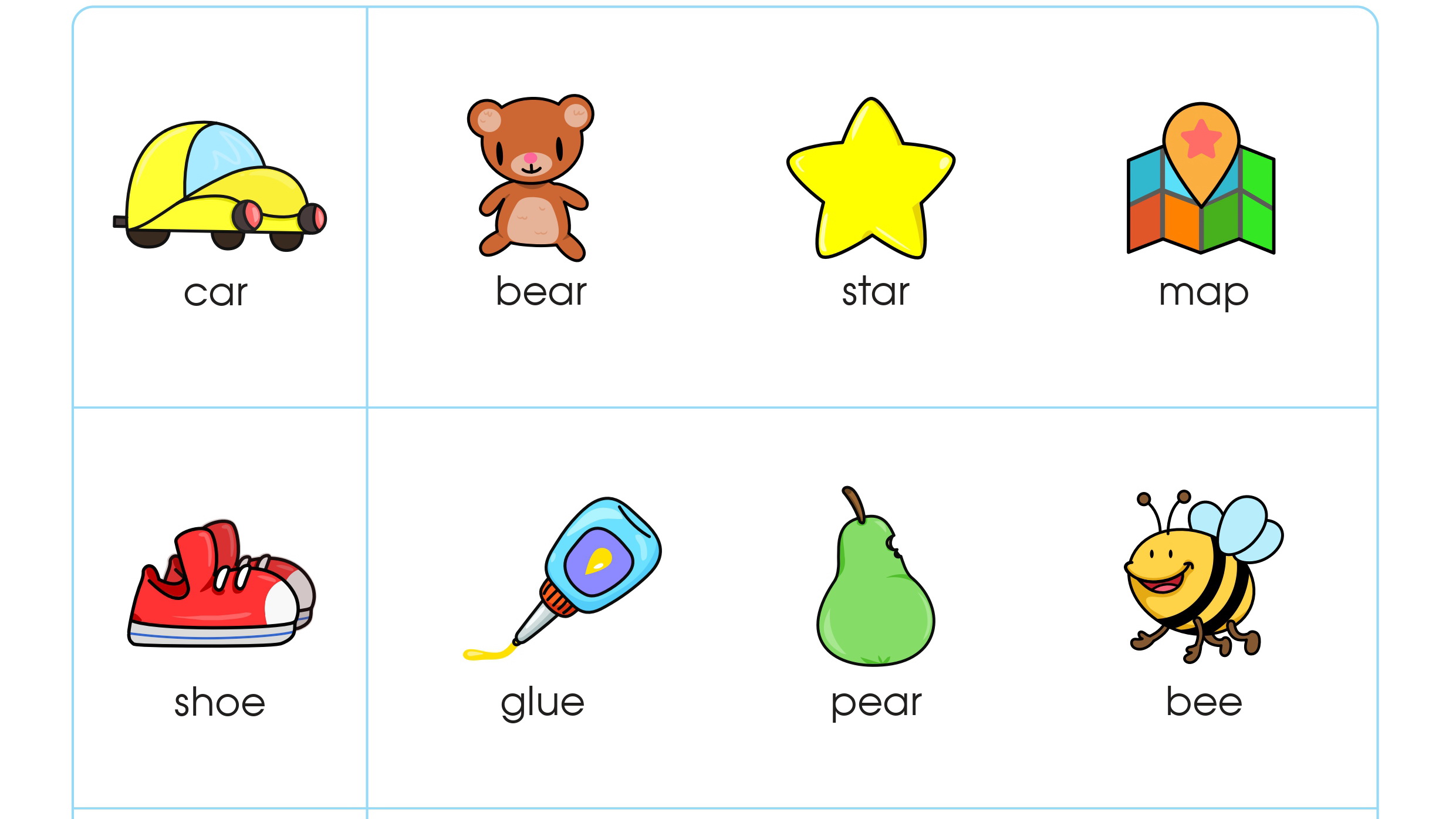


Parents and teachers should care about normal rhyming words for children aged 4-7 because these foundational phonemic skills significantly contribute to early literacy. Rhyme awareness enhances children’s ability to recognize and manipulate sounds within words, improving their reading and writing abilities. When children engage with rhyming, they develop phonological awareness, a critical skill for decoding unfamiliar words.
Moreover, rhyming words promote vocabulary growth. Children exposed to various rhymes encounter new words in a fun and engaging context, helping them retain and use those words. Rhymes are also instrumental in enhancing memory—catchy, repeated sounds help children recall information better.
Beyond literacy, engaging with rhyming words cultivates a love for language and storytelling. Rhymes introduce playful rhythm and melody to learning, making it more enjoyable. This enjoyment fosters positive attitudes towards reading and learning in general, instilling a lifelong appreciation of language.
In summary, integrating normal rhyming words into early education equips children with vital literacy skills, enriches their vocabulary, and nurtures a joyful learning environment. By prioritizing rhyming, parents and teachers set the stage for children’s successful reading journeys.








