Normal Building Vocabulary Worksheets for Ages 4-7 - Page 6
132 filtered results
-
From - To
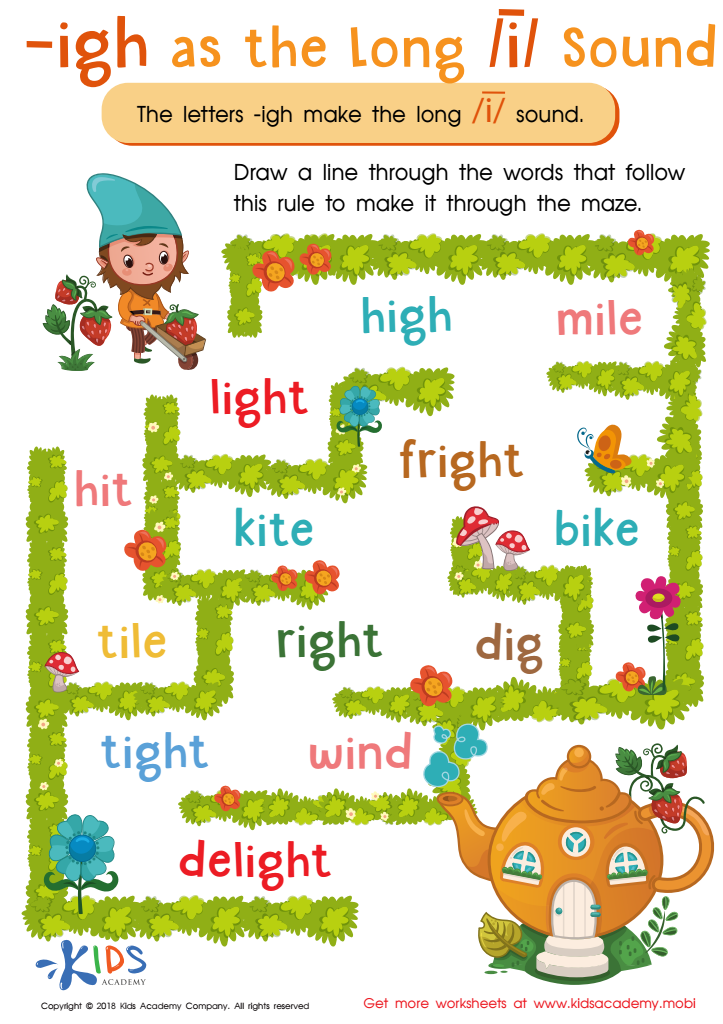
Reading: IGH as Long I Worksheet
 Assign to My Students











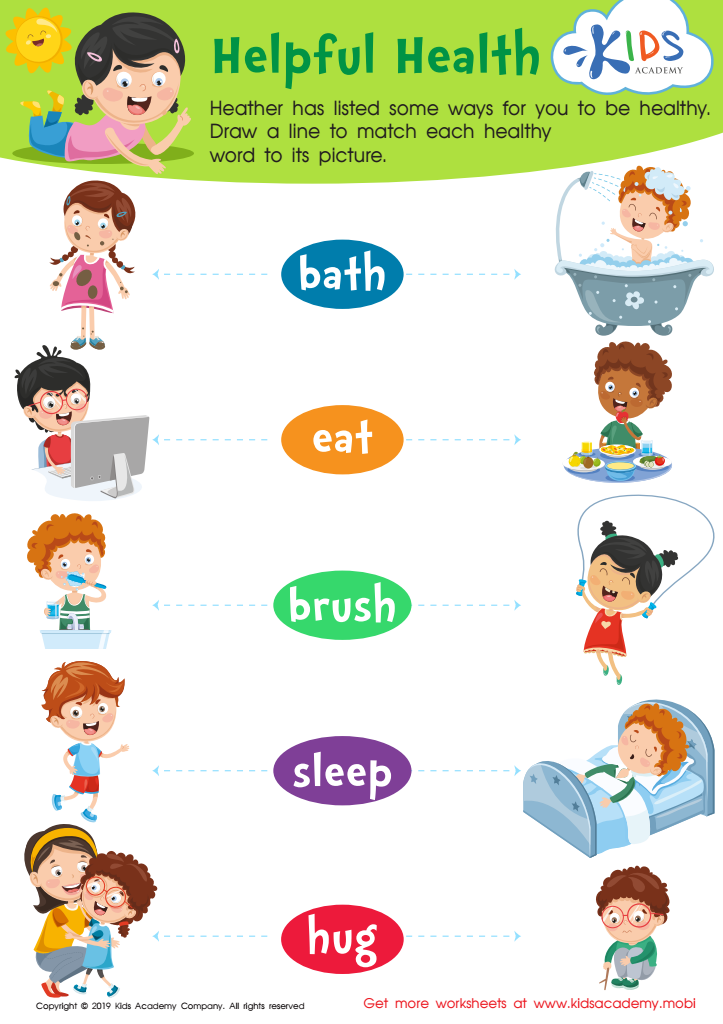
Helpful Health Worksheet
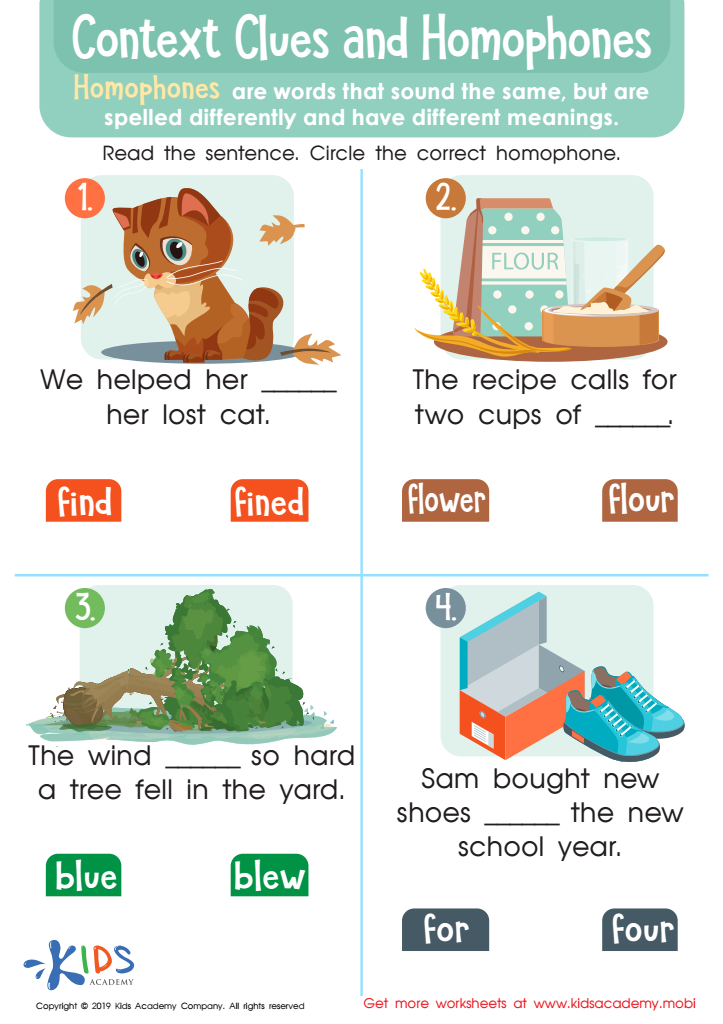
Context Clues and Homophones Worksheet
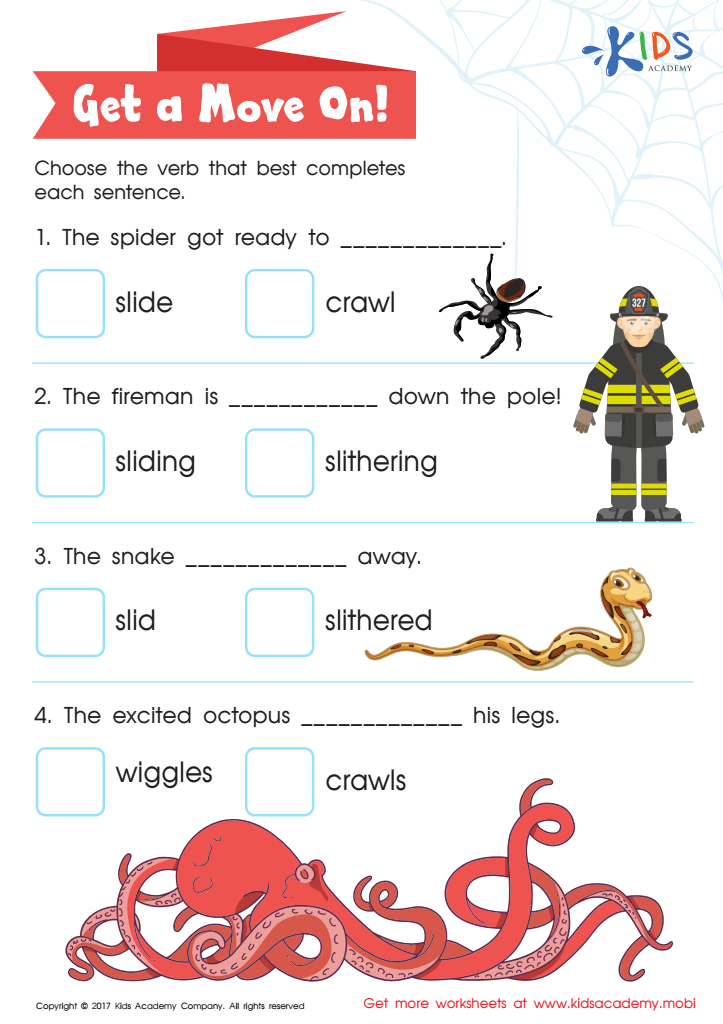
Verb Worksheet
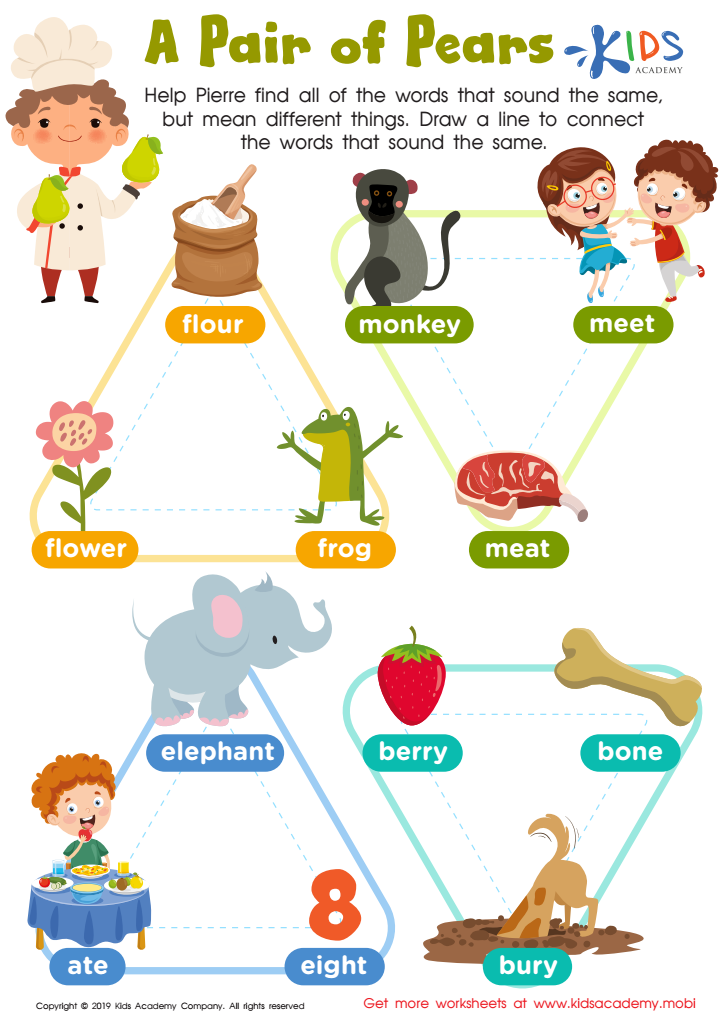
Pair Pears Worksheet
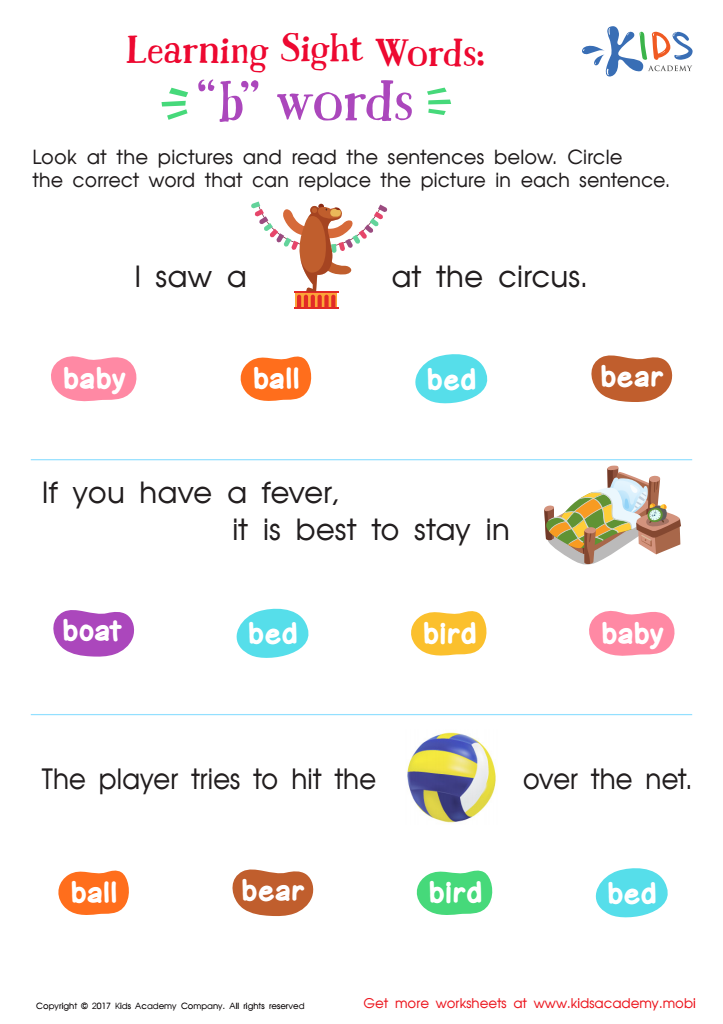
"B" Words Printable Sight Words Worksheet
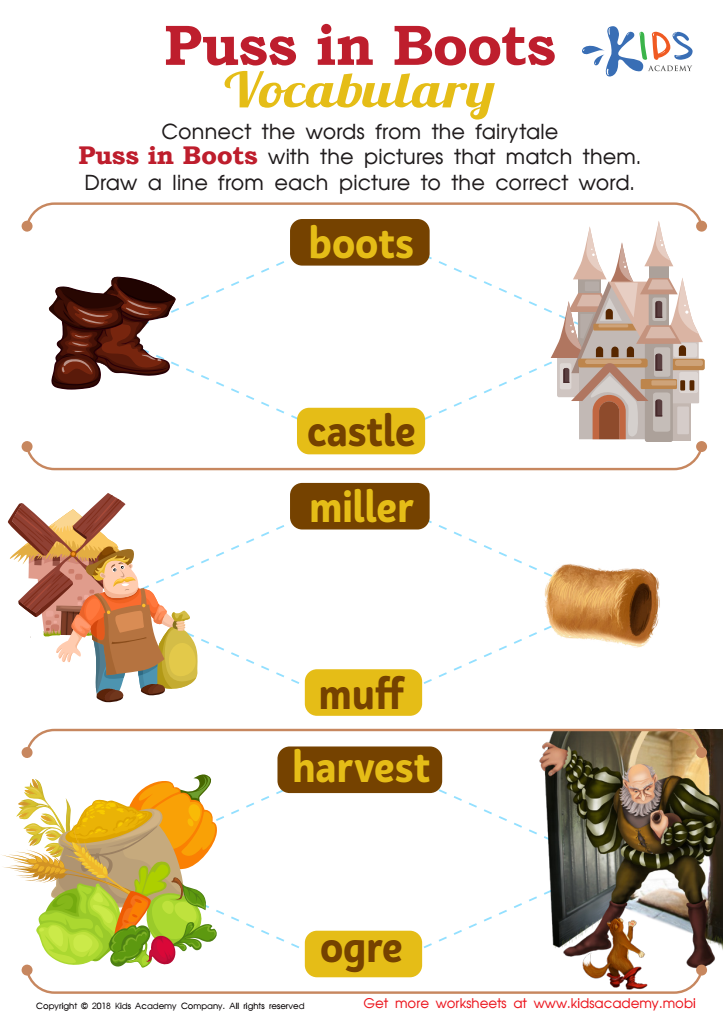
Puss in Boots Vocabulary Worksheet
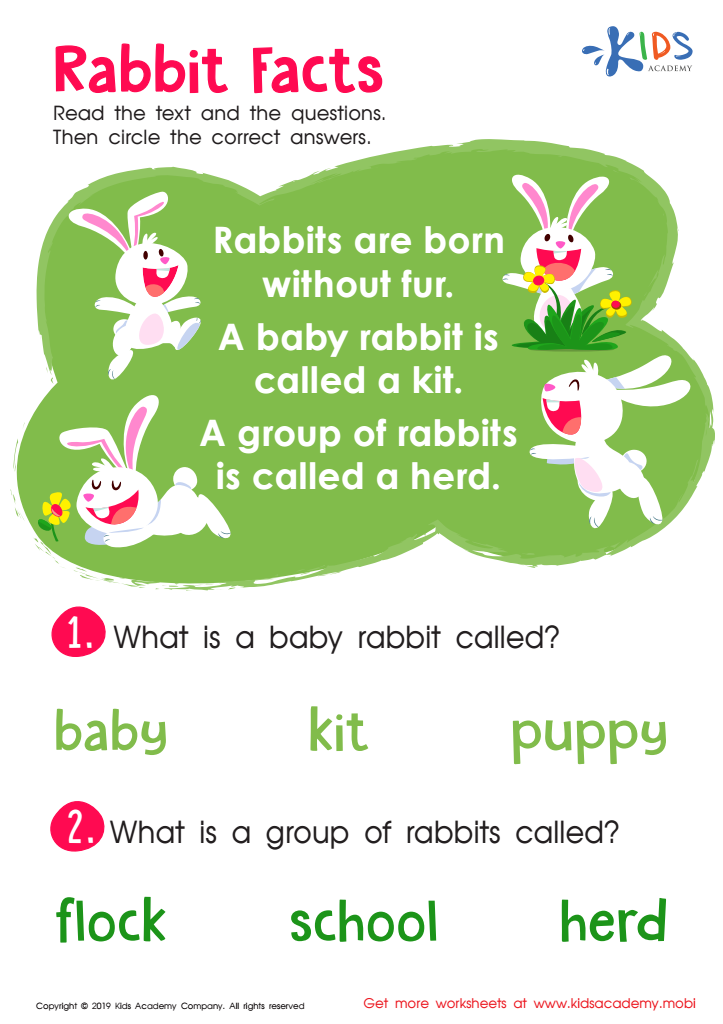
Rabbit Facts Worksheet
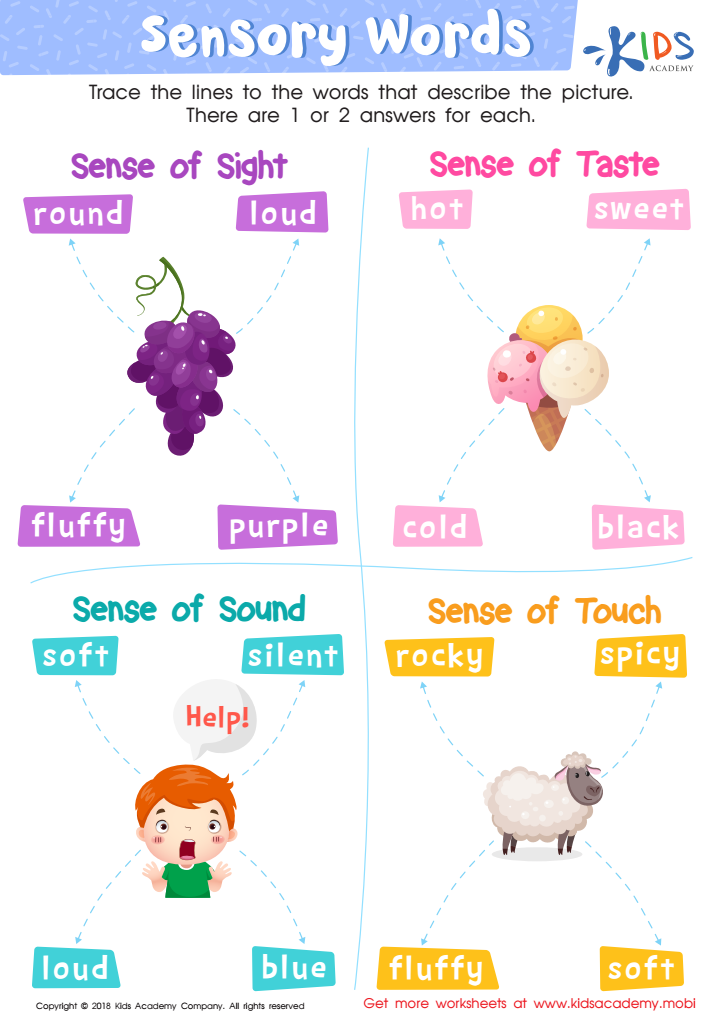
Sensory Words Worksheet
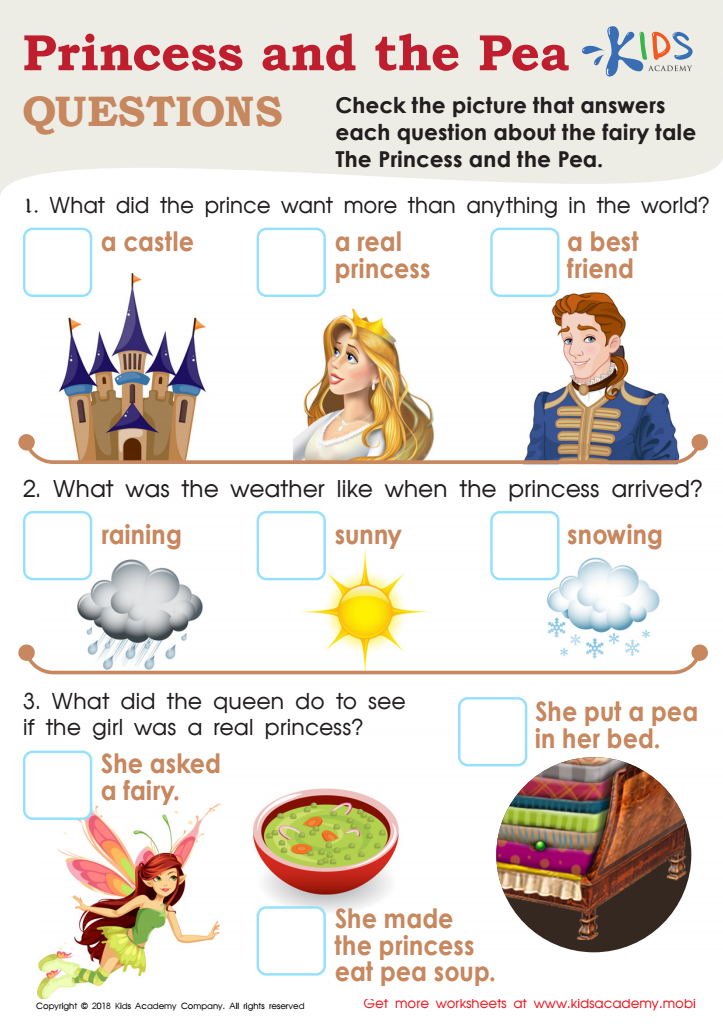
Princess and the Pea Questions Worksheet
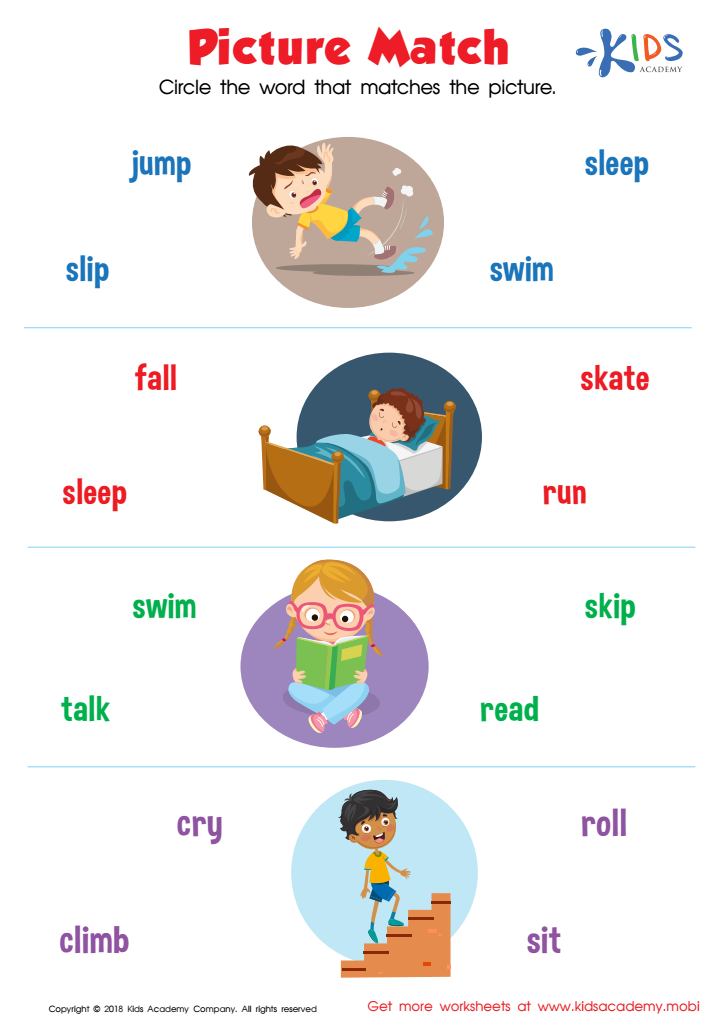
Picture Match Worksheet
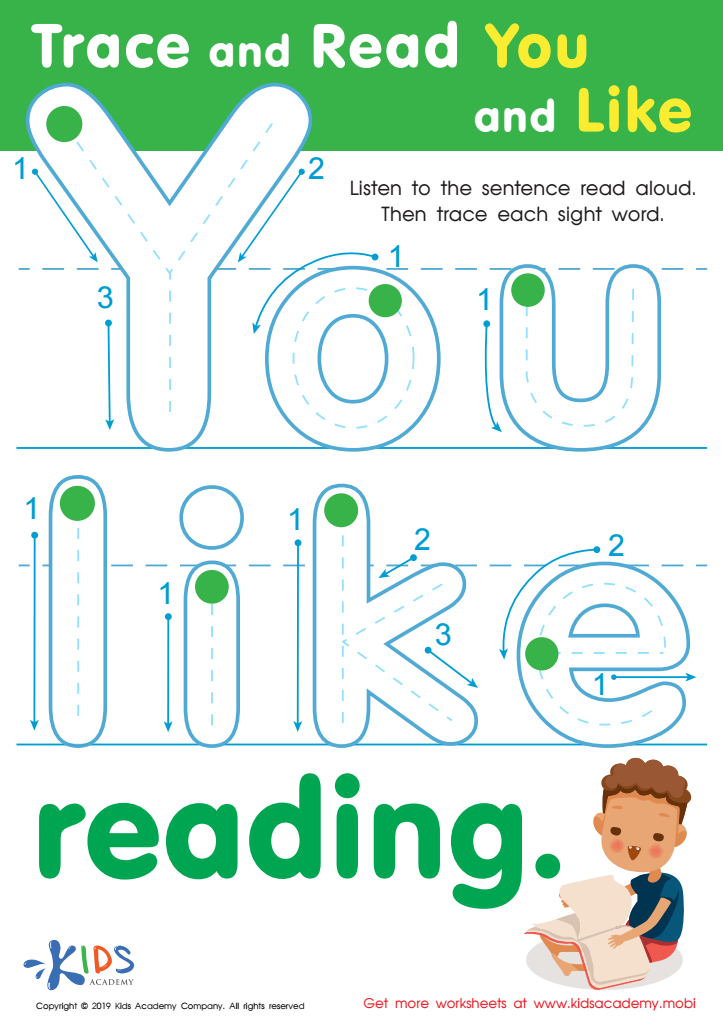
Trace Read You Like Worksheet








Parents and teachers should place a significant emphasis on building vocabulary for children ages 4-7 because this period is critical in the overall development of communication skills. During these foundational years, children rapidly absorb language and vocabulary, referred to as a “sensitive period” for language acquisition. Enhancing vocabulary at this stage encourages better verbal communication, which is essential for successful interactions as children grow older.
Strong vocabulary skills also lay the groundwork for literacy, which is imperative for academic success. When children understand and correctly use a wide array of words, they become more effective readers and writers. This proficiency means they are more likely to perform well across various subjects, aiding in overall academic confidence and enthusiasm for learning.
Moreover, a robust vocabulary can significantly impact emotional and social development. Children with expansive vocabularies are better equipped to express their feelings, navigate social situations, and build relationships. These skills are crucial for healthy personal development and can reduce frustration that comes from being unable to express oneself clearly.
In summary, prioritizing vocabulary development for young children equips them with vital tools for effective communication, aids in academic achievement, and supports emotional and social growth, establishing a strong foundation for future success.








