Word Recognition Normal Reading Comprehension Worksheets for Ages 4-7
6 filtered results
-
From - To
Discover engaging Word Recognition Normal Reading Comprehension Worksheets designed for children ages 4-7! Our resources cultivate essential reading skills through fun exercises that promote word recognition and comprehension. These worksheets encourage young learners to identify words in context, enhancing their vocabulary and understanding of sentences. With vibrant illustrations and age-appropriate content, students will enjoy practicing their reading abilities. Ideal for classrooms, homeschooling, or extra practice at home, our worksheets support early literacy development while fostering a love for reading. Visit us today to empower your child's learning journey with enjoyable and effective reading comprehension activities!
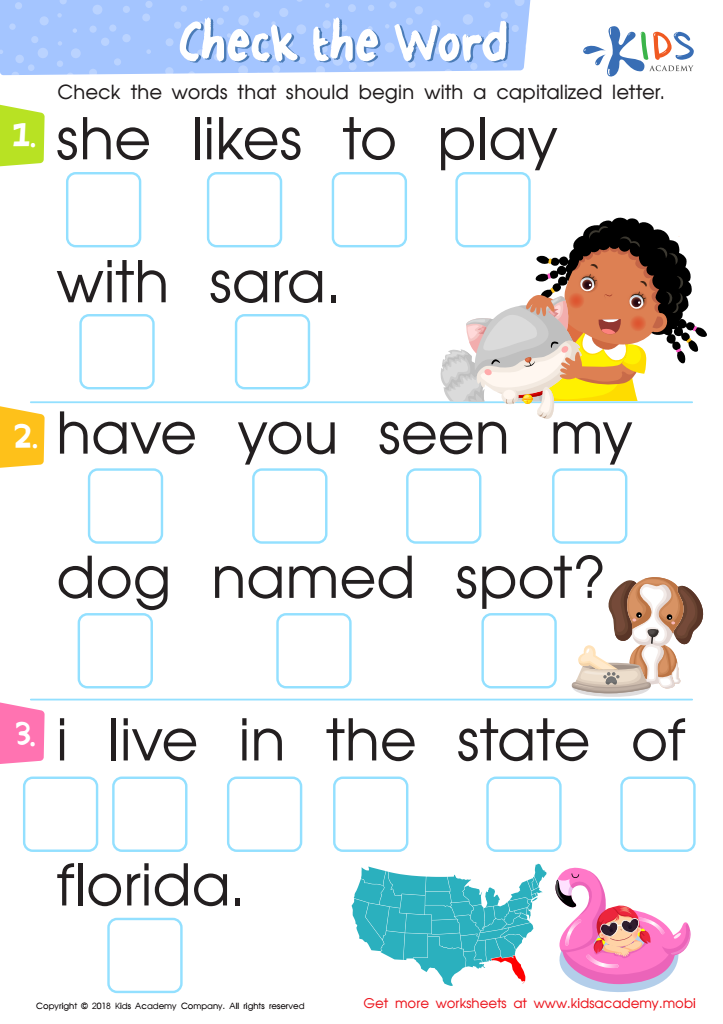
Check the Word Worksheet
 Assign to My Students
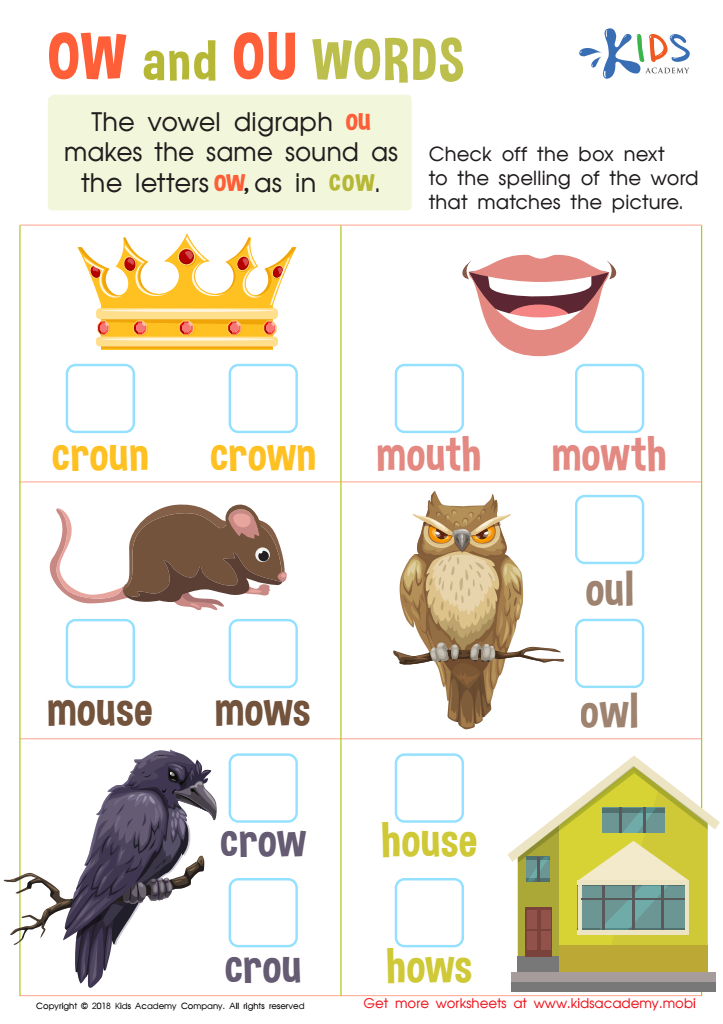
Reading: OW and OU Words Worksheet
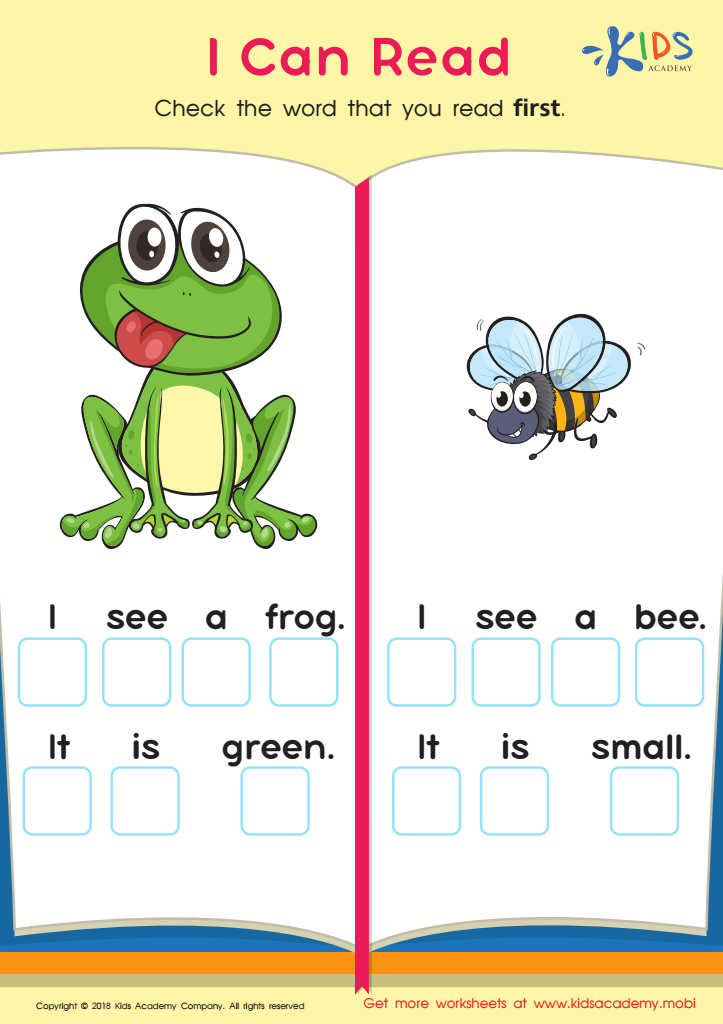
I Can Read Worksheet
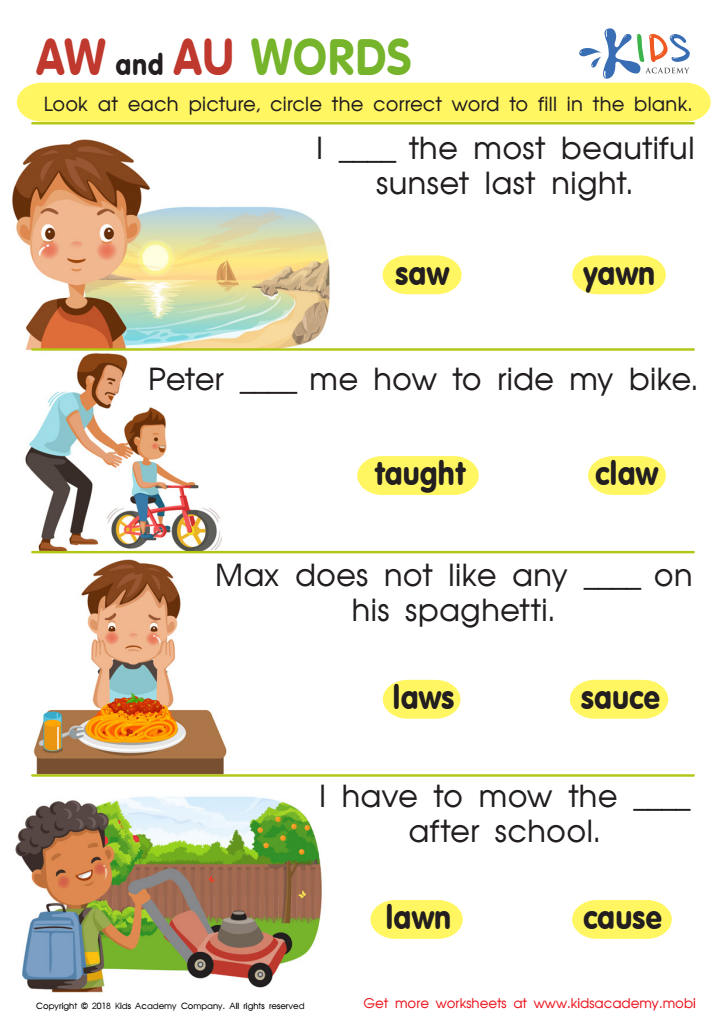
Reading: AW and AU Words Worksheet
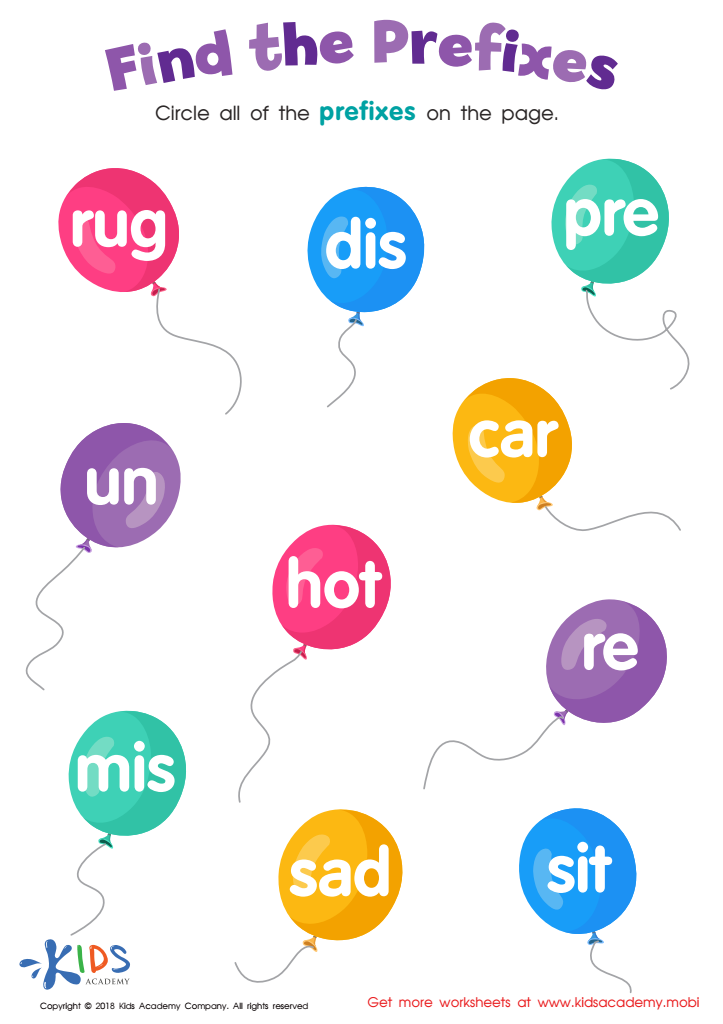
Reading: Find the Prefixes Worksheet
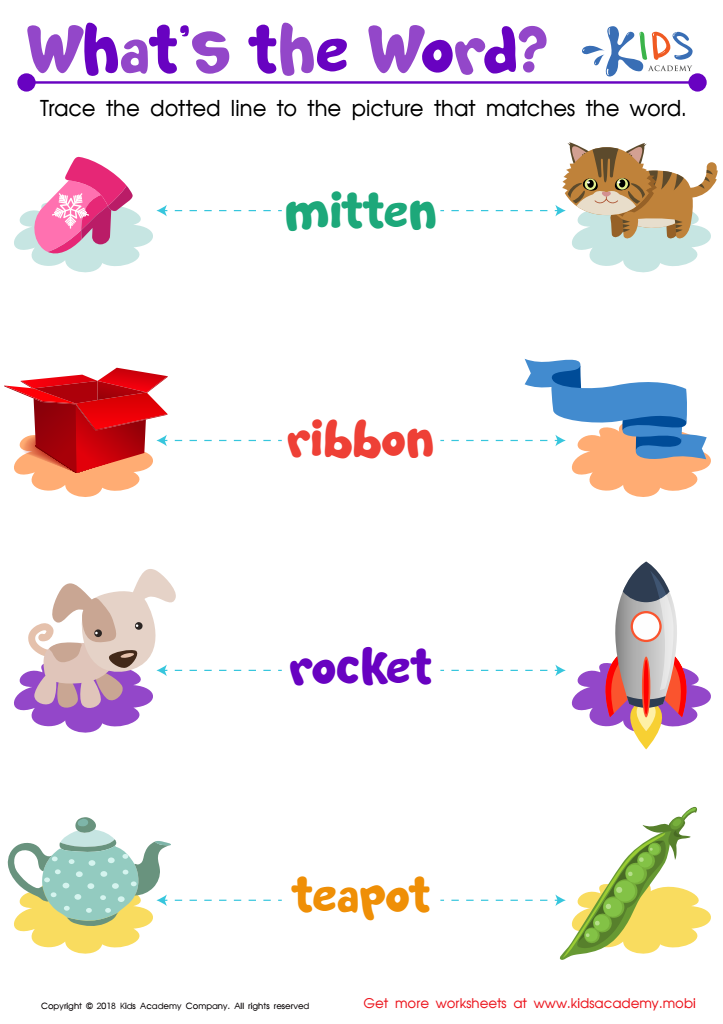
Reading: What's Word Worksheet








Word recognition and reading comprehension are crucial components of literacy development for children aged 4-7, as they serve as foundational skills that impact a child's academic journey and overall learning. Parents and teachers should care about these aspects because they are directly linked to a child's future success in reading and communication.
Word recognition enables children to quickly identify and understand words, which is essential for reading fluency. When children can effortlessly recognize words, they can shift their focus to comprehending the meaning of sentences and passages. This transition is vital; without strong word recognition skills, children may struggle to keep up with reading, leading to frustration and disengagement.
Reading comprehension, on the other hand, involves understanding and interpreting text, making connections, and thinking critically about what they read. It nurtures cognitive development and enhances vocabulary. Children who can comprehend what they read are more likely to excel academically across subjects, as literacy is a key component of learning.
By fostering both word recognition and reading comprehension, parents and teachers play an integral role in cultivating lifelong readers. Early intervention and encouragement in these areas set the stage for enthusiastic learners, producing confident individuals equipped for successful futures.








