
Comprehension skills Normal Reading Fiction Worksheets for Ages 4-7
6 filtered results
Difficulty Level
Grade
Age
-
From - To
Subject
Activity
Standards
Improve your child's reading comprehension skills with our engaging Normal Reading Fiction Worksheets designed for ages 4-7. These worksheets focus on enhancing understanding through fun and age-appropriate stories that captivate young minds. Each activity encourages children to think critically about the text, answer questions, and make connections. With vibrant illustrations and simple language, these resources make learning enjoyable and accessible. Encourage your young readers to explore characters, plot, and themes, while boosting their confidence in literacy. Perfect for homeschooling, classroom use, or extra practice at home, our worksheets are a valuable tool for nurturing advanced comprehension skills in early readers.
Favorites
With answer key
Interactive
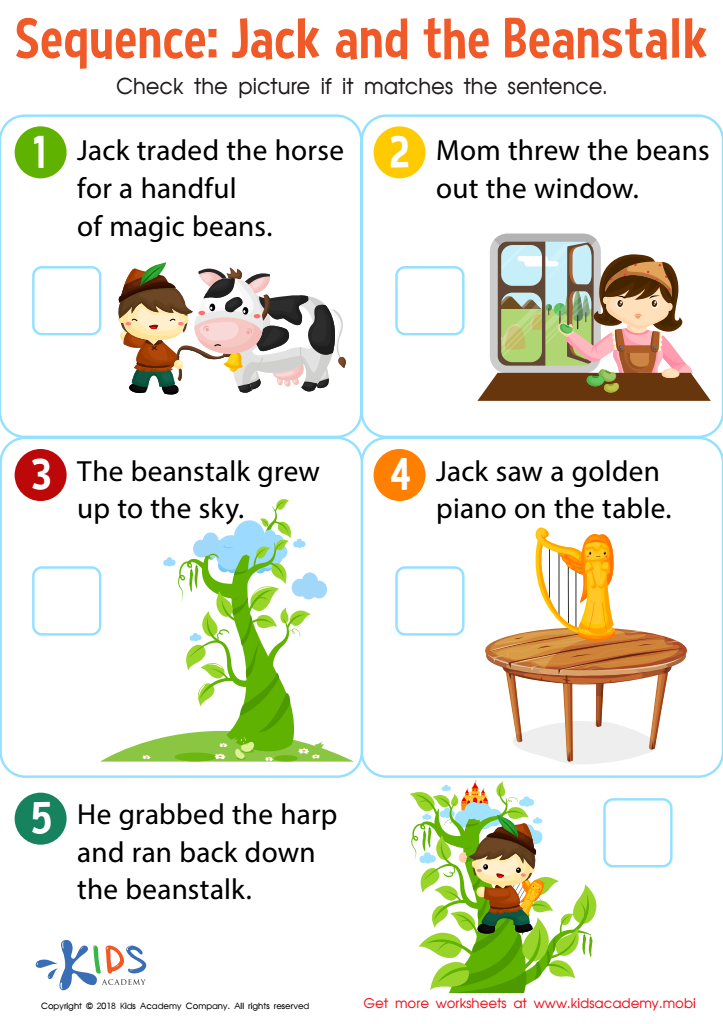
Sequence: Jack and The Beanstalk Worksheet
Ensure your kids are familiar with Jack and the Beanstalk before starting this worksheet. If not, read them the story. In the pdf, there are five pictures with sentences. Read the sentences, ask your kid if it matches the picture, then help them check if it does.
 Assign to My Students
Sequence: Jack and The Beanstalk Worksheet
Worksheet
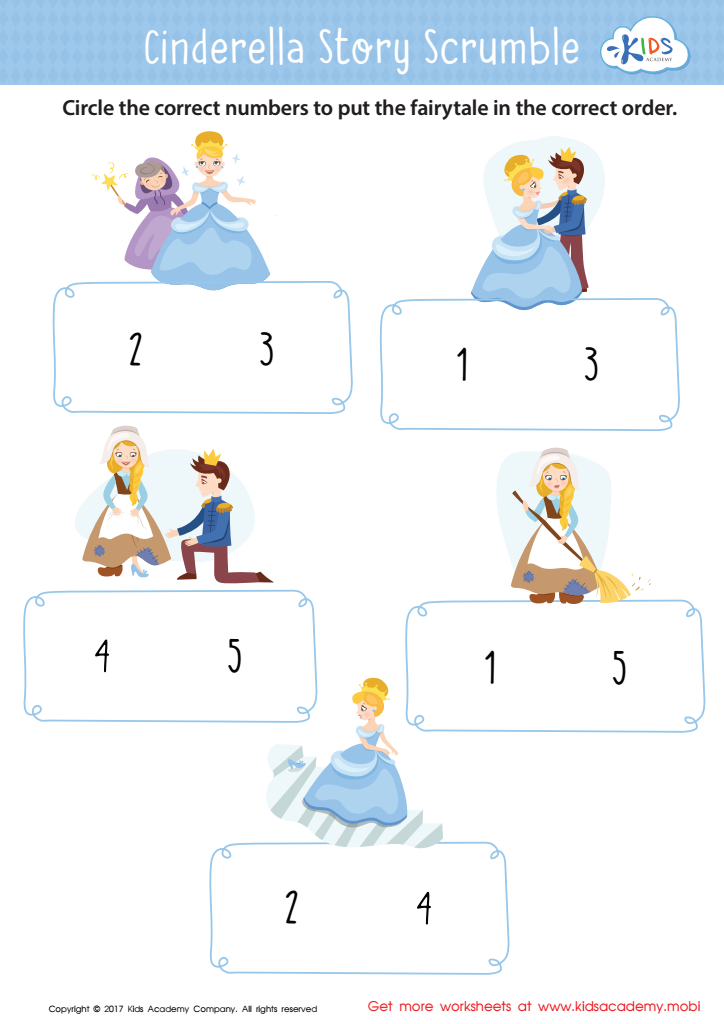
Cinderella Story Sequencing Worksheet
This worksheet helps strengthen reading comprehension skills by getting your child to remember key moments from the Cinderella story. They'll be asked to place pictures in the right order to tell the story.
Cinderella Story Sequencing Worksheet
Worksheet
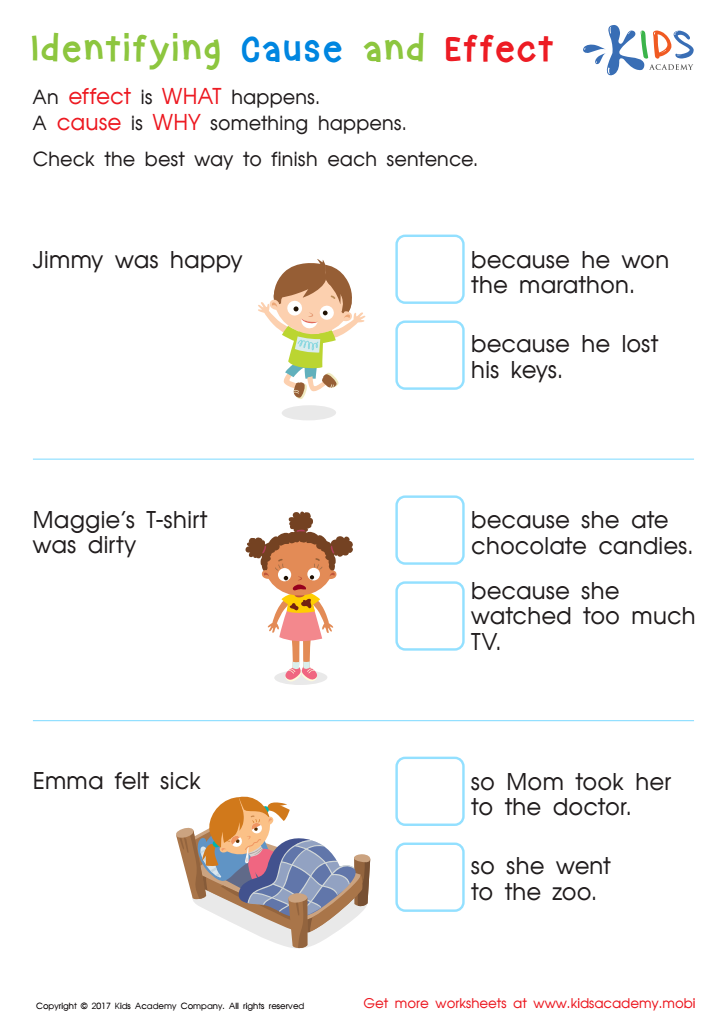
Indentifying Cause and Effect Worksheet
2nd grade cause & effect worksheets give your child practice making connections between events and their results. Fun activities help develop reading and critical thinking skills.
Indentifying Cause and Effect Worksheet
Worksheet
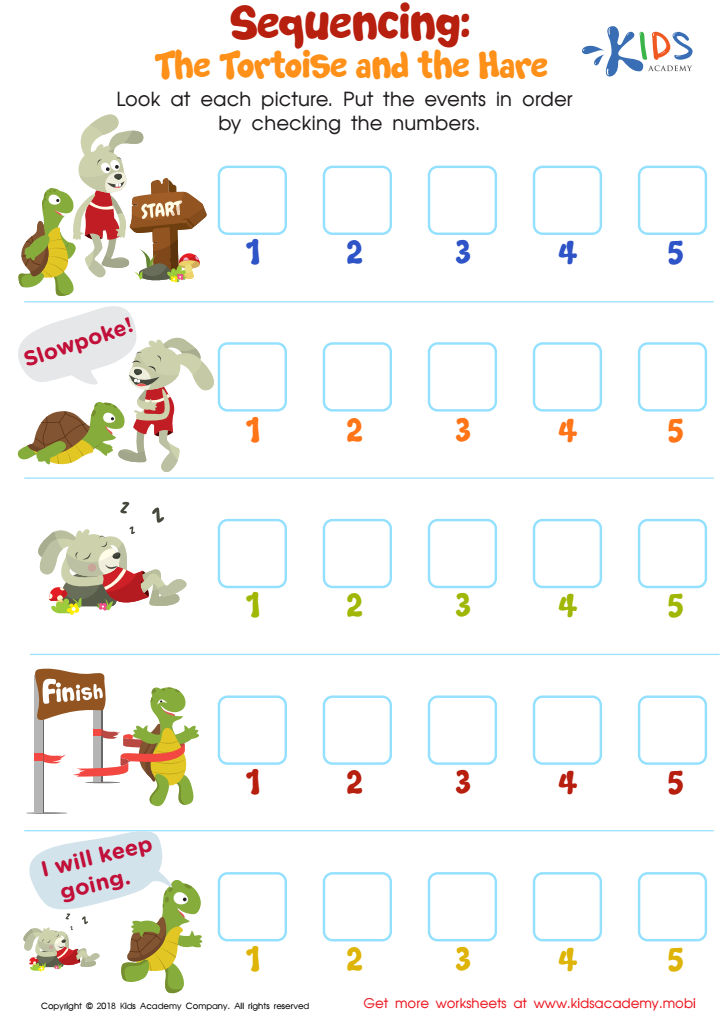
Sequencing: The Tortoise and the Hare Worksheet
Help your child become an independent reader and critical thinker with a sequencing worksheet from Kids Academy! Have them read the classic tale of the tortoise and the hare and use the accompanying worksheet to check their understanding of the story's sequence of events. Have kids identify the correct order of events by selecting the box next to the correct number for each image!
Sequencing: The Tortoise and the Hare Worksheet
Worksheet
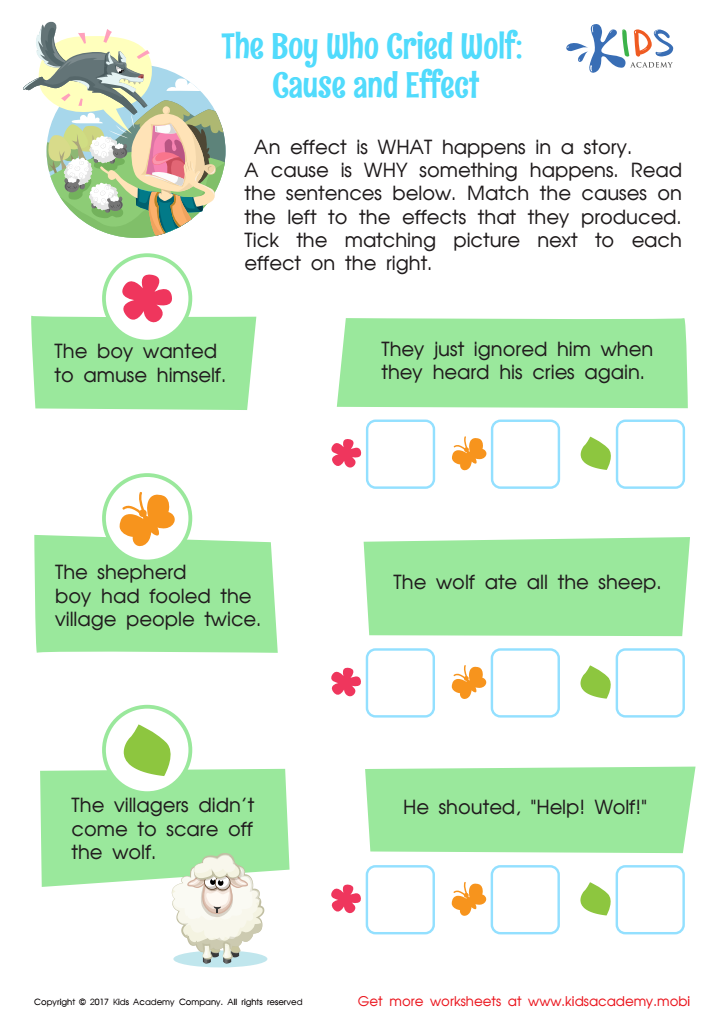
The Boy Who Cried Wolf: Cause and Effect Worksheet
With classic stories and fables, learning reading comprehension is easy - and fun!
The Boy Who Cried Wolf: Cause and Effect Worksheet
Worksheet
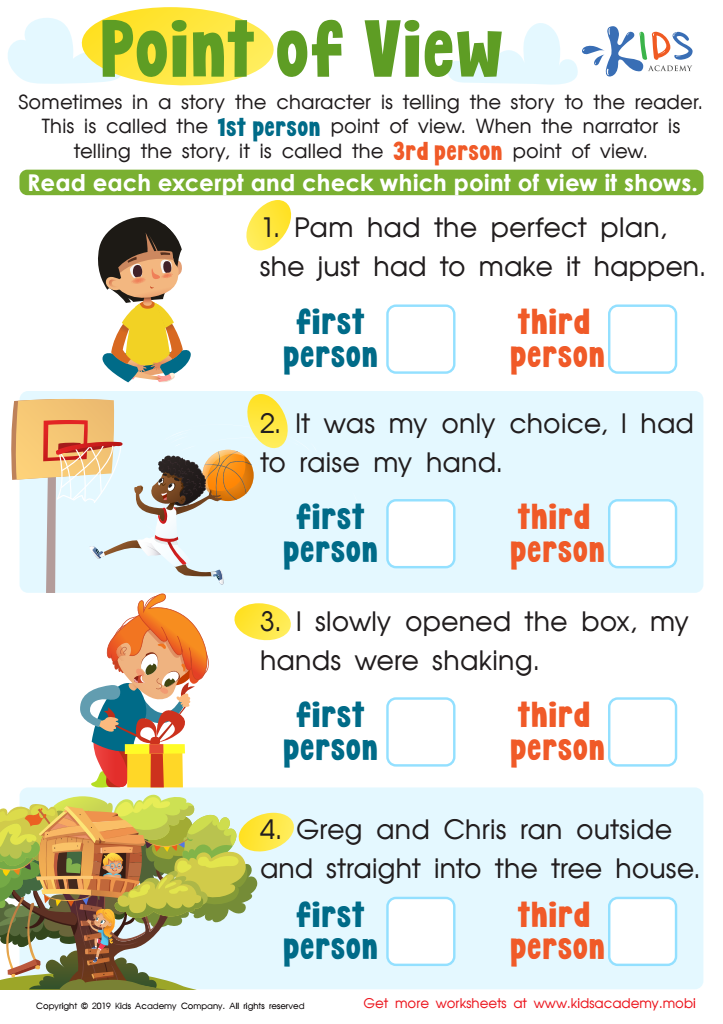
Point of View Printable
Teach your kids about points of view with this worksheet! In a story, characters can tell the story in first person or it can come from a narrator in third person. Read the excerpt in the worksheet and ask your kids to identify which point of view it is.
Point of View Printable
Worksheet
Join Kids Academy for Free
Who is primarily going to use this learning content?



.jpg)




Comprehension skills in reading fiction are crucial for children aged 4-7, serving as a foundational pillar for their academic journey and overall development. During these formative years, children learn not just to decode words but also to understand and engage with stories. Parents and teachers should prioritize comprehension because it fosters critical thinking, empathy, and vocabulary growth.
When children comprehend what they read, they can connect the narrative to their own experiences, enhancing their emotional intelligence. Engaging with fiction also allows them to navigate different perspectives, which is vital in building social skills and empathy. Furthermore, comprehension supports cognitive development; children learn to predict outcomes, make inferences, and recognize narrative structures.
Reading comprehension boosts confidence and motivation, as children experience enjoyment and success in understanding stories. With these skills, learners become more proficient readers, positioning them for success in later academic challenges.
Parents and educators can enhance these skills by discussing stories together, asking open-ended questions, and encouraging children to express their thoughts. By cultivating strong comprehension abilities, we set the stage for lifelong learning and a love for reading, ultimately helping our children thrive both inside and outside the classroom.







