Critical Thinking Normal Reading Fiction Worksheets for Ages 4-7 - Page 2
30 filtered results
-
From - To
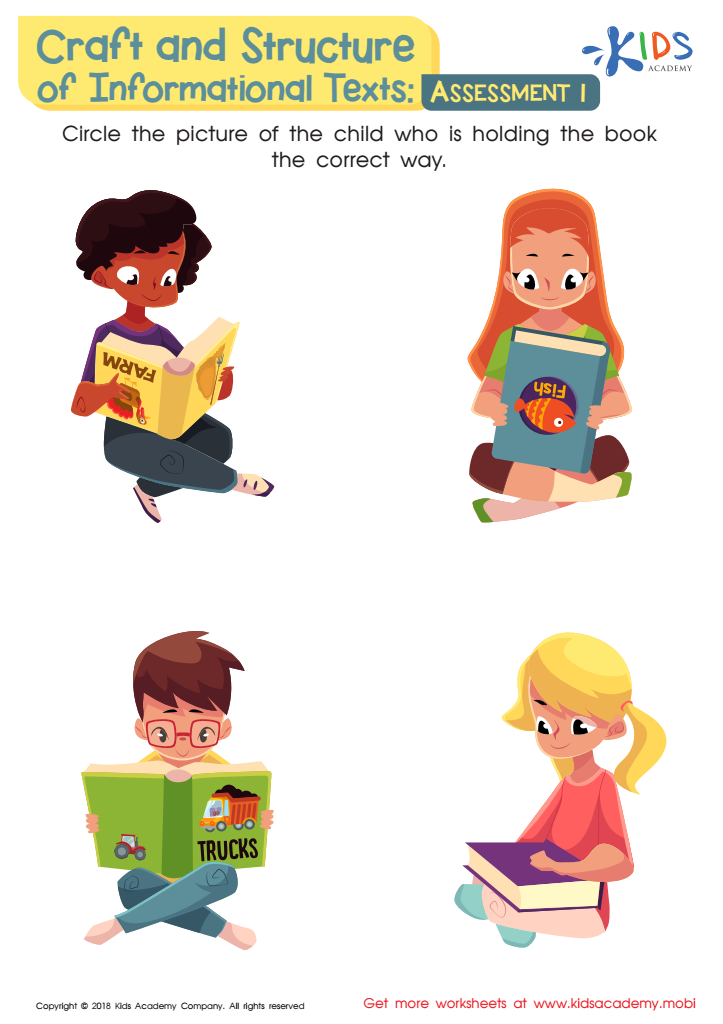
Craft and Structure of Informational Texts: Assessment 1 Worksheet
 Assign to My Students
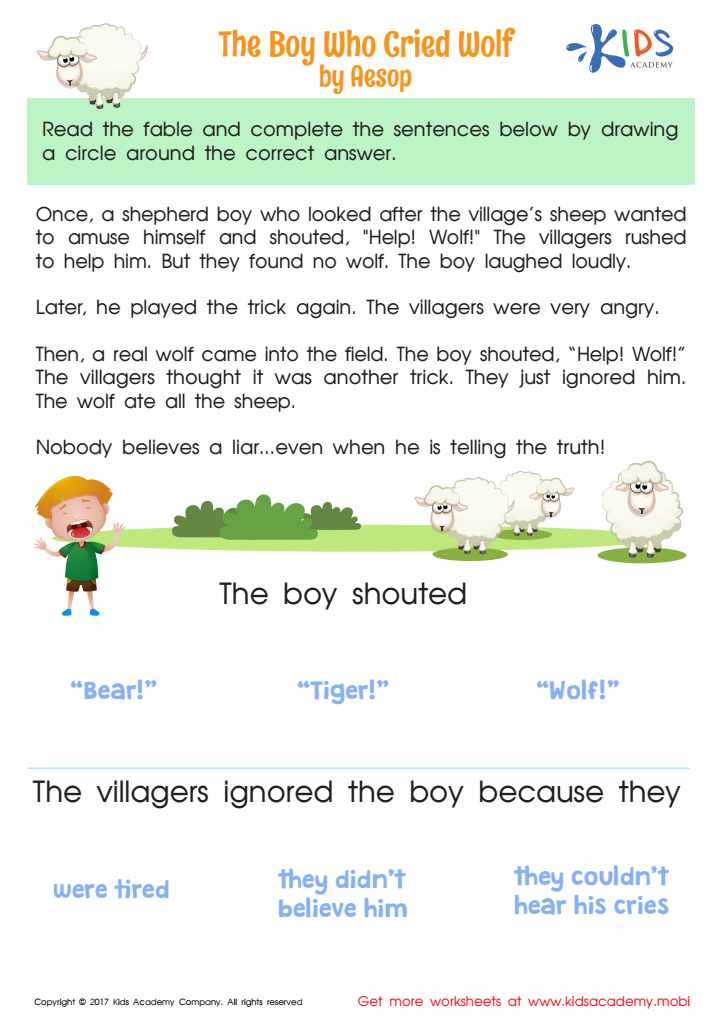
The Boy Who Cried Wolf Worksheet
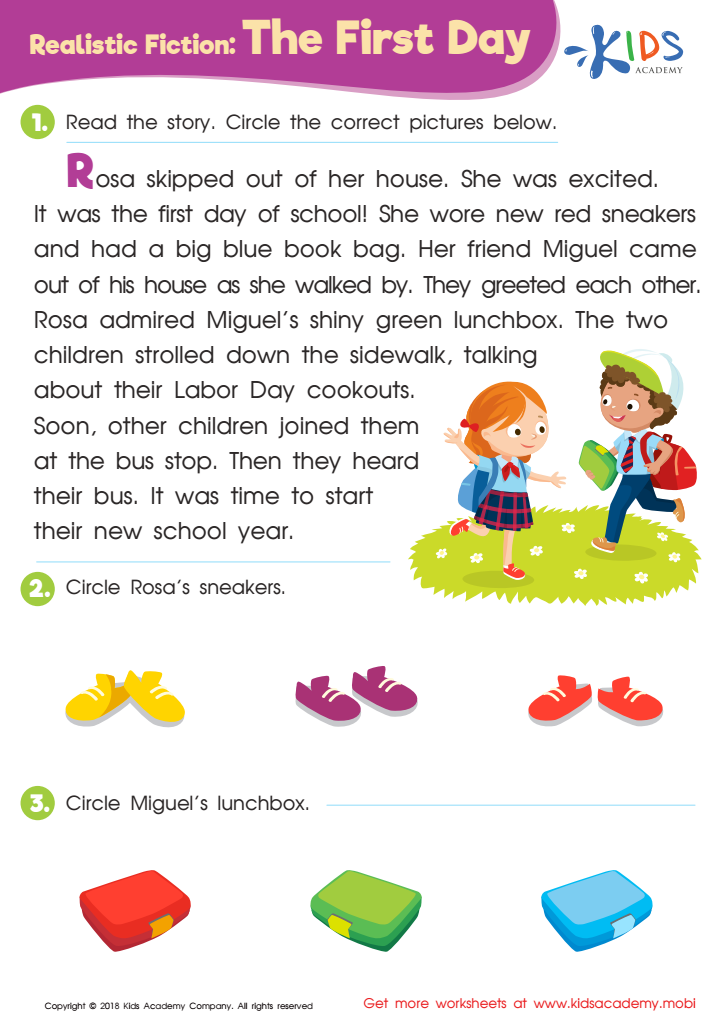
Realistic Fiction: The First Day Worksheet
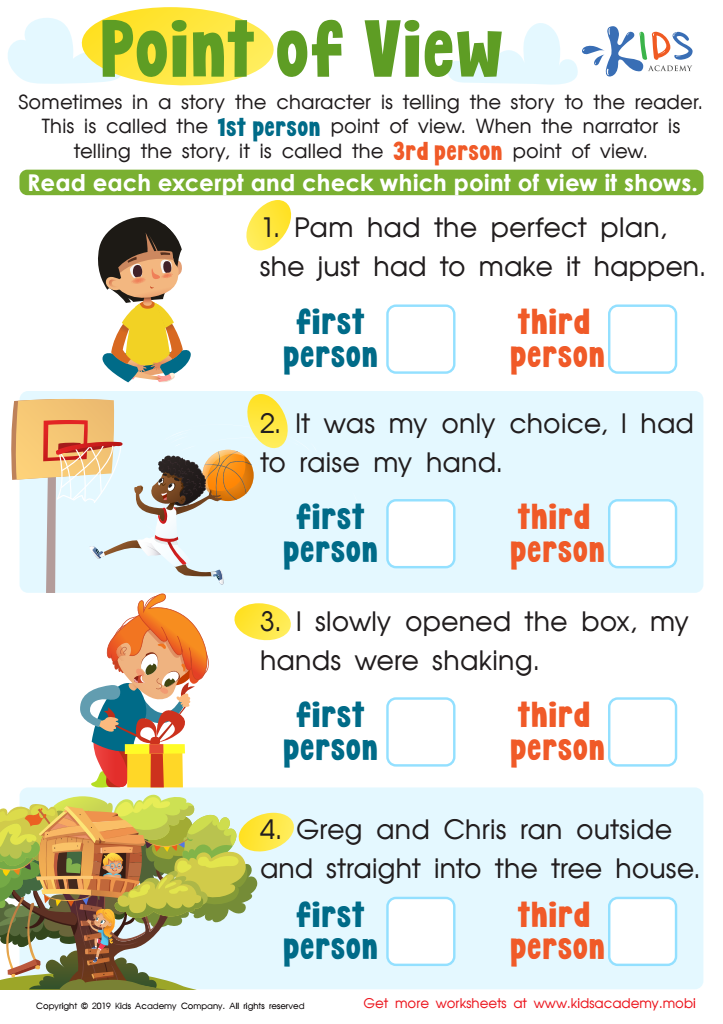
Point of View Printable
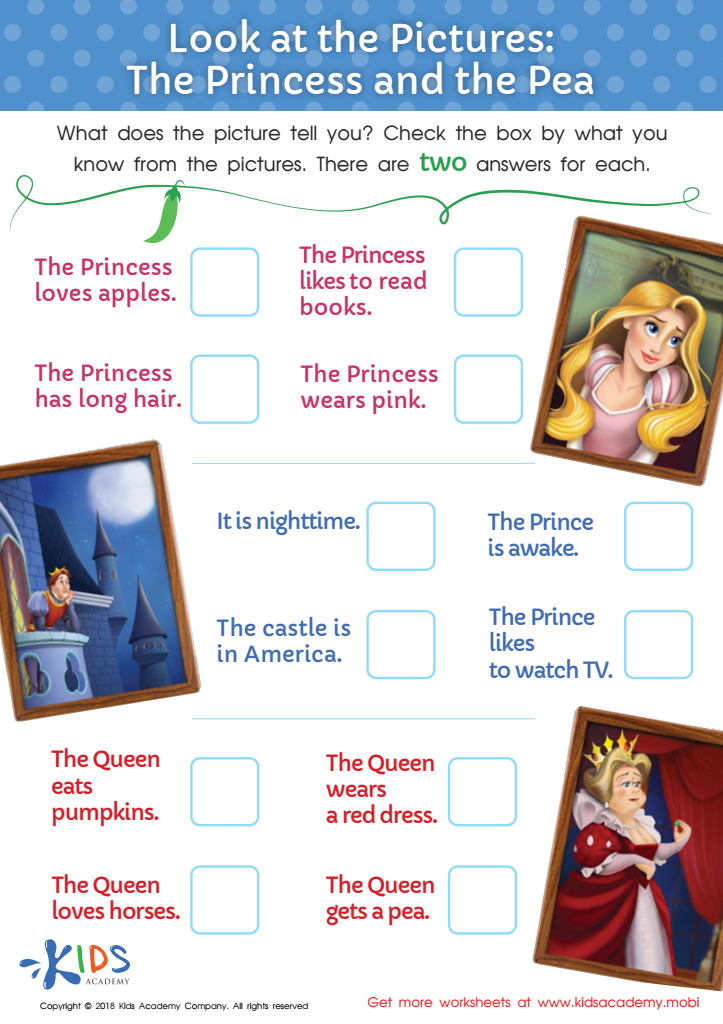
Look at the Pictures: The Princess and the Pea Worksheet
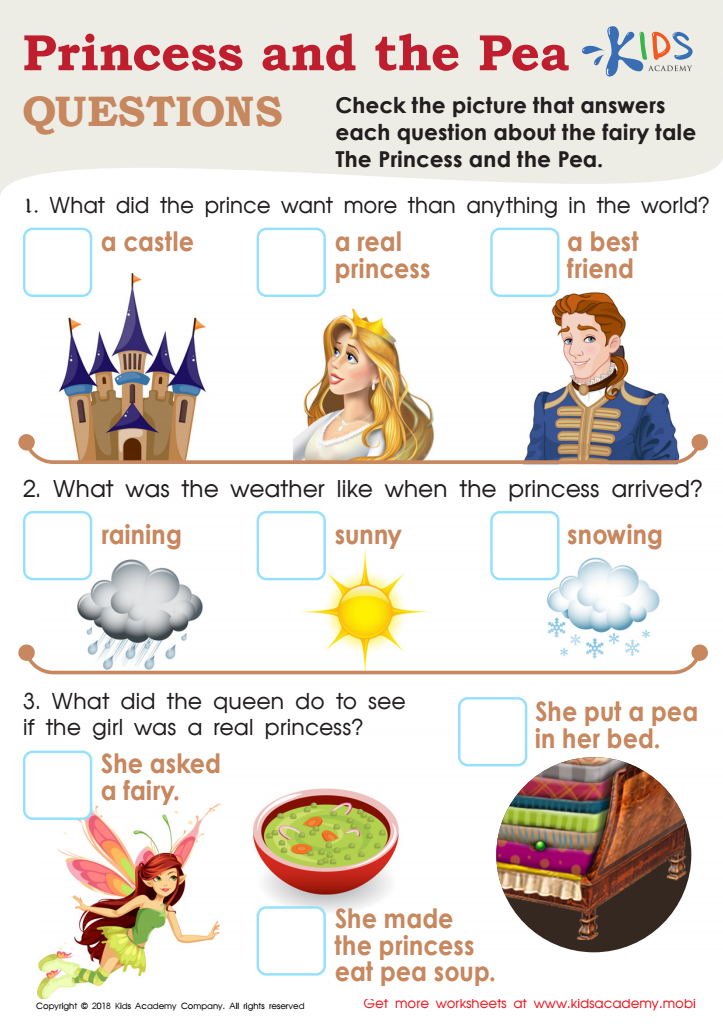
Princess and the Pea Questions Worksheet


.jpg)





Encouraging critical thinking and normal reading of fiction for children aged 4-7 is essential for their overall development. At this young, formative stage, brains are highly malleable, and fostering critical thinking helps build foundational cognitive skills. These skills include analyzing situations, making decisions, and solving problems—abilities that become core competencies in later life.
Normal reading of fiction introduces children to diverse worlds, characters, and experiences, stimulating both their imagination and empathy. It aids in language acquisition, vocabulary expansion, and comprehension skills, offering them a head start in literacy.
Moreover, children's fiction often incorporates moral and ethical dilemmas, presenting opportunities for kids to explore concepts of right and wrong, kindness, and fairness. Parents and teachers who encourage discussion about these stories help children develop emotional intelligence and ethical reasoning, critical components of critical thinking.
Reading also bolsters concentration and the ability to follow complex narratives, which translates to improved attention spans and memory skills in other areas of learning. By instilling these practices early, children become not just better readers, but also more thoughtful, engaged learners. Therefore, parents and teachers play a crucial role in nurturing a child's intellectual curiosity and independent thinking skills through guided, purposeful reading.







