Enhancing observation skills Normal Science Worksheets for Ages 4-7
7 filtered results
-
From - To
Unlock the power of keen observation with our specially designed science worksheets for children aged 4-7. Our "Enhancing Observation Skills" collection focuses on fostering young learners' abilities to notice, analyze, and interpret the world around them. Through engaging activities, kids refine their attention to detail and develop critical thinking. Our worksheets are crafted to be age-appropriate, aligning with early science education standards. Perfect for both classroom and home use, these printables serve as a stepping stone in nurturing a lifelong curiosity for science. Start your child's journey into the wonders of observation today!
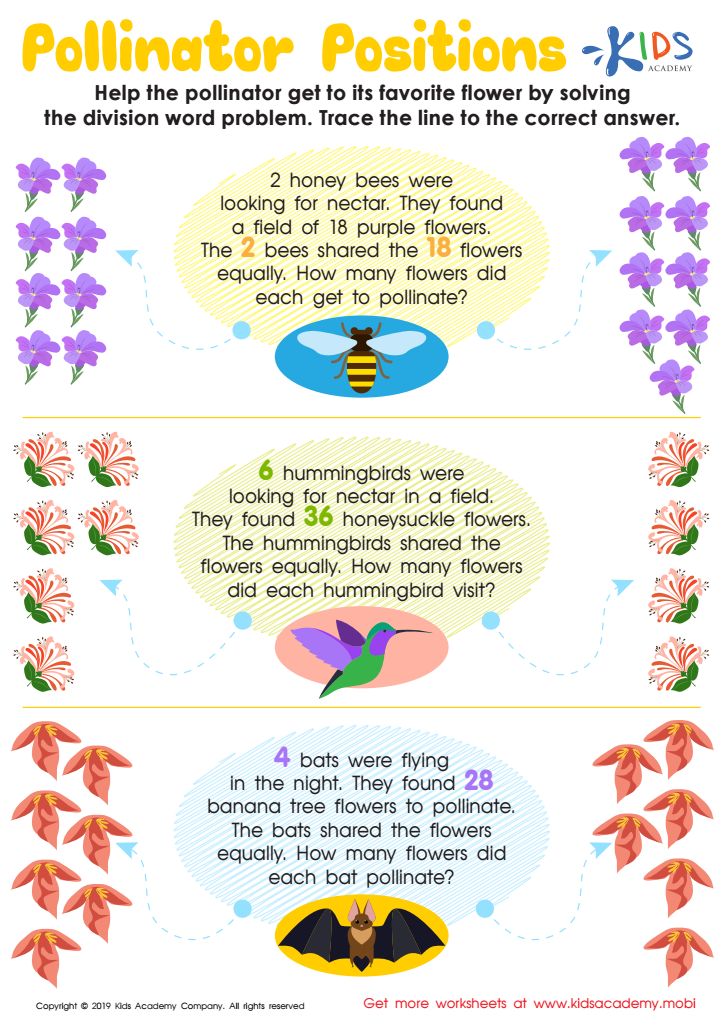
Pollinator Positions Worksheet
 Assign to My Students
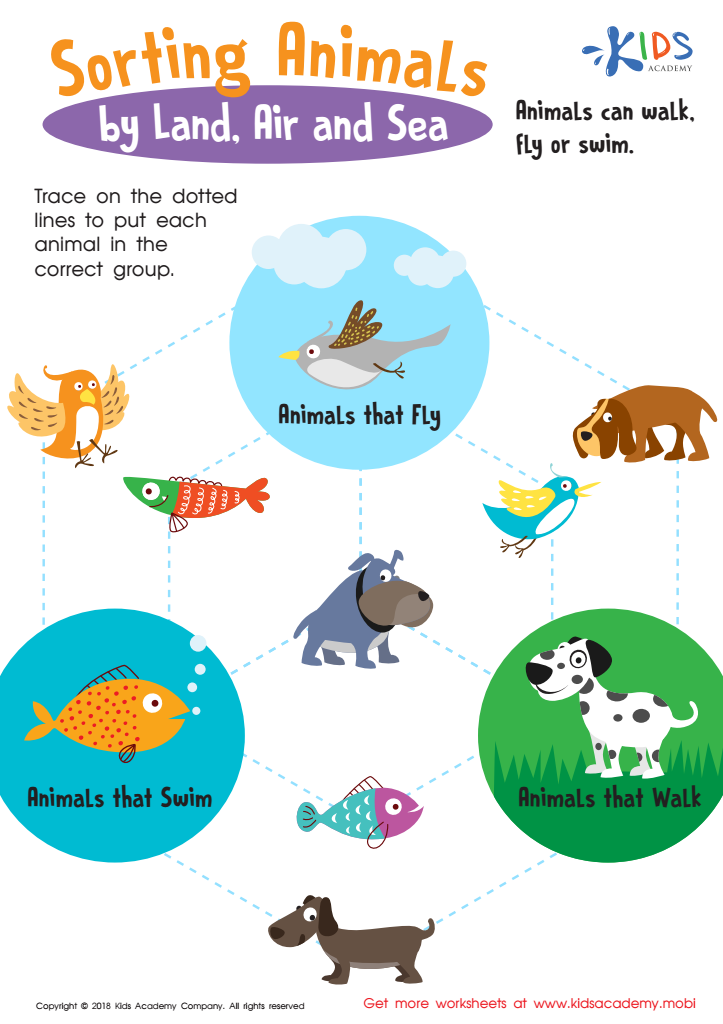
Sorting Animals by Land, Air and Sea Worksheet
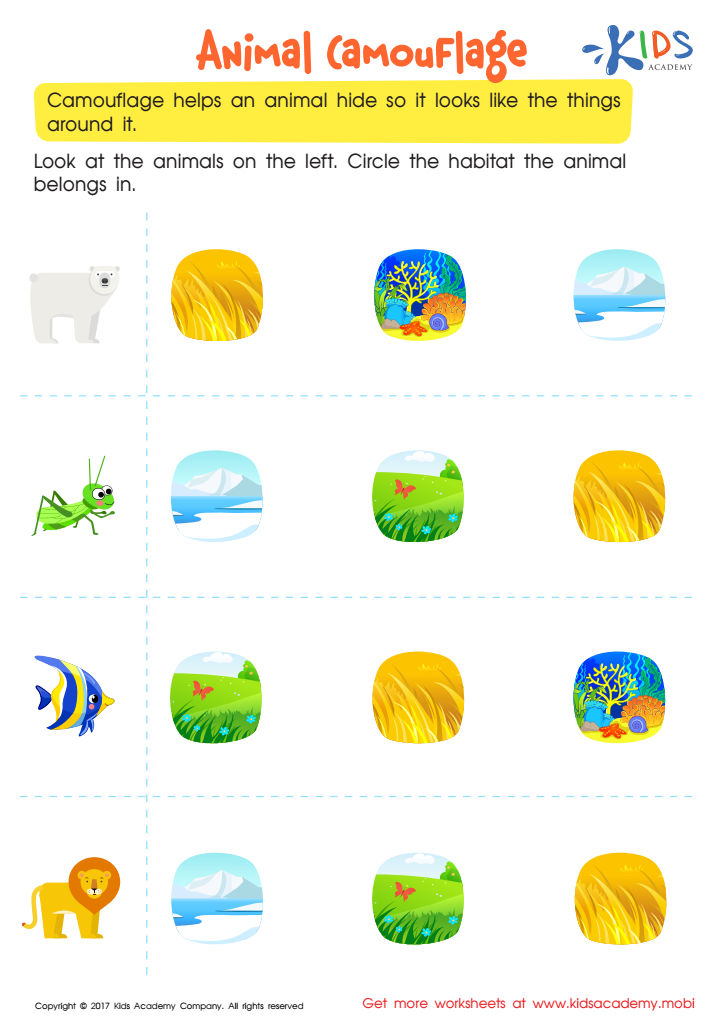
Animal Camouflage Worksheet
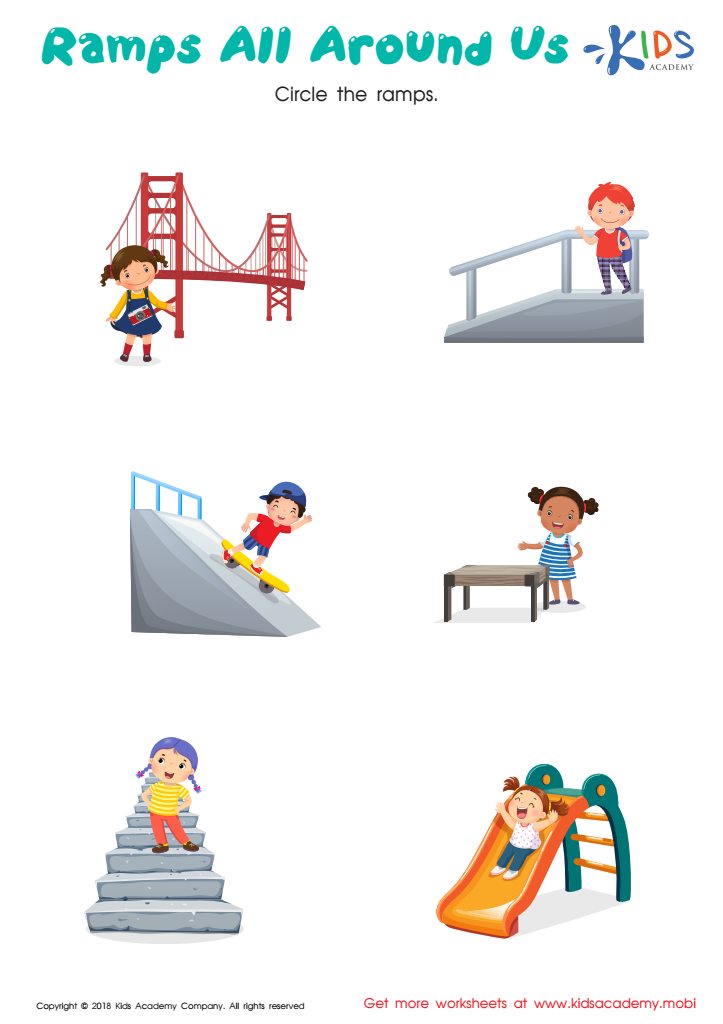
Ramps All Around us Worksheet
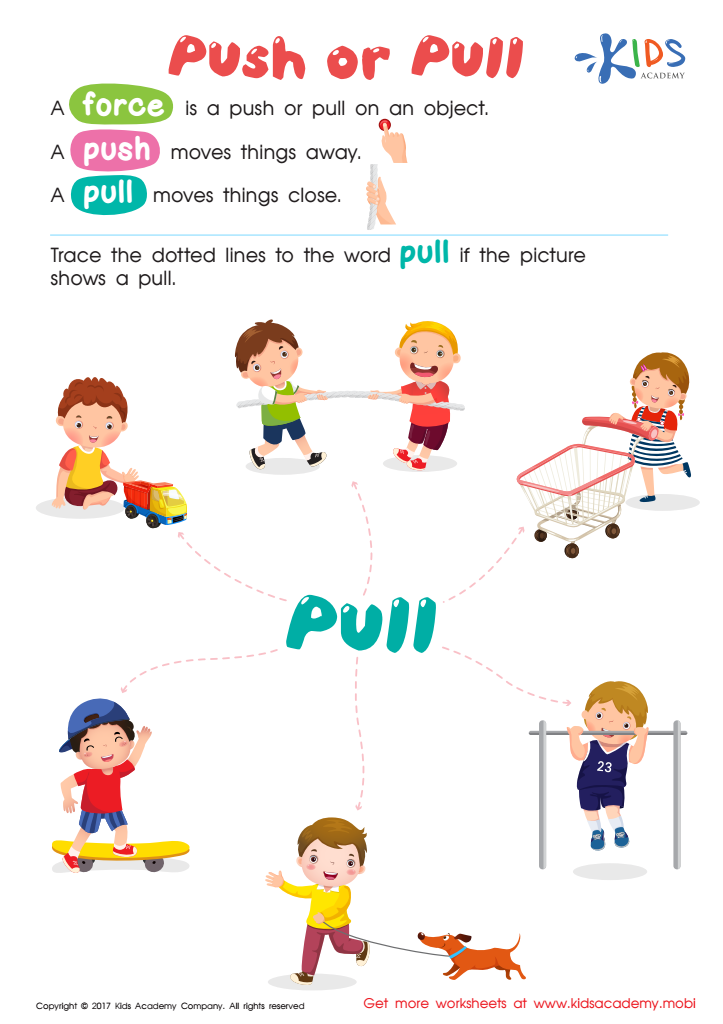
Pull or Push Worksheet
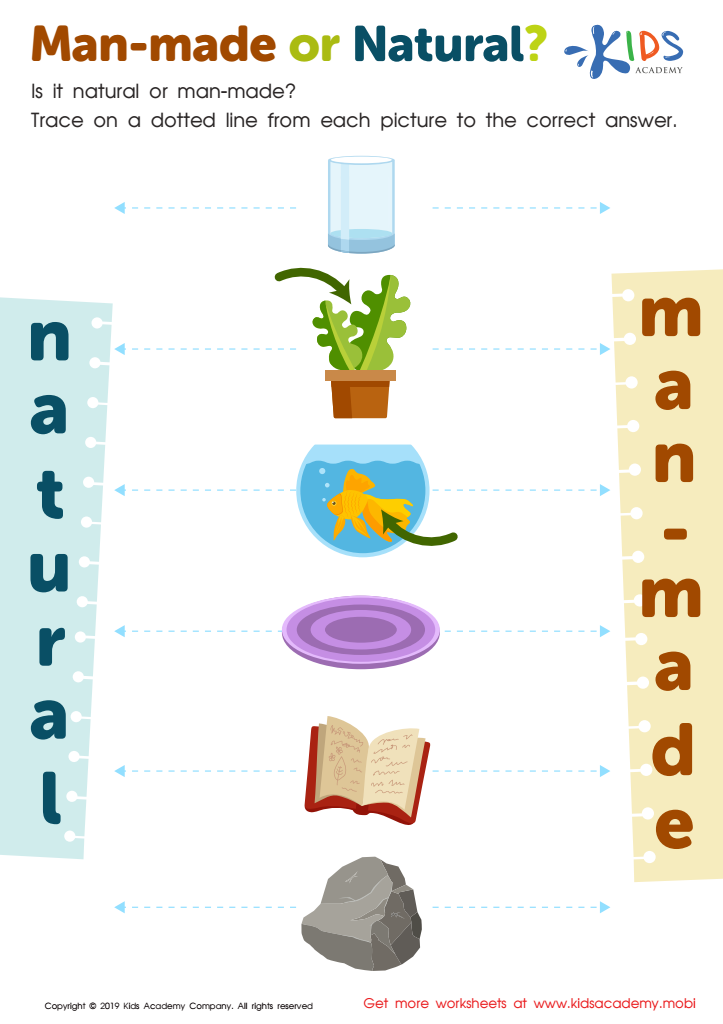
Man-Made or Natural? Worksheet
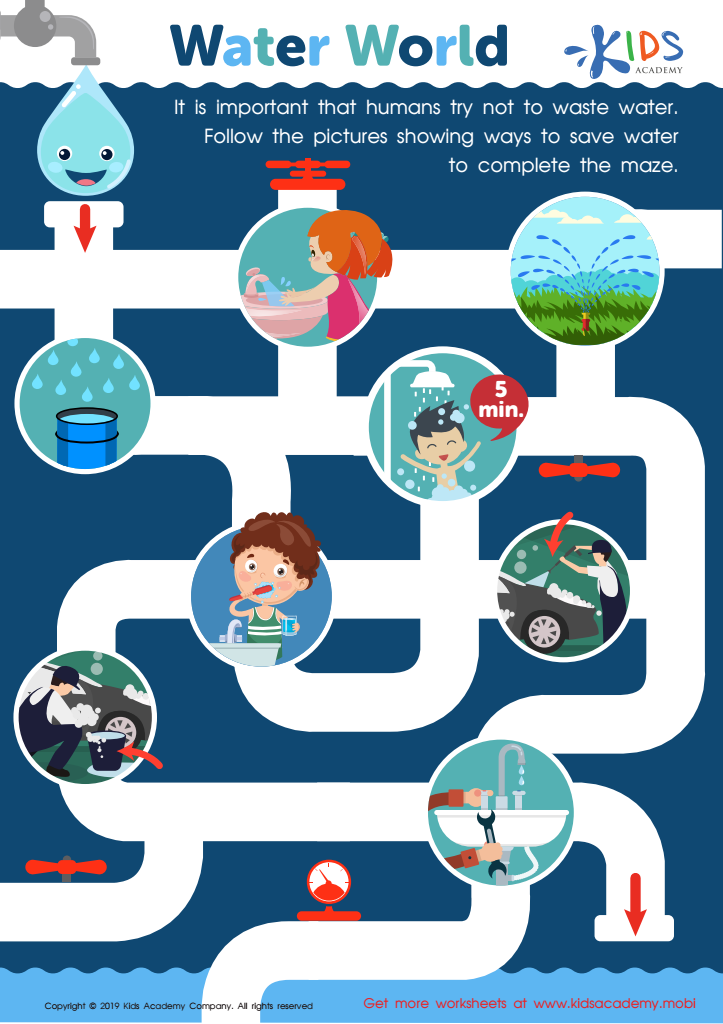
Water World Worksheet



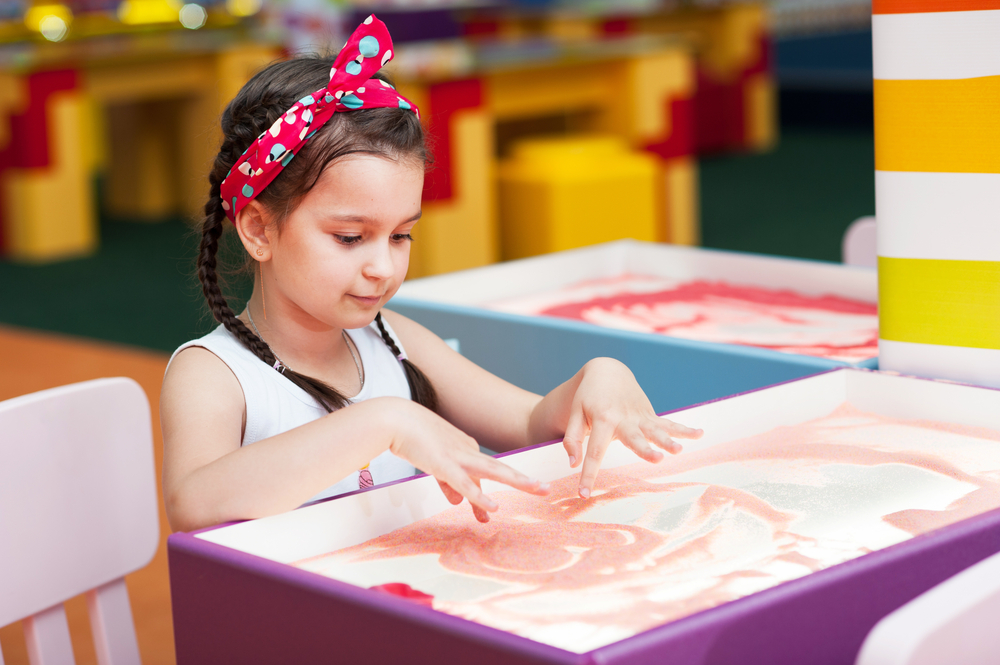


Enhancing observation skills in children aged 4-7 is vital as it forms the foundation of early cognitive development, critical thinking, and learning. For both parents and teachers, fostering these skills can significantly impact a child’s educational journey and overall growth. Observation is the first step in the scientific method and a key science process skill. By encouraging children to carefully observe the world around them, adults help them learn to notice details, ask questions, and develop an curiosity-driven approach to understanding their environment.
When young children enhance their observation skills, they learn to identify patterns, compare and contrast objects, and make accurate predictions. These skills are not only fundamental to scientists but are also essential across all areas of learning and life skills. Improved observation contributes to better reading comprehension, as children notice textual details and context, and it also enhances mathematical abilities as they learn to recognize shapes, patterns, and sequences.
Moreover, good observation skills promote attentive listening and social awareness. Children become more tuned into the cues and emotions of those around them, supporting better interpersonal relationships and empathy. By reinforcing these skills, parents and teachers prepare children for a lifetime of effective learning, problem-solving, and thoughtful interaction with the world around them.







