Improving reading comprehension Normal Science Worksheets for Ages 4-7
3 filtered results
-
From - To
Enhance your child's reading comprehension with our Normal Science Worksheets designed specifically for ages 4-7! These engaging and interactive worksheets focus on improving understanding of scientific concepts through fun activities. Your little learners will explore various topics while practicing essential reading skills, including vocabulary, critical thinking, and text analysis. Our worksheets are tailored to excite young minds, making learning not only educational but also enjoyable. By integrating science with reading comprehension strategies, children can develop a lifelong love for both subjects. Unlock their potential today and watch them thrive as confident readers and curious scientists! Explore our collection now!
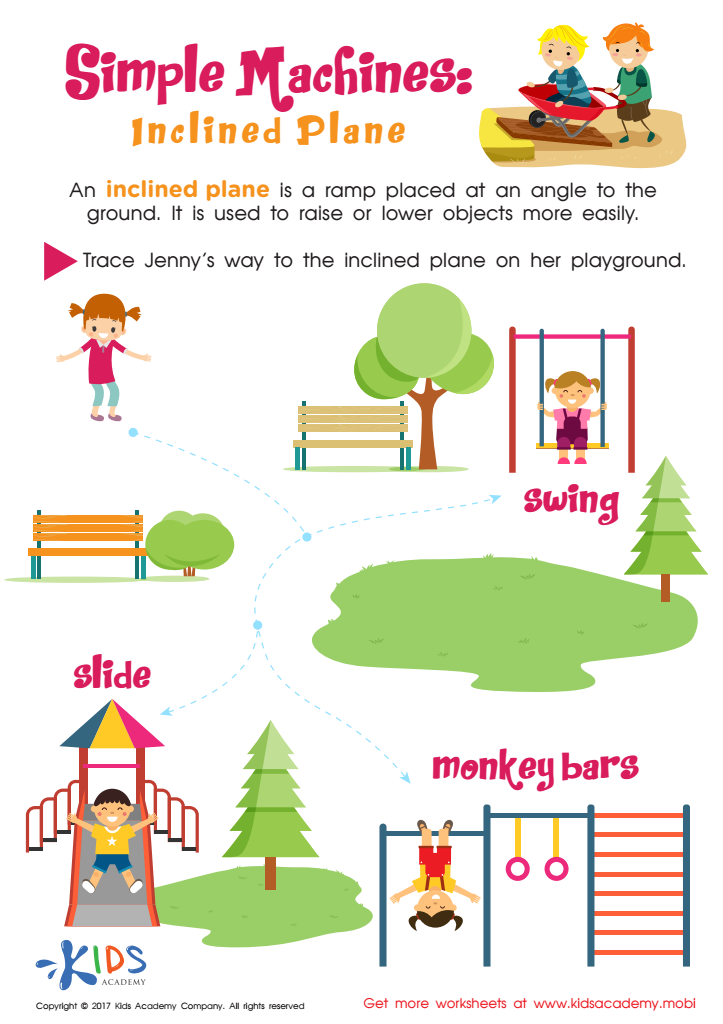
Simple Machines Inclined Plane Worksheet
 Assign to My Students
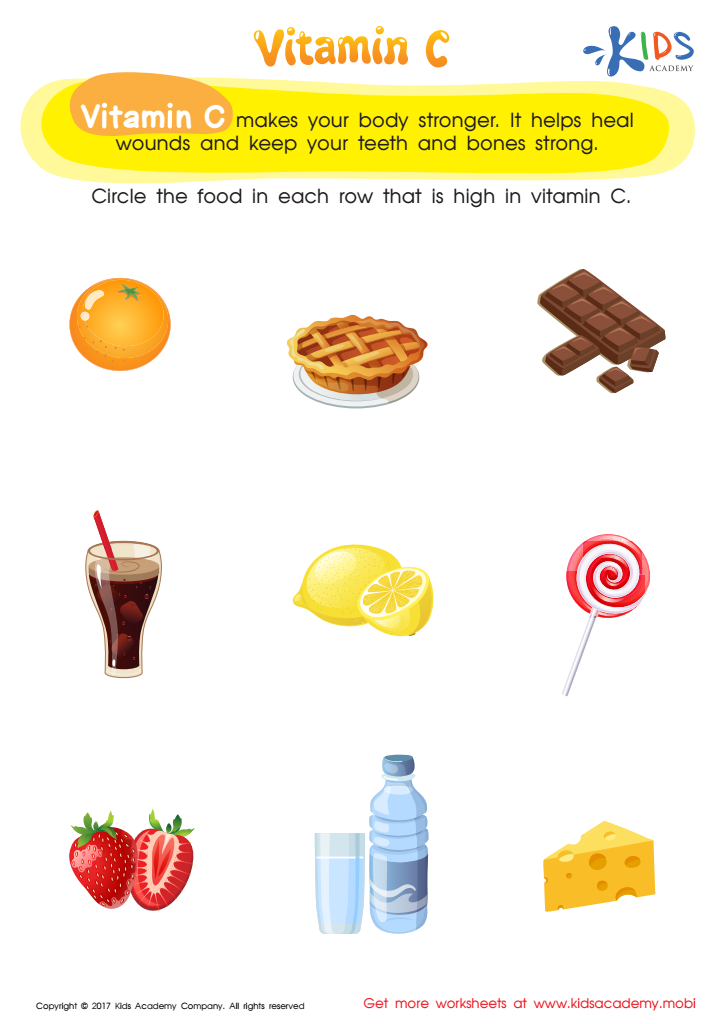
Vitamin C Worksheet
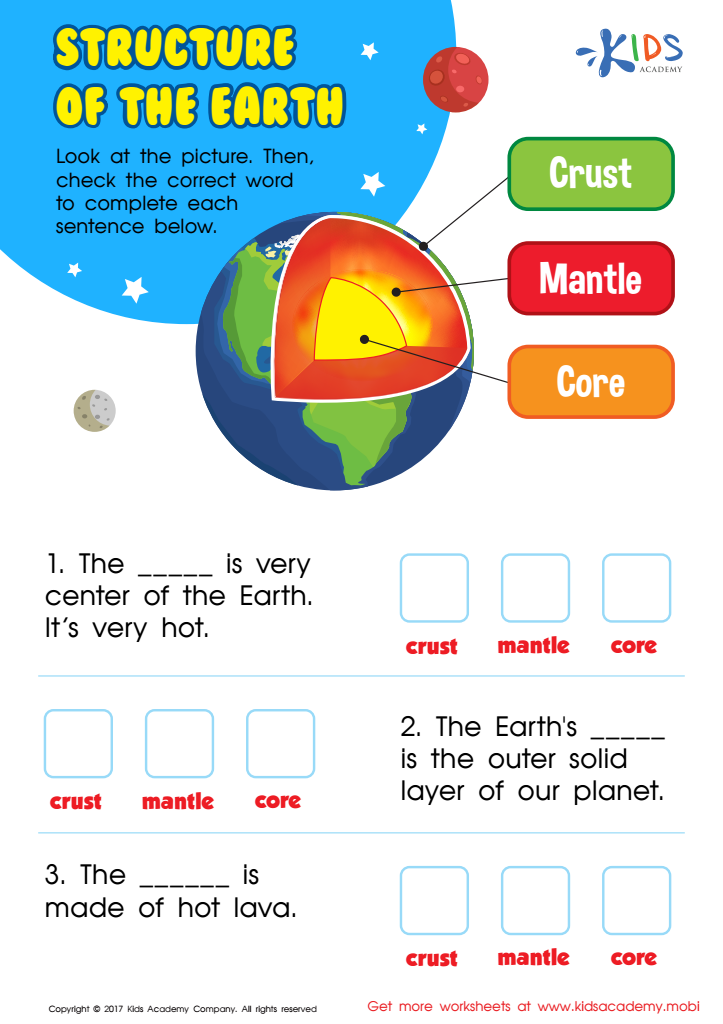
Structure of the Earth Worksheet








Improving reading comprehension in young learners aged 4-7 is crucial for their academic and personal development. At this age, children's cognitive abilities are rapidly evolving, and establishing a strong foundation in reading can enhance their overall learning experience.
First, reading comprehension helps children make sense of the world around them. By understanding stories, they can connect with different perspectives, enhance their critical thinking skills, and build empathy. Furthermore, strong comprehension skills are essential for all subjects; children with solid reading abilities perform better in science, math, and social studies, reinforcing their learning across disciplines.
Parents and teachers play a vital role in fostering these skills. Engaging children in discussions about what they read can stimulate their curiosity and questions, making reading an interactive and enjoyable experience. Additionally, incorporating diverse reading materials introduces children to various cultures, ideas, and experiences, enriching their understanding of society.
Moreover, a literate child is more likely to develop confidence in their academic abilities, laying the groundwork for lifelong learning. Recognizing the importance of early reading comprehension will not only benefit individual children but also contribute to the creation of informed and knowledgeable communities. Thus, prioritizing this skill is imperative for holistic childhood education.







