Understanding ecosystems Normal Plants and Animals Worksheets for Ages 4-7
4 filtered results
-
From - To
Unlock the wonders of nature for young minds with our "Understanding Ecosystems: Normal Plants and Animals Worksheets" designed for ages 4-7. Our engaging and educational activities introduce children to the fascinating relationships between plants, animals, and their environments. Through age-appropriate worksheets, kids explore diverse ecosystems, enhance their observational skills, and develop a foundational understanding of how nature thrives. Perfect for early-grade students, these dynamic resources foster curiosity and inspire a love for science. Help children discover the beauty of our natural world today! Accessible, fun, and educational – these worksheets are a vital addition to your child’s learning journey.
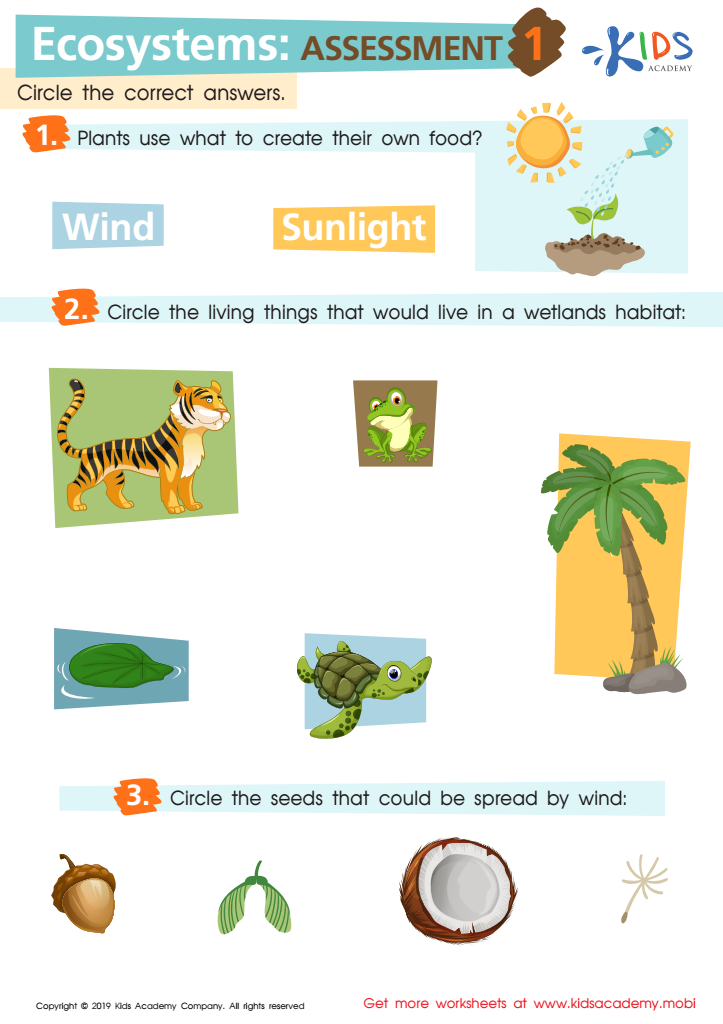
Ecosystems: Assessment 1 Worksheet
 Assign to My Students











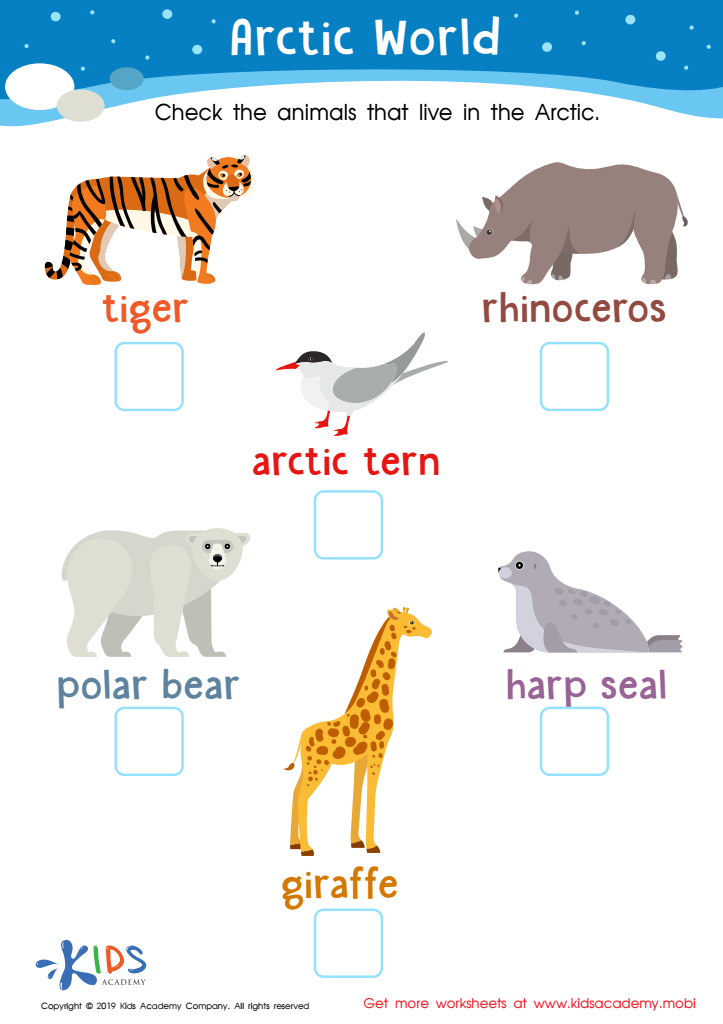
Arctic World Worksheet
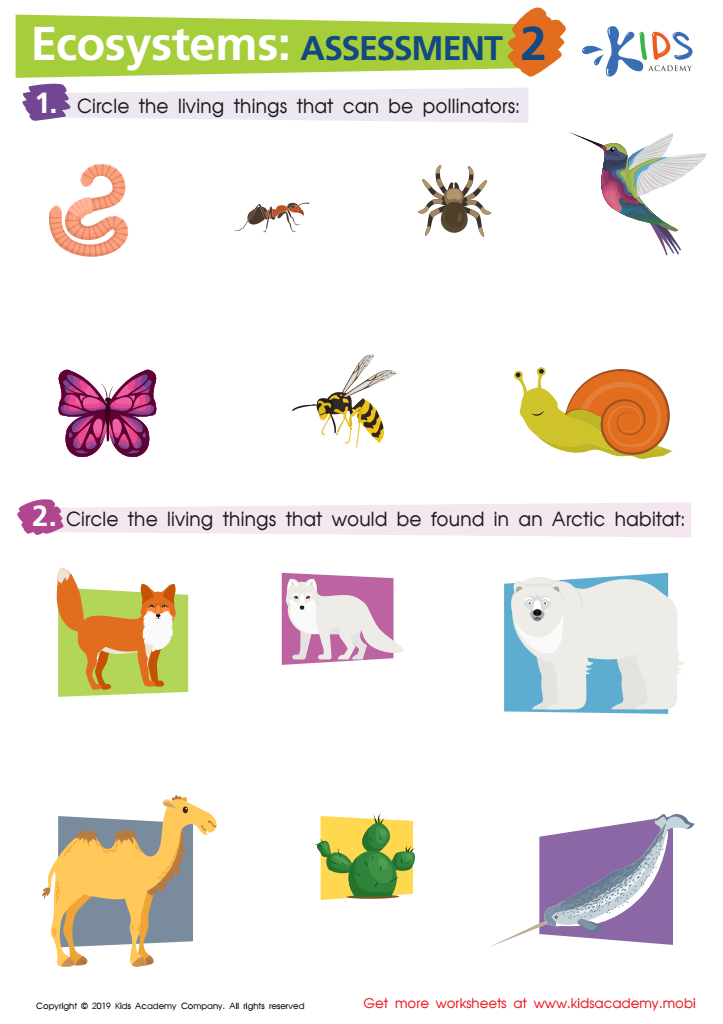
Ecosystems: Assessment 2 Worksheet
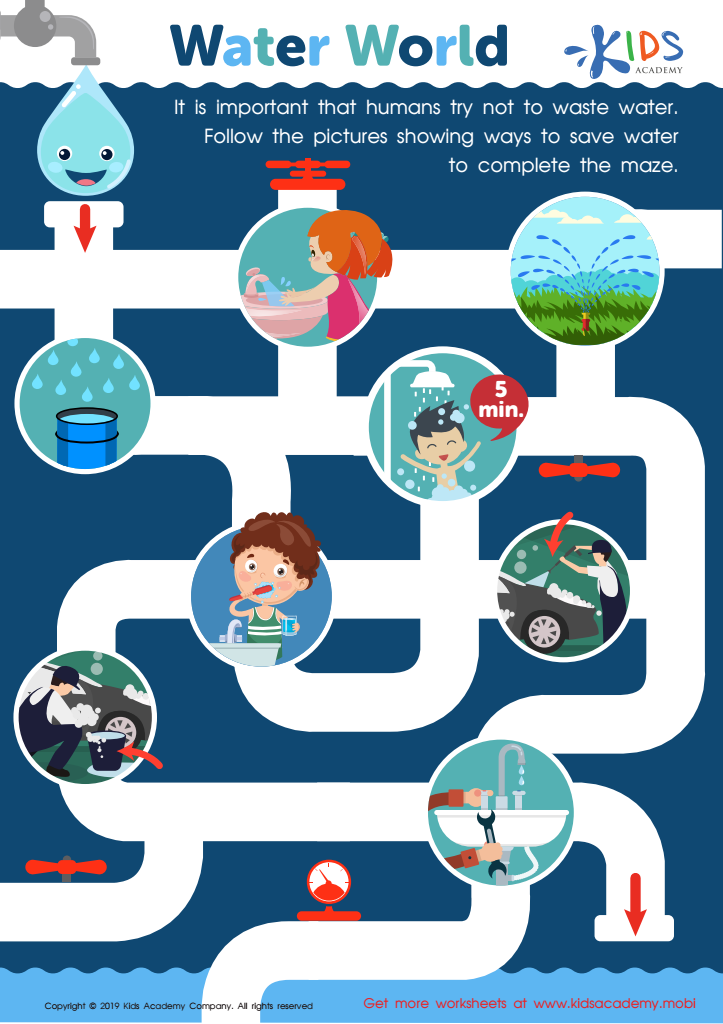
Water World Worksheet







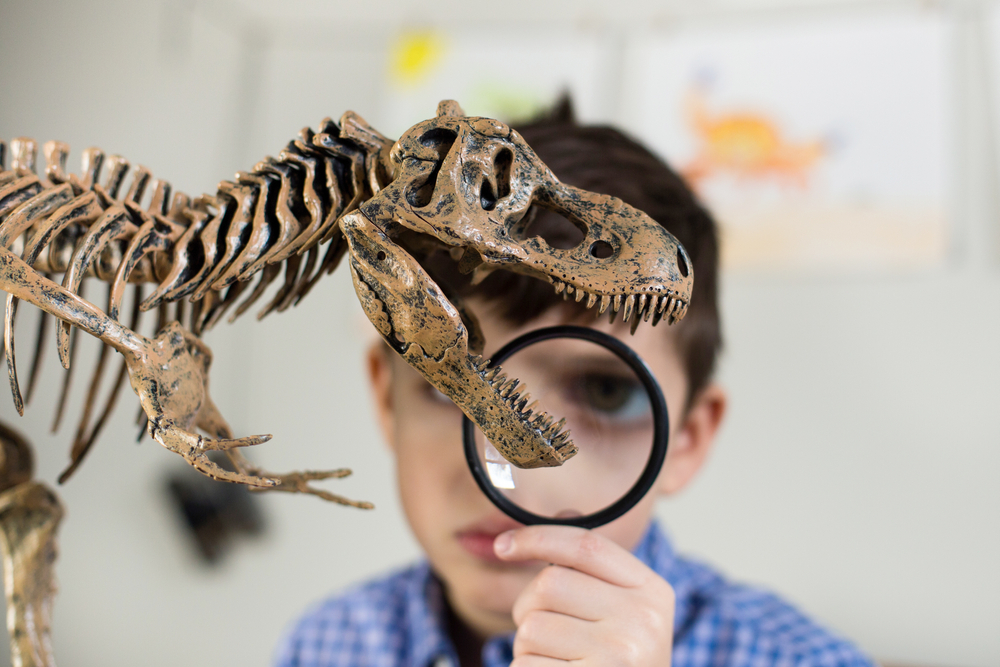
Understanding ecosystems, normal plants, and animals is crucial for children aged 4-7, as it fosters an early appreciation for nature and instills foundational knowledge about the world around them. For parents and teachers, nurturing this understanding has several key benefits.
Firstly, it promotes environmental awareness and responsibility. When young children learn about the different plants, animals, and how they interact within ecosystems, they are more likely to grow up caring about the environment and engaging in sustainable practices. This awareness is vital in an age where environmental issues are paramount.
Secondly, learning about ecosystems enhances curiosity and scientific thinking. Kids are natural explorers. Introducing them to plant and animal life within various ecosystems caters to their innate curiosity and teaches them to observe, ask questions, and understand life sciences in simple yet profound ways. This can spark a lifelong interest in science and learning.
Additionally, knowledge of ecosystems supports cognitive and social development. Discussing plants, animals, and their habitats aids vocabulary building, improves attention spans, and sharpens categorization and reasoning skills. It also encourages empathy as children learn that other creatures are integral to a larger web of life.
In summary, teaching children about ecosystems, plants, and animals equips them with essential knowledge, cultivates a sense of stewardship for the planet, and supports their overall development as inquisitive, thoughtful individuals.







