Normal Grammar Worksheets for Ages 4-7 - Page 4
90 filtered results
-
From - To
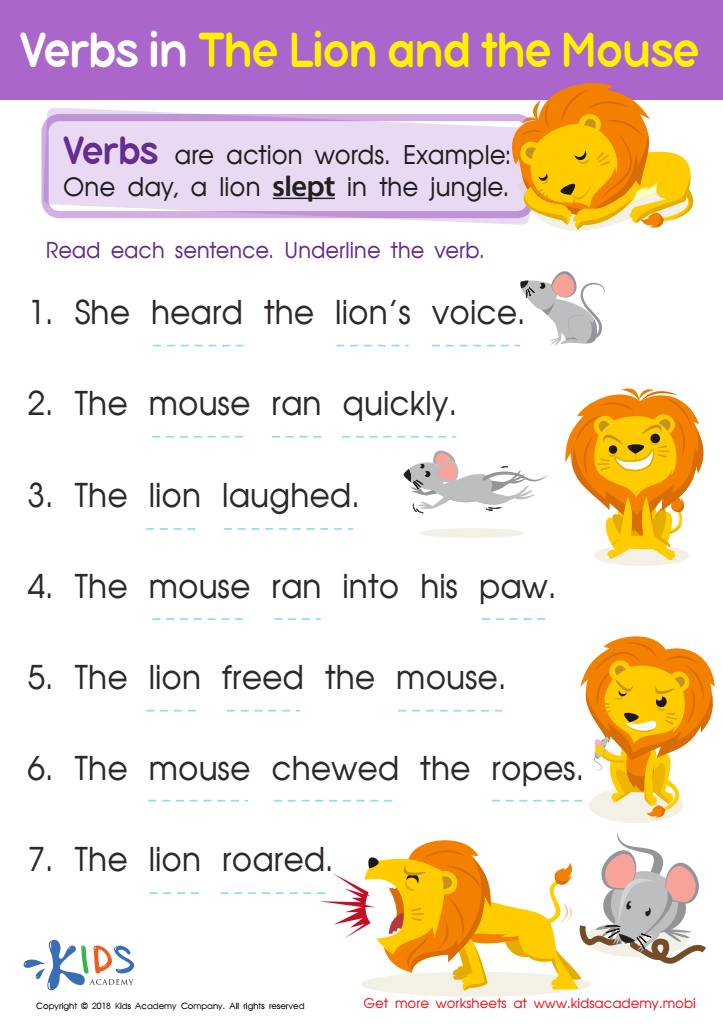
Verbs in The Lion and the Mouse Worksheet
 Assign to My Students
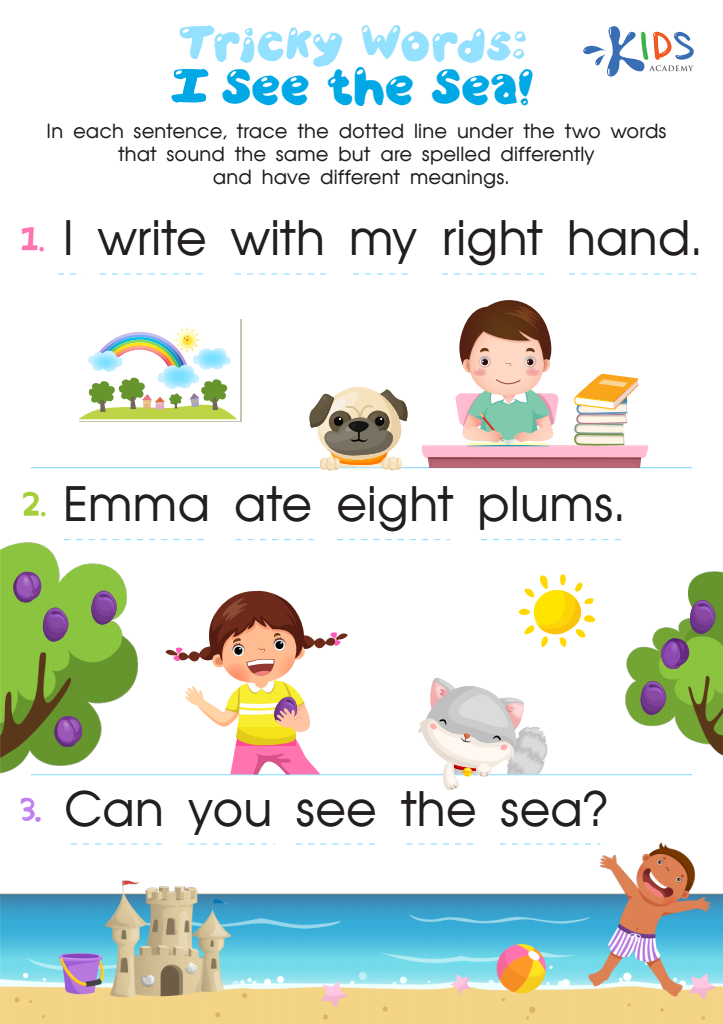
Tricky Words Worksheet
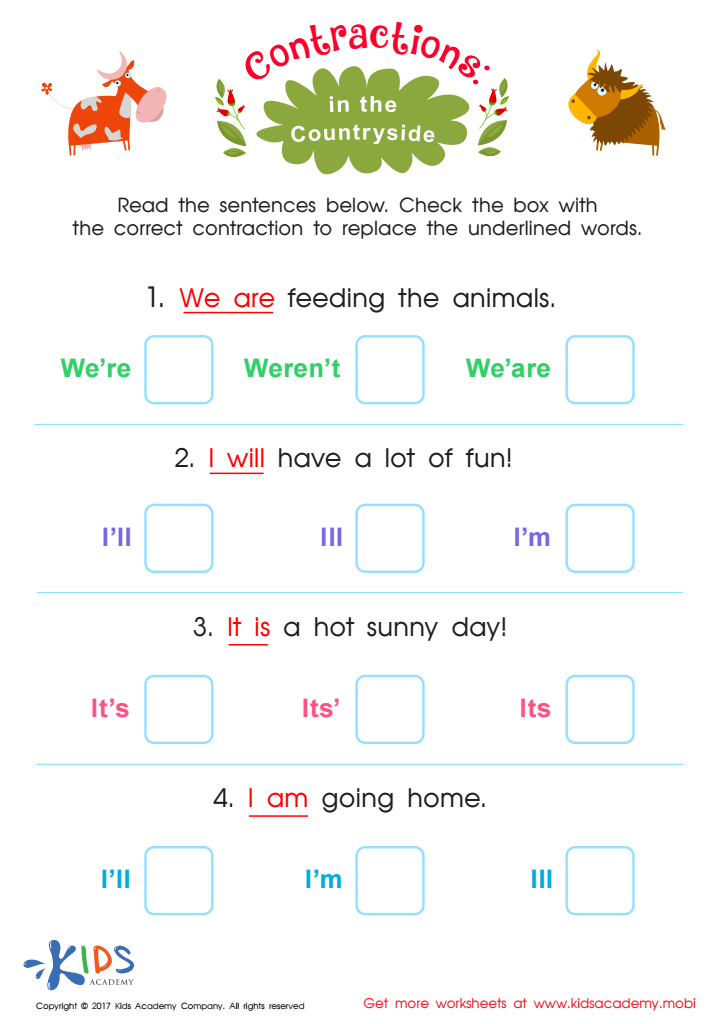
Contractions: In the Countryside Worksheet
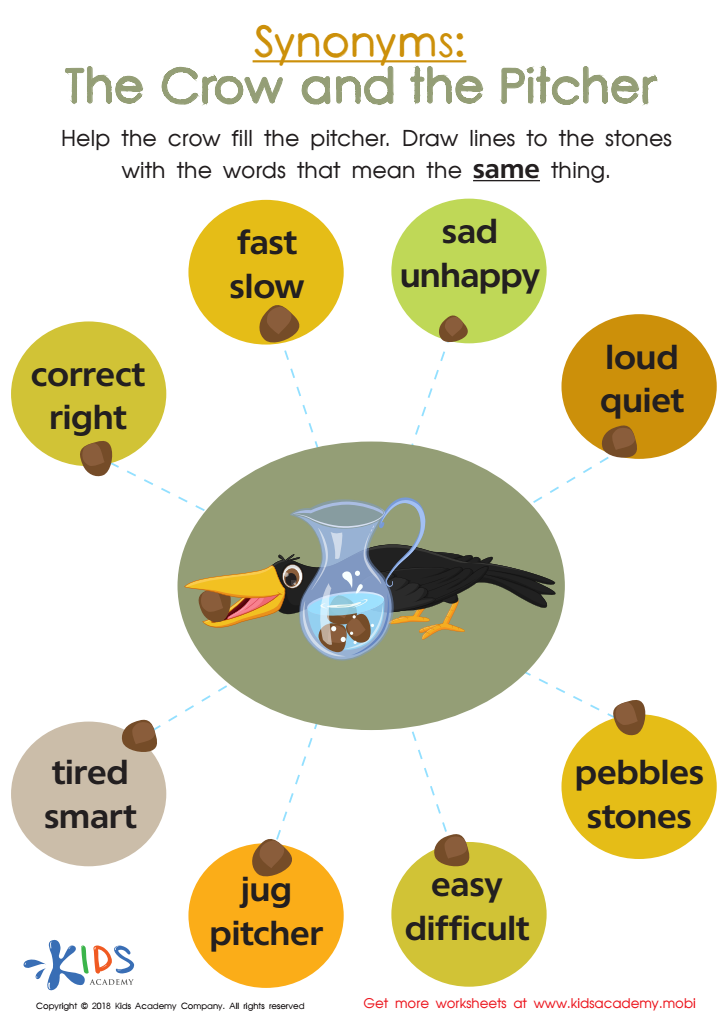
The Crow and the Pitcher Synonyms Worksheet
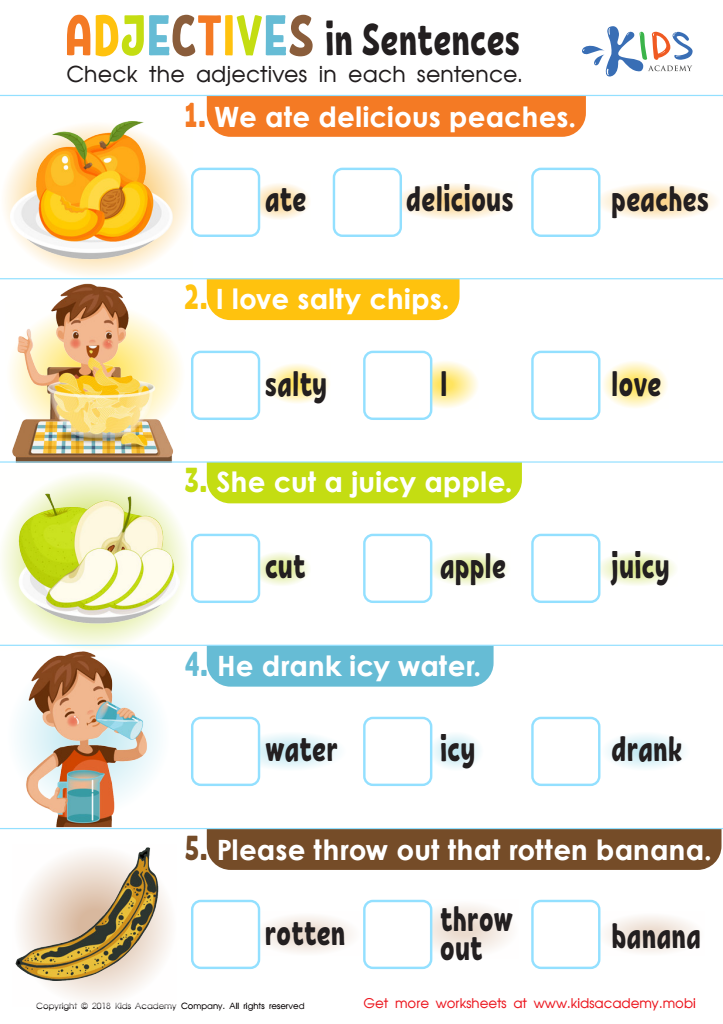
Adjectives in Sentences Worksheet
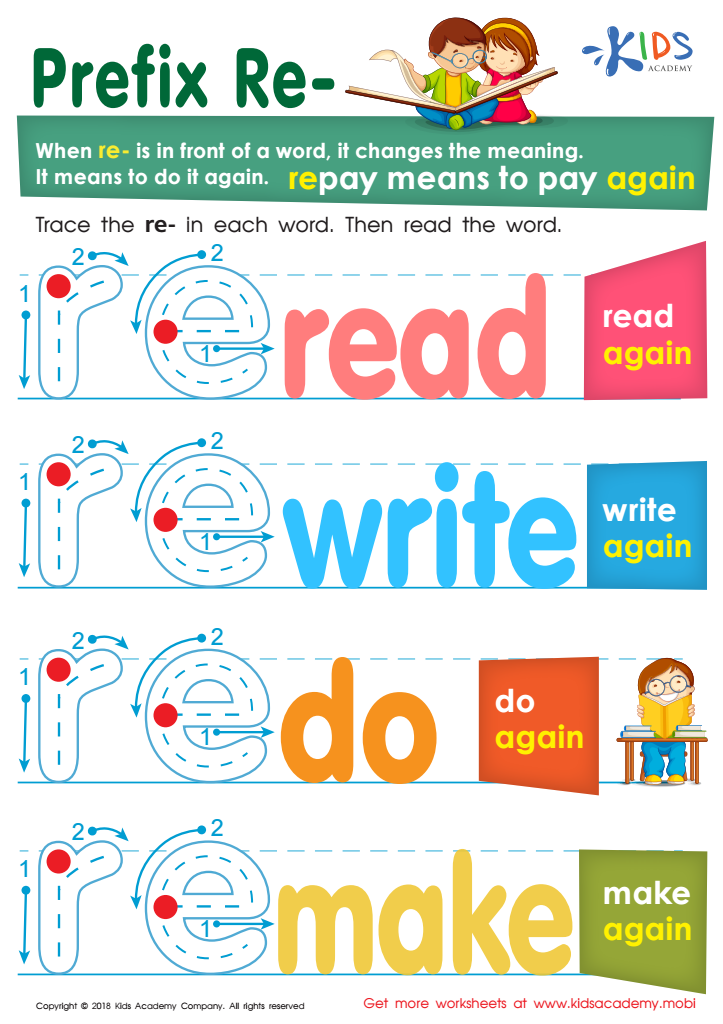
Prefix Re- Worksheet
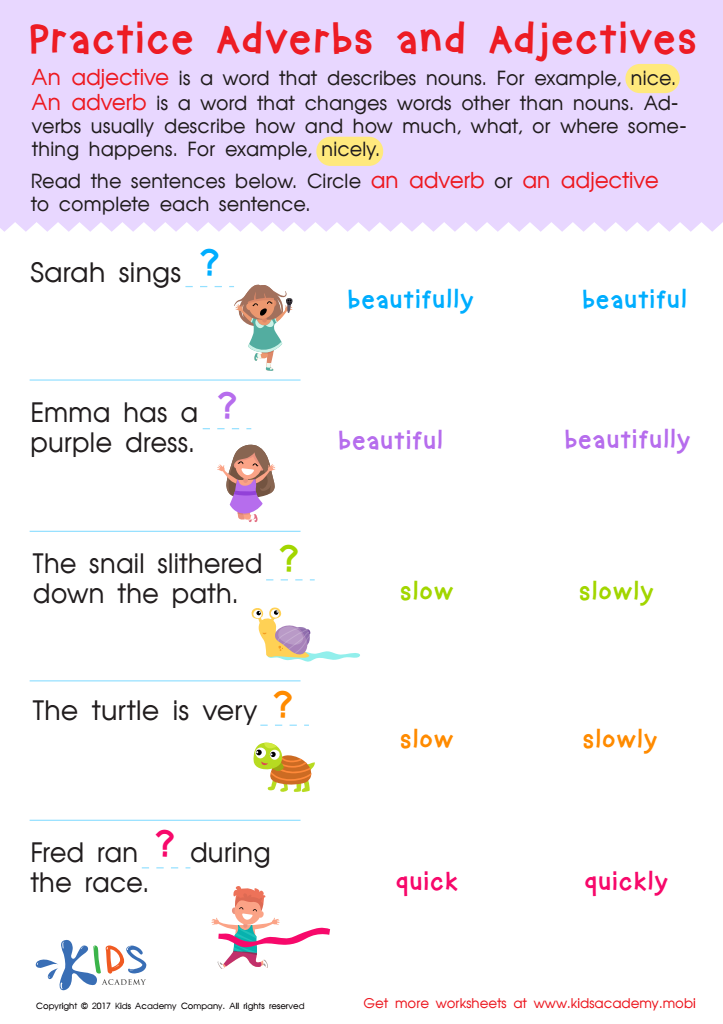
Adverbs and Adjectives Worksheet
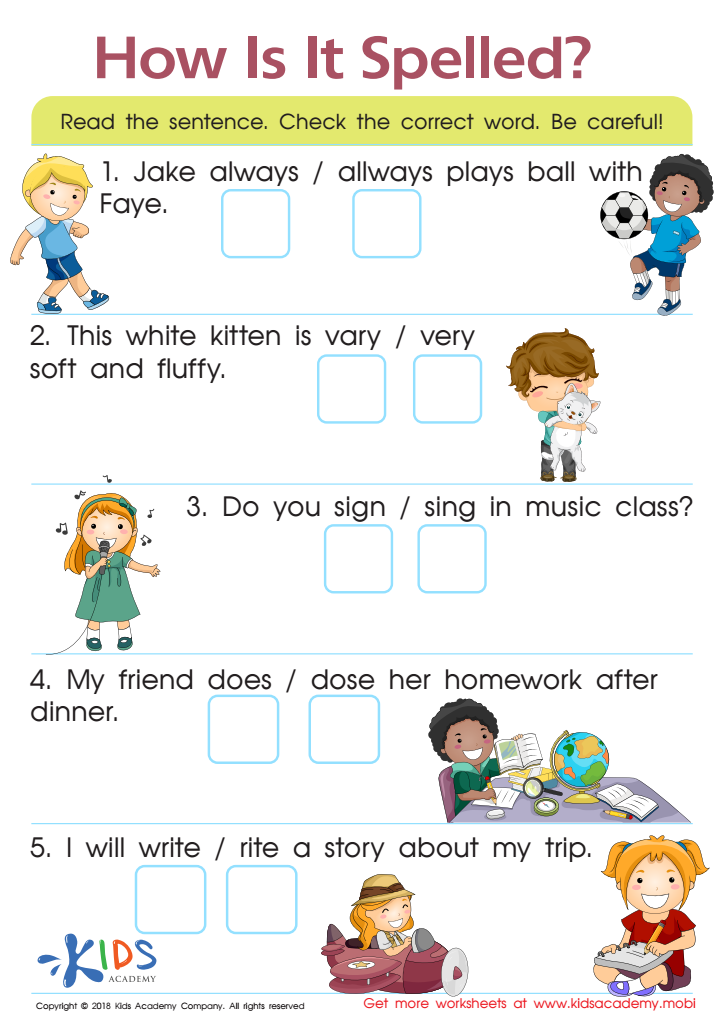
How is it spelled? Worksheet
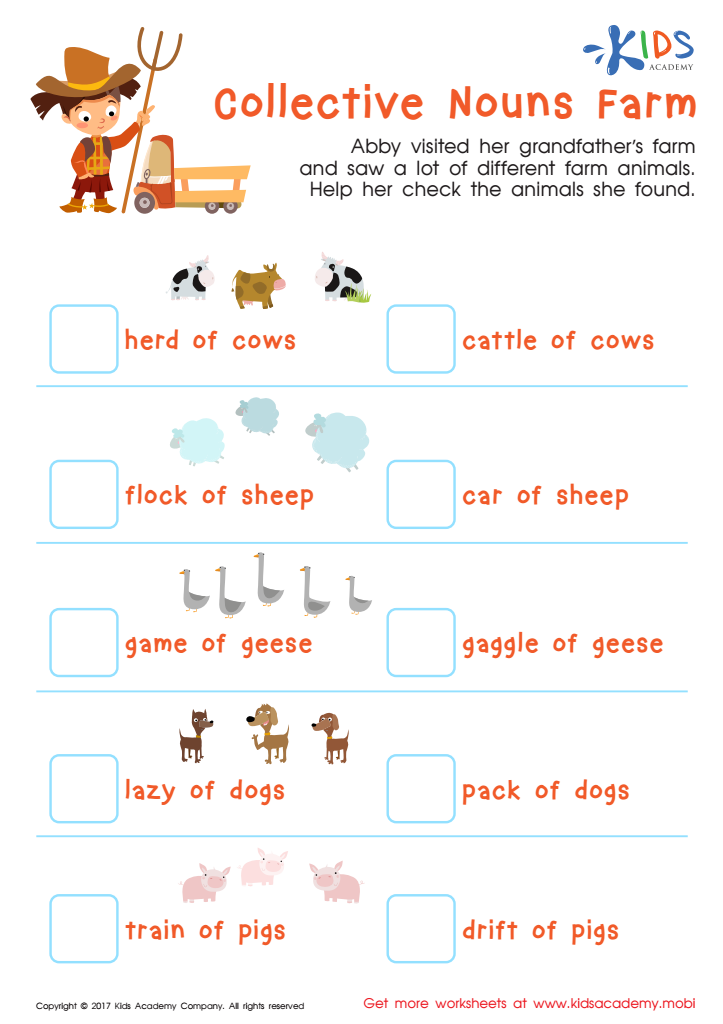
Collective Nouns Worksheet
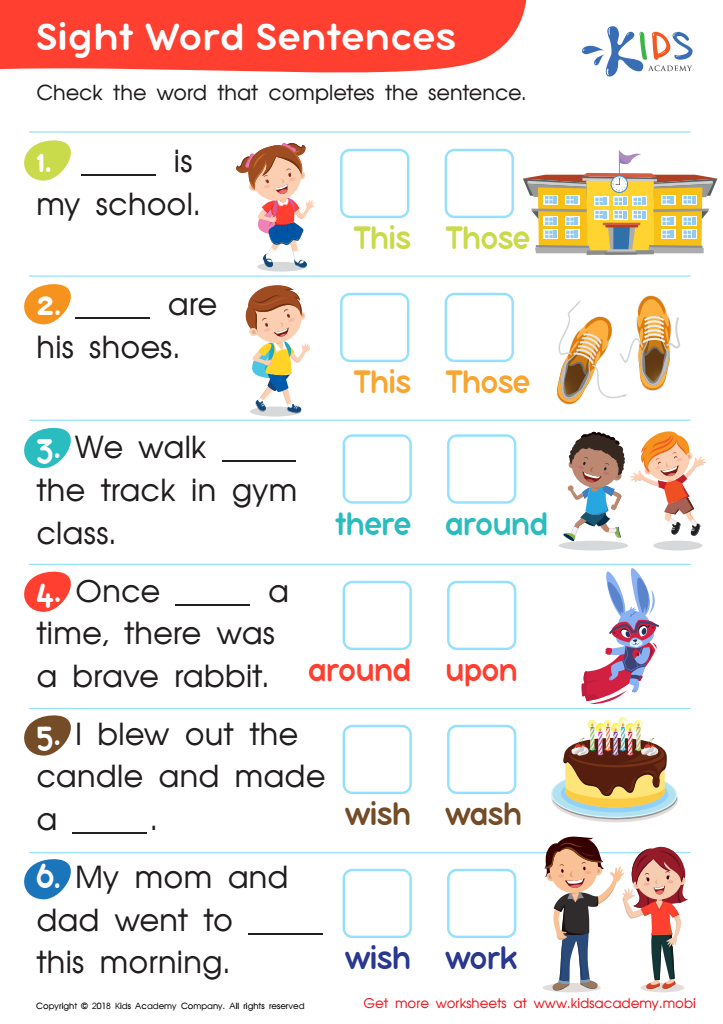
Sight Word Sentences Worksheet
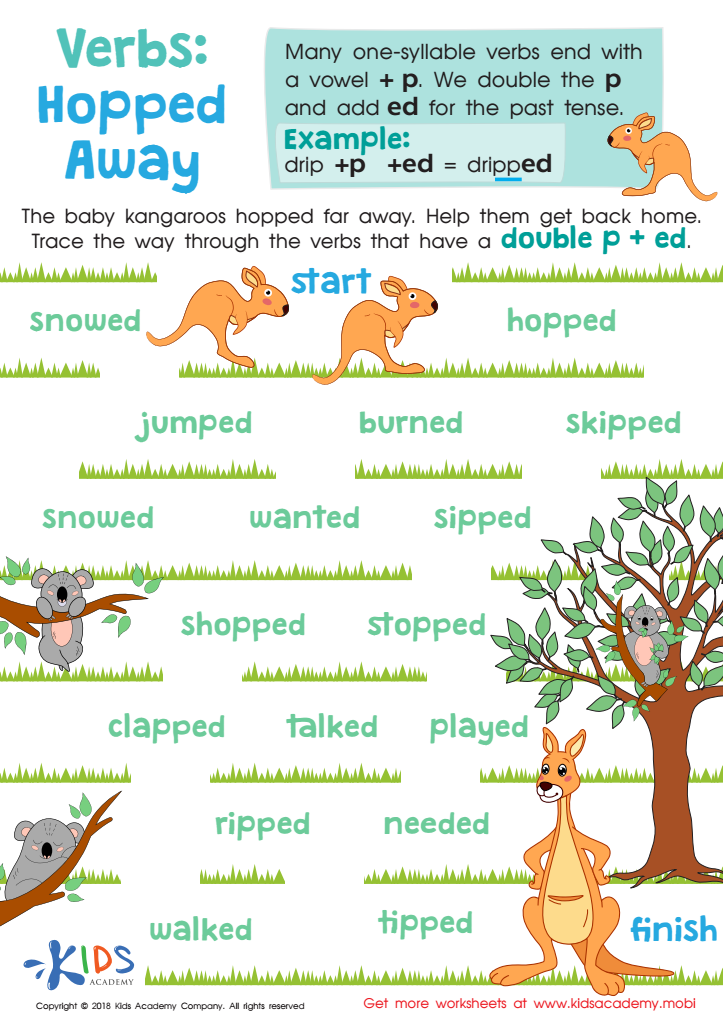
Verbs: Hopped Away Worksheet
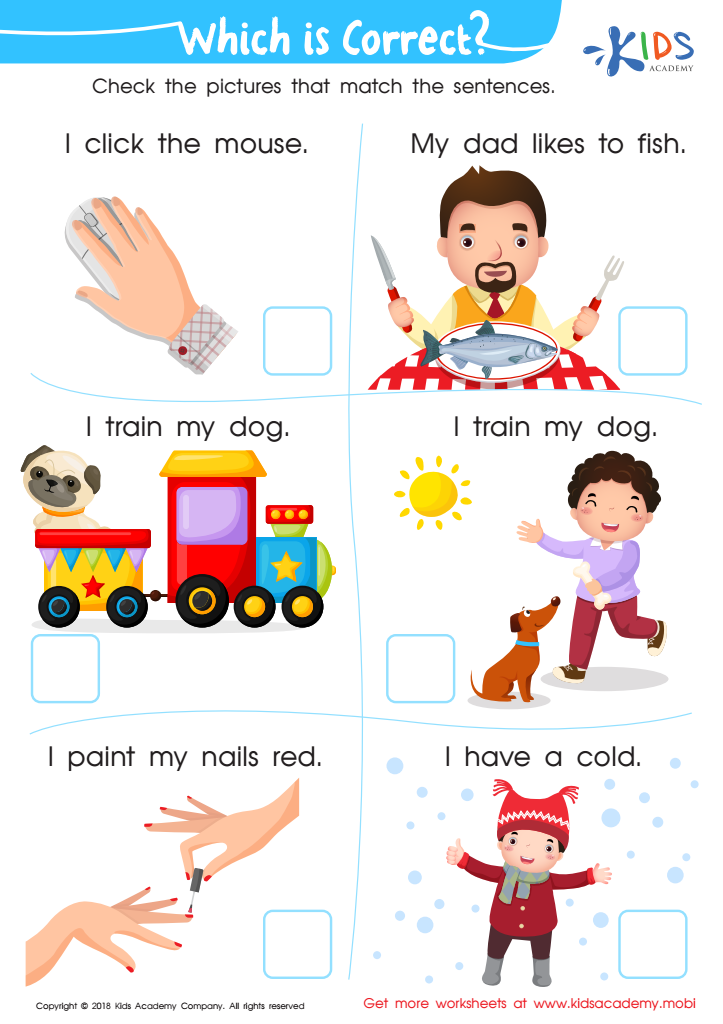
Which Is Correct? Worksheet
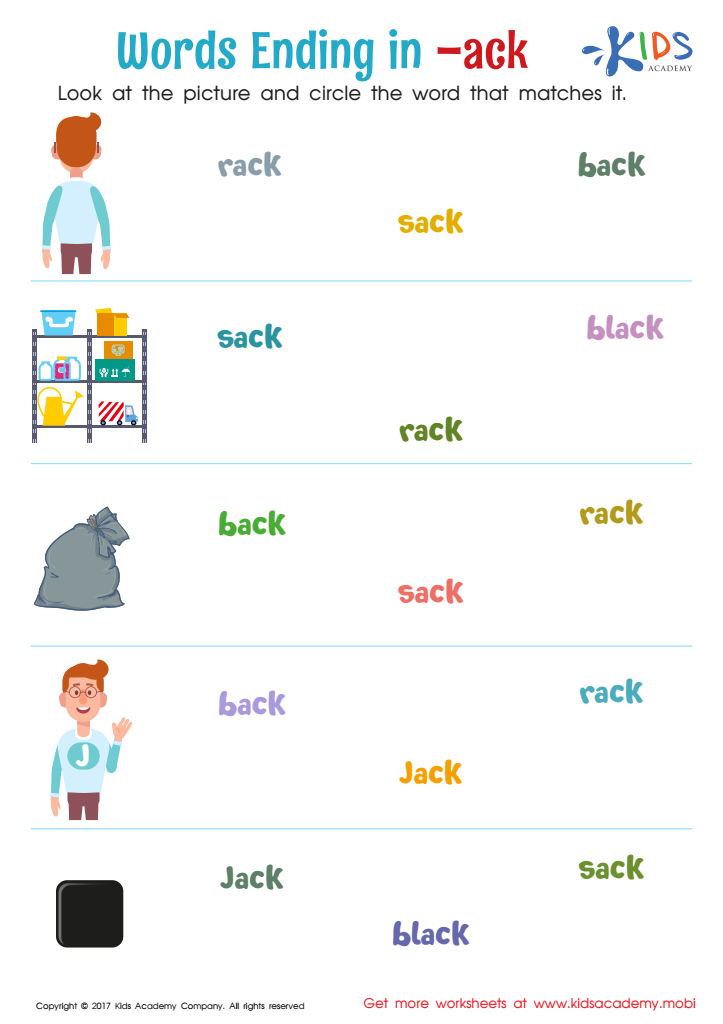
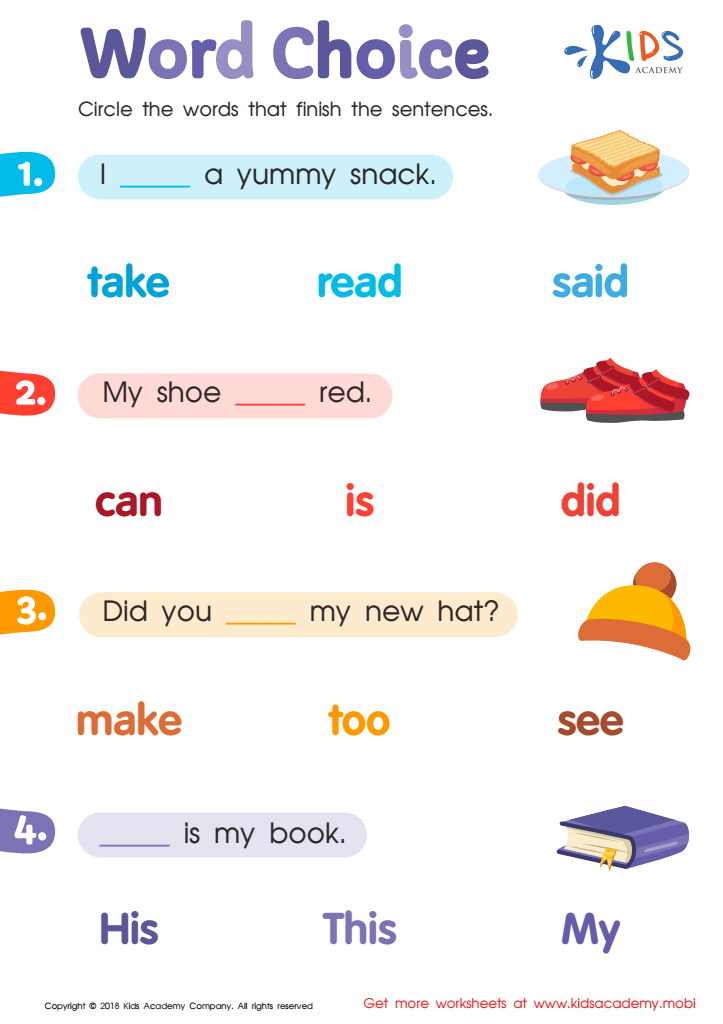
Word Choice Worksheet
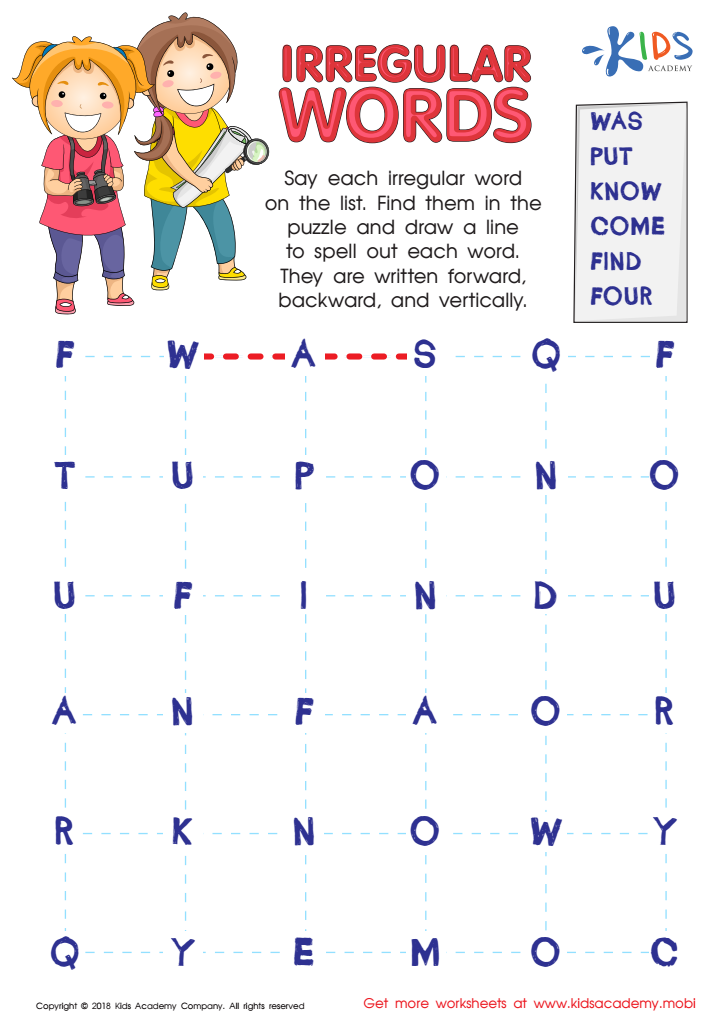
Irregular Words Worksheet
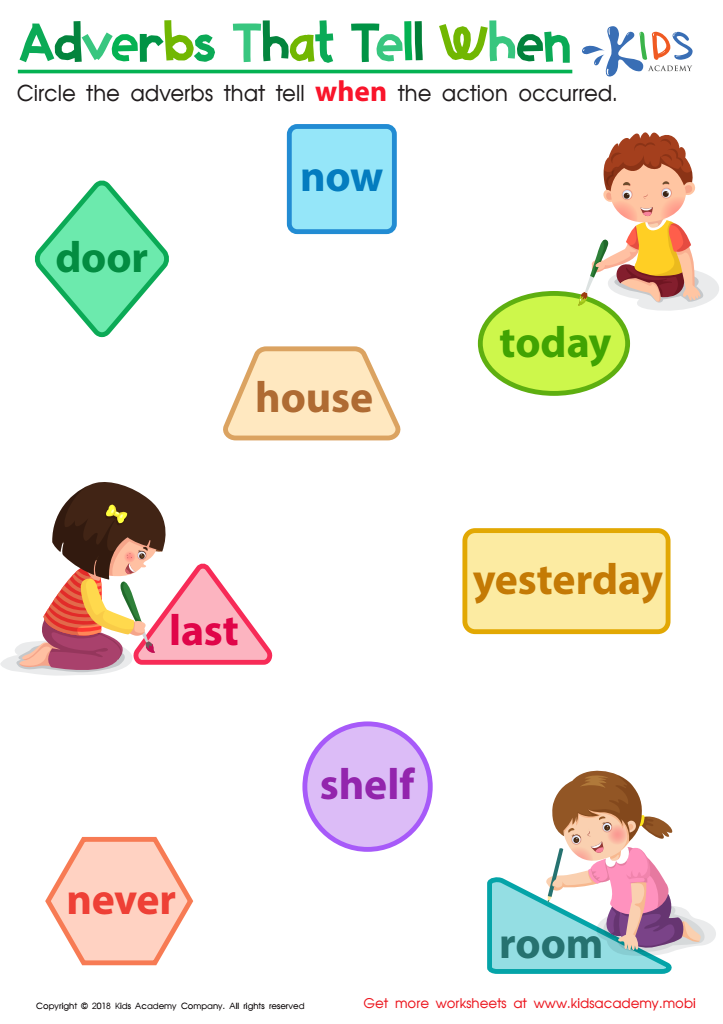
Adverbs That Tell us When Worksheet
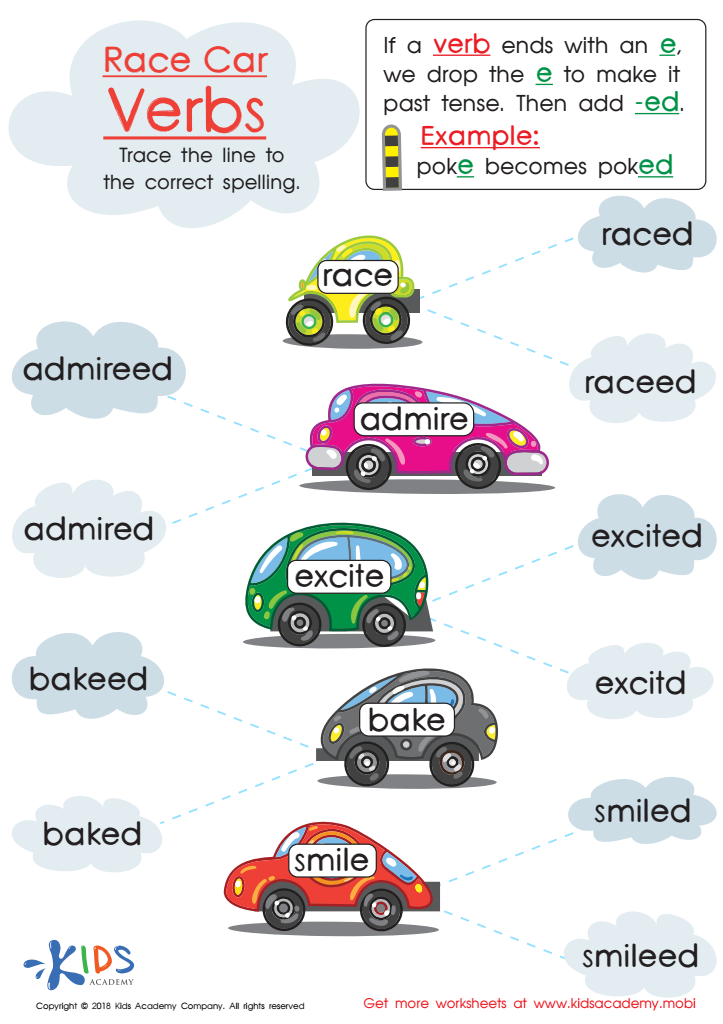
Race Car Verbs Worksheet
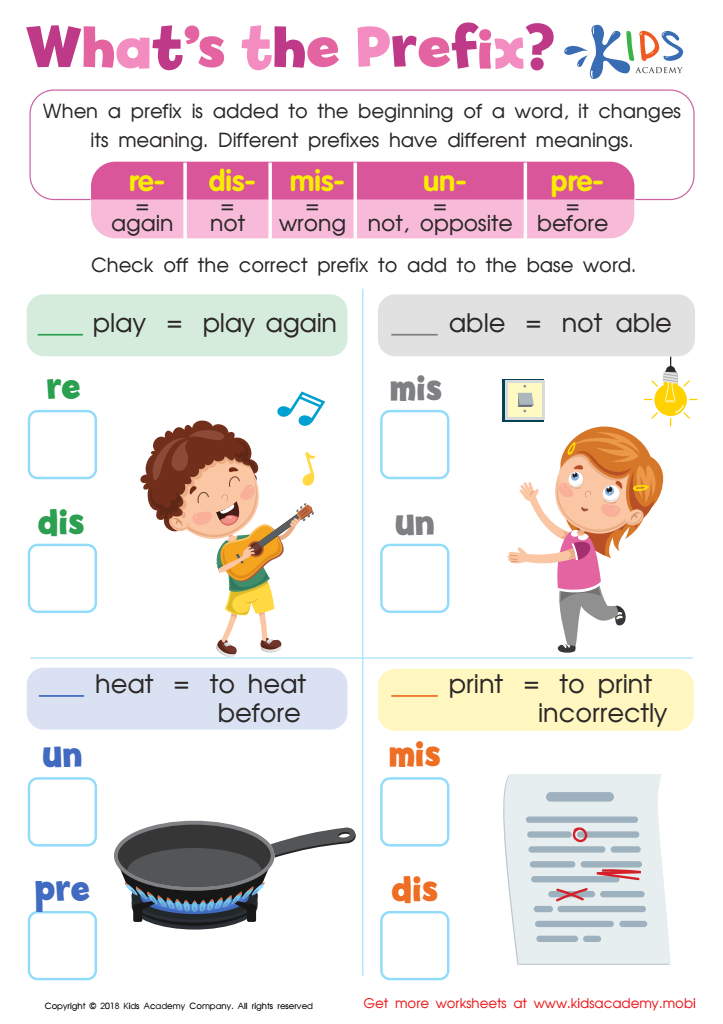
Reading: What Is the Prefix Worksheet




Understanding and teaching normal grammar for children aged 4-7 is crucial for several reasons. First, this foundational stage of linguistic development shapes a child's ability to communicate effectively. During these early years, children are naturally inclined to absorb language and develop critical listening and speaking skills. Familiarizing them with basic grammatical rules helps them construct meaningful sentences and convey their thoughts clearly.
Second, mastering grammar enhances reading comprehension. As children learn to connect spoken language with written words, a solid grammatical foundation supports their ability to decode text, understand context, and engage with literature. This is essential not just for academic success but for fostering a lifelong love of reading.
Moreover, strong grammar skills contribute to a child's self-confidence. When children can express themselves accurately, they are more likely to participate in discussions, share ideas, and develop positive social interactions. Therefore, parents and teachers play a pivotal role in creating a language-rich environment that reinforces these skills.
In summary, prioritizing normal grammar during ages 4-7 nurtures effective communication, supports literacy development, and builds self-esteem, laying the groundwork for future academic and Social success.