Noun identification Normal Writing Worksheets for Ages 4-7
3 filtered results
-
From - To
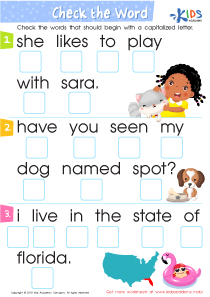
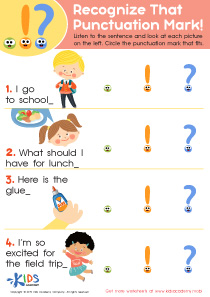
Discover our Noun Identification Normal Writing Worksheets designed specifically for children aged 4-7! These engaging and interactive worksheets help young learners recognize and categorize nouns through fun exercises. Each worksheet features colorful illustrations and simple prompts that encourage students to identify people, places, and things, enhancing their vocabulary and writing skills. Ideal for at-home learning or classroom activities, our resources support early literacy development while making learning enjoyable. Foster your child's confidence in language arts with our specially crafted worksheets that promote understanding of nouns. Download and print now to inspire creativity and joy in writing for your little learners!
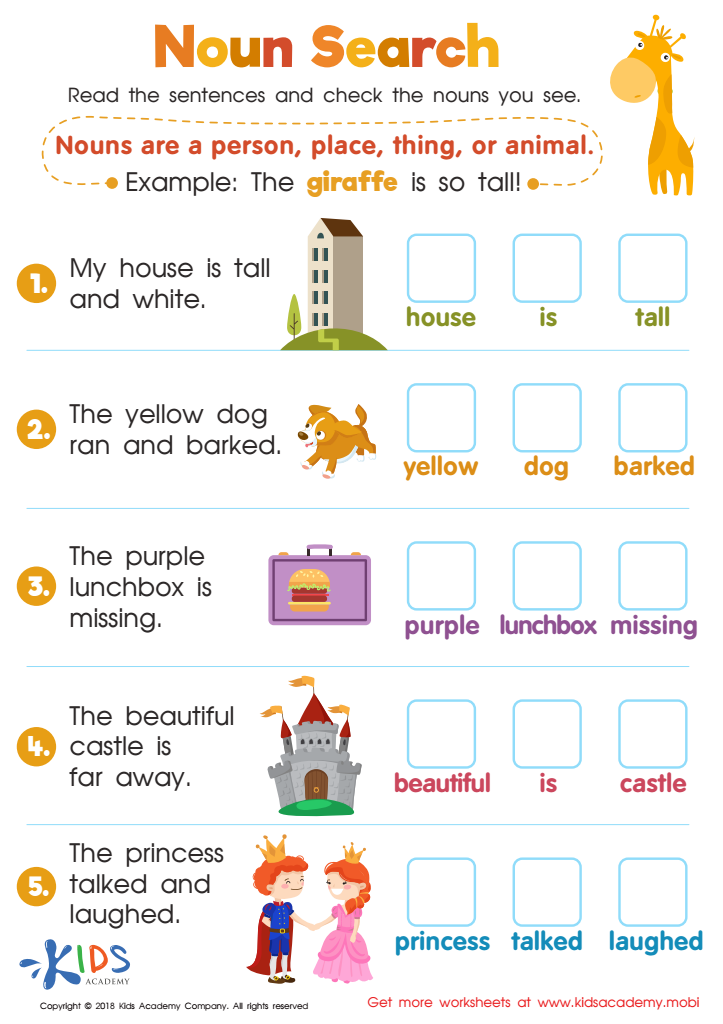
Noun Search Worksheet
 Assign to My Students
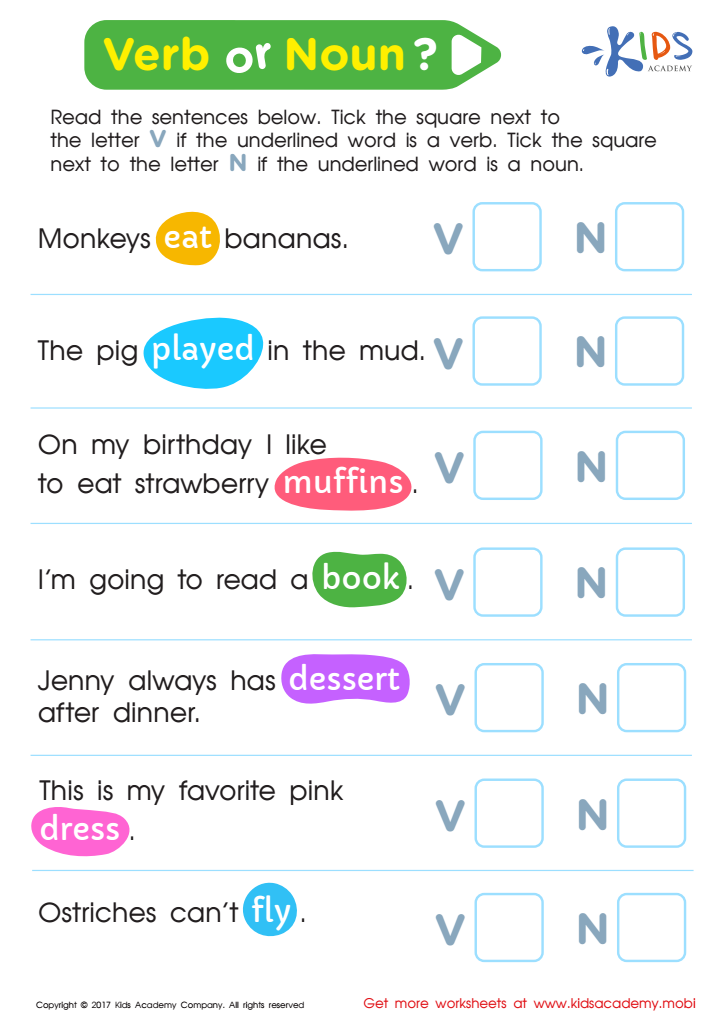
Verb or Noun Worksheet
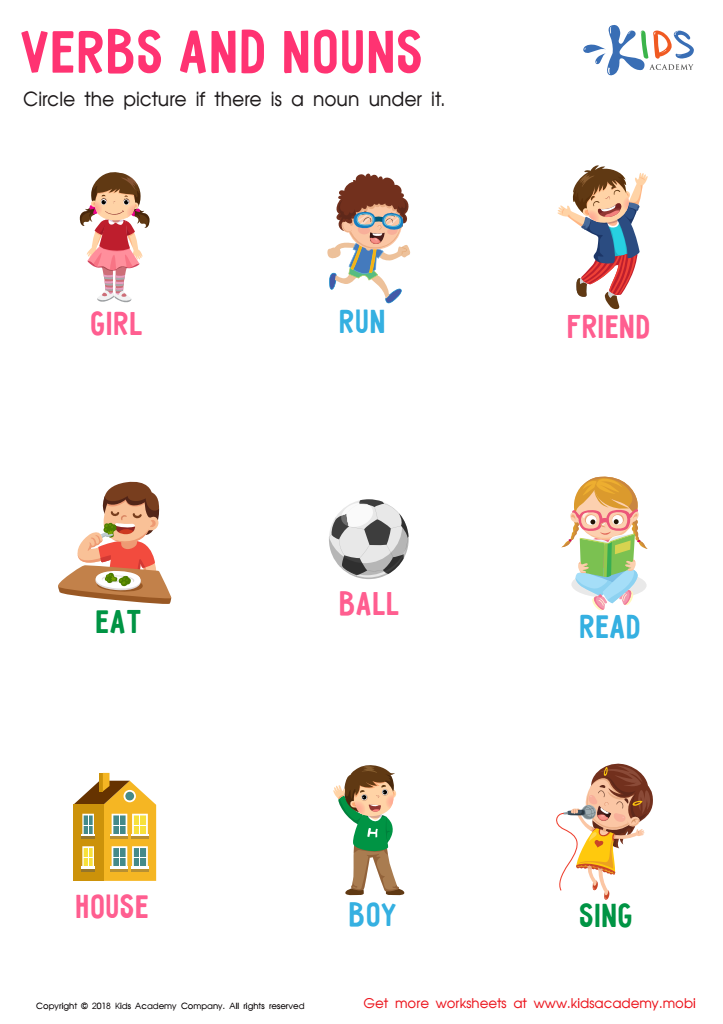
Verbs and Nouns Worksheet




.jpg)


Noun identification is a fundamental skill for children aged 4-7 that plays a crucial role in their language development. Parents and teachers should prioritize this skill because nouns are the building blocks of language. By identifying nouns, children learn to categorize and label the world around them, which enhances their vocabulary and comprehension. When children can identify nouns, they can express their thoughts clearly, making it easier for them to communicate effectively with others.
Moreover, understanding nouns links to essential reading and writing skills. As children learn to recognize common and proper nouns, they become more adept readers, which can boost their confidence in literacy. This foundational skill fosters critical thinking as children start to categorize and relate words to objects, people, or places in their environment.
Additionally, engaging children in noun identification through games, stories, and everyday conversations makes learning enjoyable and can strengthen the bond between children and their parents or teachers. Through such interactions, adults can instill a love of learning and language in children, setting them up for future academic success. Ultimately, noun identification is not just about language; it’s about empowering children to fully understand and engage with the world around them.