Writing practice Normal ABC Letters Worksheets for Ages 4-8
6 filtered results
-
From - To
Discover our engaging "Writing Practice Normal ABC Letters Worksheets for Ages 4-8", designed to help your child master the basics of letter formation. These printable worksheets offer fun and interactive activities that encourage young learners to practice writing both uppercase and lowercase letters. Perfect for preschool, kindergarten, and early grade students, our resources are tailored to support gradual learning and strengthen fine motor skills. Each sheet combines visual guides with hands-on exercises, ensuring effective and enjoyable learning. Give your child the tools they need to succeed in writing with our expertly crafted worksheets today!
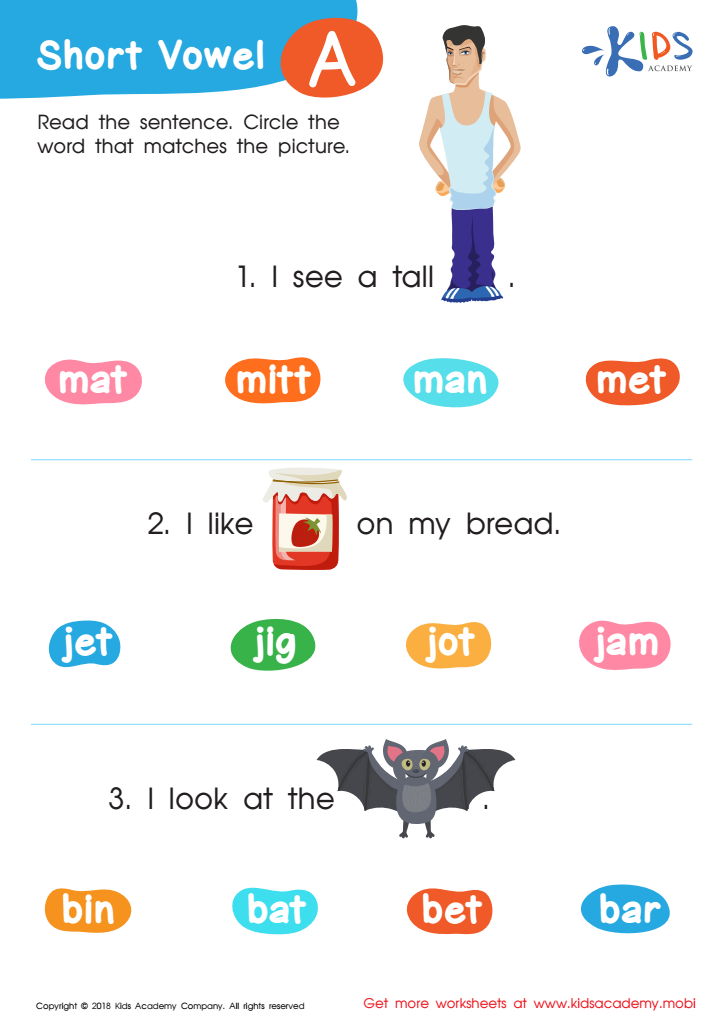
Short Vowel /a/ Worksheet







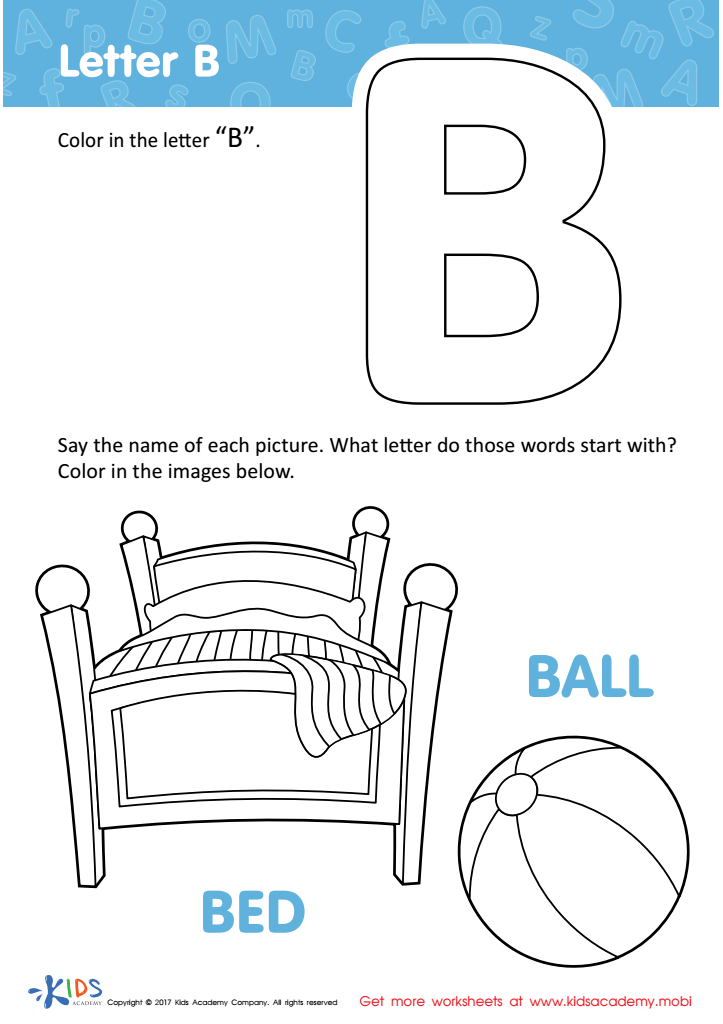
Letter B Coloring Sheet
 Assign to My Students
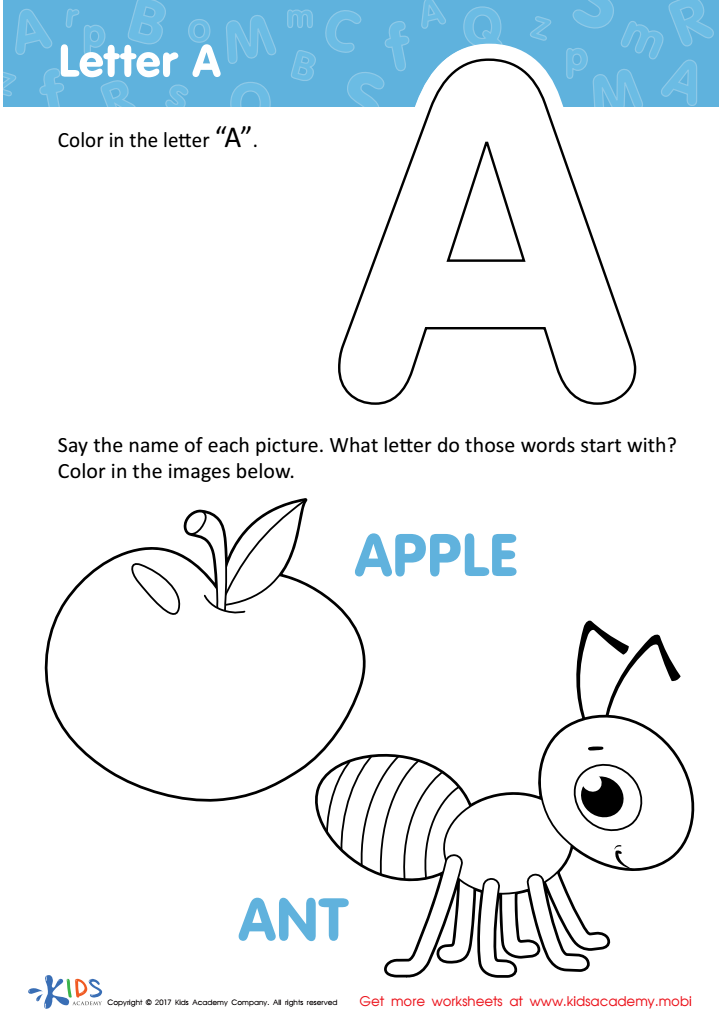
Letter A Coloring Sheet
Assign to My Students
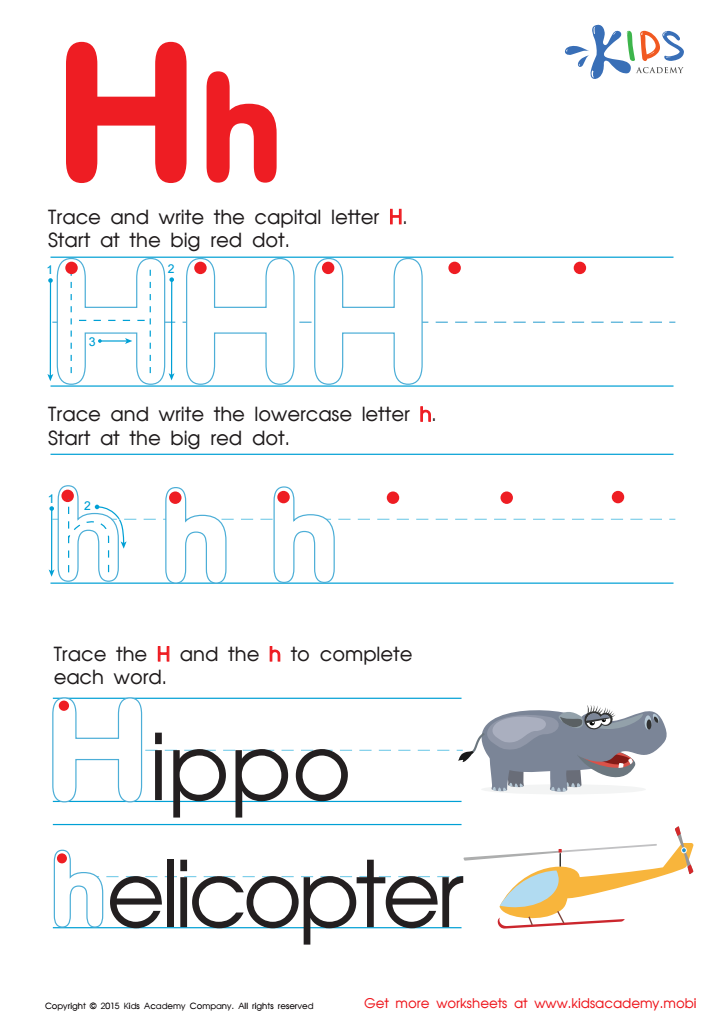
Letter H Tracing Page
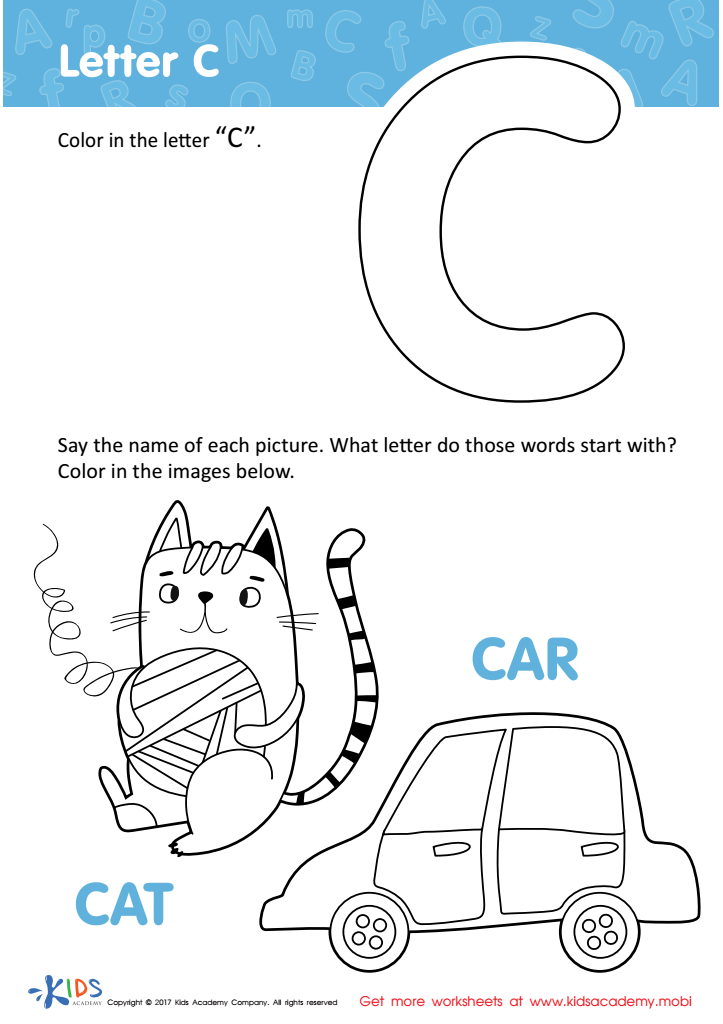
Letter C Coloring Sheet
Assign to My Students
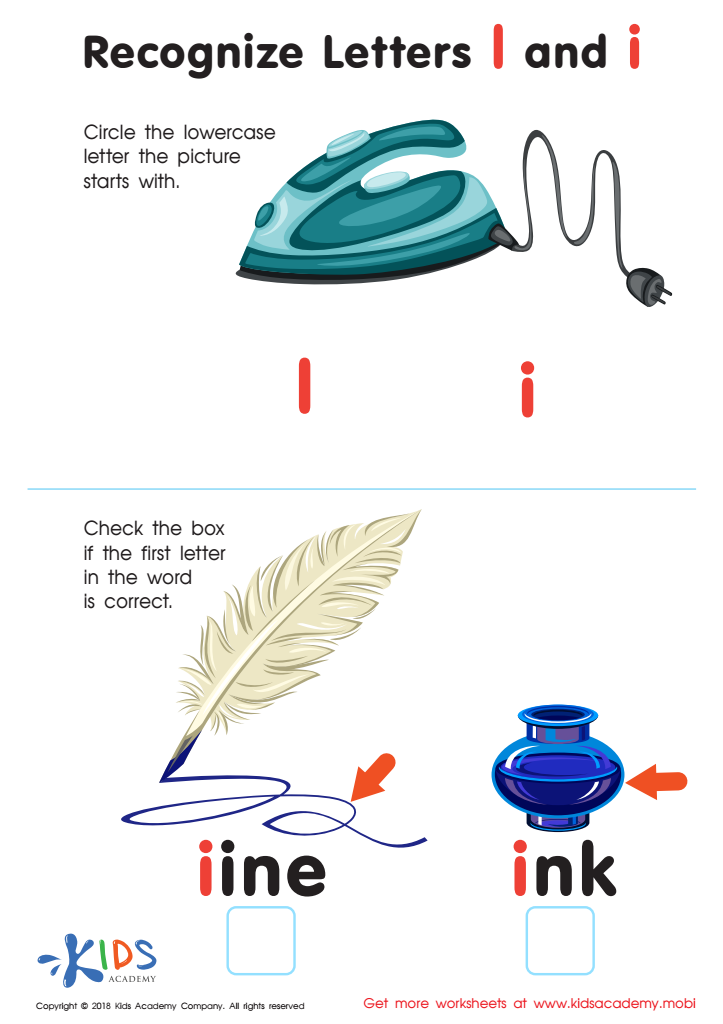
Recognize Letters l and i Worksheet






Fostering strong writing skills in children aged 4-8 through normal ABC letter practice is crucial for several reasons. Firstly, writing practice helps improve fine motor skills, which are essential for tasks like holding a pencil, tying shoelaces, and even typing on a keyboard. By frequently engaging in writing, children develop better hand-eye coordination and dexterity.
Secondly, writing practice is directly linked to improved literacy. Learning to write letters reinforces the ability to recognize them, which is vital for reading development. As children practice writing, they become more familiar with the alphabet, helping them decode words more easily and improving their reading fluency.
Additionally, writing enhances cognitive development. It encourages children to think critically about how letters are formed and patterned, promoting problem-solving and analytic skills. As they make connections between spoken and written language, their communication abilities grow stronger.
Moreover, writing fosters creativity and self-expression. It offers an early outlet for children to share their thoughts, feelings, and stories, building confidence and self-esteem. When parents and teachers support writing practice, they provide children with the essential tools for academic success and personal growth, laying a strong foundation for their future education. Encouraging regular writing practice in these formative years can lead to lifelong benefits in both personal and academic realms.







