Phonics practice Normal Beginning Sounds Worksheets for Ages 4-8
5 filtered results
-
From - To
Boost your child's reading skills with our Phonics Practice Normal Beginning Sounds Worksheets, tailored for ages 4-8. These engaging, age-appropriate activities effectively introduce young learners to the world of phonics, enhancing their ability to recognize and use beginning sounds. Each worksheet is designed to support literacy development through fun and interactive exercises, encouraging kids to identify letters and connect them to corresponding sounds. Perfect for classroom use or at-home practice, these worksheets are a fantastic resource for fostering early reading confidence and preparing children for academic success. Download our free, printable worksheets today and watch your child thrive!
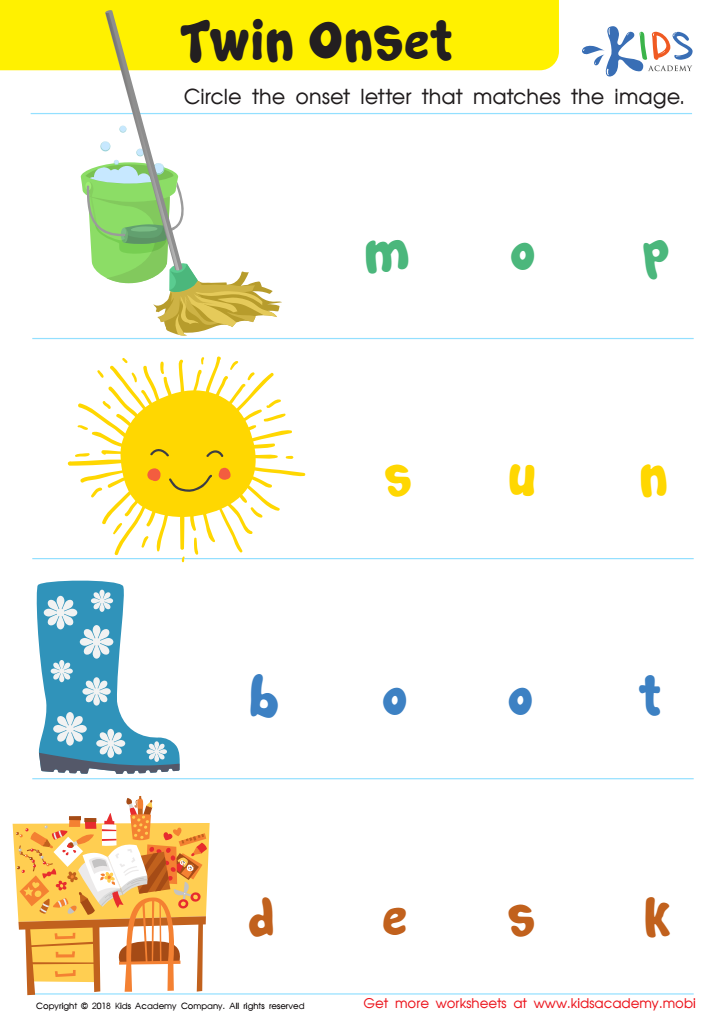
Twin Onset Worksheet
 Assign to My Students
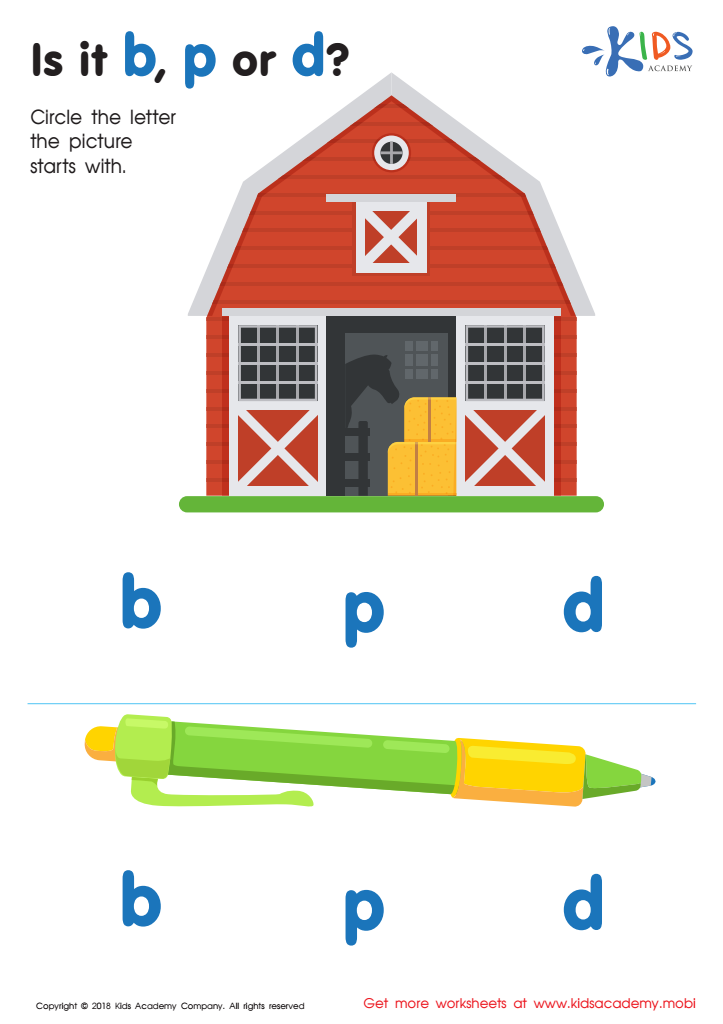
Is it b, p or d? Worksheet
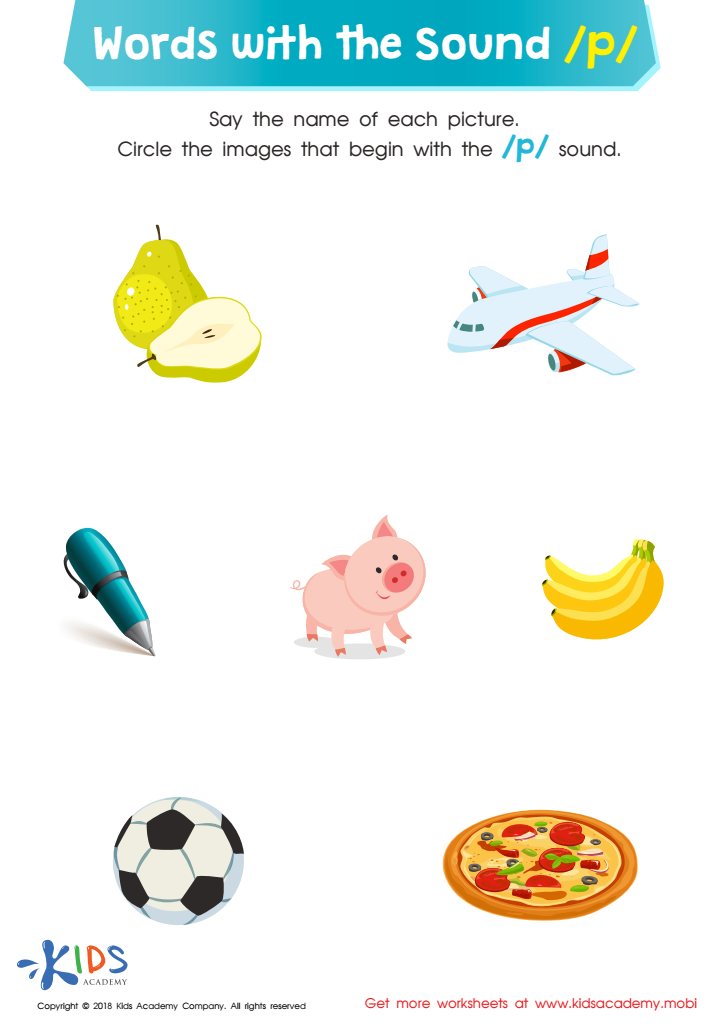
Words with sound p Reading Worksheet
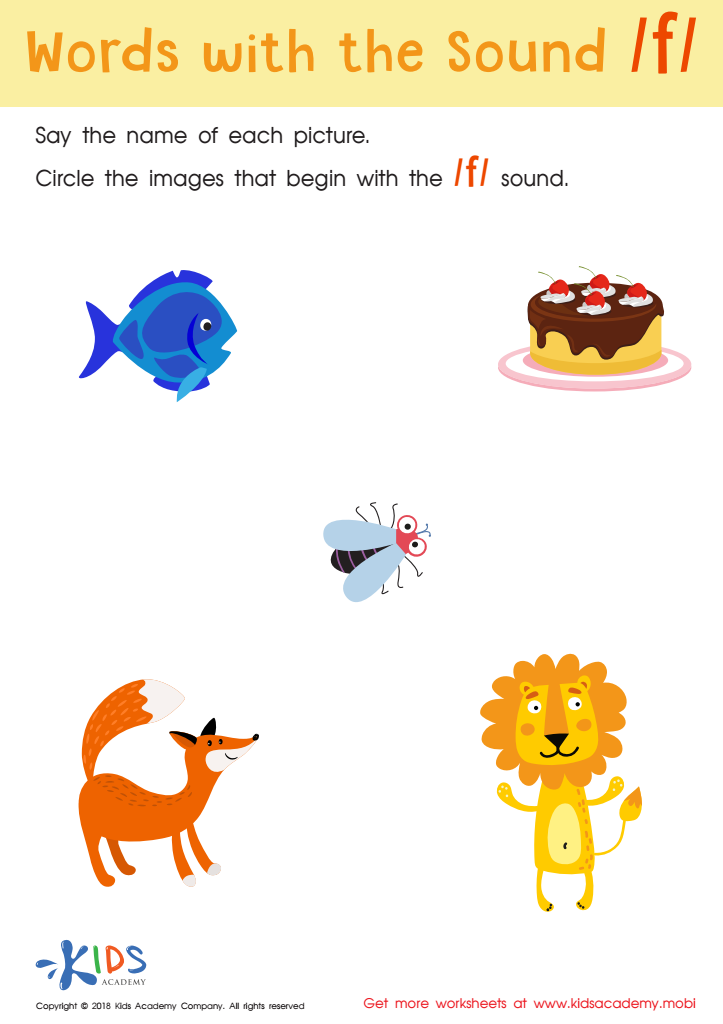
Words with sound f Reading Worksheet
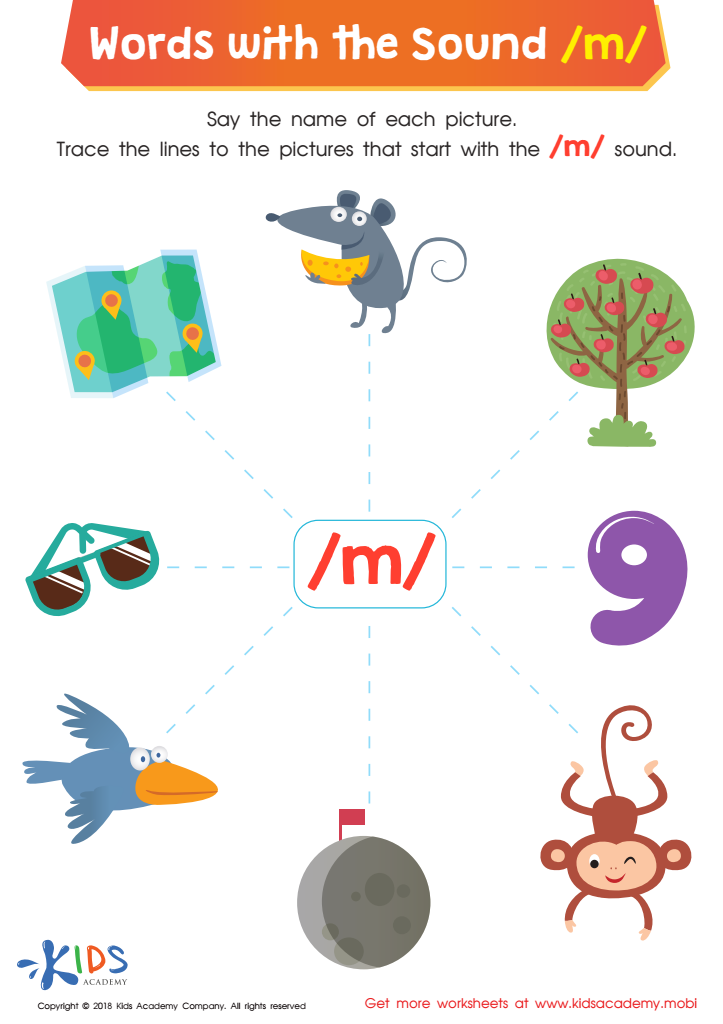
Words with Sound M Reading Worksheet








Phonics practice, particularly focusing on normal beginning sounds, is essential for children ages 4-8 because it lays the foundation for reading and literacy. During these formative years, children's brains are highly receptive to language acquisition. By mastering the initial sounds of words, they can start to decode new words, which is a critical skill for fluent reading. Parents and teachers play a crucial role in this developmental phase.
Recognizing beginning sounds helps children connect spoken language with written words. This decoding ability is essential for reading, enabling students to sound out words and understand their meanings. Additionally, it enhances their spelling skills, as they learn that words are made up of individual sounds that correspond to specific letters or groups of letters.
Phonics practice also boosts children’s confidence and motivation to read. When children successfully identify beginning sounds, they experience a sense of accomplishment, making them more likely to engage with texts positively. Furthermore, early reading proficiency is linked to academic success in later years, underscoring the value of this foundational skill.
For these reasons, parents and teachers should emphasize phonics practice in early education to support a child’s journey towards becoming a proficient and enthusiastic reader.







