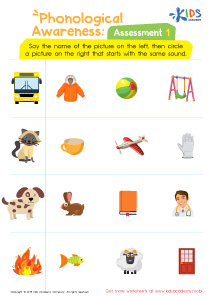
Improving reading skills Normal Elementary Phonics Worksheets for Ages 4-8
3 filtered results
-
From - To
Boost your child's reading abilities with our tailor-made Normal Elementary Phonics Worksheets designed for ages 4-8. These engaging resources enhance phonemic awareness and letter recognition, setting a strong foundation for fluent reading. Through fun, interactive activities, kids learn to sound out words, recognize patterns, and build vocabulary. Perfect for early learners, these phonics worksheets are crafted to support individual learning paces, ensuring each child progresses with confidence. Ideal for both parents and teachers, our worksheets provide a comprehensive toolset to cultivate essential reading skills, transforming learning into an enjoyable and rewarding experience. Explore today to make reading a joyous journey!
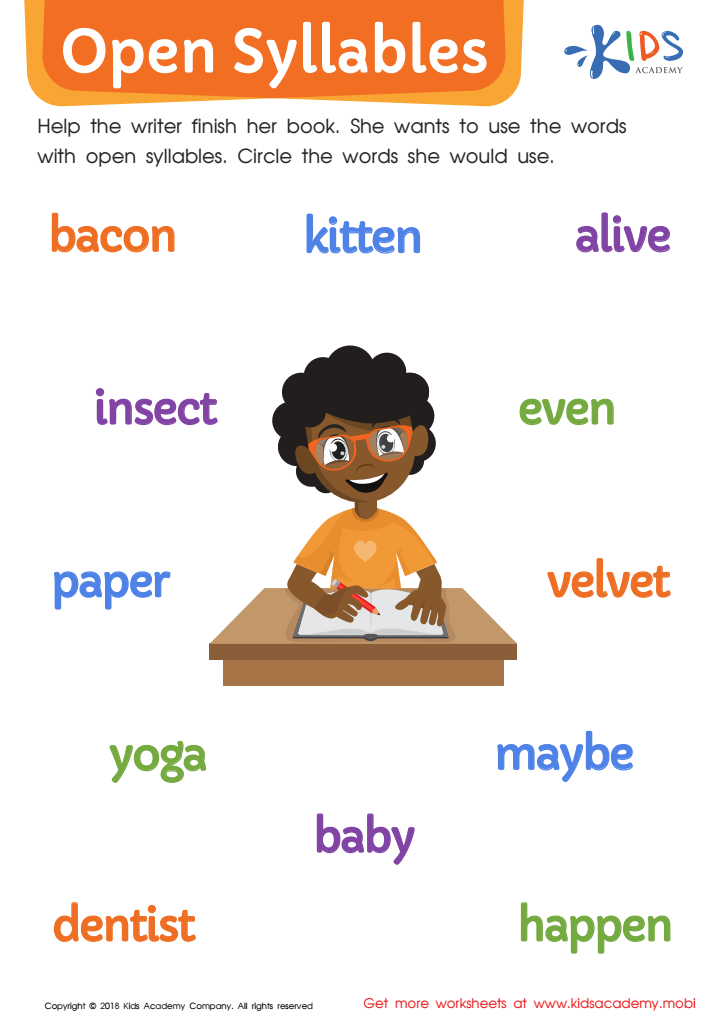
Open Syllables Worksheet
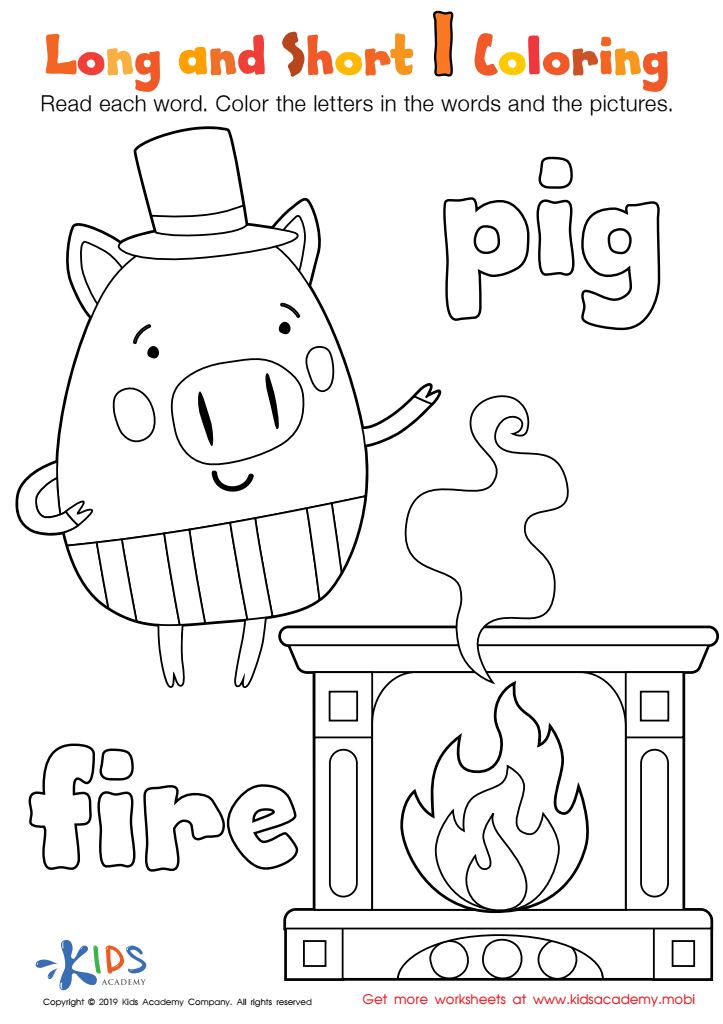
Long and Short I Worksheet
 Assign to My Students
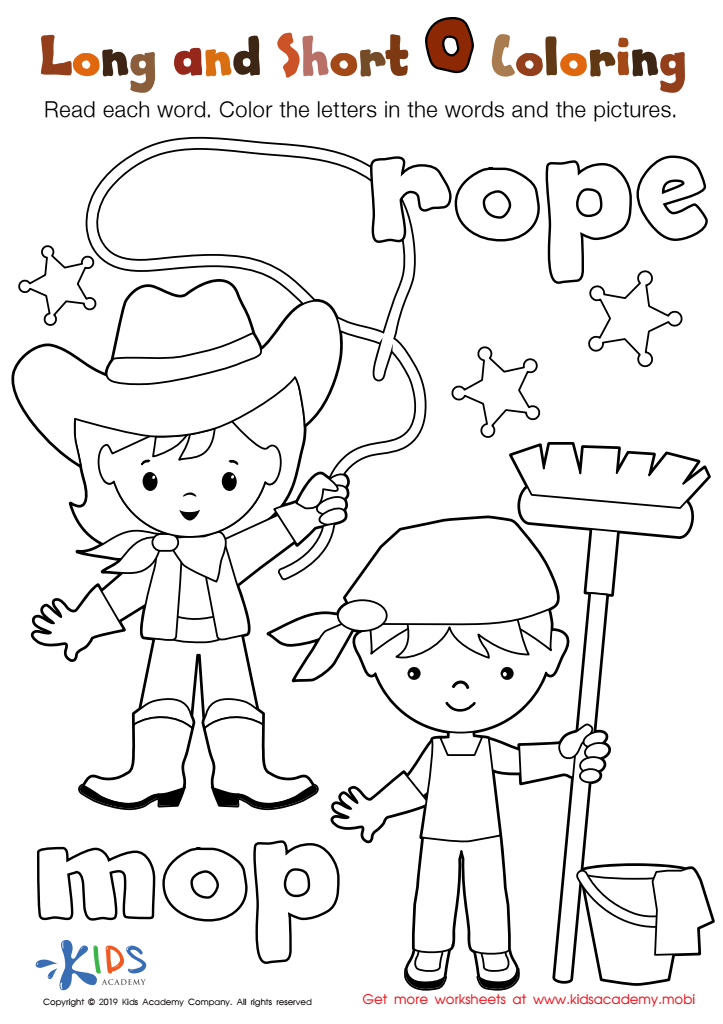
Long and Short O Worksheet
Assign to My Students




Improving reading skills through elementary phonics for children ages 4-8 is crucial for several reasons. First, this age range is a critical period for language development. Young children are highly receptive and capable of learning the foundational aspects of reading, including phonics, which involves the relationship between letters and sounds. Strong phonics skills enable children to decode words efficiently, forming the basis for fluent reading.
Second, reading proficiency is closely linked to academic success. Children who develop strong reading skills early are better prepared to understand and engage with the broader curriculum, from mathematics to science and social studies. Reading also enhances cognitive abilities, including vocabulary expansion, critical thinking, and comprehension.
Additionally, reading forms an essential part of everyday life. Building robust reading skills at a young age fosters a love for reading, making it a source of enjoyment rather than a chore. This lifelong love for reading can positively impact a child's educational journey and personal growth.
Parents and teachers play a crucial role in this developmental stage. By focusing on improving reading skills through phonics, they help ensure that children build the competencies needed for effective communication and learning, setting the stage for both academic and personal success in the future. Therefore, prioritizing phonics instruction in early education is fundamental.