Vocabulary Building Normal Alphabet Worksheets for Ages 4-8
12 filtered results
-
From - To
Our Vocabulary Building Normal Alphabet Worksheets for ages 4-8 are expertly designed to enhance your child's language skills through engaging, fun activities. These worksheets support young learners in recognizing and writing letters, expanding their vocabulary, and strengthening their reading comprehension. Perfect for early learners, each worksheet offers a variety of exercises that focus on letter identification, word formation, and contextual understanding. By integrating colorful illustrations and interactive tasks, our worksheets make learning the alphabet an enjoyable experience. Ensure your child builds a strong vocabulary foundation with our carefully crafted worksheets that blend education with excitement.
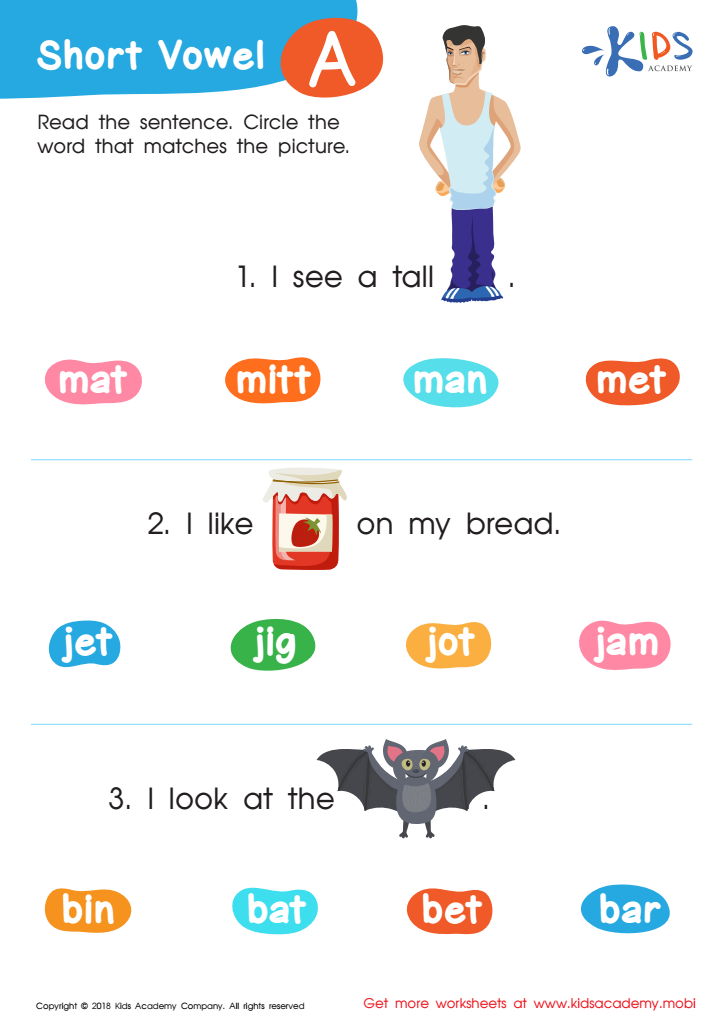
Short Vowel /a/ Worksheet
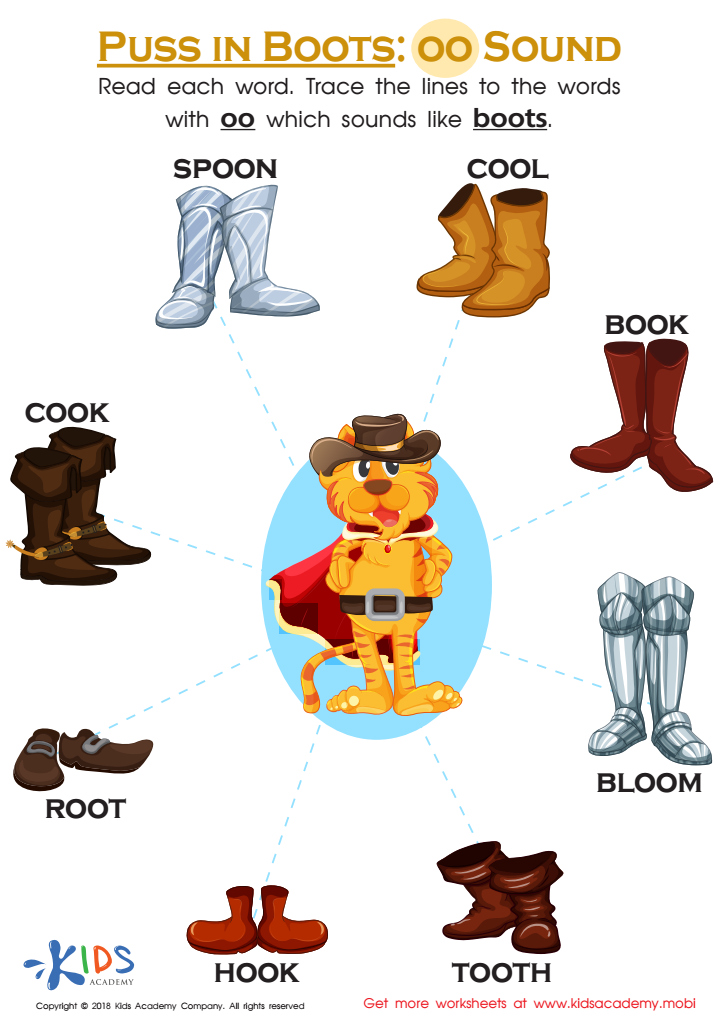
Puss in Boots: OO Sound Worksheet
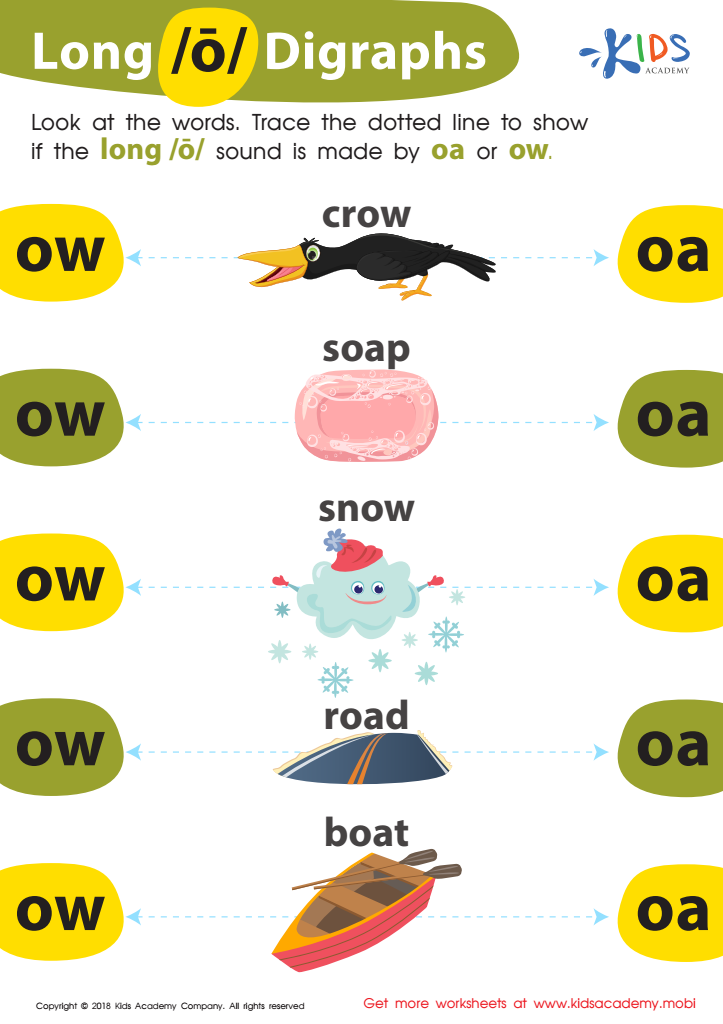
Reading: Long O Digraphs Worksheet
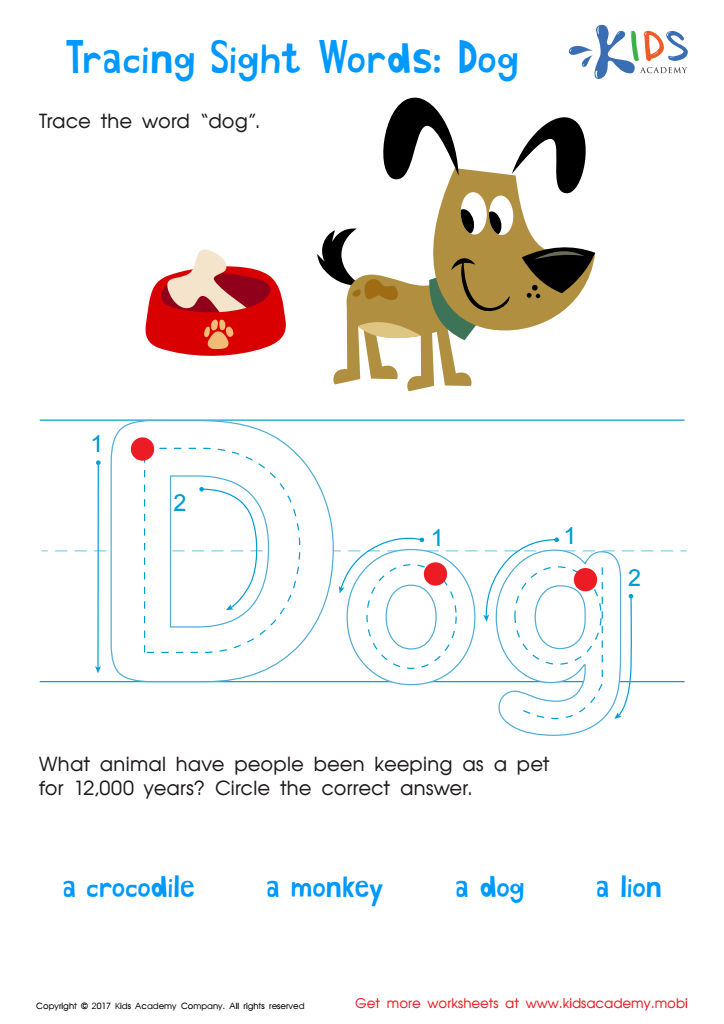
Dog Worksheet Sight Words Worksheet
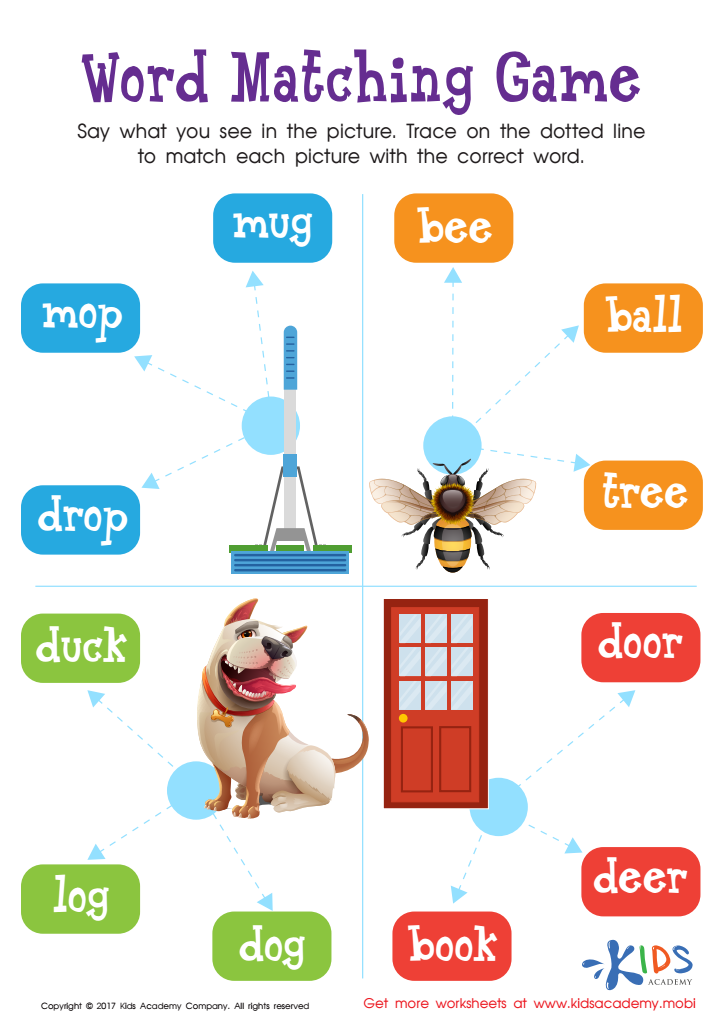
Word Matching Game Worksheet
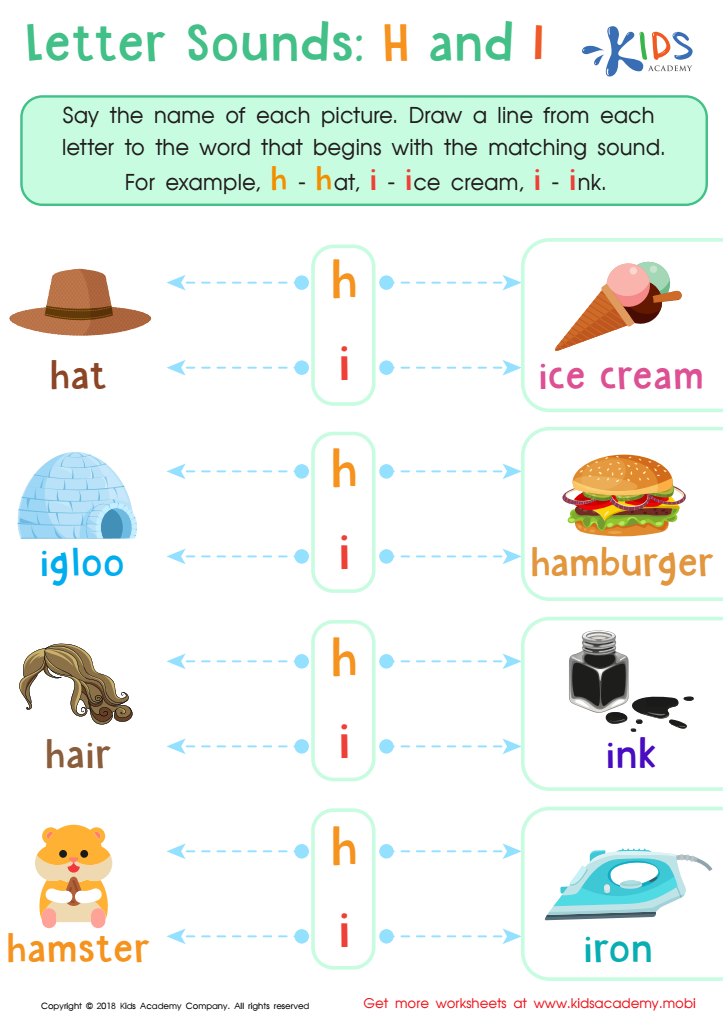
Letter H and I Sounds Worksheet
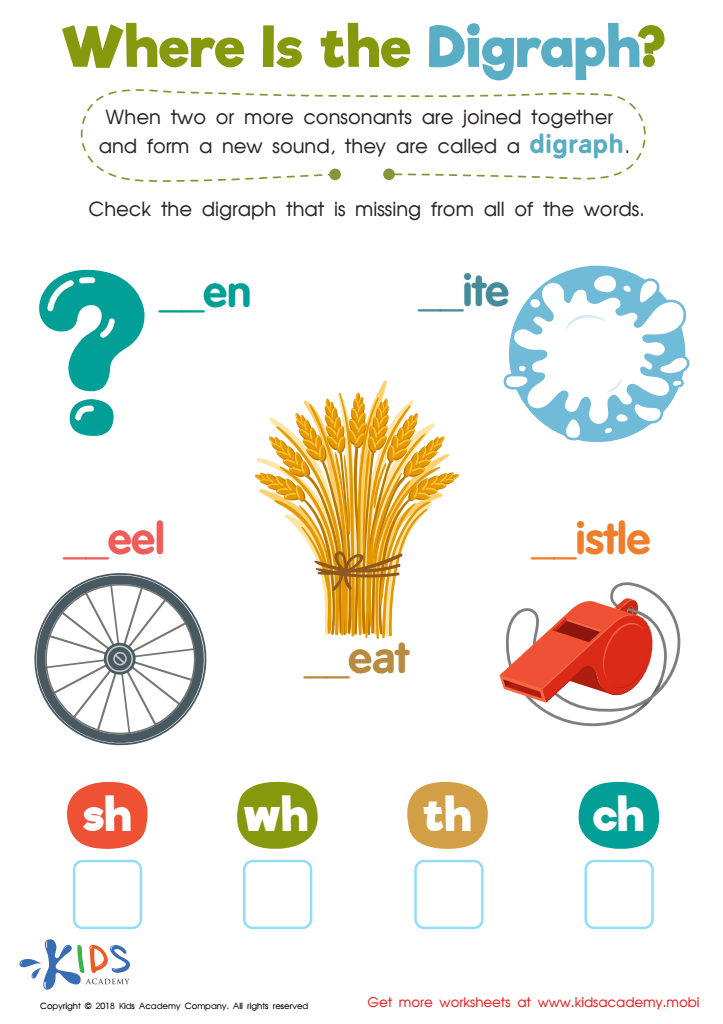
Where Is the Digraph? Worksheet
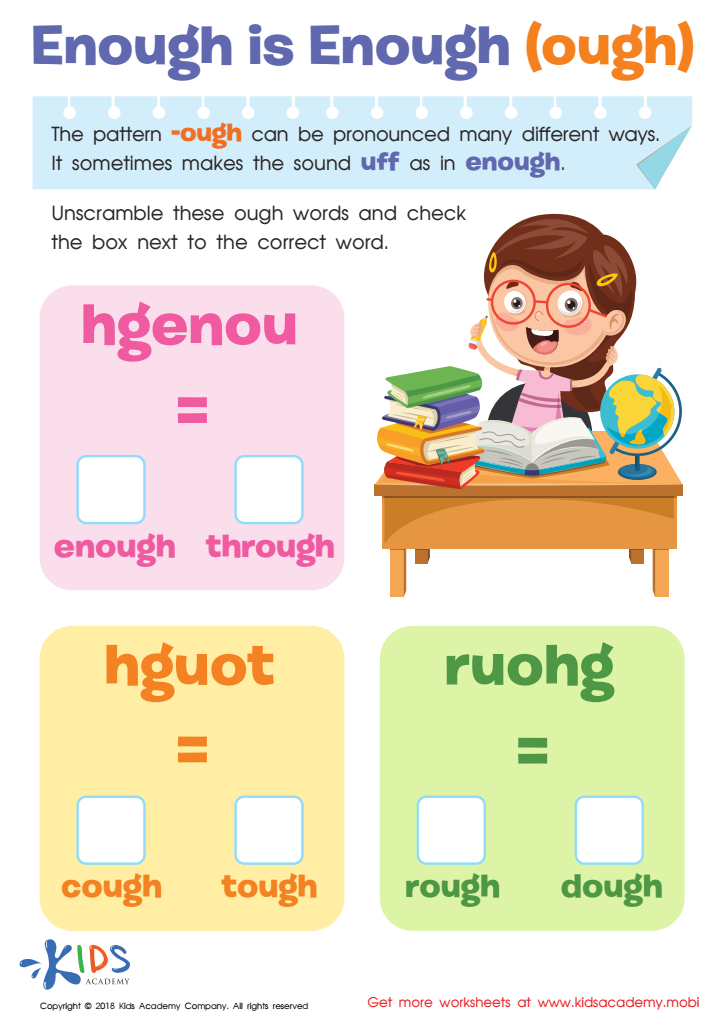
Enough Is Enough (ough) Worksheet
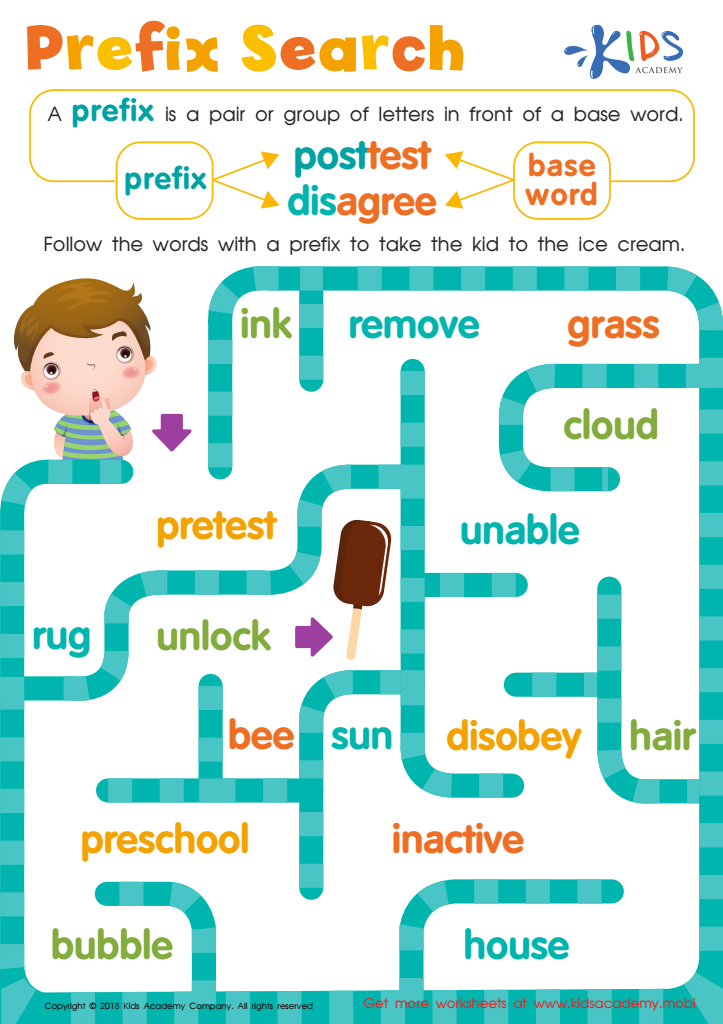
Reading: Prefix Search Worksheet
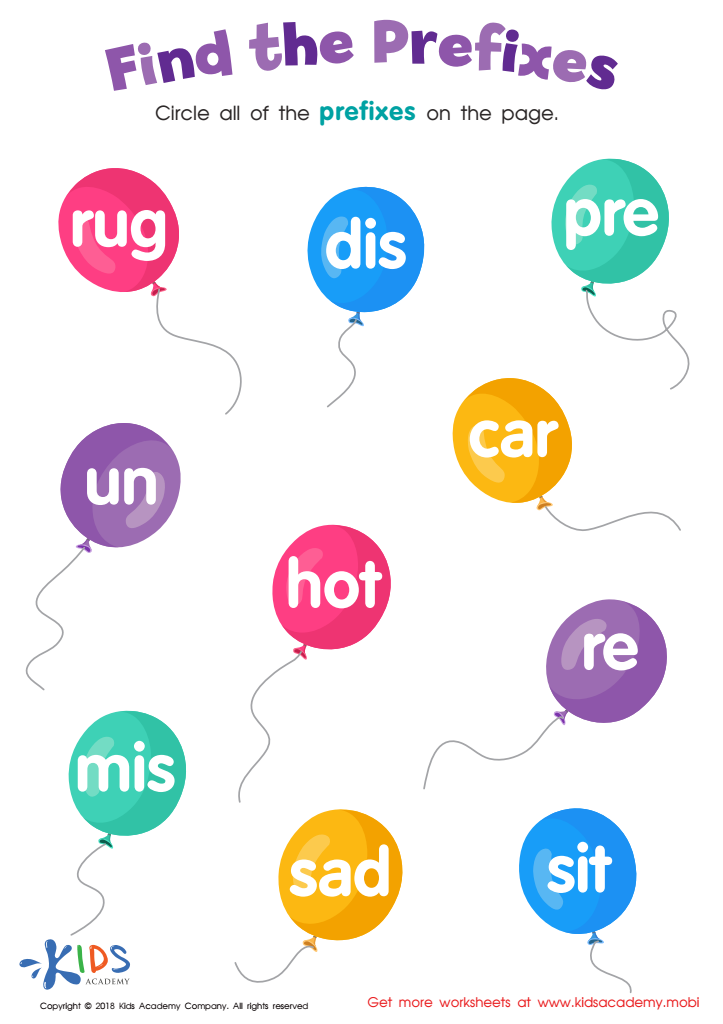
Reading: Find the Prefixes Worksheet
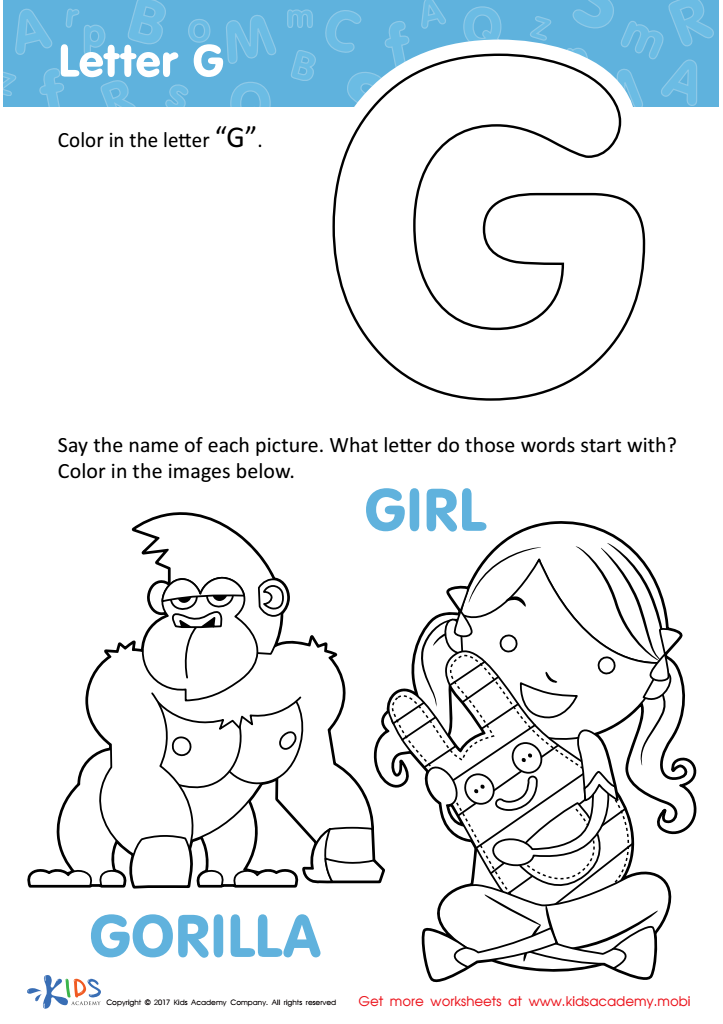
Letter G Coloring Sheet
 Assign to My Students
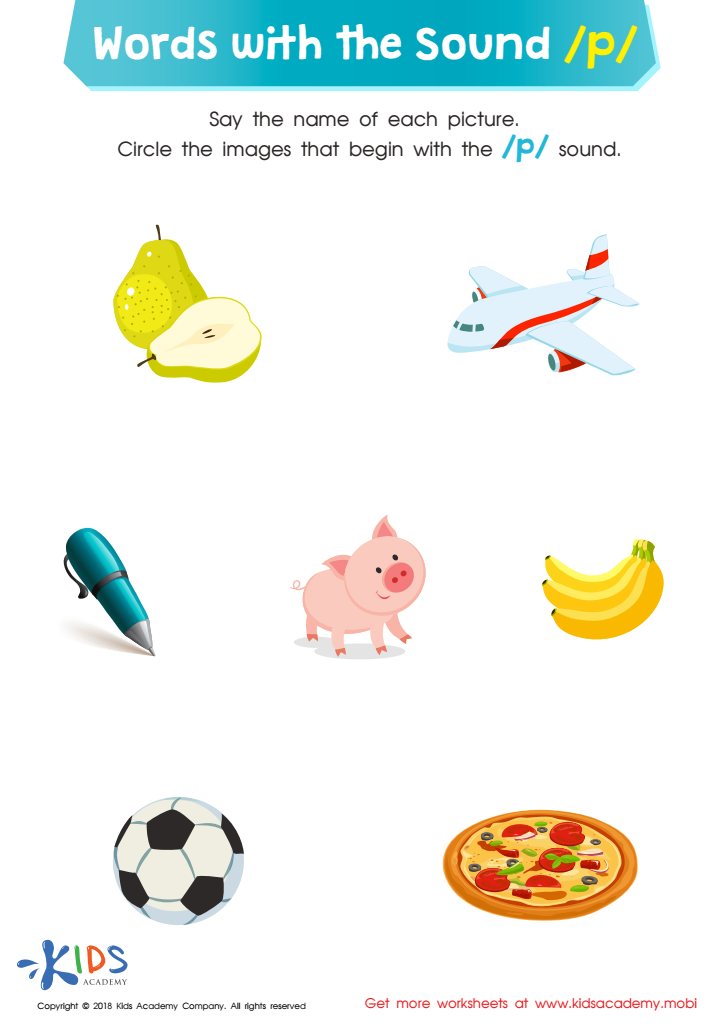
Words with sound p Reading Worksheet







Vocabulary building in early childhood is critical for several reasons, especially during the ages of 4-8, which are formative years for cognitive, social, and emotional development. Learning words in a normal alphabet sequence can significantly enhance a child’s linguistic skills and ensure a strong educational foundation.
First, developing a robust vocabulary is closely linked to reading comprehension. Children with a wider vocabulary can better understand the stories, instructions, and information presented to them. This foundational skill paves the way for academic success across all subjects, as strong reading abilities are crucial in every area of learning.
Second, vocabulary growth fosters effective communication skills. Children who can express themselves clearly and accurately are likely to form stronger relationships with peers and adults, feel more confident in school settings, and participate actively in classroom discussions.
Third, the normal alphabetical order provides a systematic approach that is easier for young children to follow and recall. It helps in organizing new information effectively, aiding memory retention. Alphabetical sequence familiarity also reinforces literacy in terms of recognizing letters and understanding their sequence, which is key for reading and writing fluently.
Therefore, parents and teachers should prioritize vocabulary building through the normal alphabet to ensure balanced and comprehensive language development in children aged 4-8, setting them up for long-term educational and social success.







