Fine Motor Skills Normal Letter Recognition Worksheets for Ages 4-8 - Page 2
41 filtered results
-
From - To
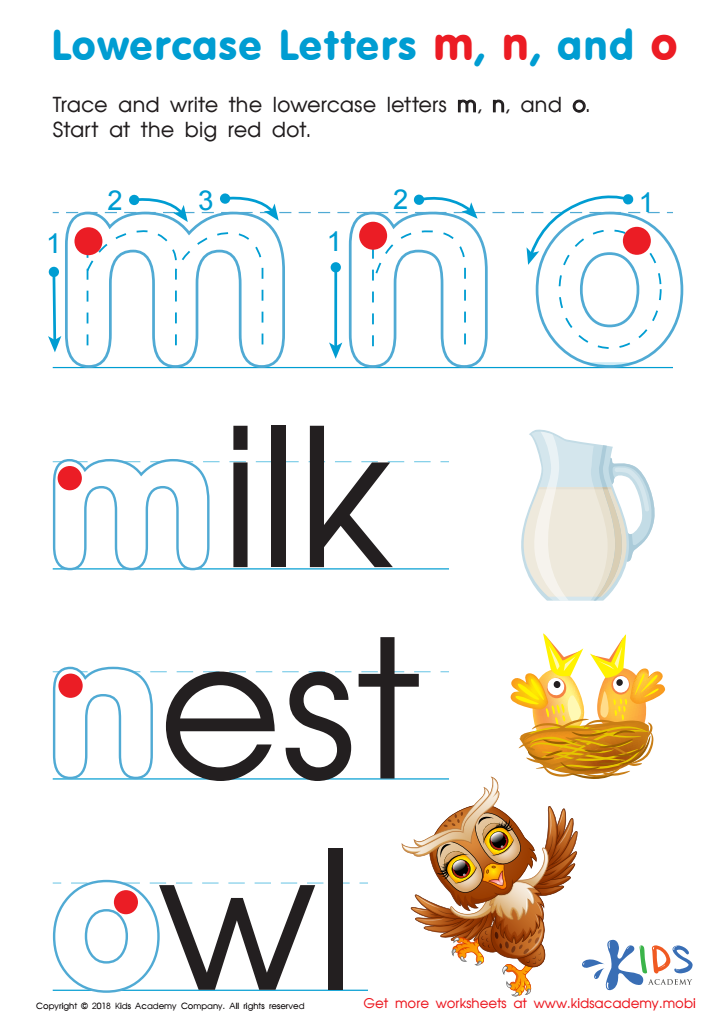
Lowercase Letters m n o Worksheet
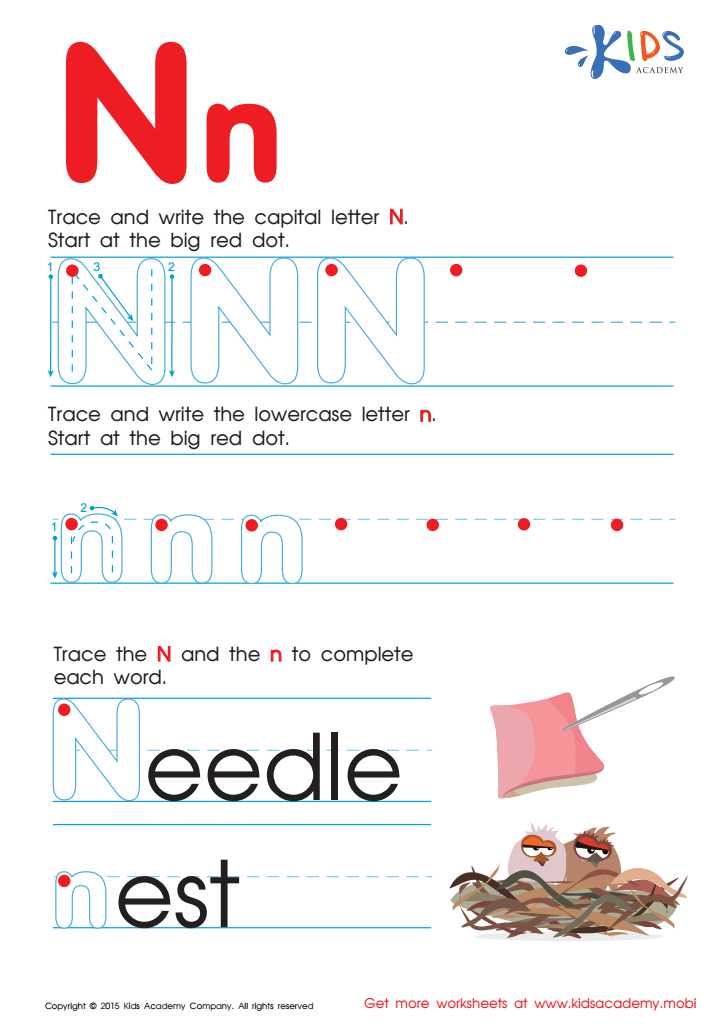
Letter N Tracing Page

Find Uppercase Letters V, W, X Worksheet
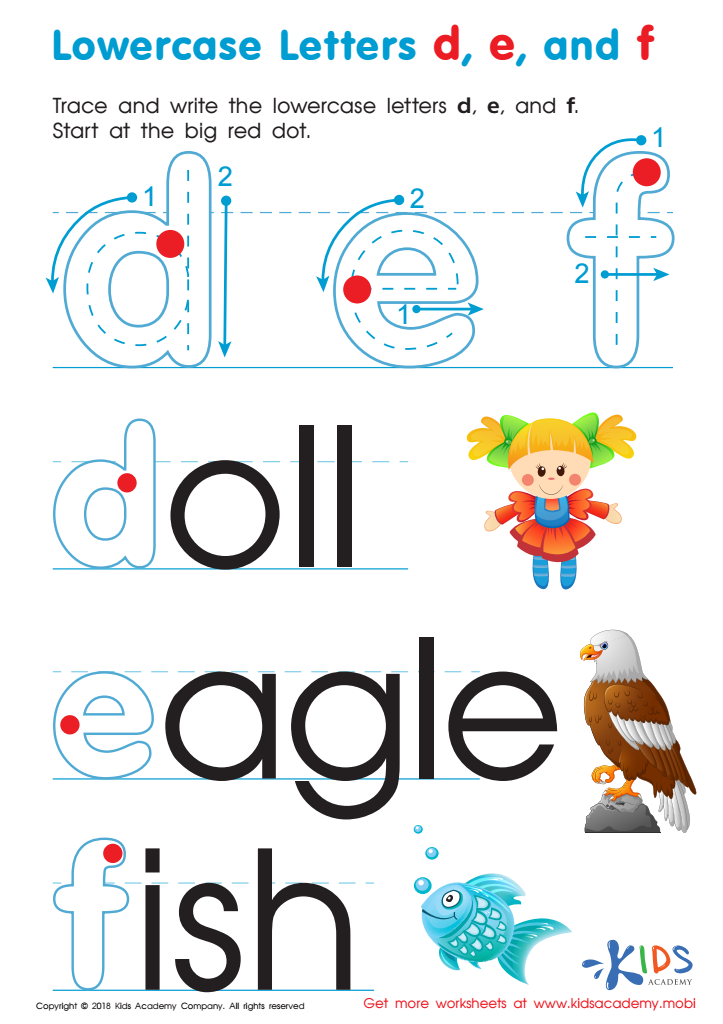
Lowercase Letters d e f Worksheet
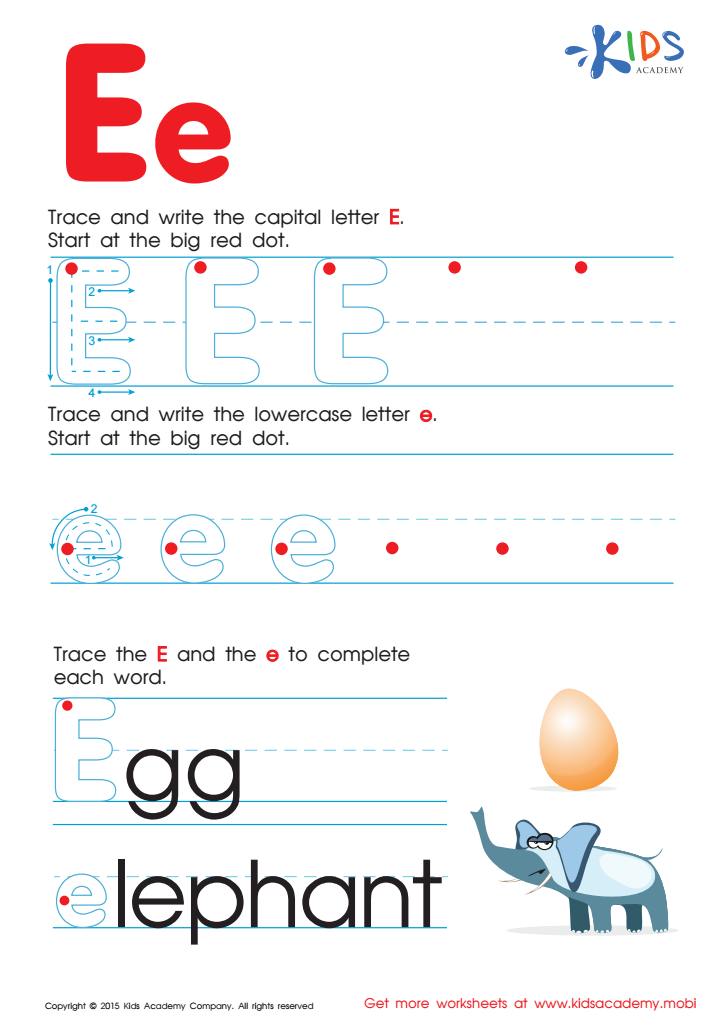
Letter E Tracing Page
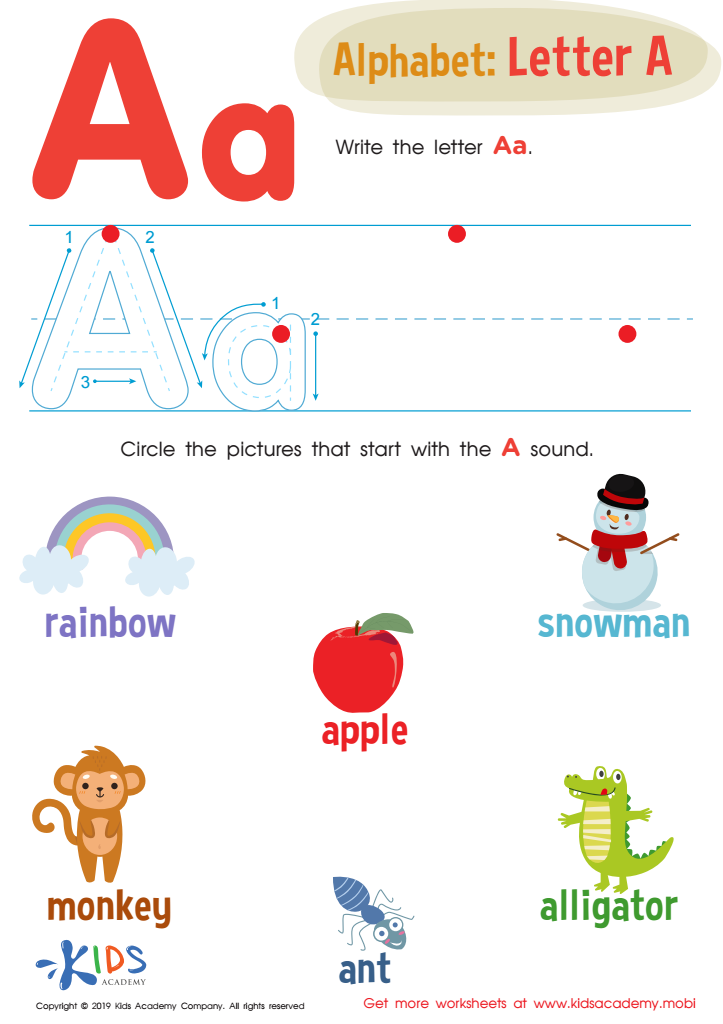
Letter A Tracing Worksheet
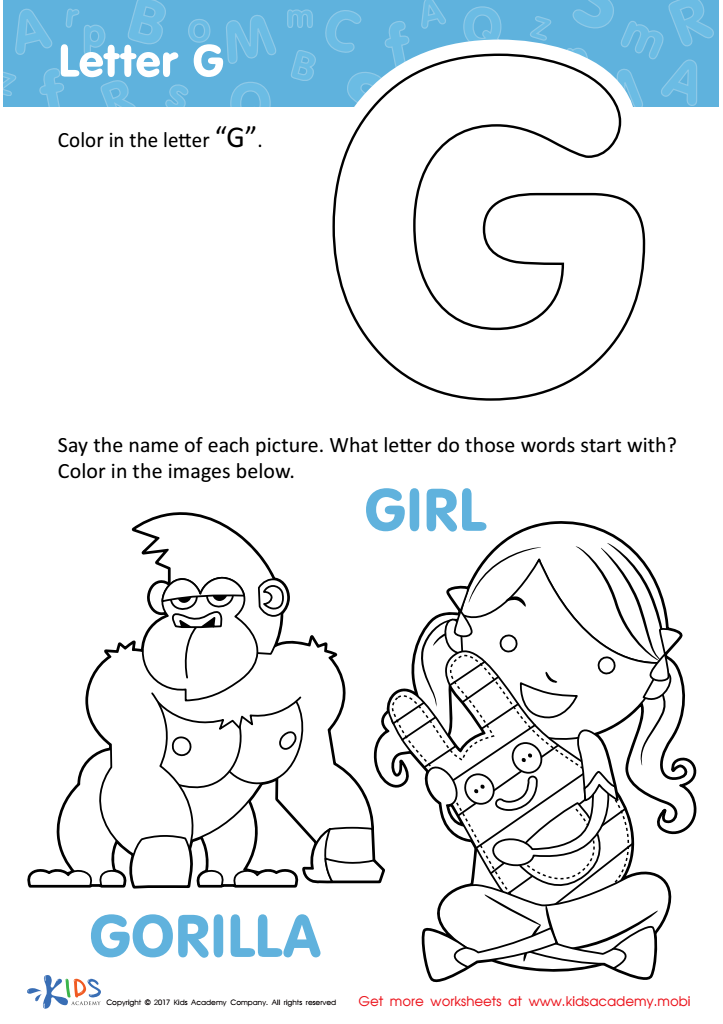
Letter G Coloring Sheet
 Assign to My Students
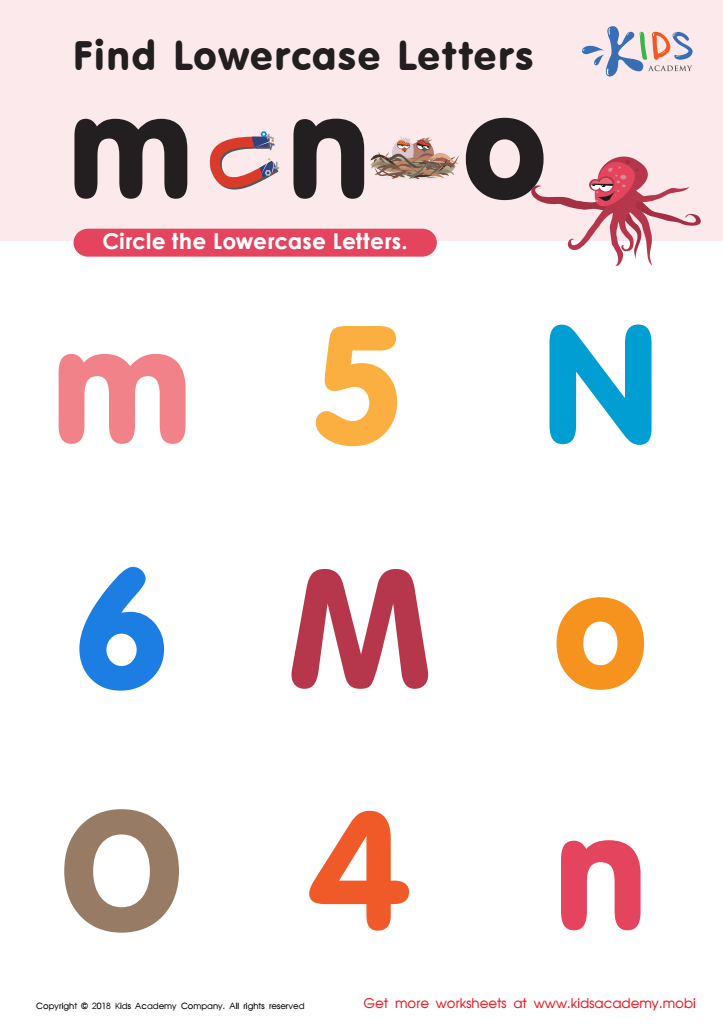
Find Lowercase Letters m n o Worksheet
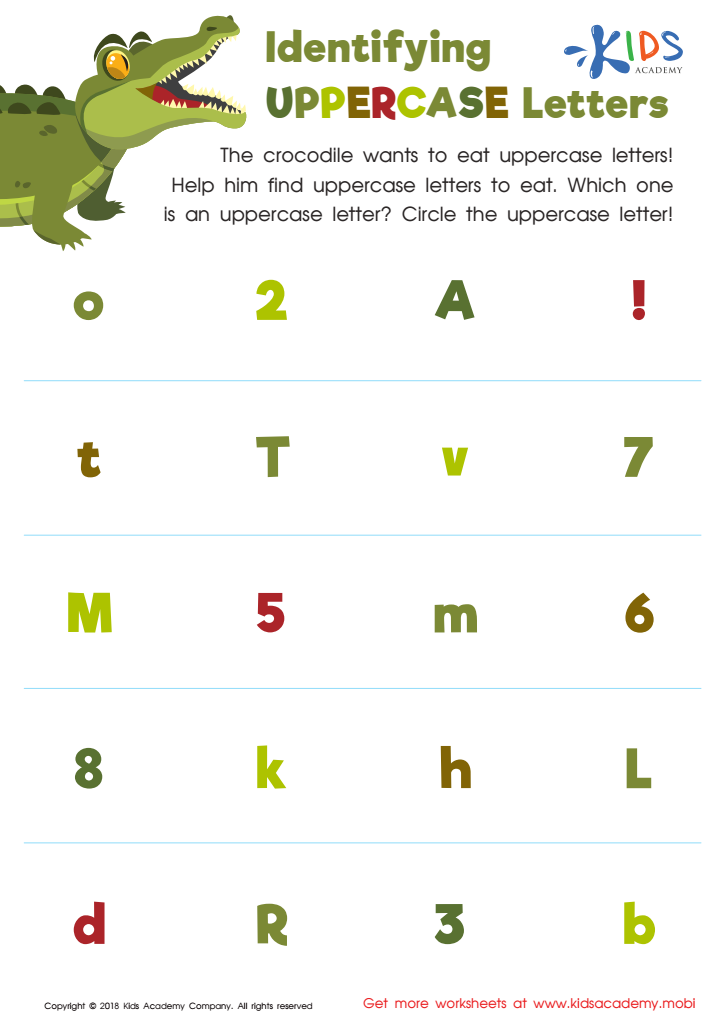
Identifying Uppercase Letters Worksheet
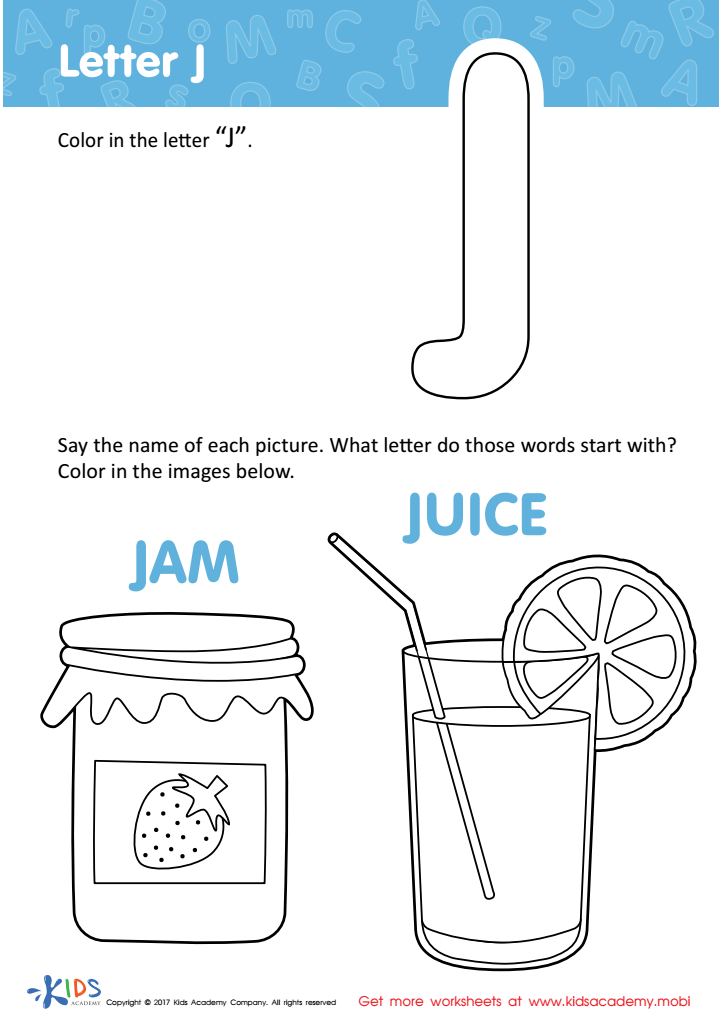
Letter J Coloring Sheet
Assign to My Students

Find lowercase letters a b c Worksheet

Find Lowercase Letters v w x Worksheet
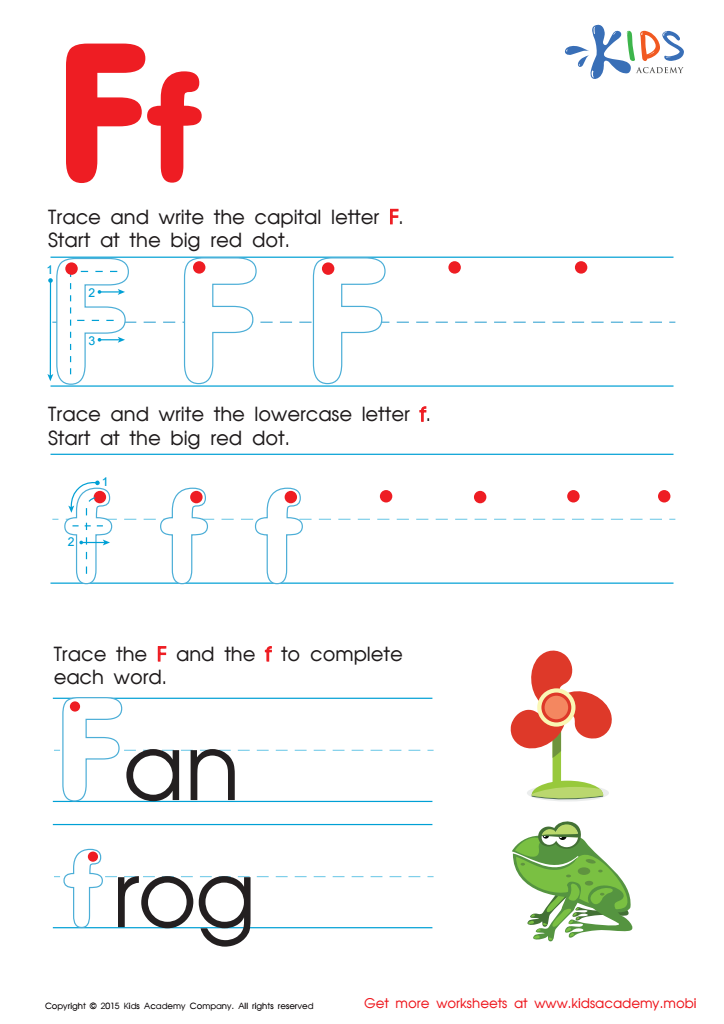
Letter F Tracing Page
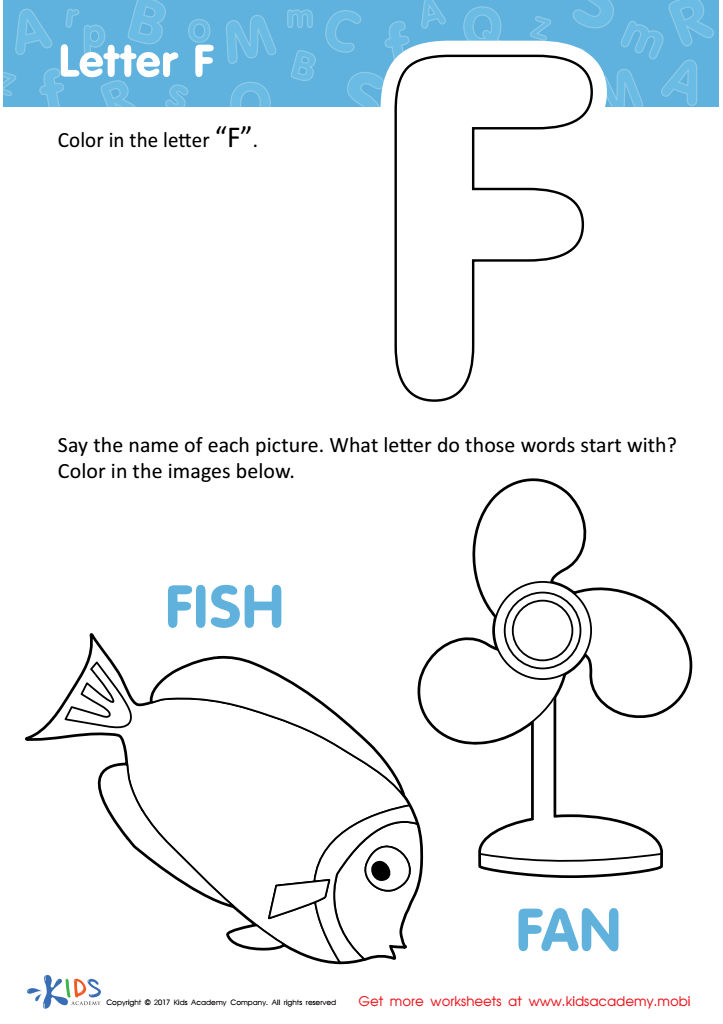
Letter F Coloring Sheet
Assign to My Students
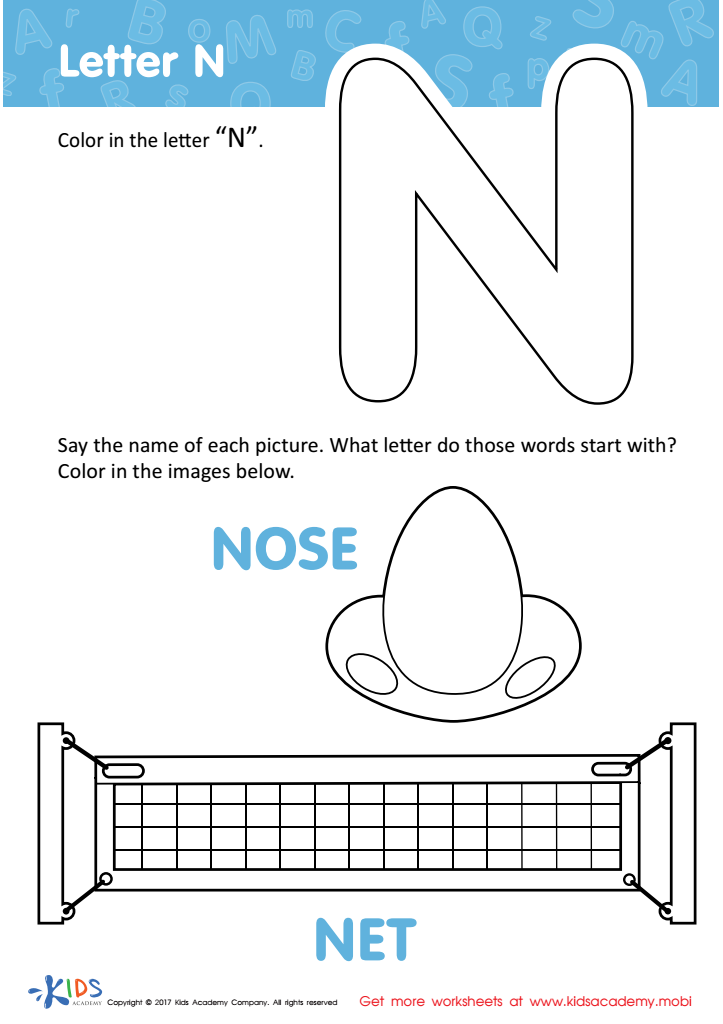
Letter N Coloring Sheet
Assign to My Students

Letter D Tracing Page

Uppercase Letters V, W, and X Worksheet








Fine motor skills and letter recognition are crucial developmental milestones for children aged 4-8, playing a fundamental role in their academic success and overall development. Fine motor skills involve the coordination of small muscles in the hands and fingers, which are essential for tasks like cutting, writing, and manipulating small objects. These skills directly impact a child's ability to engage with writing activities, which are critical for learning to read and write.
Normal letter recognition, the ability to identify and name letters of the alphabet, correlates strongly with early literacy development. It lays the groundwork for understanding phonics, reading fluency, and spelling. Children who struggle with fine motor skills may experience challenges in grasping writing instruments or forming letters, potentially leading to frustration and aversion to learning tasks.
By supporting the development of these skills, parents and teachers can foster a more effective and enjoyable learning environment. Encouraging activities that promote fine motor skills—such as playdough manipulation, tracing, and crafting—can enhance a child's confidence and engagement. Furthermore, recognizing letters in fun, interactive ways helps build a strong foundation for reading, setting the stage for academic success. Investing attention in these areas ultimately nurtures lifelong learners equipped for future challenges.








