Handwriting practice Normal Letter Recognition Worksheets for Ages 4-8
23 filtered results
-
From - To
Help your child develop essential handwriting skills with our Handwriting Practice Normal Letter Recognition Worksheets, designed for ages 4-8. These engaging worksheets foster letter recognition while promoting fine motor skills through fun writing activities. Each worksheet features a variety of exercises, including tracing letters, identifying uppercase and lowercase forms, and connecting letters to pictures that begin with each letter sound. Ideal for early learners, our resources encourage practice in a playful and supportive manner, enhancing their confidence and literacy foundation. Start your child's writing journey today, and watch their skills flourish with our captivating materials tailored for young learners!
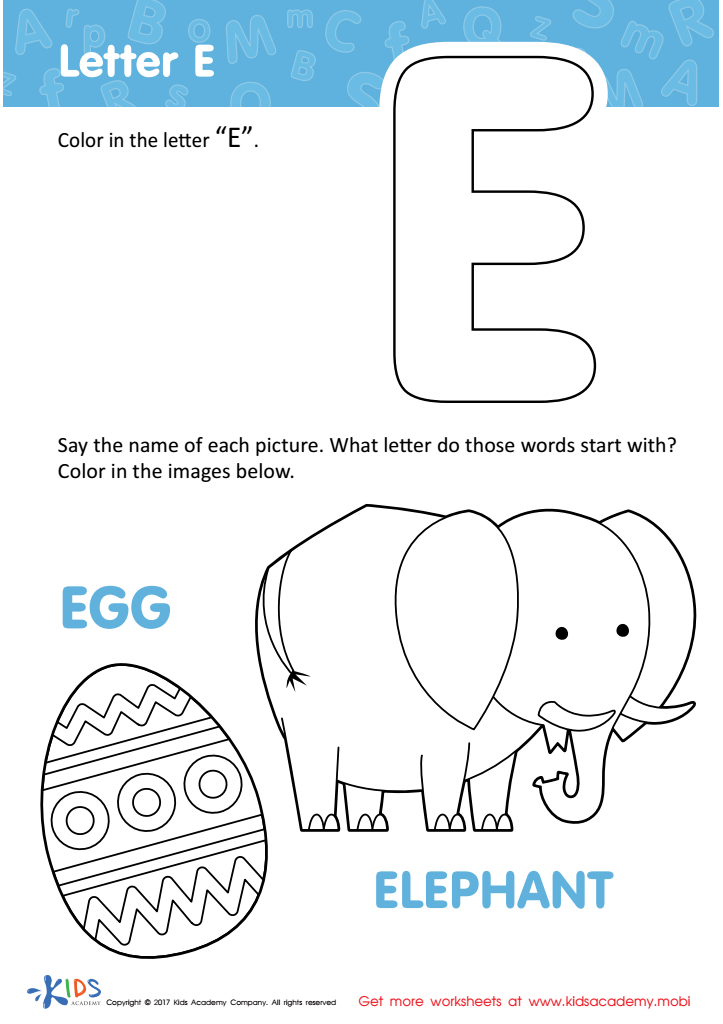
Letter E Coloring Sheet
 Assign to My Students
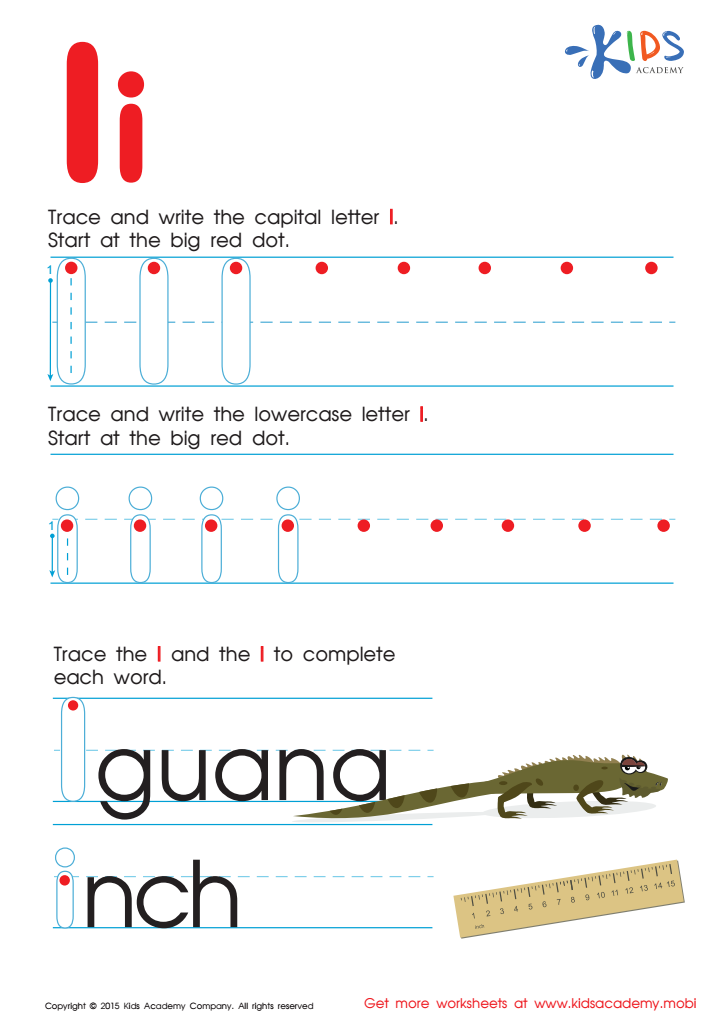
Letter I Tracing Page
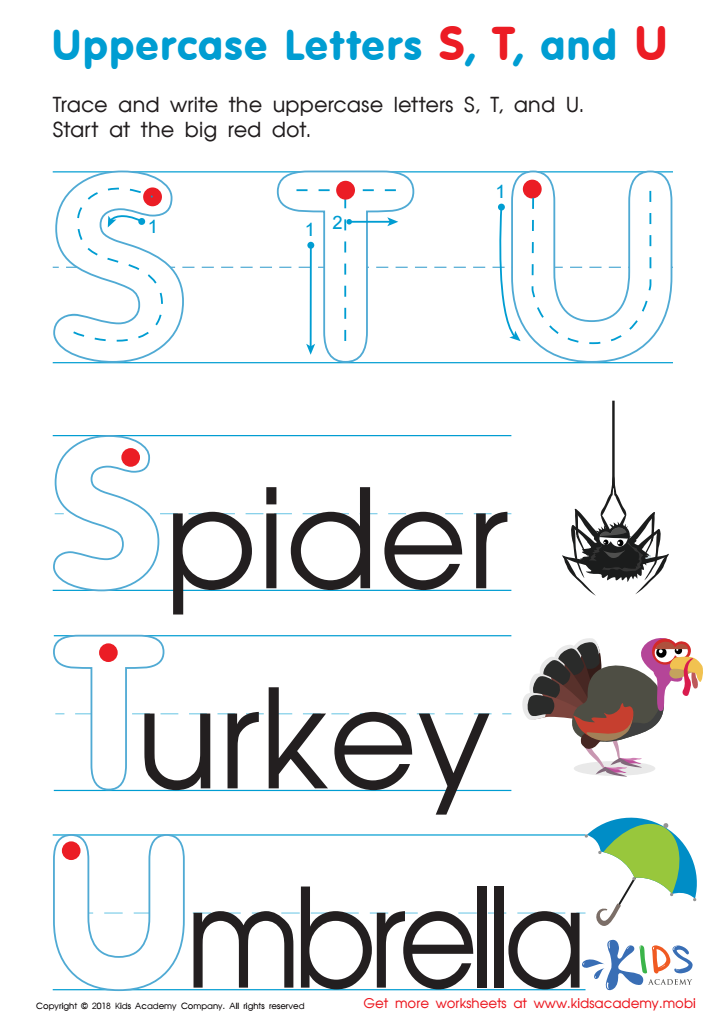
Uppercase Letters S, T, and U Worksheet
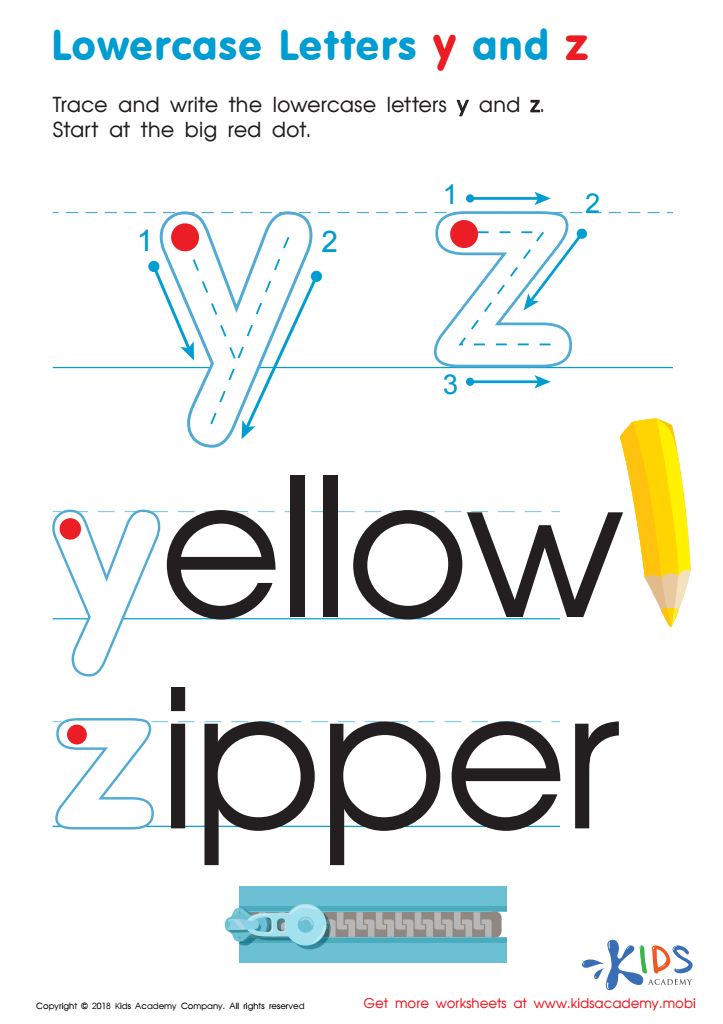
Lowercase Letters y z Worksheet
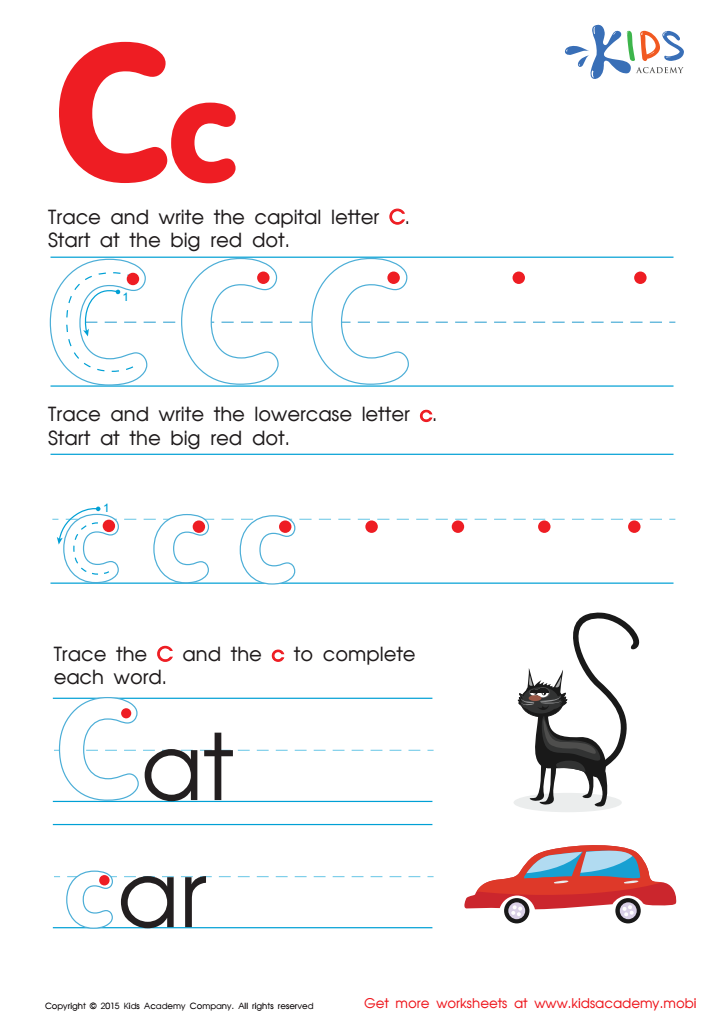
Letter C Tracing Page
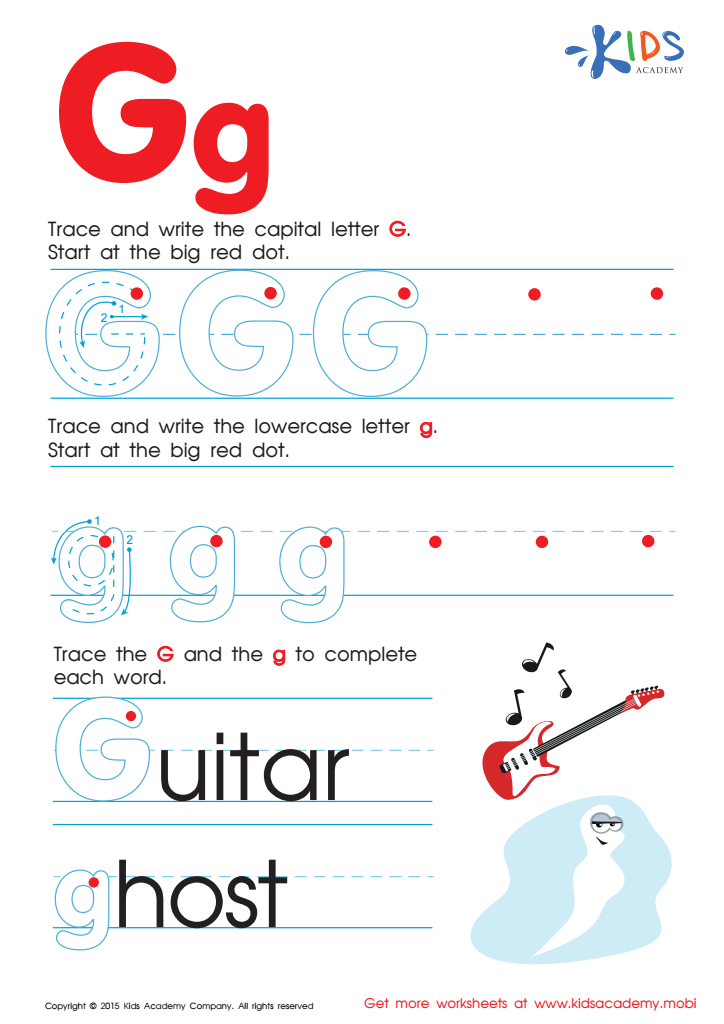
Letter G Tracing Page
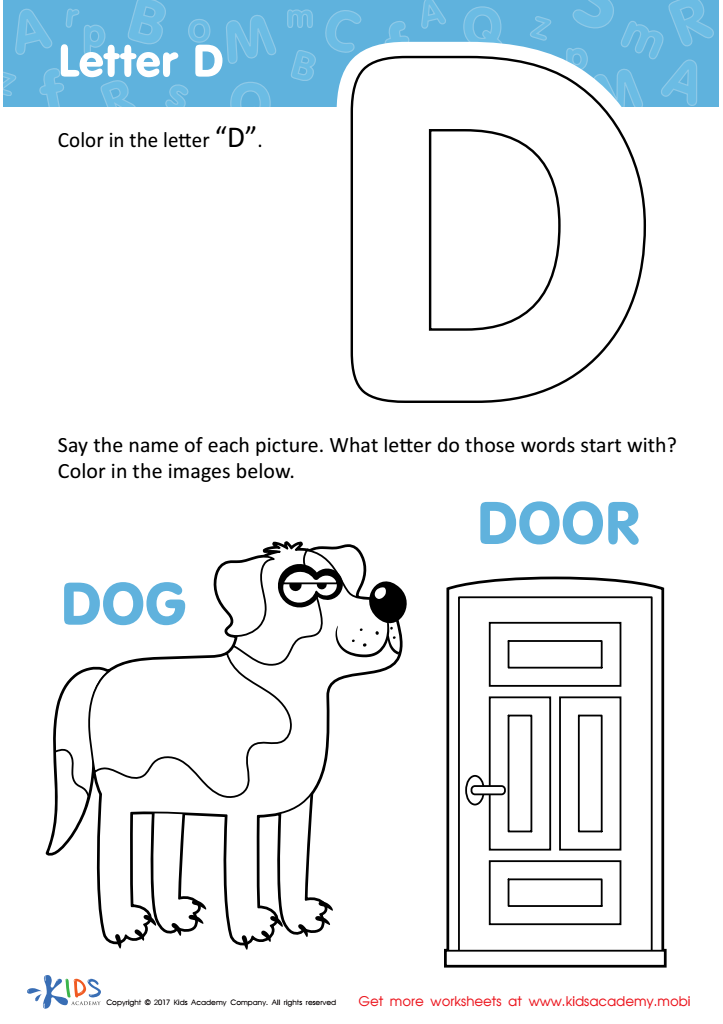
Letter D Coloring Sheet
Assign to My Students
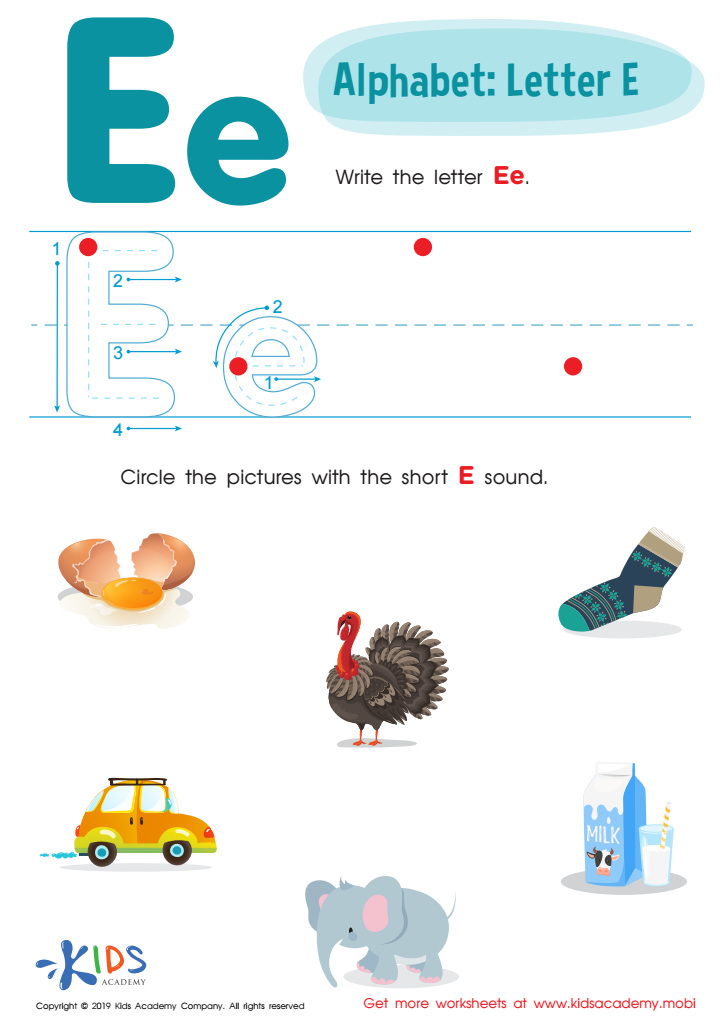
Letter E Tracing Worksheet
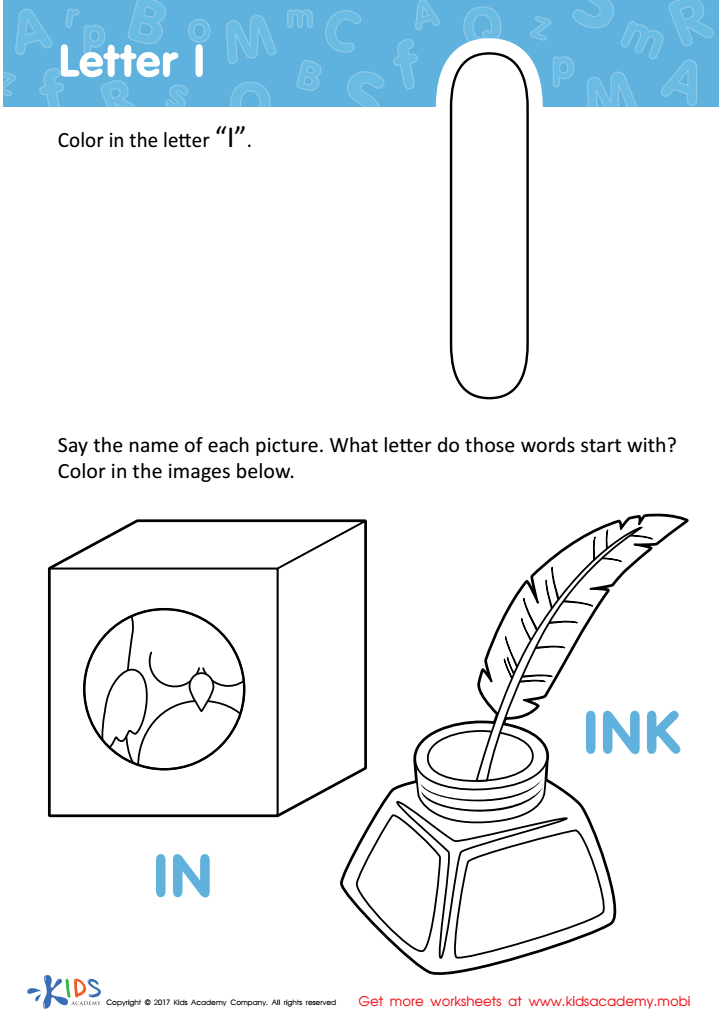
Letter I Coloring Sheet
Assign to My Students
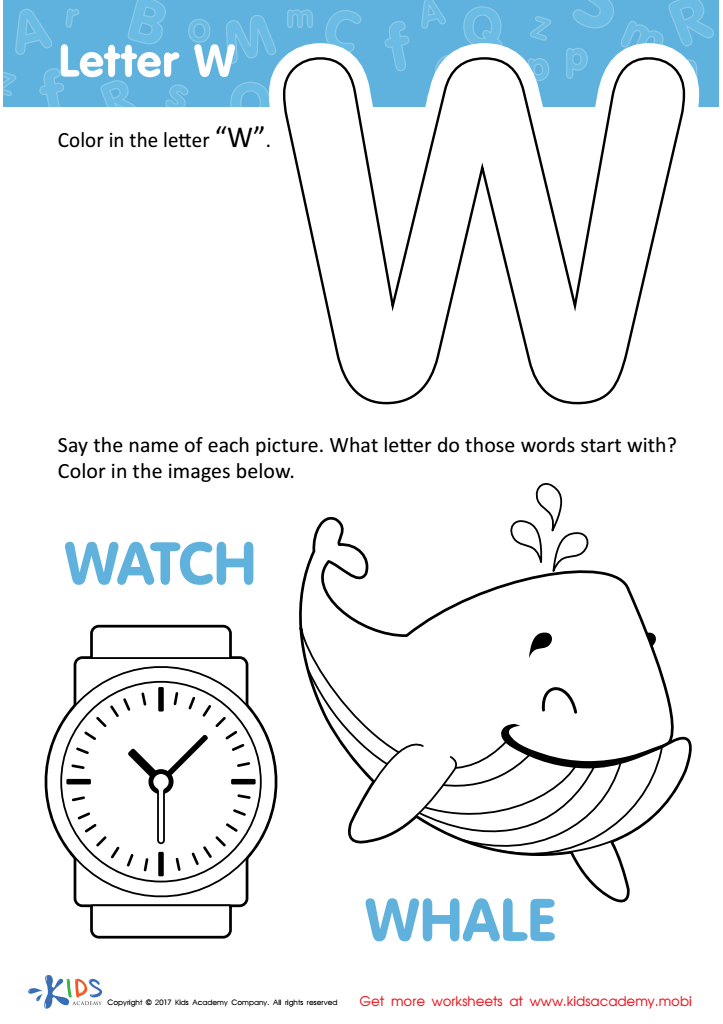
Letter W Coloring Sheet
Assign to My Students
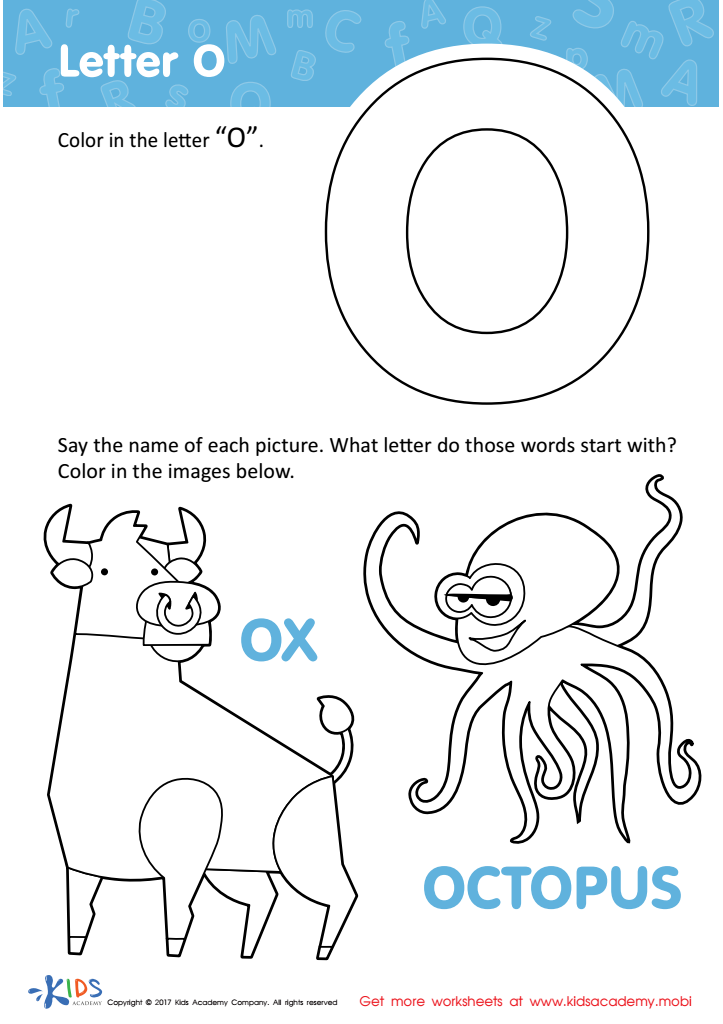
Letter O Coloring Sheet
Assign to My Students
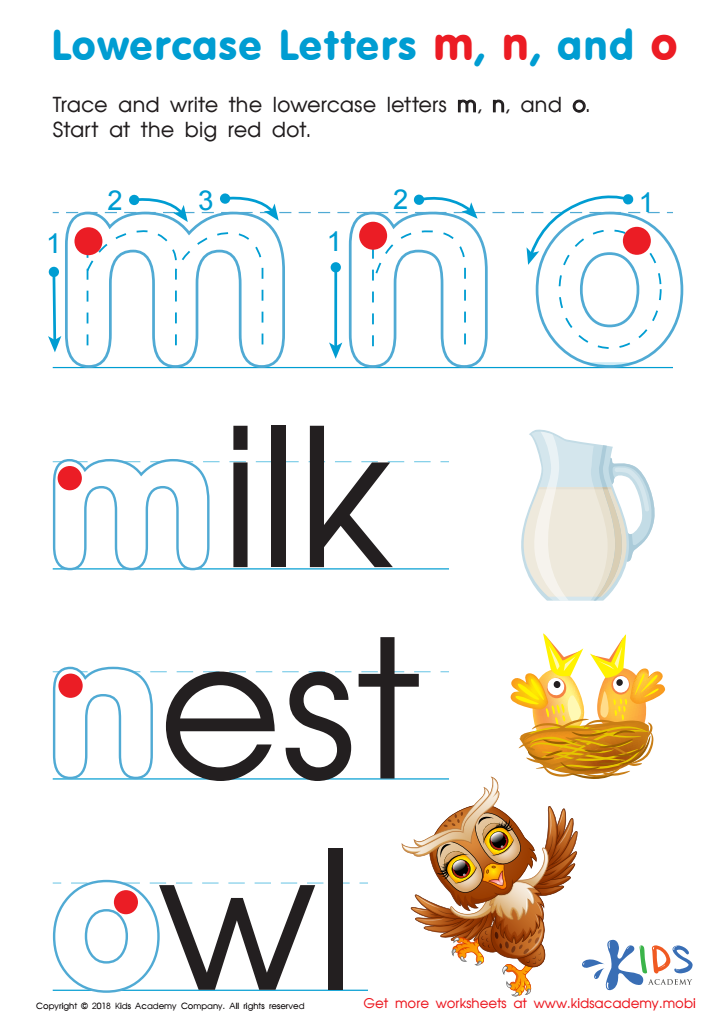
Lowercase Letters m n o Worksheet
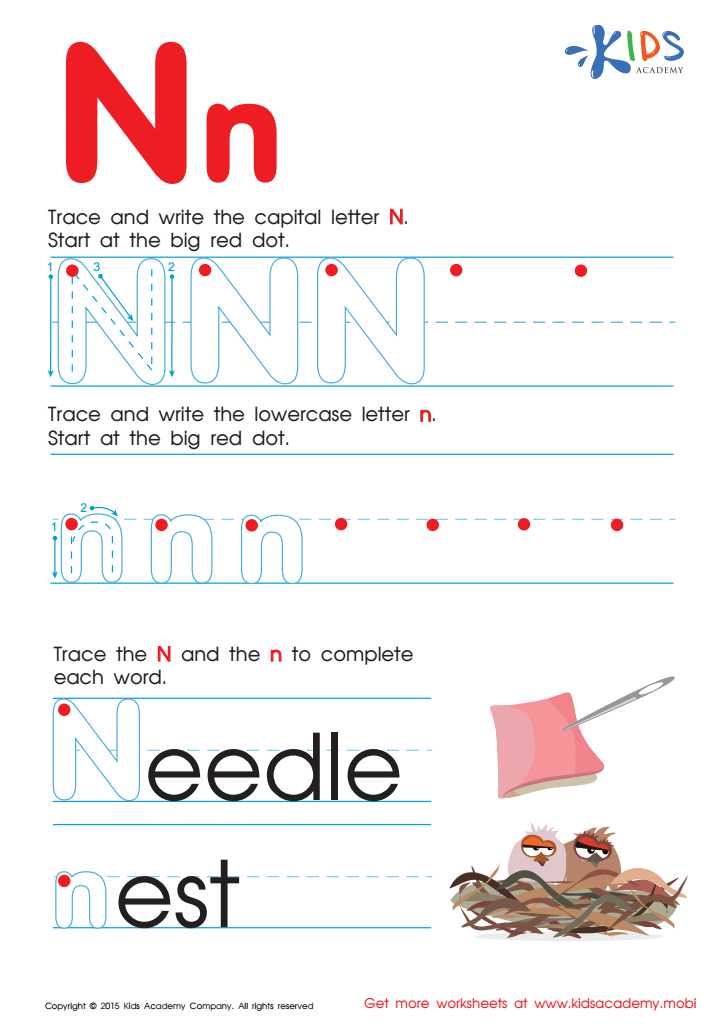
Letter N Tracing Page
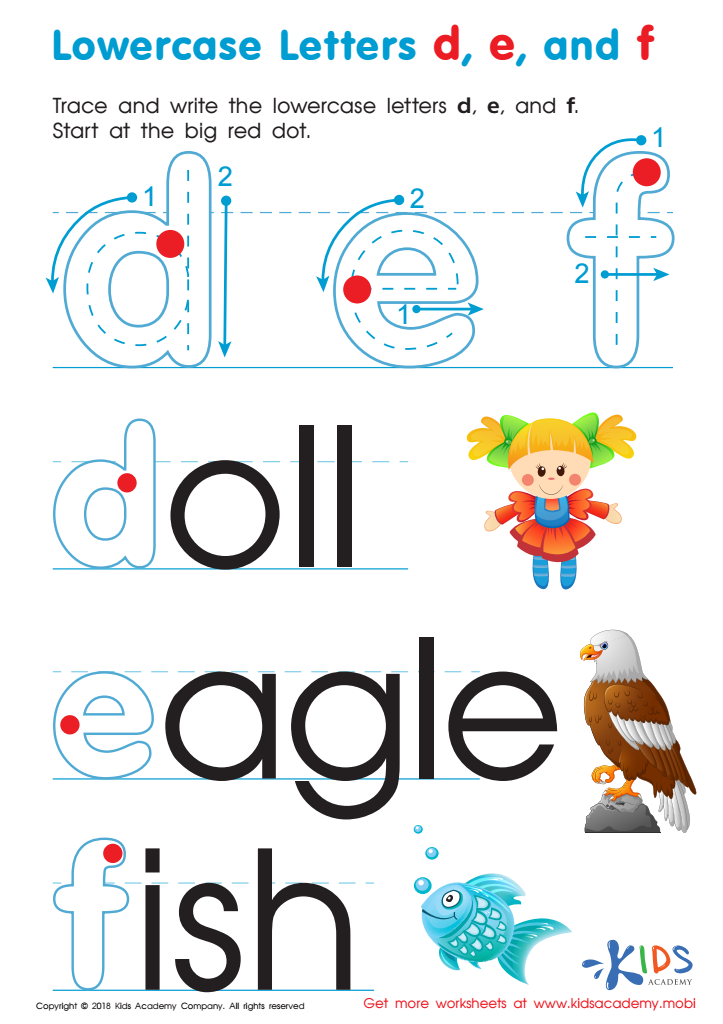
Lowercase Letters d e f Worksheet
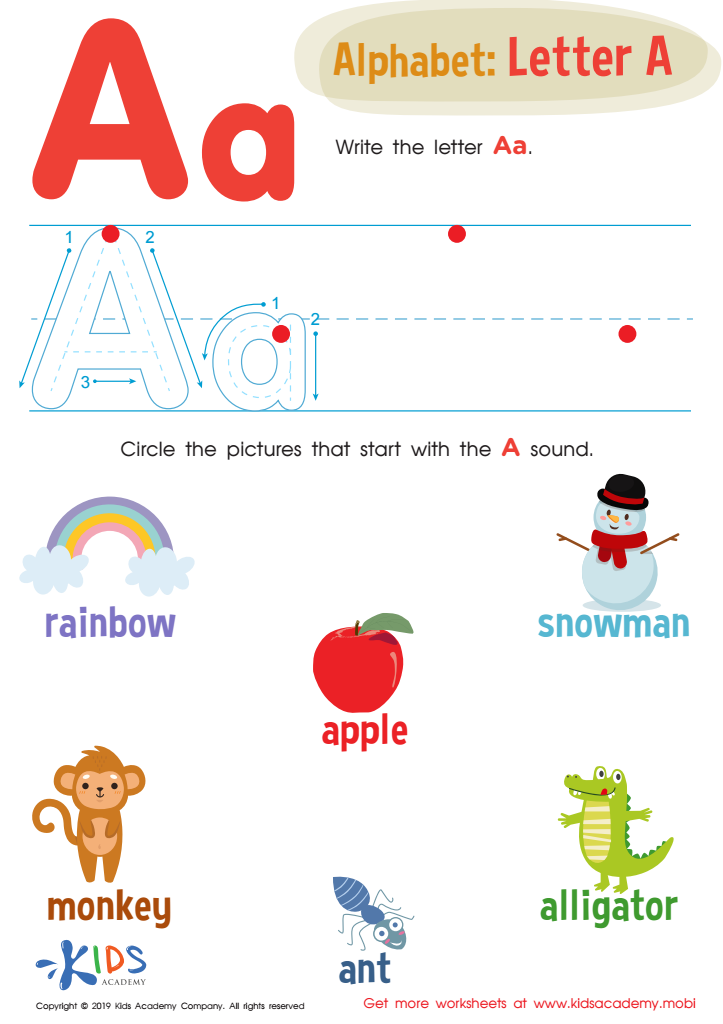
Letter A Tracing Worksheet
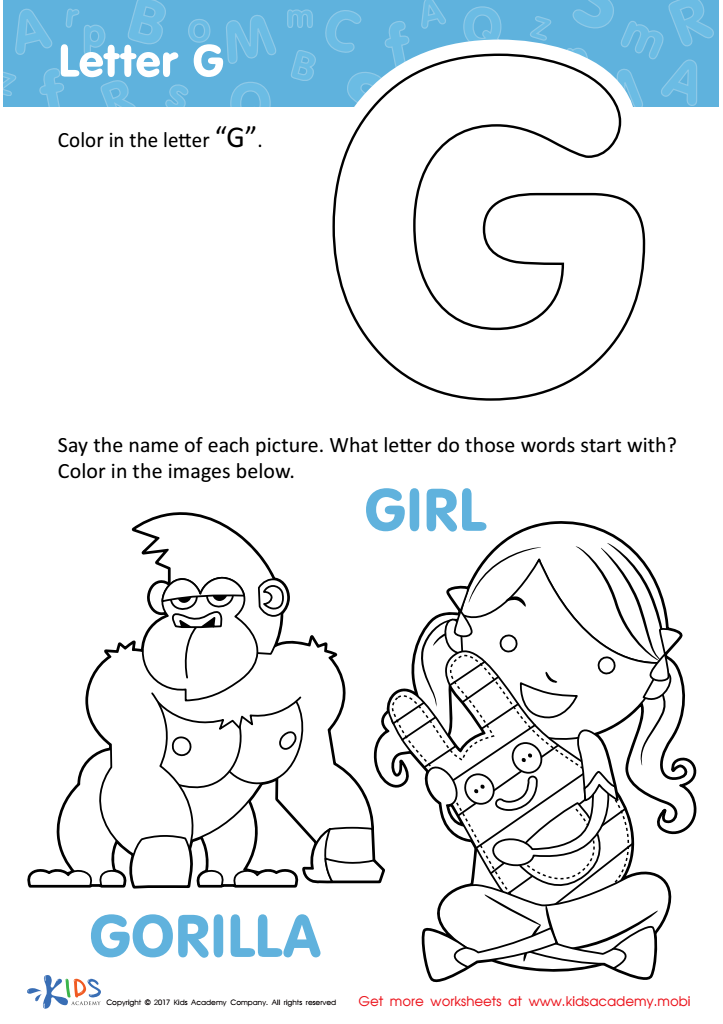
Letter G Coloring Sheet
Assign to My Students
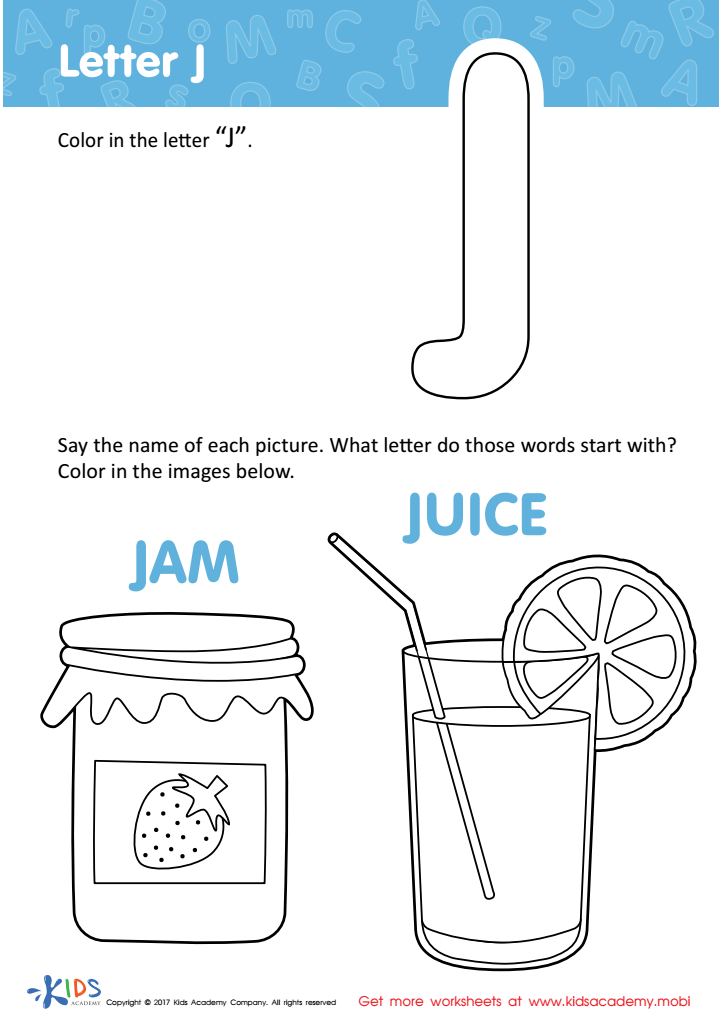
Letter J Coloring Sheet
Assign to My Students
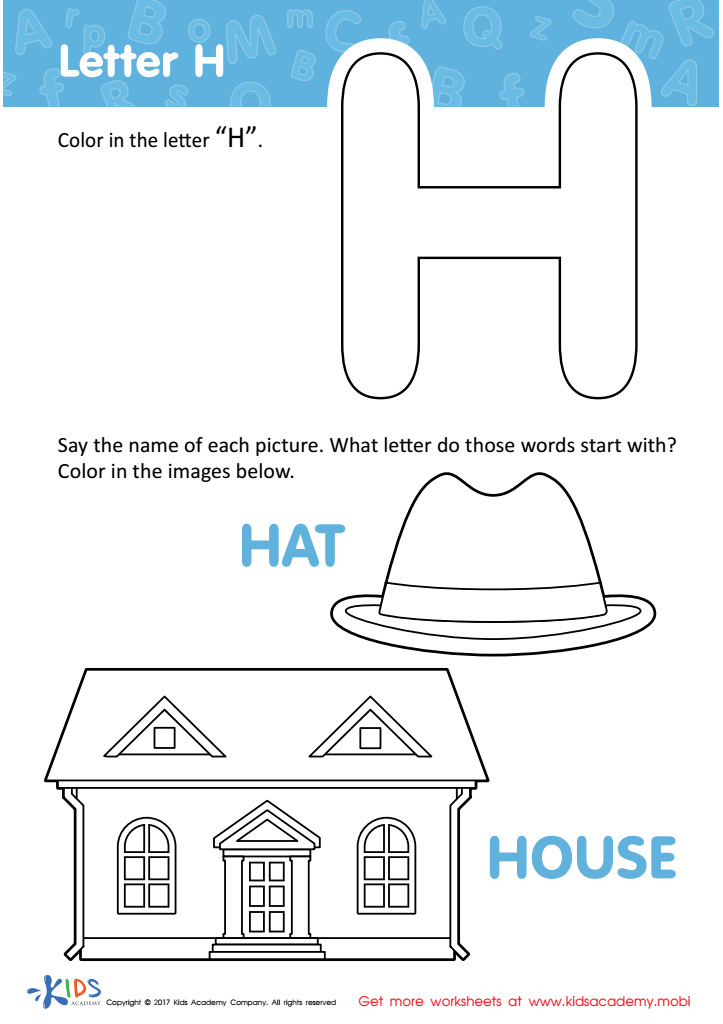
Letter H Coloring Sheet
Assign to My Students
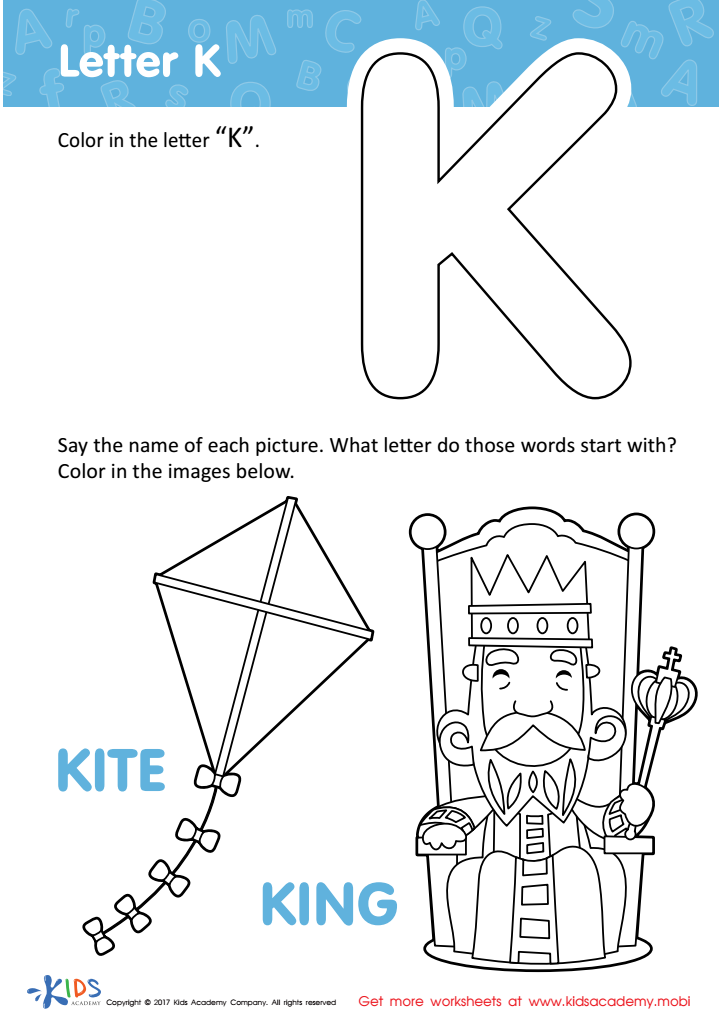
Letter K Coloring Sheet
Assign to My Students
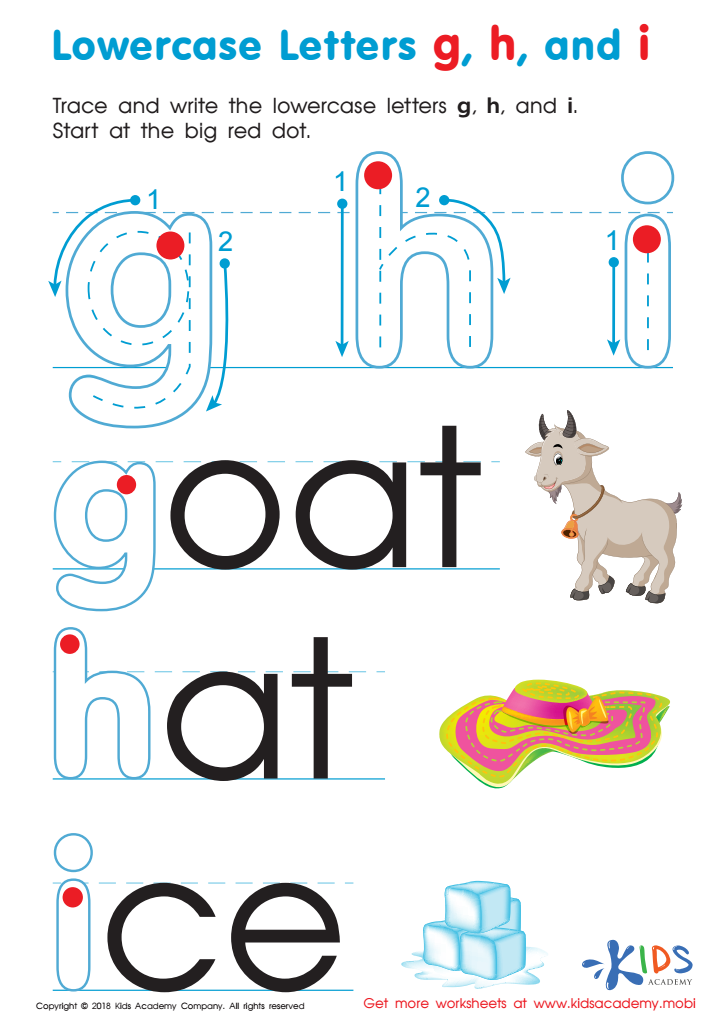
Lowercase Letters g h i Worksheet
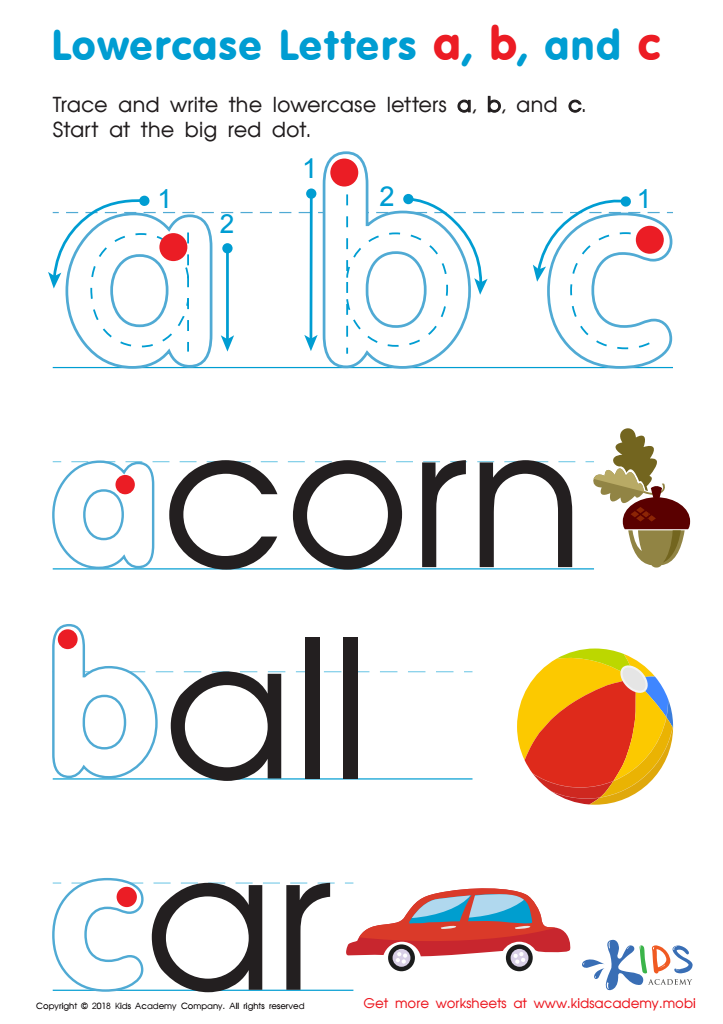
Lowercase Letters a b c Worksheet
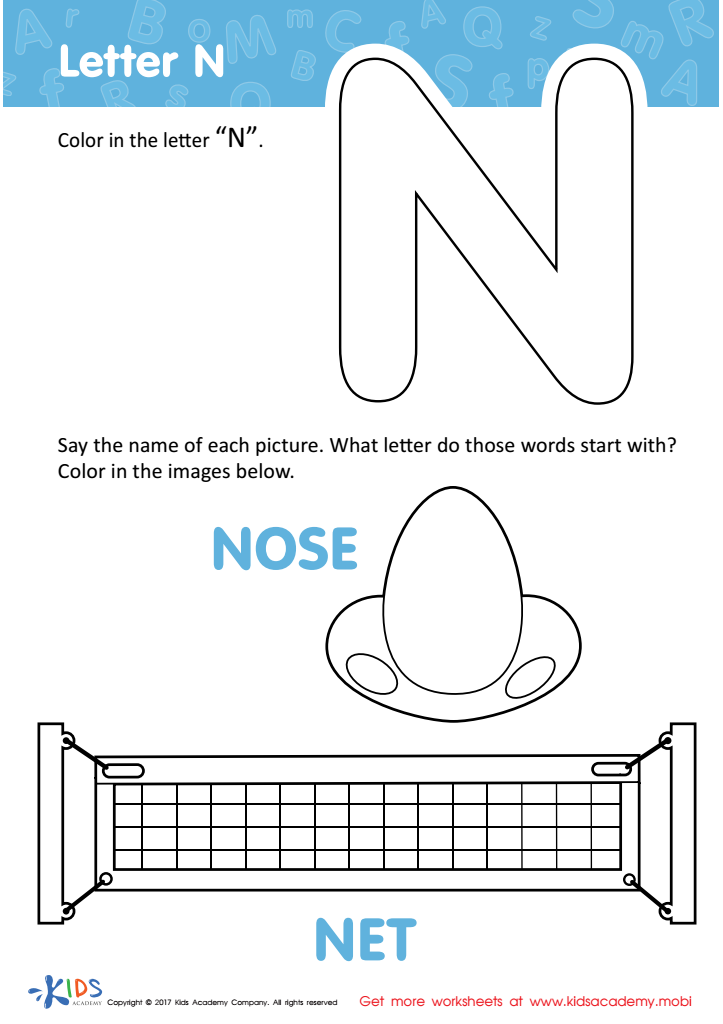
Letter N Coloring Sheet
Assign to My Students
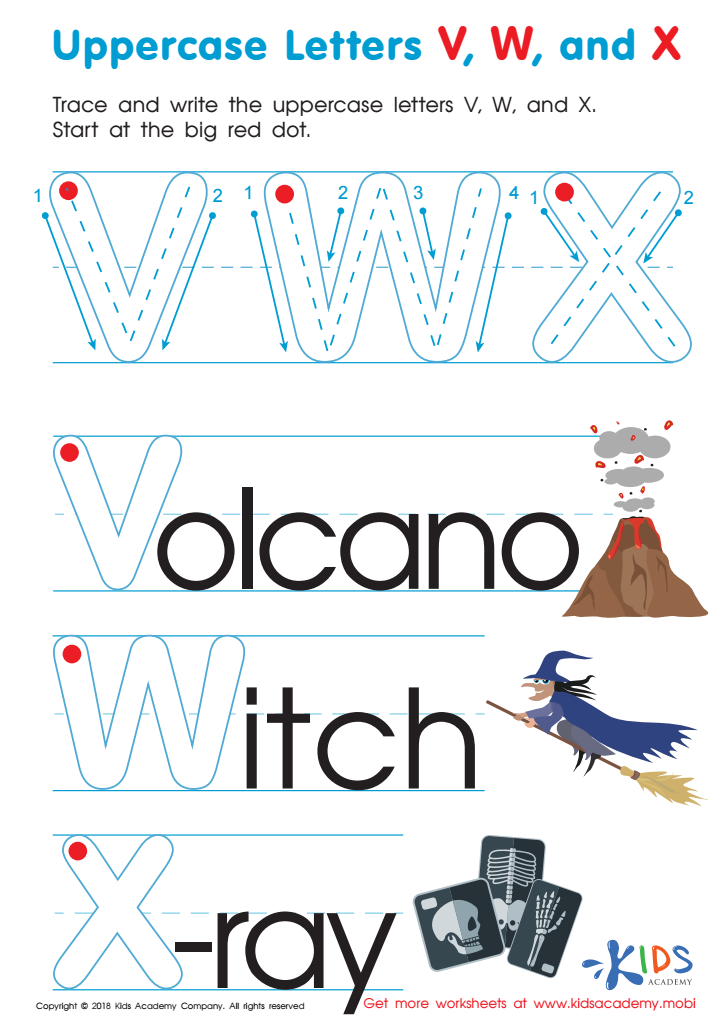
Uppercase Letters V, W, and X Worksheet








Handwriting practice and letter recognition are fundamental skills that lay the groundwork for a child’s literacy development. Between the ages of 4 to 8, children engage in critical cognitive development, making this an ideal time to focus on handwriting and letter recognition.
First, handwriting practice fosters fine motor skills, which are essential for various daily tasks beyond writing. Strong fine motor skills enable children to grasp pencils correctly, control their writing, and eventually perform activities like buttoning clothes or using scissors.
Second, normal letter recognition is vital for reading literacy. Children who can recognize letters by sight can begin to piece together simple words, advancing their reading skills early on. This stage of learning can also enhance their vocabulary and comprehension abilities, setting them up for long-term academic success.
Furthermore, positive experiences with handwriting and reading can build a child’s confidence and motivation in classroom settings. These skills encourage self-expression and creativity while participating in writing and storytelling activities.
Ultimately, both parents and teachers play key roles in nurturing these essential skills, creating an environment that promotes a love for writing and learning. Recognizing their significance early on can inspire successful, confident learners.








