Vocabulary enhancement Normal Letter Recognition Worksheets for Ages 4-8
3 filtered results
-
From - To
Explore our Vocabulary Enhancement Normal Letter Recognition Worksheets designed for children aged 4-8. These engaging and interactive worksheets focus on developing vital letter recognition skills while simultaneously boosting vocabulary. Each activity encourages young learners to identify letters, relate them to corresponding words, and enhance their language abilities through fun exercises. Perfect for both classroom and home use, these worksheets cater to various learning styles, ensuring that every child can thrive. Foster a love for learning in your little ones as they discover the joy of letters and words with our thoughtfully crafted activities. Start your vocabulary journey today!
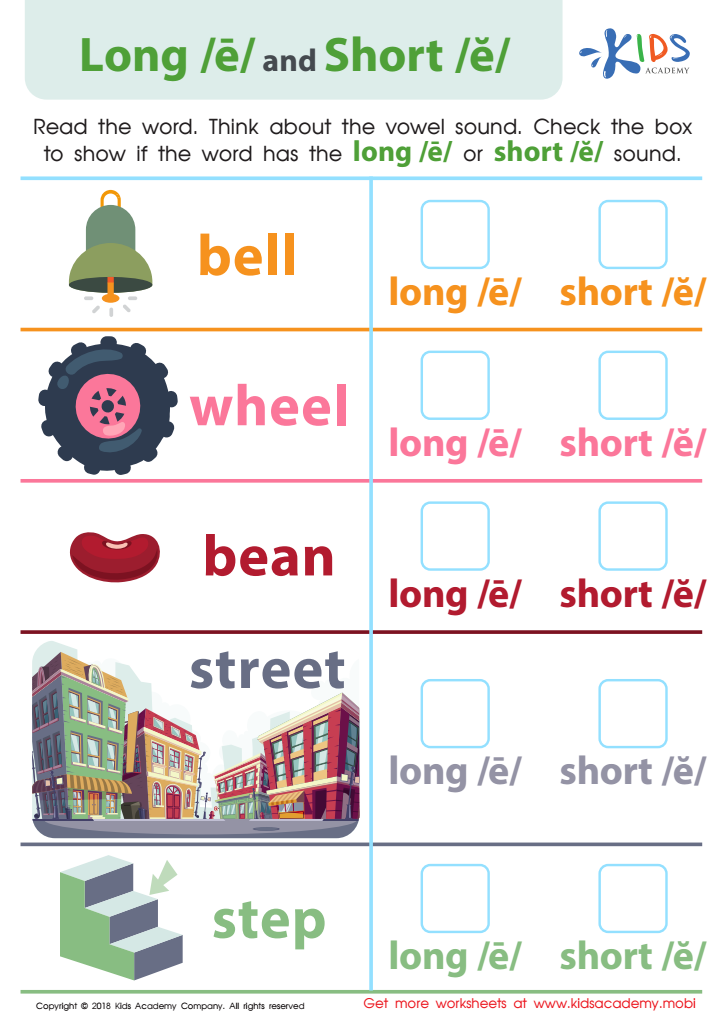
Reading: Long E and Short E Worksheet
 Assign to My Students
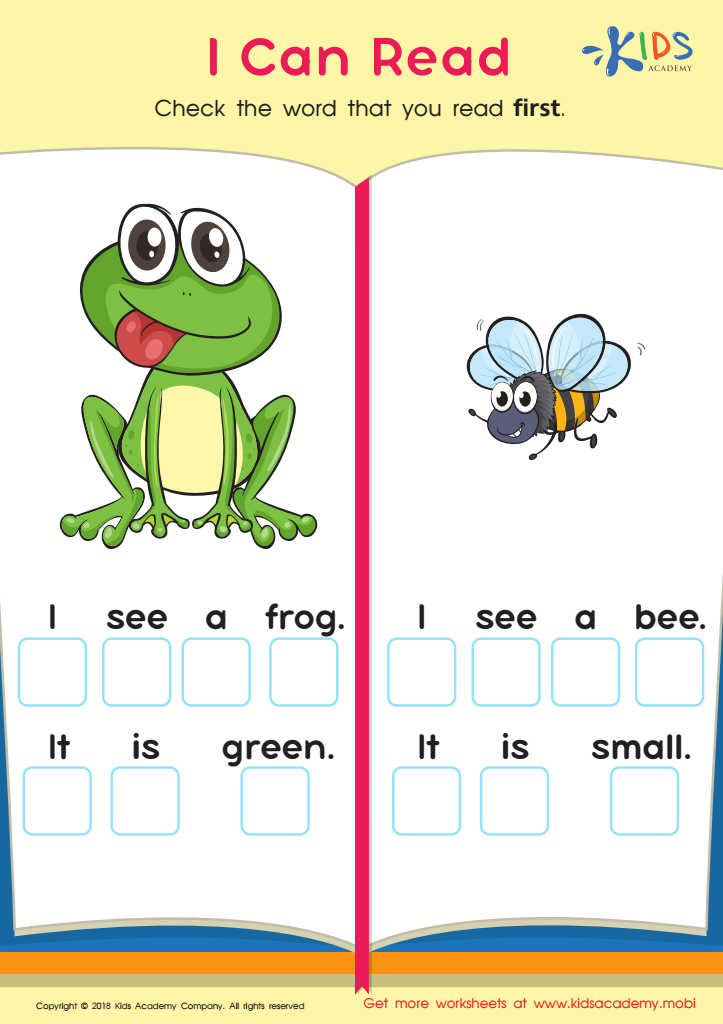
I Can Read Worksheet
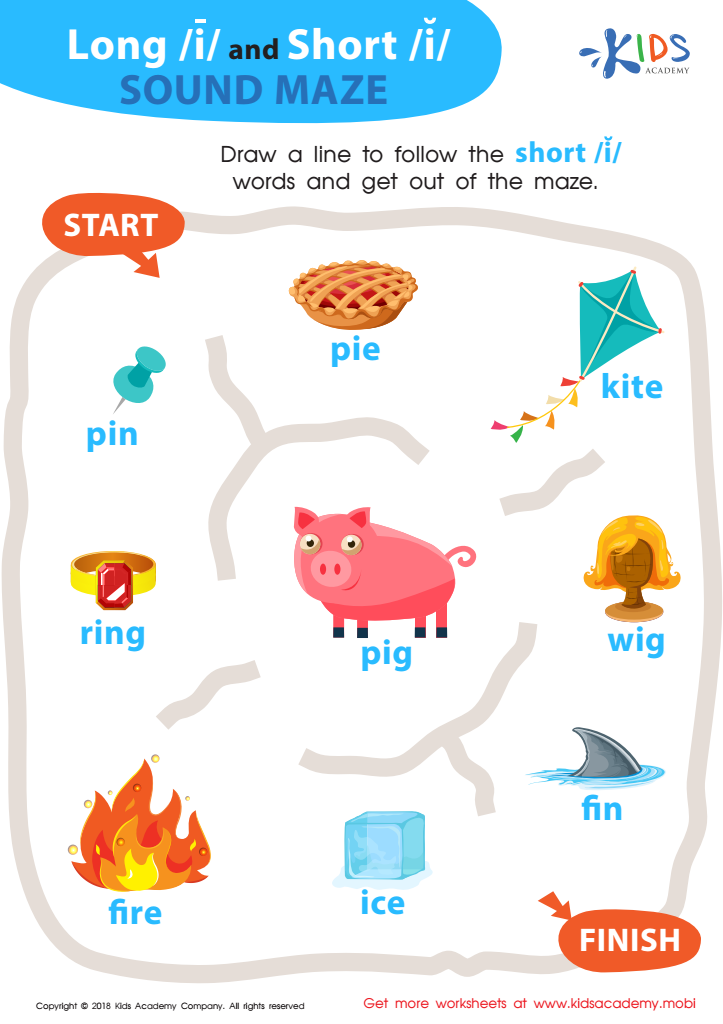
Reading: Long I and Short I Sound Maze Worksheet








Vocabulary enhancement and normal letter recognition for children aged 4-8 are crucial elements in early education that significantly impact literacy development. At this developmental stage, children are continuously building their foundational language skills, and a rich vocabulary is essential for effective communication. Enhanced vocabulary helps children express themselves clearly, understand their environment, and engage in meaningful conversations, which boosts their confidence and fosters social interactions.
Normal letter recognition—that is, the ability to identify and name letters—sets the groundwork for reading literacy. When children can recognize letters and associate them with sounds, they develop crucial phonemic awareness, paving the way for reading fluency. This skill is linked to better academic performance as children progress through school.
By focusing on vocabulary enhancement and letter recognition, both parents and teachers play a critical role in fostering a love for learning. Engaging activities, such as reading together and playing word games, can make these fundamental skills enjoyable. Additionally, these skills create a strong base for future reading and writing abilities, ensuring that children are prepared for more complex learning as they advance in their education. Supporting these aspects now can yield lifelong benefits in literacy and overall cognitive development.








