Fine Motor Skills Normal Phonics Worksheets for Ages 4-8
5 filtered results
-
From - To
Enhance your child's fine motor skills with our engaging Normal Phonics Worksheets, designed for ages 4-8! These worksheets combine phonics practice with fun activities that promote hand-eye coordination, grip strength, and dexterity. As children trace letters, color images, and engage in various interactive tasks, they’ll develop essential skills for writing and reading. Tailored for early learners, each worksheet encourages creativity while reinforcing phonetic awareness, making learning enjoyable. Perfect for home or classroom use, these worksheets provide a comprehensive tool for educators and parents to cultivate both literacy and fine motor developments in young children. Download now and watch your child's skills flourish!
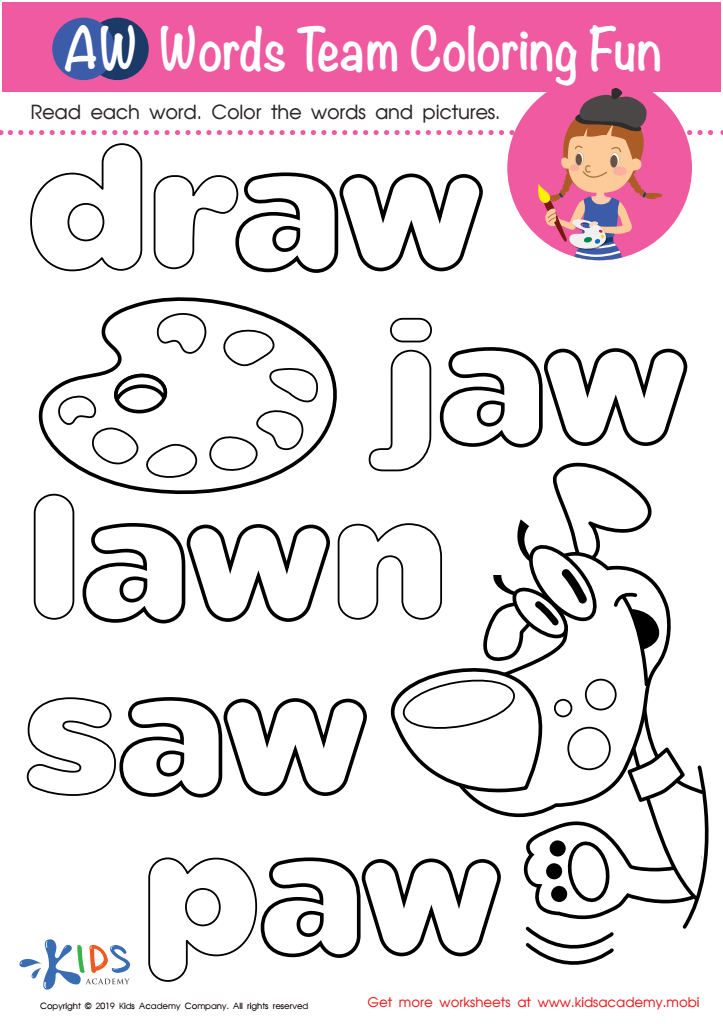
AW Words Team Coloring Fun Worksheet
 Assign to My Students
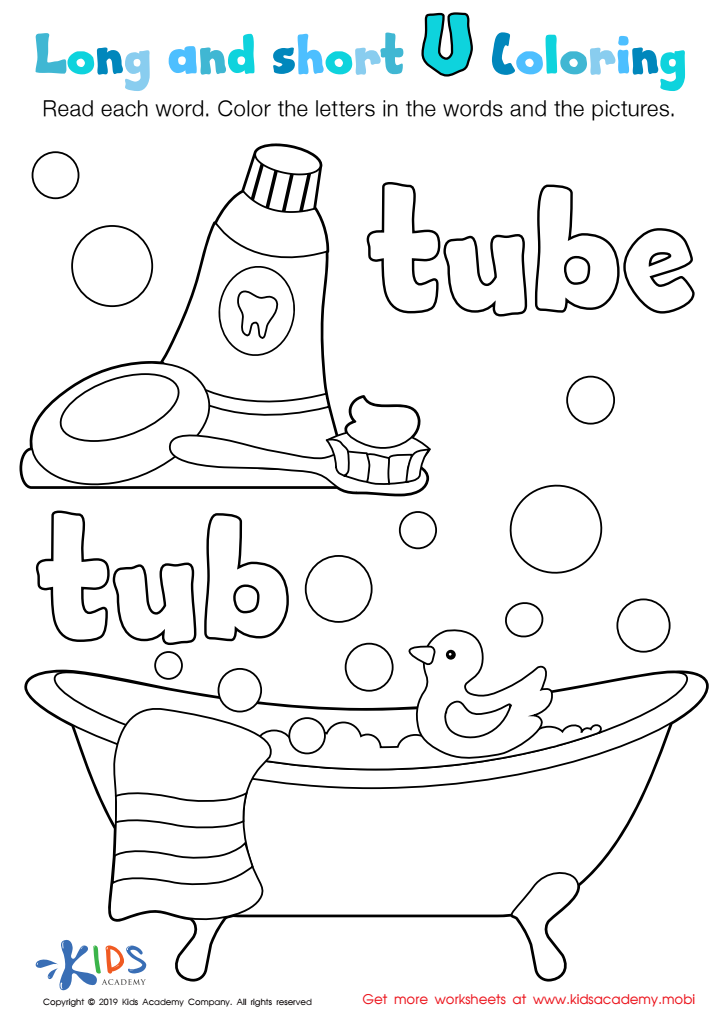
Long and Short U Worksheet
Assign to My Students
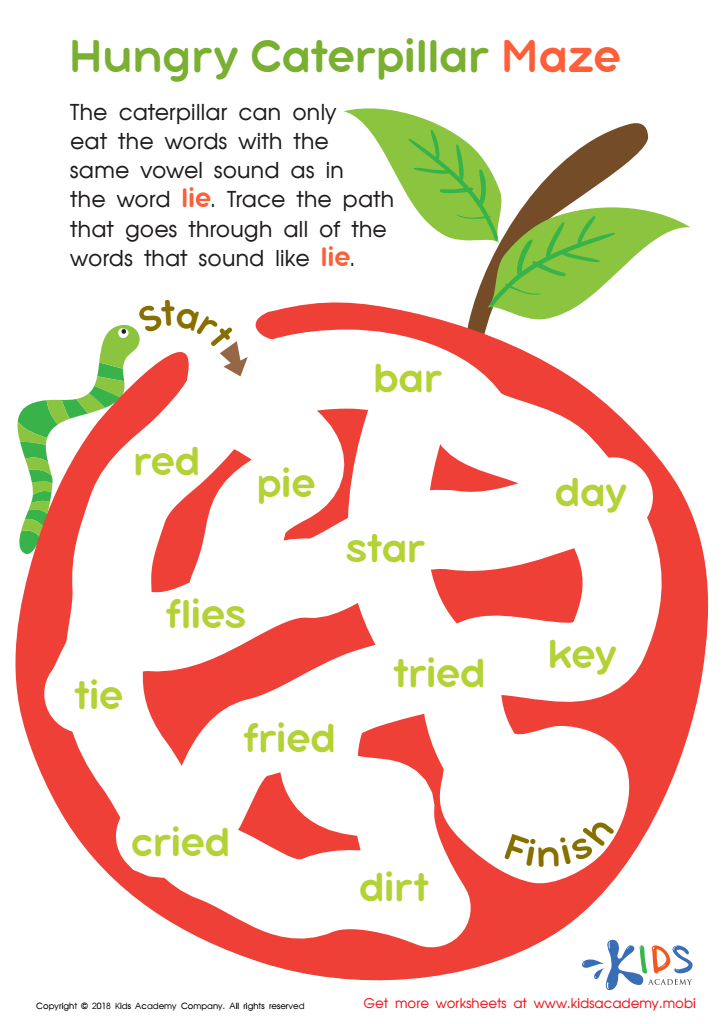
Hungry Caterpillar Maze Worksheet
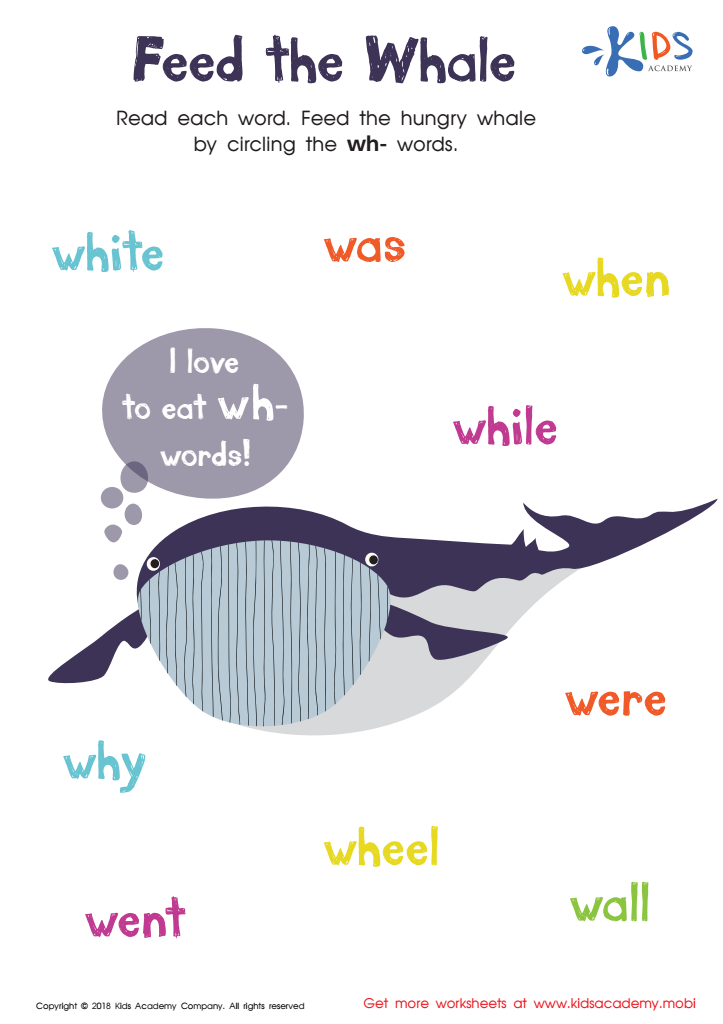
Feed the Whale Worksheet
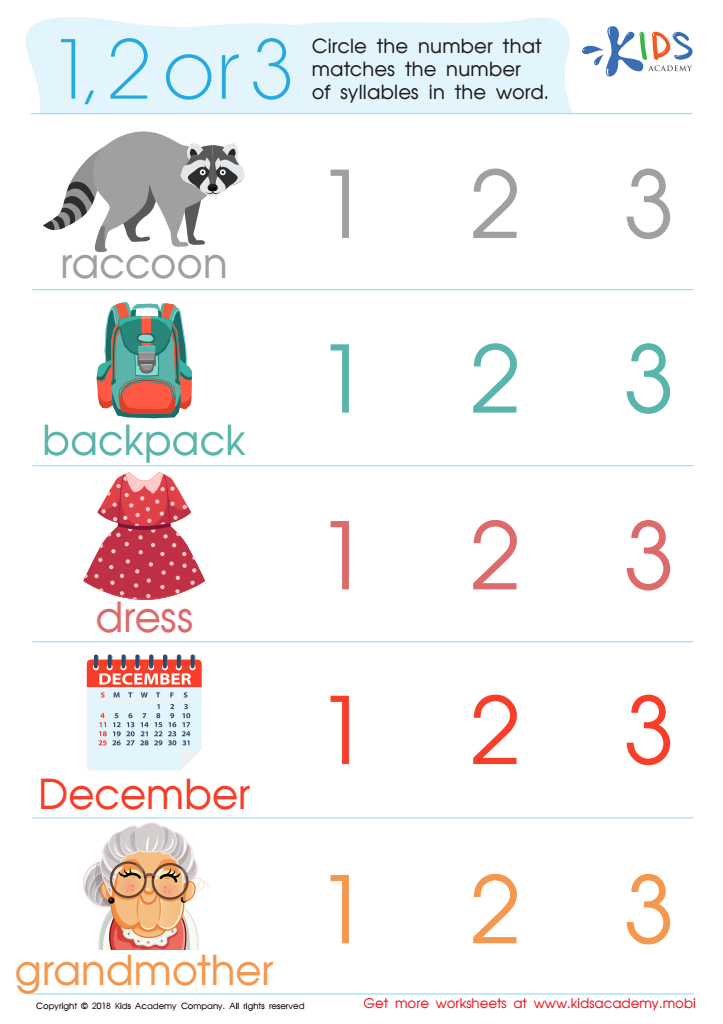
1, 2 or 3? Worksheet








Fine motor skills are crucial for children aged 4-8, as they enable essential tasks such as writing, drawing, and buttoning clothes, all of which are foundational for independent living and social interaction. Developing these skills enhances hand-eye coordination and dexterity, paving the way for academic success, particularly in reading and writing.
Normal phonics is equally important during this developmental stage. It helps children understand the relationship between letters and sounds, which is vital for effective reading and spelling. Mastery of phonics promotes confidence and a love for reading, laying a strong groundwork for future literacy skills.
Parents and teachers should care about both aspects because they work synergistically to support healthy cognitive and physical development. Strong fine motor skills enable children to manipulate writing tools and other resources fluently, while phonics instruction aids in making sense of literacy, directly impacting academic performance.
Moreover, emphasizing fine motor skills and phonics fosters not only learning but also emotional well-being, as children who succeed in these areas often experience increased self-esteem. By nurturing these skills, adults play a vital role in shaping well-rounded, competent individuals prepared for the challenges of academic life and beyond.







