Hand-eye Coordination Normal Phonics Worksheets for Ages 4-8
5 filtered results
-
From - To
Enhance your child's learning experience with our Hand-eye Coordination Normal Phonics Worksheets, designed specifically for ages 4-8. These engaging worksheets combine phonics practice with essential hand-eye coordination exercises, making learning fun and interactive. Each page features colorful illustrations and various activities that encourage children to connect letters and sounds through movement and coordination. Perfect for home or classroom use, these worksheets aim to build foundational literacy skills while promoting fine motor development. Help your child master phonics in a hands-on way, making reading enjoyable and effective. Download and explore our collection today for an exciting educational journey!
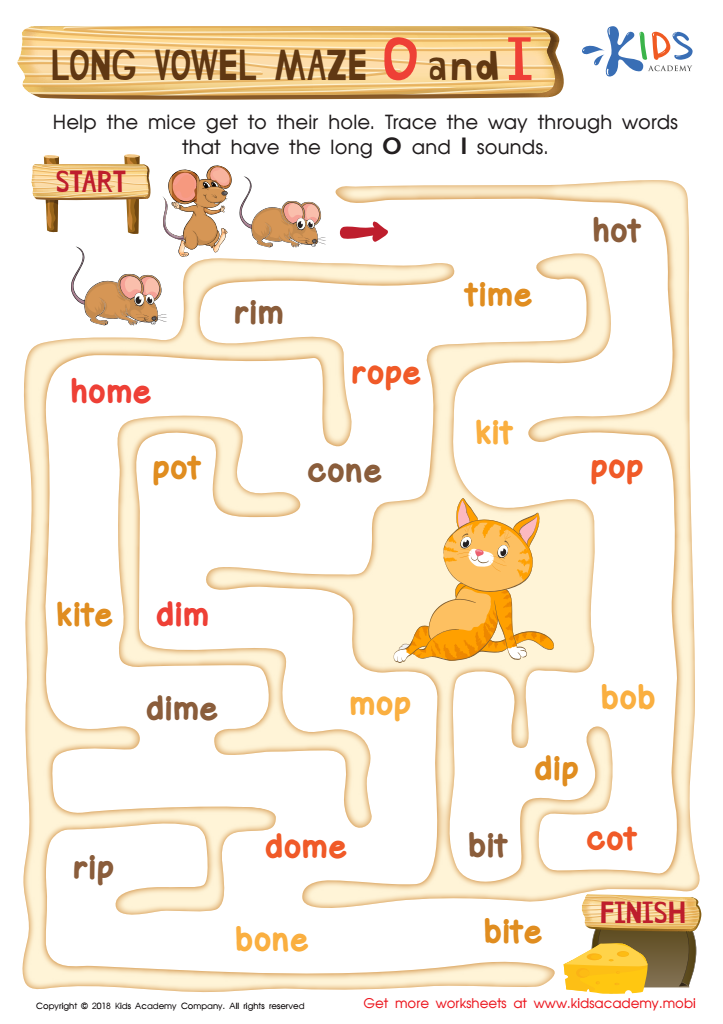
Long Vowel Maze /o/ and /i/ Worksheet
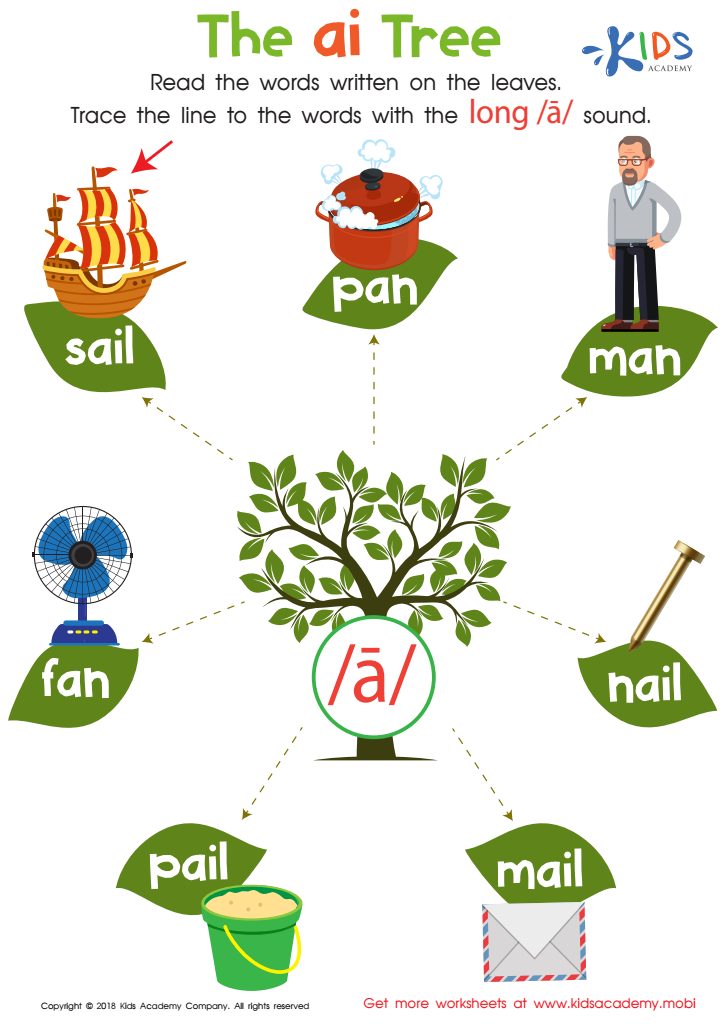
The AI Tree Worksheet

Long and Short U Worksheet
 Assign to My Students
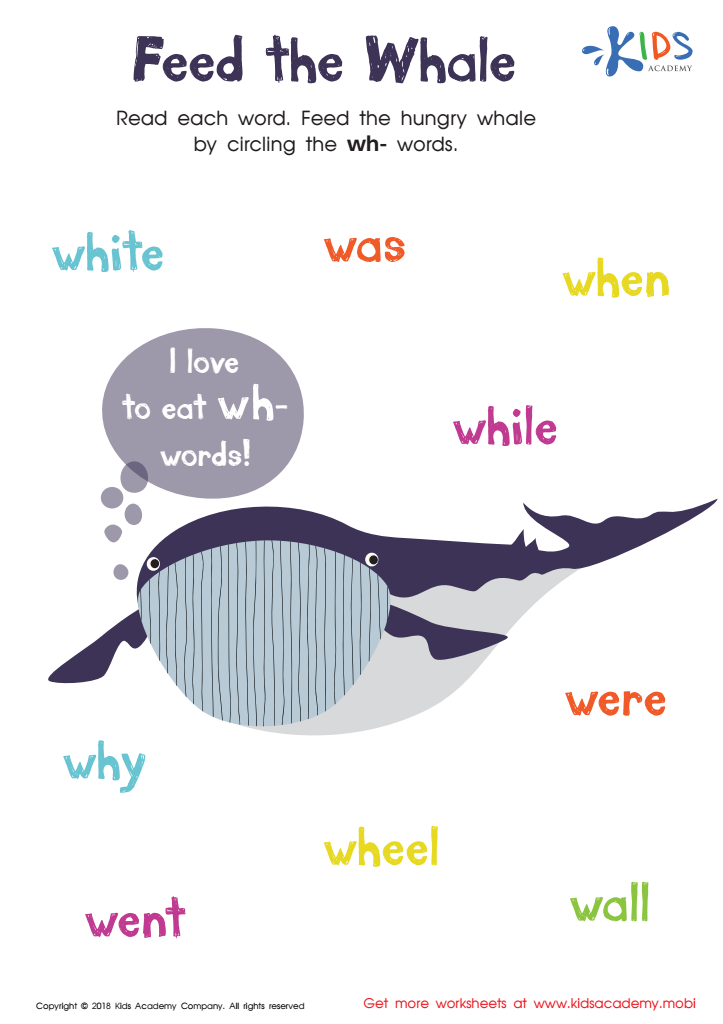
Feed the Whale Worksheet

Long and Short E Worksheet
Assign to My Students








Hand-eye coordination and phonics are crucial components of early childhood development, particularly for children ages 4 to 8. Mastering hand-eye coordination helps children perform essential tasks, such as writing, drawing, and even participating in sports. This skill strengthens fine motor development, fostering confidence and independence in their daily activities. For parents and teachers, recognizing the importance of these skills can lead to engaging learning experiences that promote physical and cognitive growth.
On the other hand, normal phonics instruction lays a solid foundation for literacy. This systematic approach enables children to understand the relationship between letters and their corresponding sounds, which is vital for reading and writing. Proficient phonics skills can have long-term benefits, leading to improved reading fluency and comprehension.
Incorporating activities that enhance both hand-eye coordination and phonics provides an integrated learning experience. For instance, using games that involve letter recognition while requiring physical interaction—such as tossing a beanbag onto letters—can motivate children and reinforce learning in a fun way.
Ultimately, when parents and teachers prioritize these developmental skills, they equip children with the tools they need for academic success and lifelong learning, supporting their overall growth during a critical stage of their lives.







