Handwriting practice Normal Phonics Worksheets for Ages 4-8
4 filtered results
-
From - To
Enhance your child's writing skills with our "Handwriting Practice Normal Phonics Worksheets for Ages 4-8." These engaging worksheets combine phonics and handwriting practice to help young learners master letter formation and sound recognition. Carefully crafted for children between 4 and 8 years old, our worksheets make learning fun and effective. Each sheet includes tracing and writing exercises designed to improve fine motor skills while reinforcing phonetic concepts. Perfect for classroom use or at-home practice, these worksheets provide an excellent foundation for reading and writing success. Download now to support your child's educational journey!
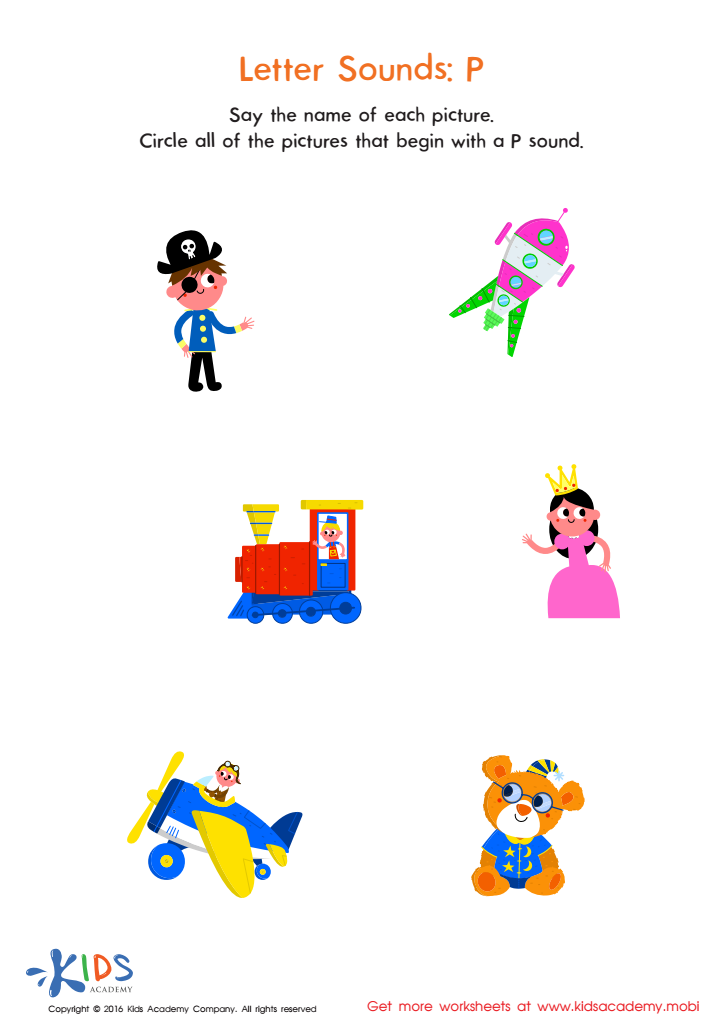
Letter P Sound Worksheet
 Assign to My Students
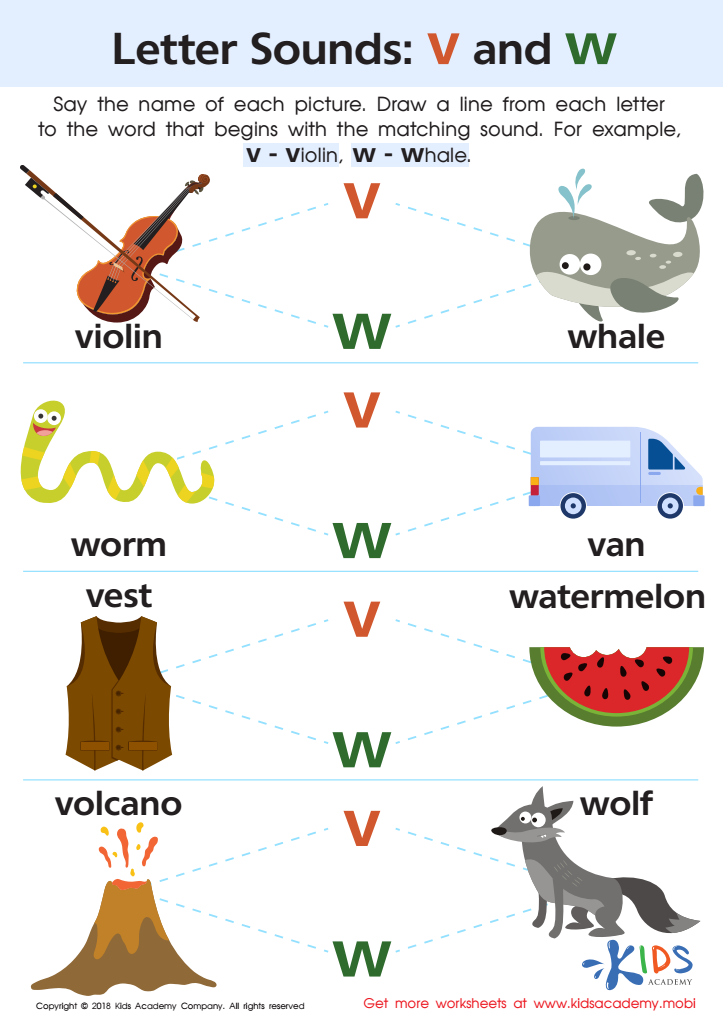
Letter V and W Sounds Worksheet
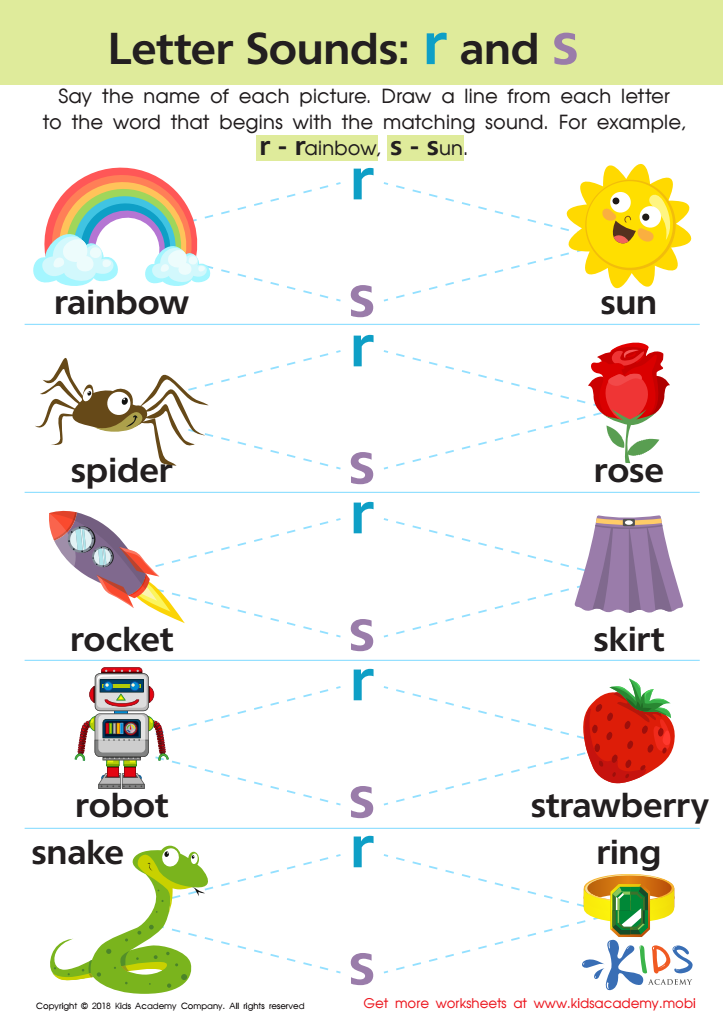
Letter R and S Sounds Worksheet
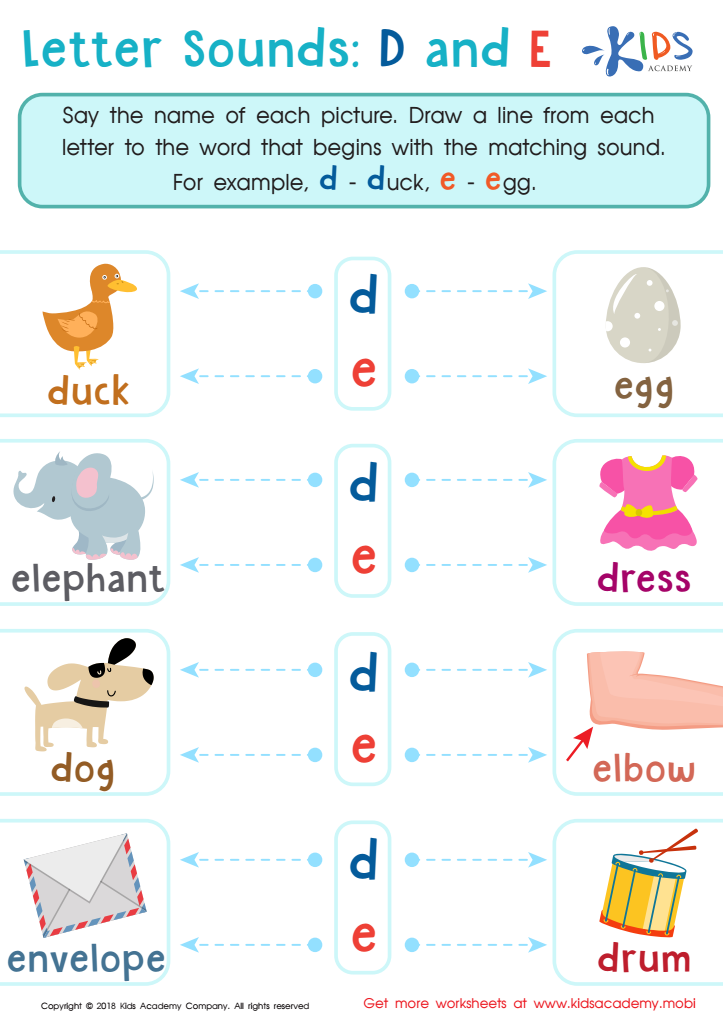
Letter D and E Sounds Worksheet








Handwriting practice and phonics instruction are fundamental components of early literacy development for children aged 4-8. Handwriting practice improves fine motor skills, which are crucial for various tasks, including writing, buttoning clothes, and tying shoelaces. The repeated motion of writing letters and words fosters muscle memory and manual dexterity, providing a strong foundation for writing fluency later on.
Phonics instruction, on the other hand, equips children with the essential skills to decode words, fostering reading comprehension and vocabulary development. By learning the relationship between letters and sounds, children gain the tools to sound out and recognize new words independently. This forms the cornerstone of reading proficiency, enhancing their ability to understand and enjoy various texts.
When combined, handwriting practice and phonics instruction ensure that children have a well-rounded approach to literacy. They not only learn how to form letters and write words correctly, but also how to make sense of those words — both visually and phonetically. This dual approach nurtures confidence in young learners, enabling them to communicate more effectively and fostering a positive attitude towards reading and writing tasks. Crucially, strong foundational literacy skills set the stage for academic success across all subjects, making it imperative for parents and teachers to emphasize these practices in early education.







