Phonics development Normal Phonics Worksheets for Ages 4-8
3 filtered results
-
From - To
Enhance your child’s phonics development with our engaging Normal Phonics Worksheets for ages 4-8! Tailored to foster essential reading skills, these worksheets provide playful and interactive activities that spark interest in learning. Kids will practice letter sounds, blends, and word recognition through colorful visuals and fun exercises. Our resources cater to diverse learning styles, ensuring all children can build a solid foundation in phonics. Whether at home or in the classroom, these worksheets make phonics practice enjoyable and effective. Encourage your child's reading journey today with our comprehensive phonics materials designed specifically for young learners!
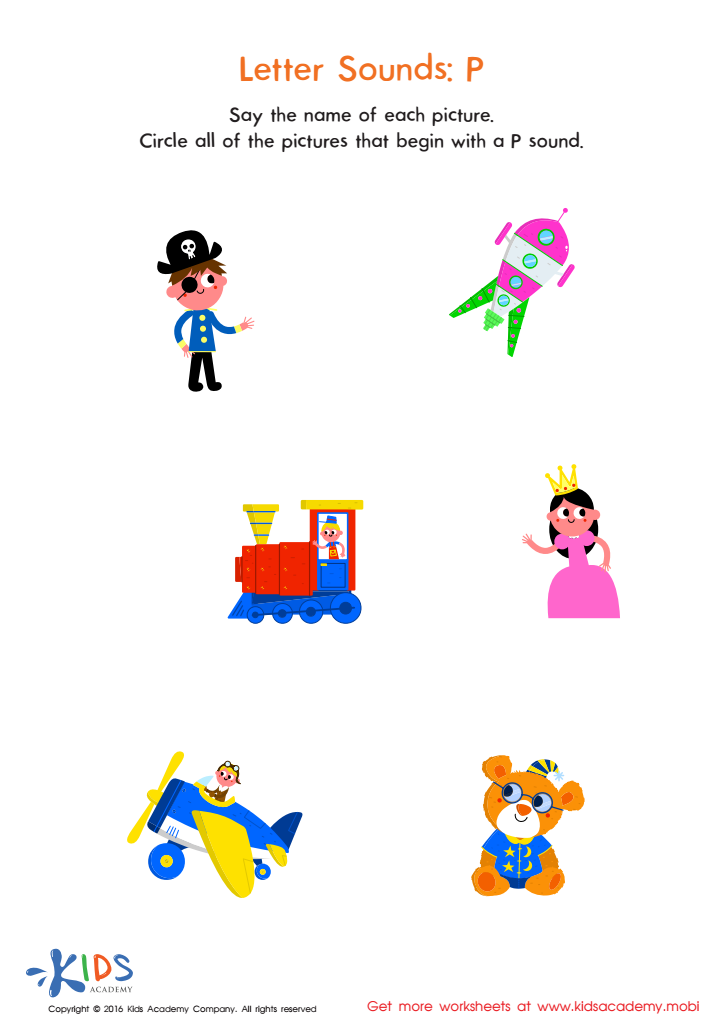
Letter P Sound Worksheet
 Assign to My Students
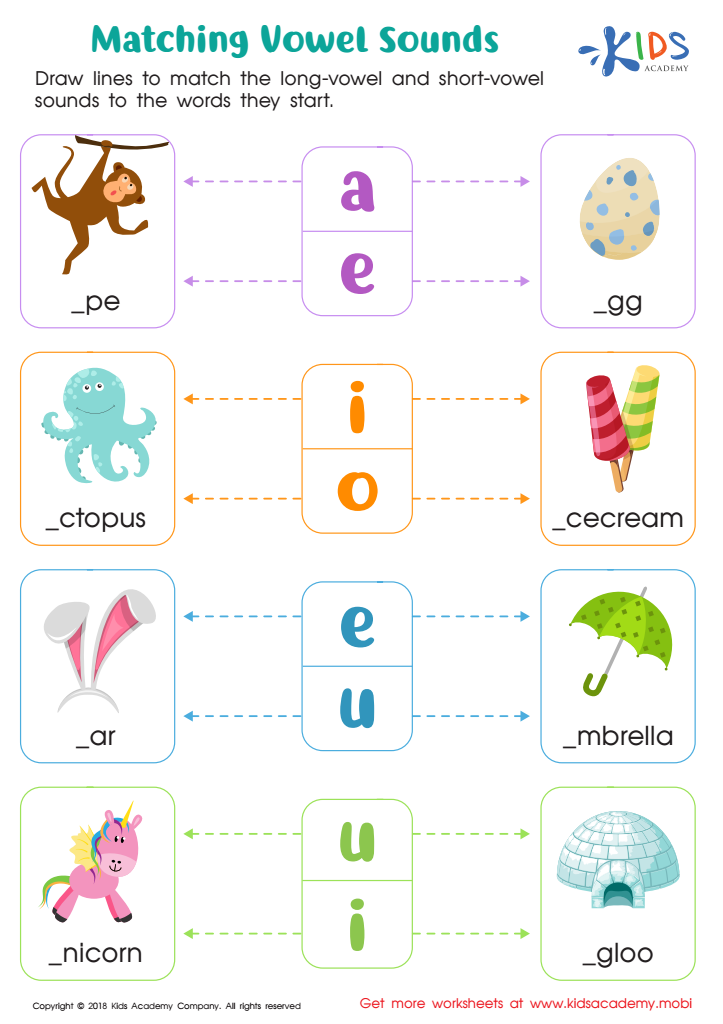
Matching Vowel Sounds Worksheet
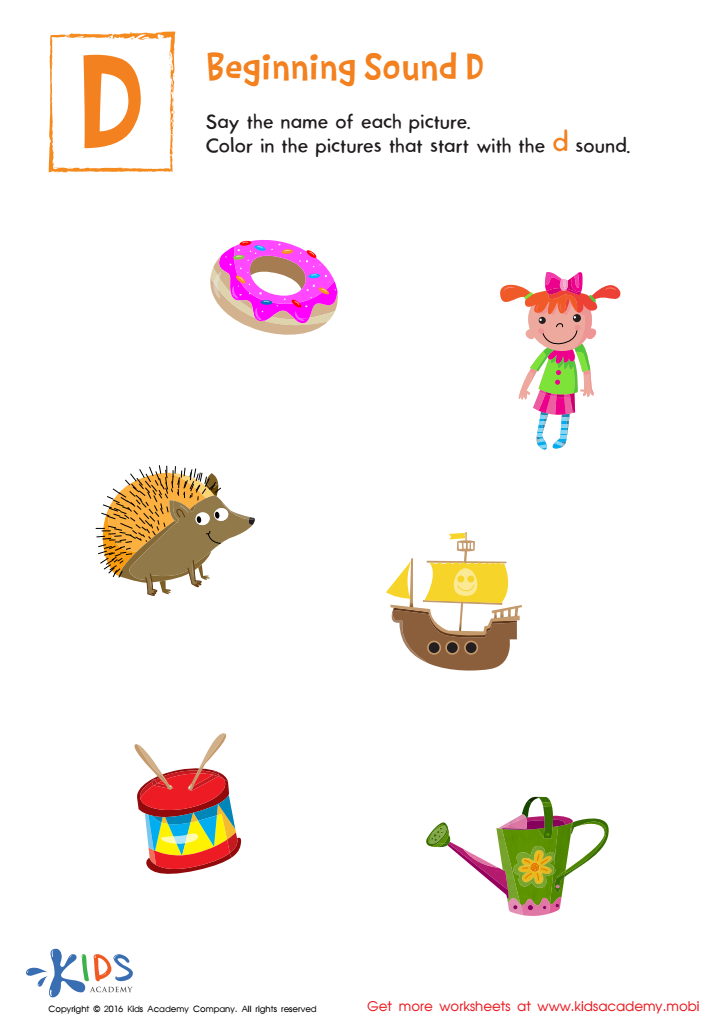
Beginning Sound D Worksheet








Phonics development is crucial for children aged 4-8 as it forms the foundation of their reading and writing skills. Understanding phonics helps children recognize the relationship between letters and sounds, paving the way for decoding words effectively. This core skill is essential not only for literacy but also for overall academic success.
When children grasp phonics, they become confident readers, which encourages a lifelong love for reading. This enjoyment enhances vocabulary development, comprehension, and critical thinking skills. Parents and teachers play a pivotal role in fostering phonics skills through engaging activities, such as phonemic games, storytelling, and rhyming exercises, which help make learning fun.
Moreover, early phonics instruction can identify and support children who may struggle with learning, allowing for early intervention and tailored support. This proactive approach can prevent future academic challenges and improve self-esteem.
In summary, caring about phonics development is integral for fostering confident, capable readers who can navigate their educational journeys successfully. By prioritizing phonics, parents and teachers empower children to thrive not only in literacy but also in other subjects, setting the stage for a well-rounded and accomplished future.







