Problem-Solving Skills Normal Upper & Lowercase Letters Worksheets for Ages 4-8
3 filtered results
-
From - To
Discover our engaging Problem-Solving Skills Worksheets designed for children ages 4-8, featuring normal upper and lowercase letters. These interactive worksheets help young learners develop critical thinking and analytical skills while practicing their alphabet recognition. Each activity is crafted to encourage creativity and improve problem-solving abilities through fun exercises, puzzles, and challenges that keep kids motivated. As they trace, match, and explore letter combinations, children will enhance their literacy skills alongside their cognitive development. Perfect for home or classroom use, these worksheets provide a solid foundation for early education in a playful, enjoyable manner. Start fostering essential skills today!
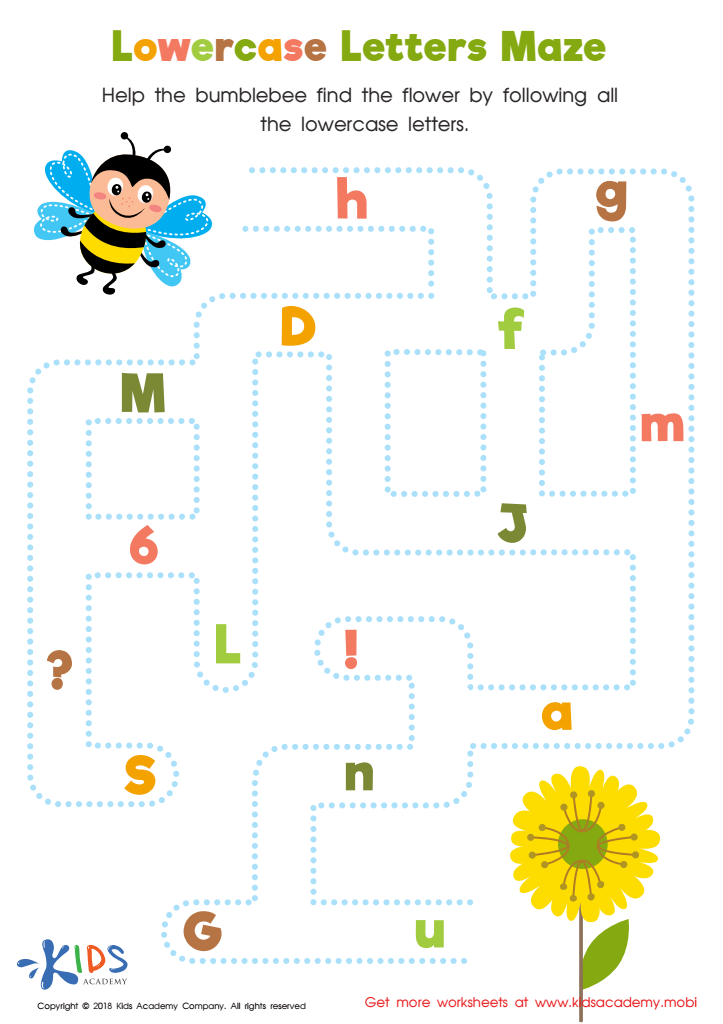
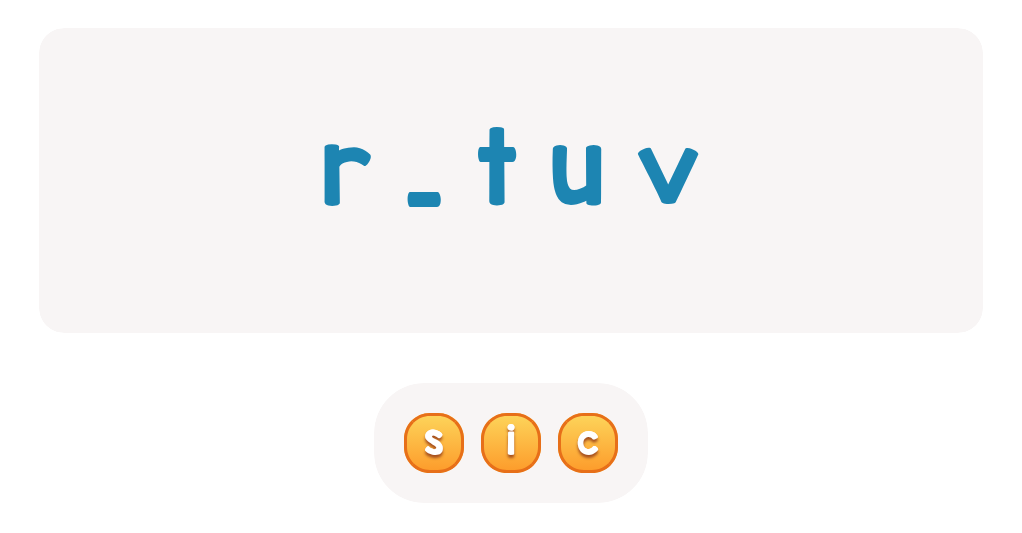
Lowercase Letters Maze Worksheet
 Assign to My Students

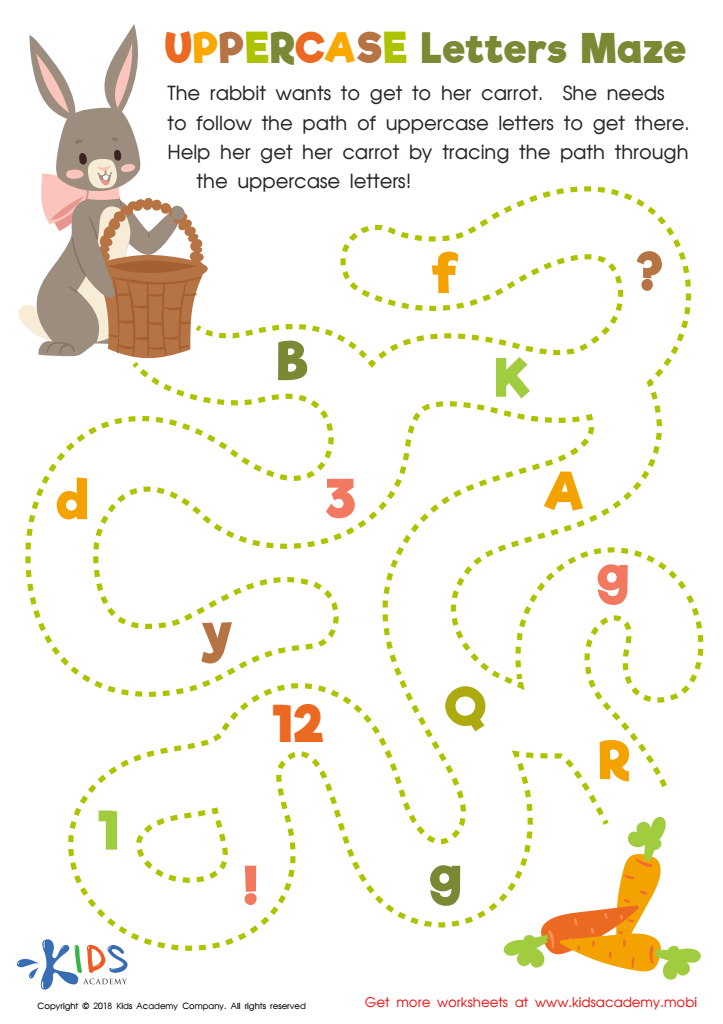
Uppercase Letters Maze Worksheet
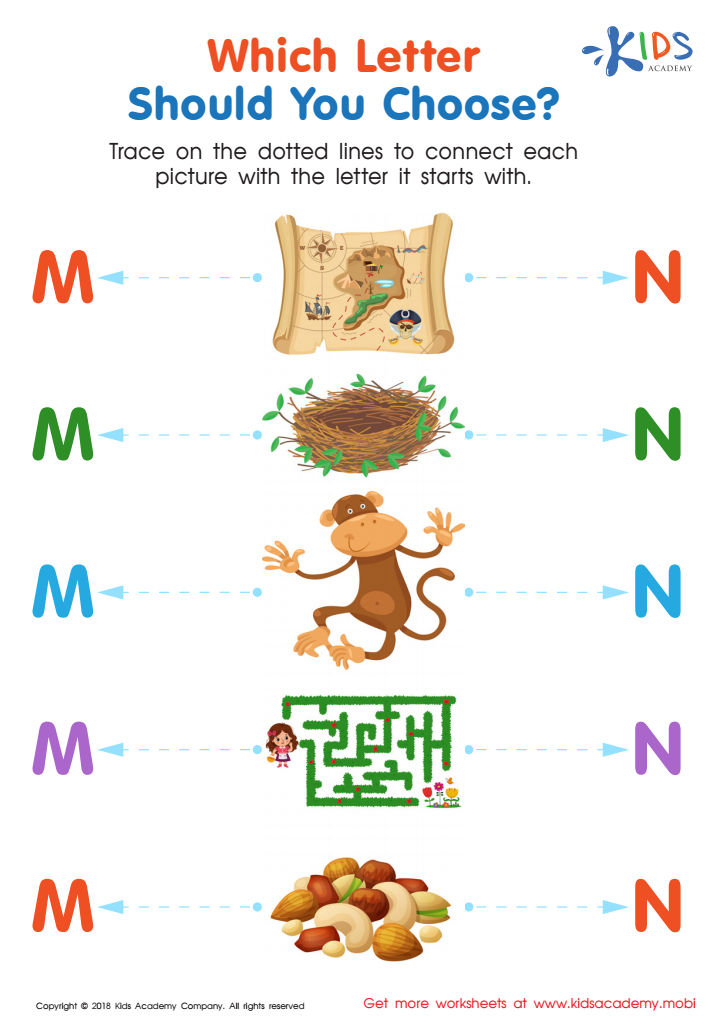
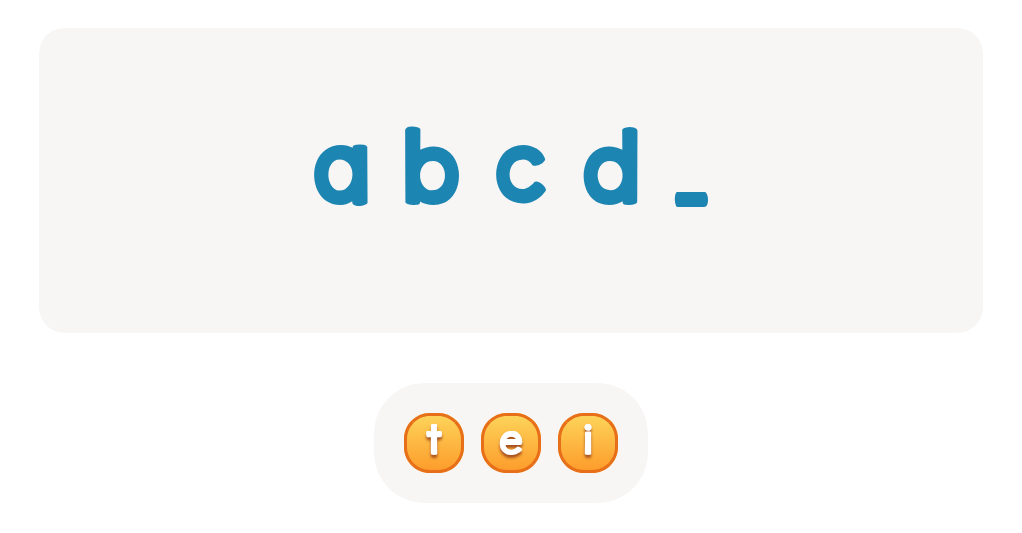
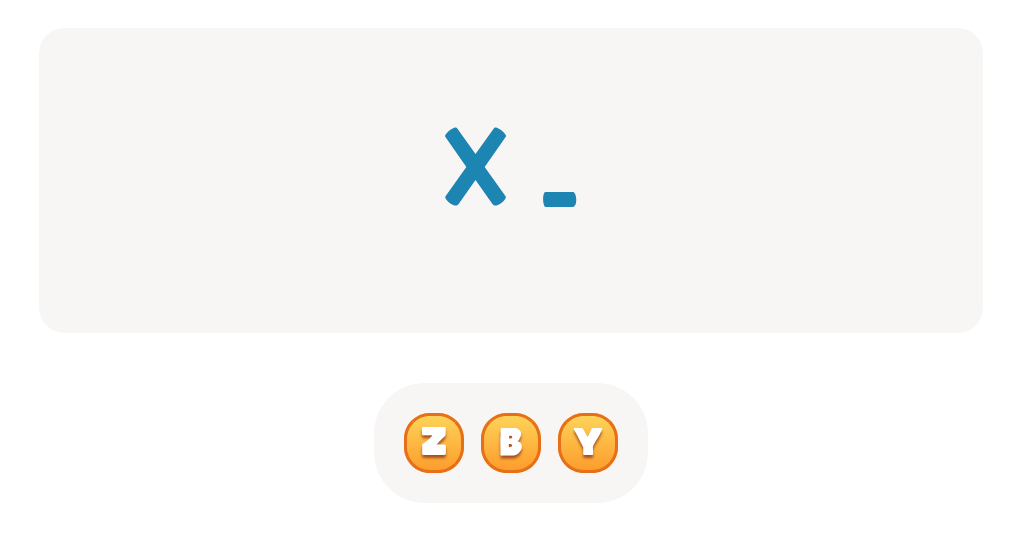
Which Letter Should you Choose? Worksheet






Problem-solving skills are crucial for children aged 4-8, as they not only foster critical thinking but also lay the groundwork for future academic success. Parents and teachers should prioritize these skills since this age group is in a key developmental stage where they learn to navigate challenges and uncertainties.
When children learn to approach problems methodically, they develop resilience and confidence in their abilities. This fosters independent thinking, enabling them to tackle academic tasks and interpersonal conflicts with greater ease. Activities that promote problem-solving, from puzzles to collaborative games, also build social skills as children learn to communicate, negotiate, and work with others.
Moreover, nurturing problem-solving skills aligns with early literacy and numeracy efforts. For instance, engaging in activities that require children to make decisions or take turns can enhance their understanding of numbers, shapes, and basic math concepts. Encouraging exploration will spark curiosity and enthusiasm for learning.
In essence, by fostering these skills early on, parents and teachers can help children become well-rounded learners. Supporting this development not only benefits academic success but also equips children with essential life skills they will carry into adulthood.







