Visual discrimination skills Normal Upper & Lowercase Letters Worksheets for Ages 4-8
4 filtered results
-
From - To
Enhance your child's reading readiness with our "Visual Discrimination Skills Normal Upper & Lowercase Letters Worksheets," designed for ages 4-8. These engaging worksheets help young learners distinguish between similar letters, boosting their recognition abilities. By practicing with varied activities, children will improve focus, attention to detail, and letter recognition—key skills for early literacy. Perfect for home or classroom use, these free, printable resources simplify learning, making it fun and effective. Build a strong foundation for your child's reading journey with our expertly crafted worksheets tailored to develop essential visual discrimination skills.
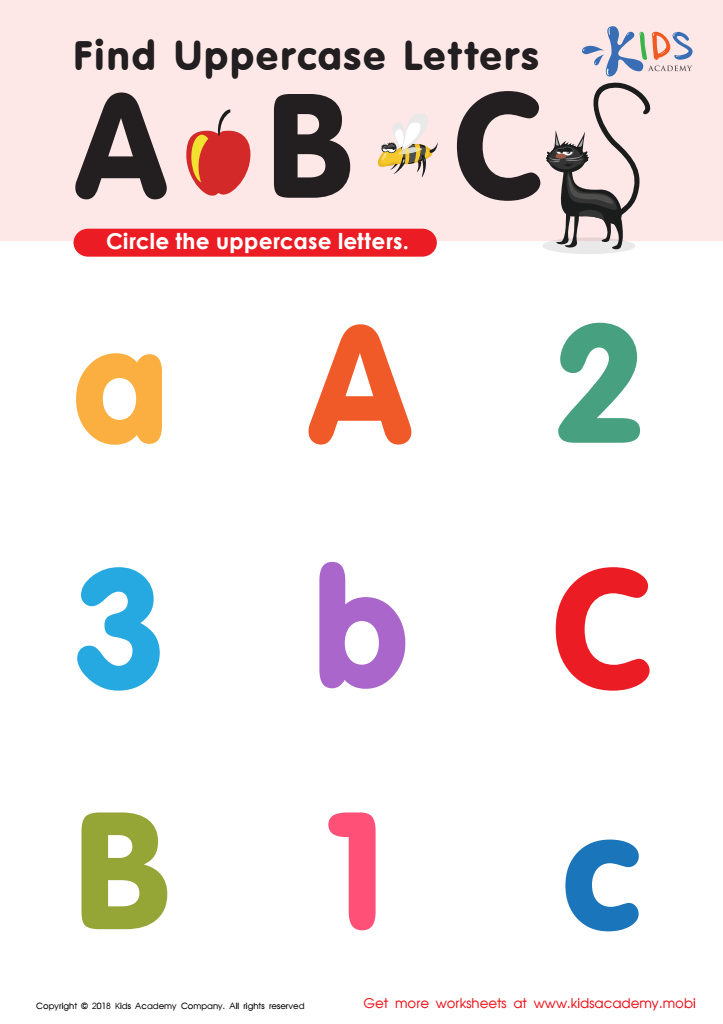
Find Uppercase Letters A, B, and C Worksheet
 Assign to My Students


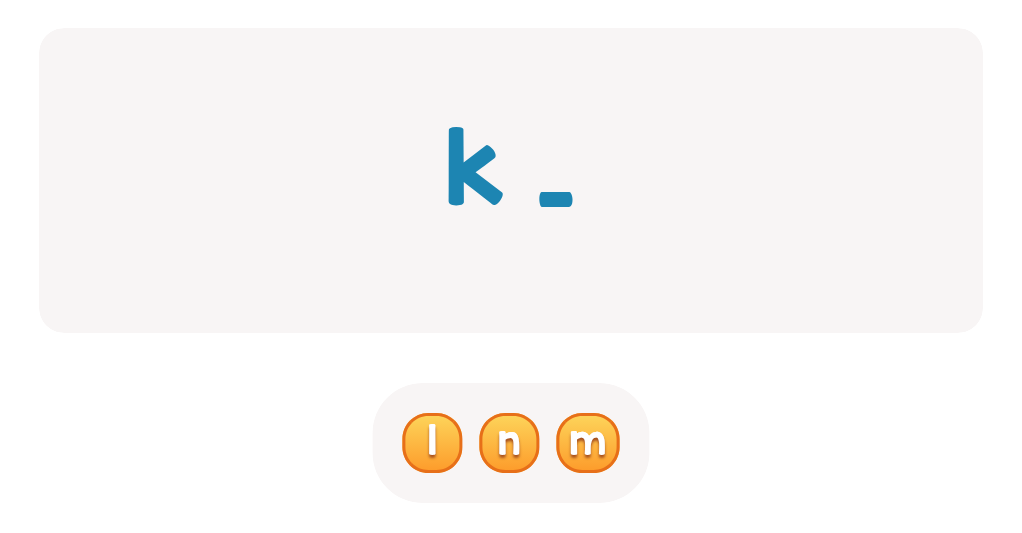
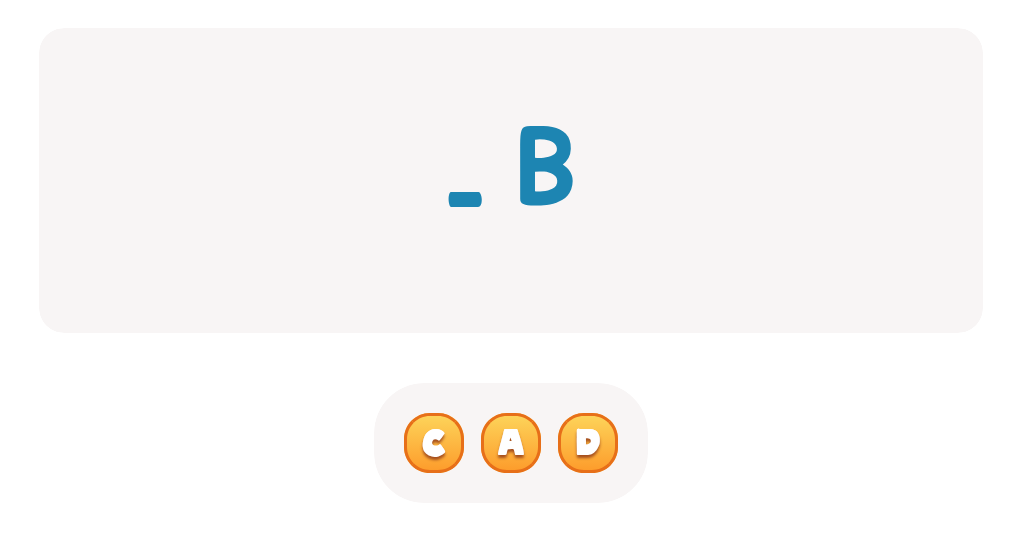
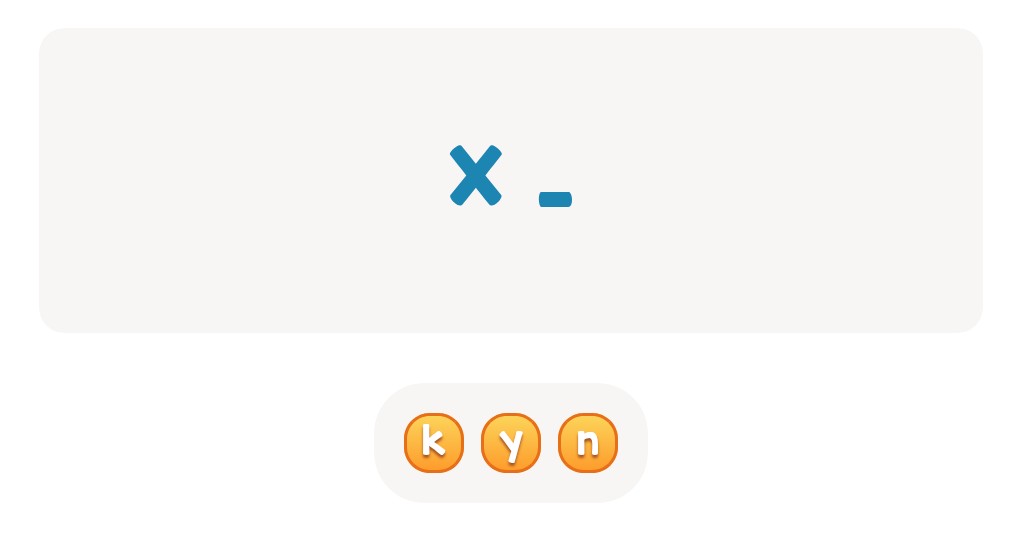

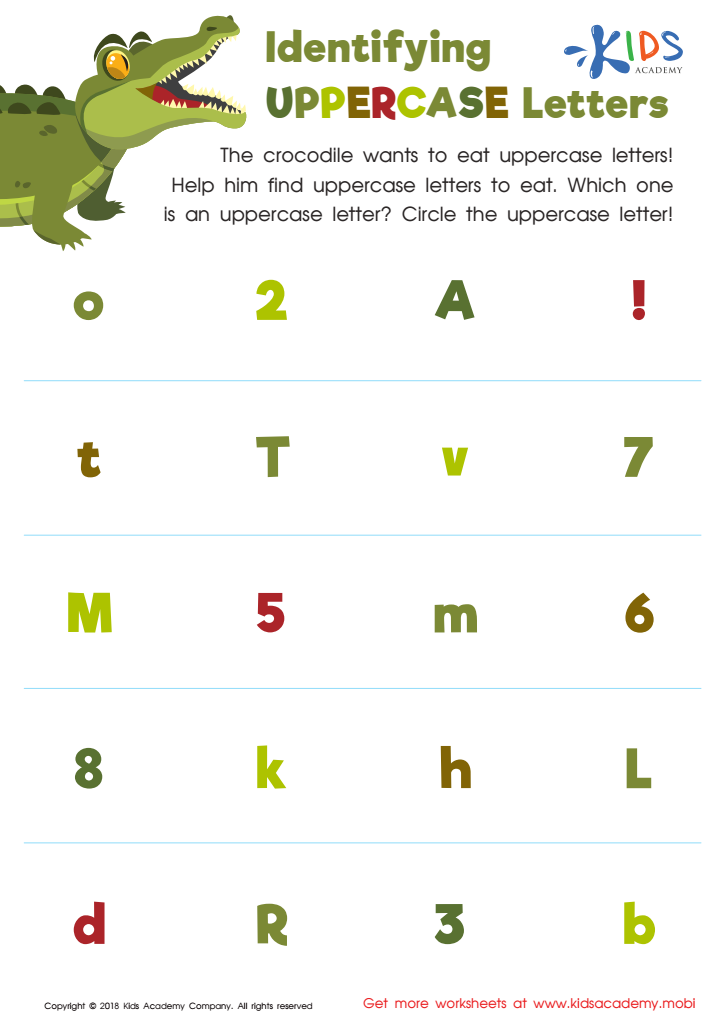
Identifying Uppercase Letters Worksheet
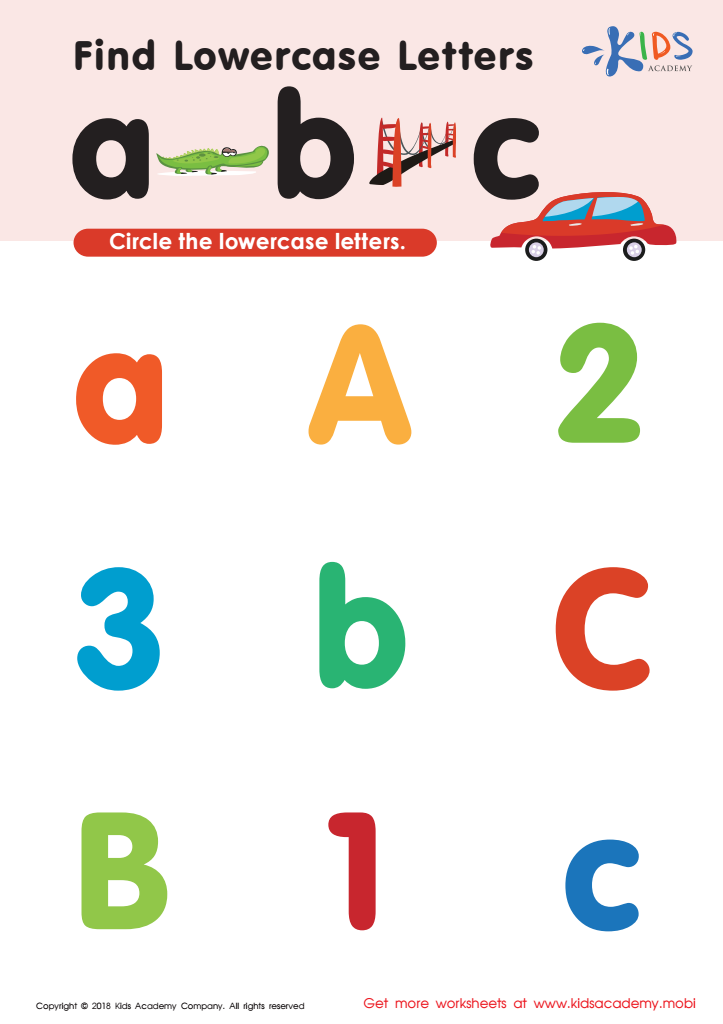
Find lowercase letters a b c Worksheet
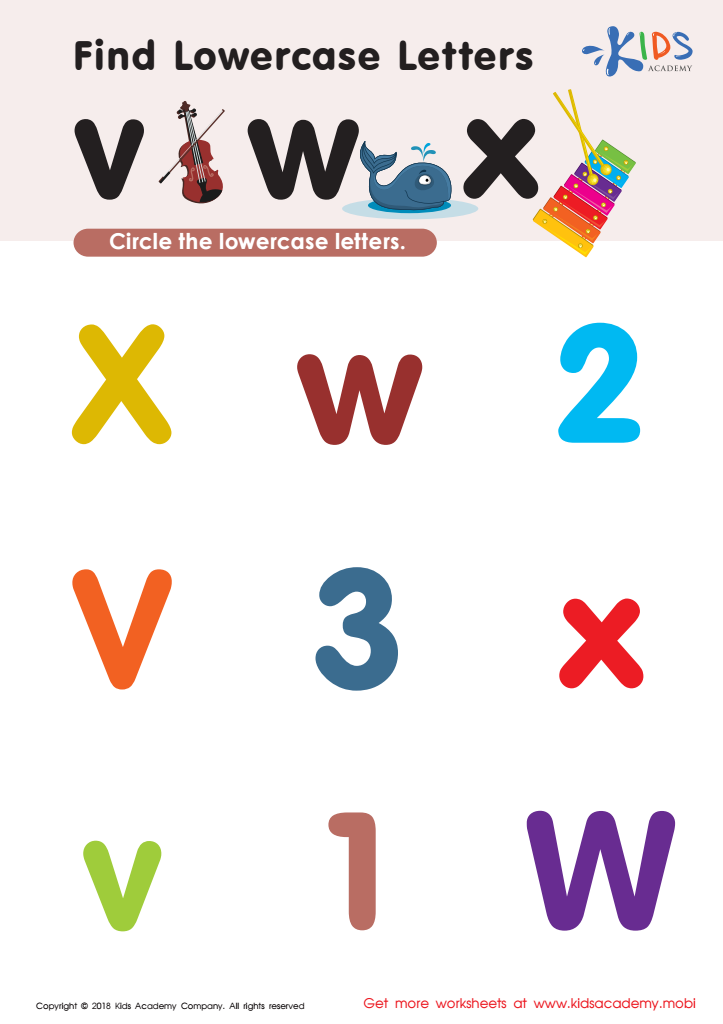
Find Lowercase Letters v w x Worksheet






Visual discrimination skills are crucial for young learners, especially when it comes to distinguishing normal upper and lowercase letters. These skills form the foundation of effective reading and writing, enabling children to differentiate between similar-looking characters. For ages 4-8, mastering this ability is vital as it directly impacts their literacy development.
Upper and lowercase letters, though representing the same sounds, can have significantly different shapes. For instance, 'b' and 'd' or 'P' and 'p' can be confusing for children. Ensuring that they can accurately identify and differentiate these letters aids in the development of fluent reading and writing skills. When children can correctly recognize and understand these differences, they are less likely to make common reading or spelling errors, which fosters confidence and academic success.
Moreover, visual discrimination helps in other areas of learning. It enhances cognitive abilities, such as attention to detail, which is beneficial in subjects beyond literacy, including math and science. For teachers and parents, nurturing these skills through games, flashcards, and reading activities is an investment in a child’s overall educational journey. Early emphasis on such skills not only supports academic achievement but also builds a solid foundation for lifelong learning and critical thinking abilities.







