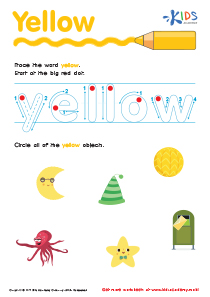
Alphabetical order understanding Normal English for Beginners Worksheets for Ages 4-8
3 filtered results
-
From - To
Welcome to our "Alphabetical Order Understanding" worksheets designed for beginners aged 4-8! These engaging resources help young learners grasp the concept of alphabetical order in English, a vital skill for developing reading and writing abilities. Our worksheets feature fun illustrations and interactive activities that make learning enjoyable. Children will sort words and practice arranging them alphabetically, enhancing their vocabulary and comprehension. Perfect for both classroom use and home learning, these sheets are tailored to meet the needs of young ESL learners. Boost your child's confidence in English with our easy-to-follow and educational worksheets—fostering essential skills for a successful future!
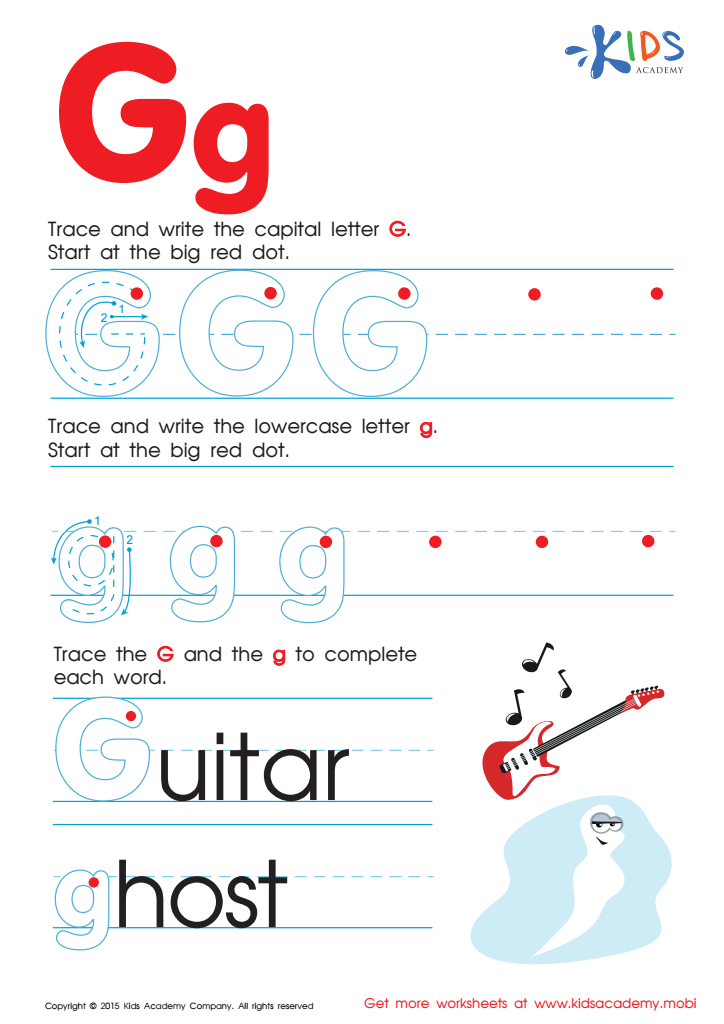
Letter G Tracing Page
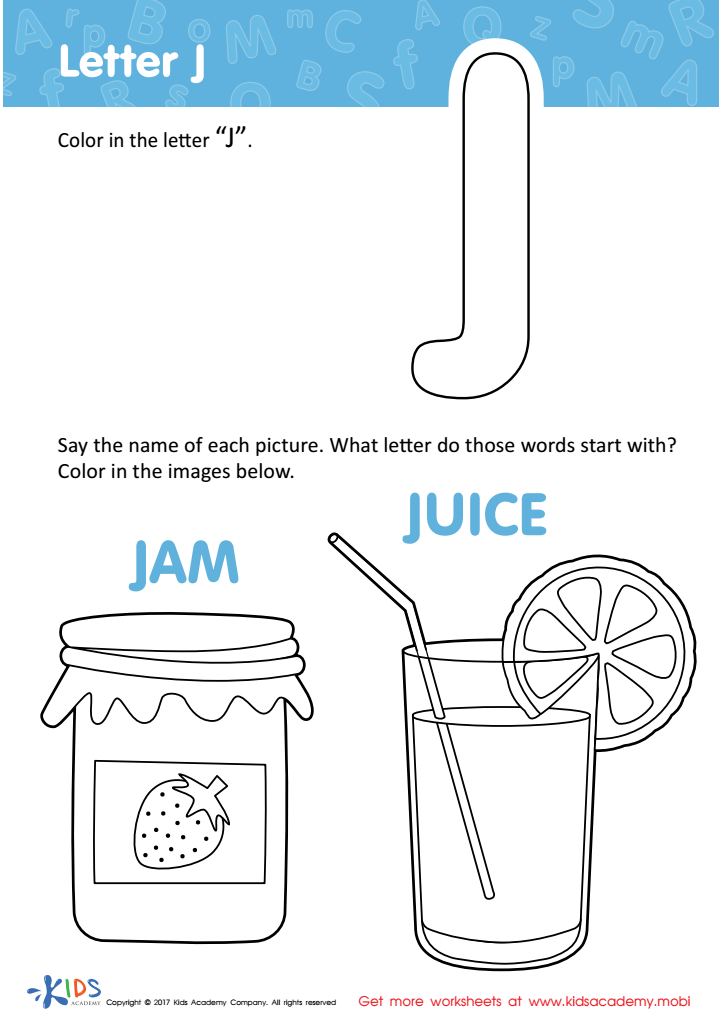
Letter J Coloring Sheet
 Assign to My Students
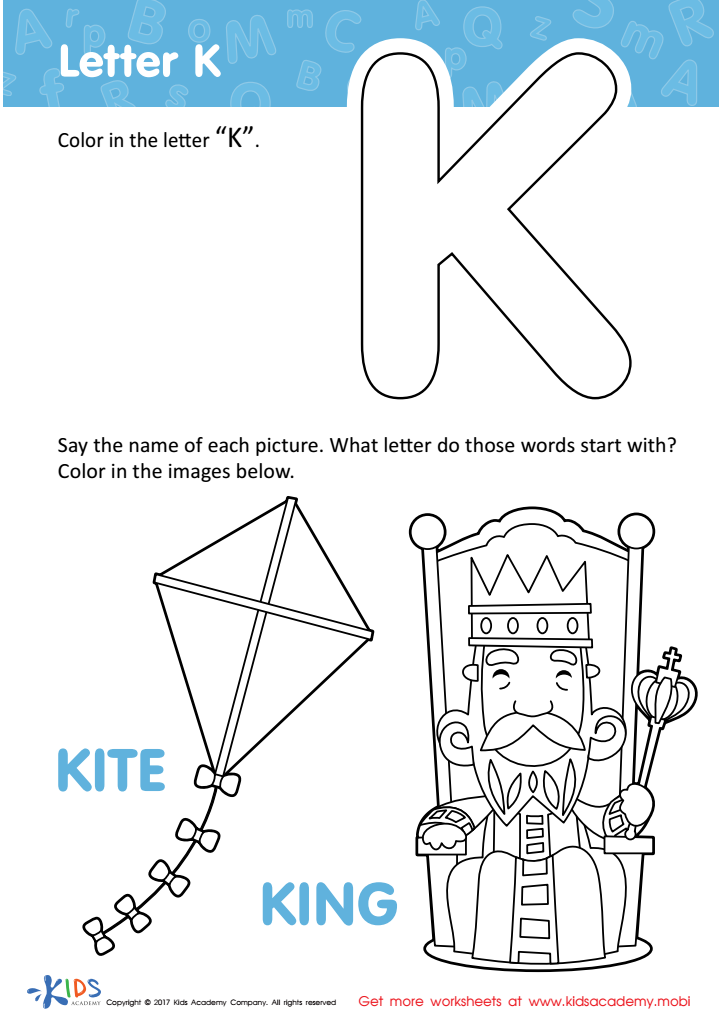
Letter K Coloring Sheet
Assign to My Students





Understanding alphabetical order is crucial for children aged 4-8, as it lays a foundation for literacy and promotes organizational skills. For parents and teachers, fostering this understanding helps children develop the ability to categorize information, making it easier for them to locate words in dictionaries, contact lists, and other alphabetically arranged content.
At this stage, children are naturally curious explorers of their language. Teaching them alphabetical ordering can enhance their vocabulary and spelling skills, as they learn the shapes and sounds of letters, linking them to words. This process aids memory, making it simpler for kids to recall routines, lists, or even their books at the library.
Additionally, understanding alphabetical order is tied to cognitive development. It encourages logical thinking and problem-solving, laying critical skills essential for future learning. Furthermore, mastering this concept fosters a sense of achievement and boost self-confidence in young learners.
Parents and educators play a vital role in making this learning enjoyable through engaging activities, games, and practical applications. By emphasizing the importance of alphabetical order, adults support children's literacy journey, preparing them for more complex language tasks as they progress in their education. Ultimately, investing in this foundational skill enriches a child's learning experience, setting them on a path to success.