Handwriting practice Normal English for Beginners Worksheets for Ages 4-8 - Page 2
26 filtered results
-
From - To
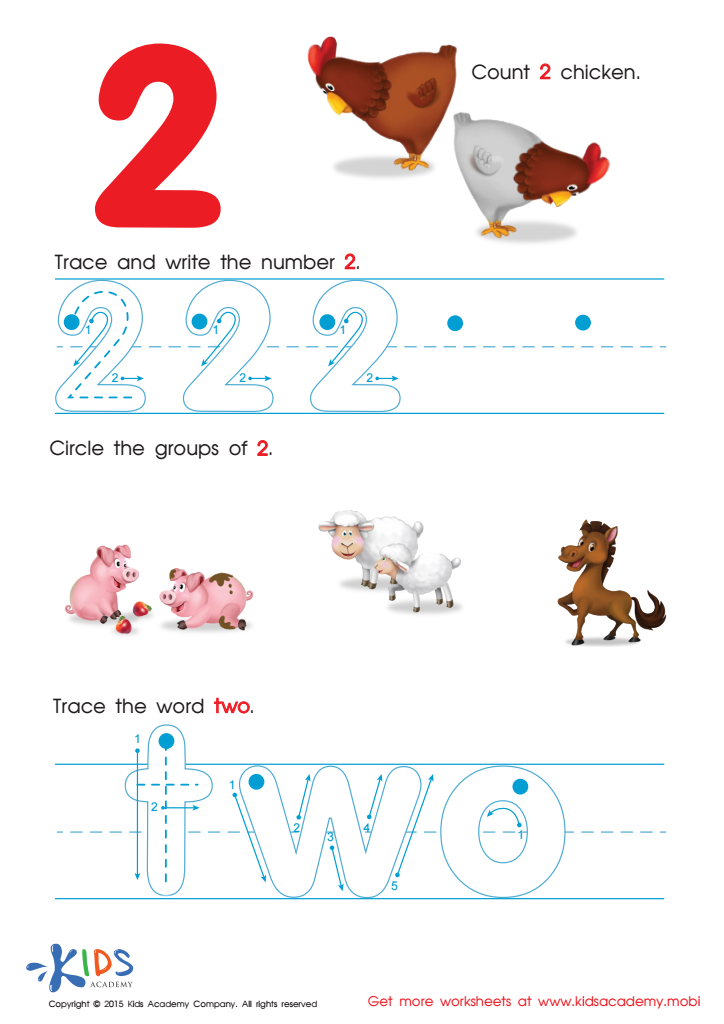
Learn to Write the Number 2 Worksheet
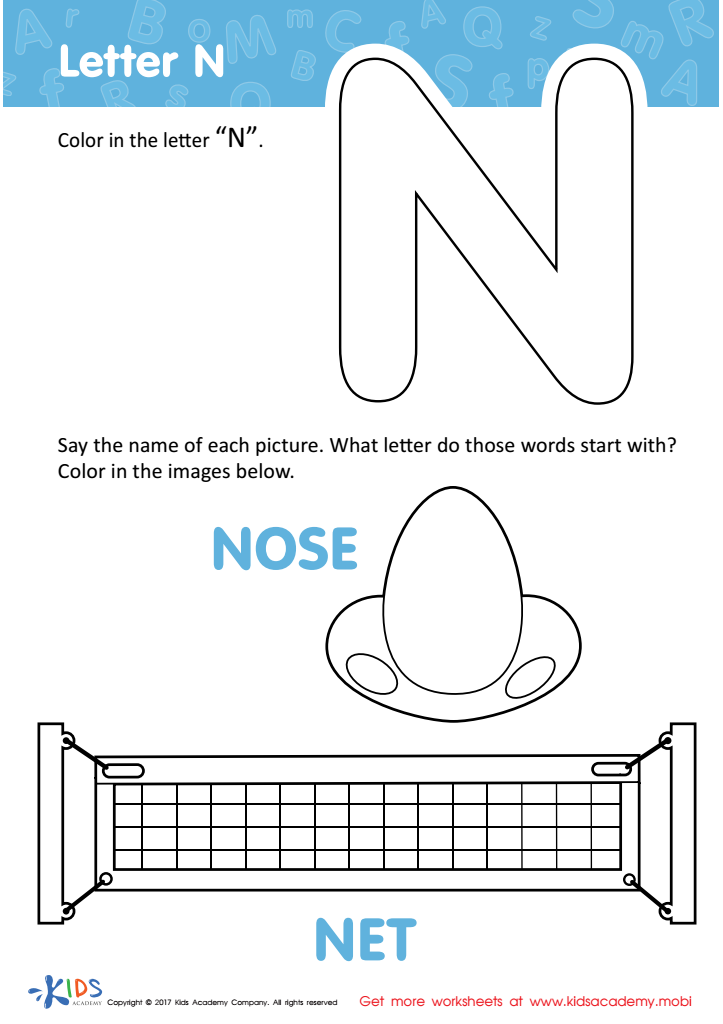
Letter N Coloring Sheet
 Assign to My Students





Handwriting practice is essential for children aged 4-8 for several reasons. First, it helps develop fine motor skills, which are crucial for tasks beyond writing, such as buttoning clothes or using scissors. As children learn to control their hand movements, they gain confidence in their abilities, promoting a positive self-image.
Additionally, handwriting contributes to literacy development. When children engage in forming letters, they reinforce letter recognition and phonetic understanding, making it easier for them to read and write fluently. This foundational skill enhances their overall language development, which is vital for academic success.
Furthermore, regular handwriting practice fosters creativity and expression. Children articulate their thoughts on paper, allowing them to share ideas and stories. This encourages a love for writing and enhances communication skills.
Lastly, in a world increasingly reliant on technology, handwriting remains a valuable skill. Children must learn to write legibly and efficiently, not just for academic purposes but also for real-life interactions, such as filling out forms or jotting down notes.
In summary, handwriting practice for young beginners offers essential developmental benefits, supports literacy and creativity, and prepares children for future endeavors. Parents and teachers should prioritize this skill to foster well-rounded development.