Alphabet Learning Normal Worksheets for Ages 4-8
5 filtered results
-
From - To
Introducing "Alphabet Learning Normal Worksheets for Ages 4-8" from Kids Academy – your ultimate resource to make alphabet learning engaging and effective. These meticulously crafted worksheets are designed to help young learners recognize, trace, and write letters while reinforcing their phonetic sounds. Each worksheet combines fun illustrations with diverse educational activities, captivating kids' attention and fostering a love for learning. Ideal for preschool to early elementary students, our collection simplifies letter recognition and boosts reading readiness. Make alphabet mastery delightful and straightforward with Kids Academy's top-notch worksheets, ensuring your child’s foundational literacy skills are strong and consistent!
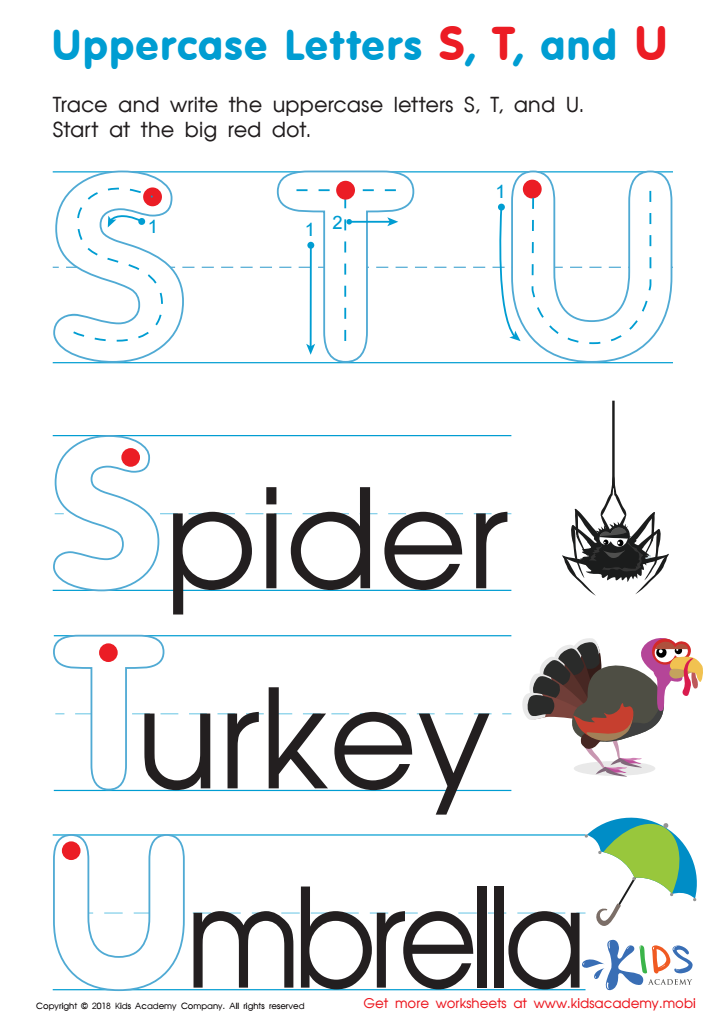
Uppercase Letters S, T, and U Worksheet
 Assign to My Students
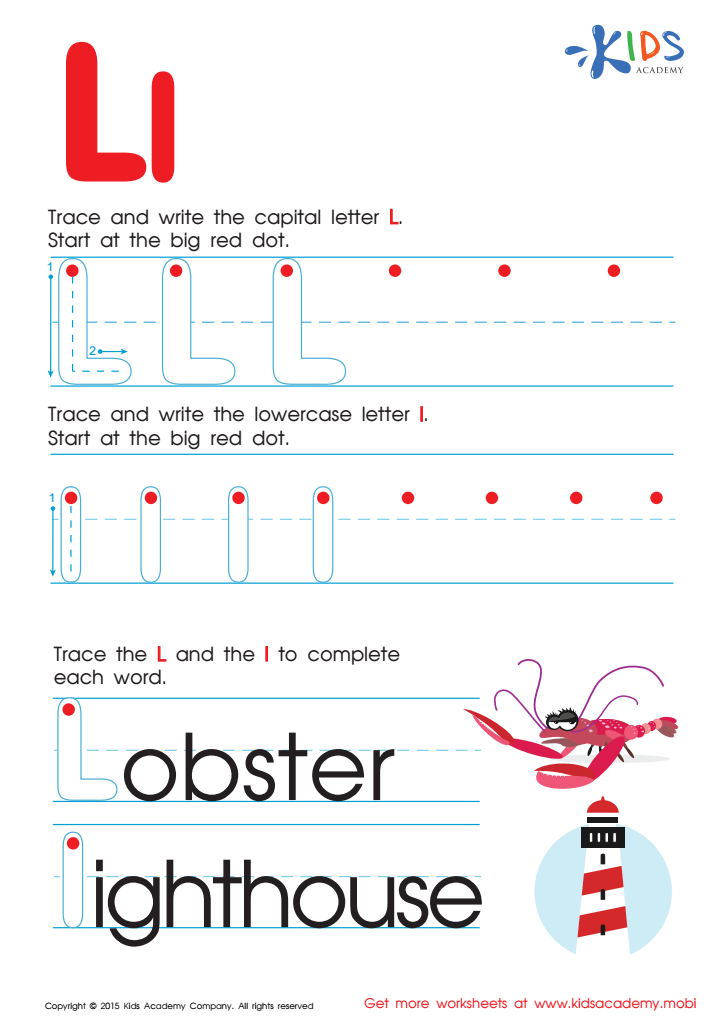
Letter L Tracing Page
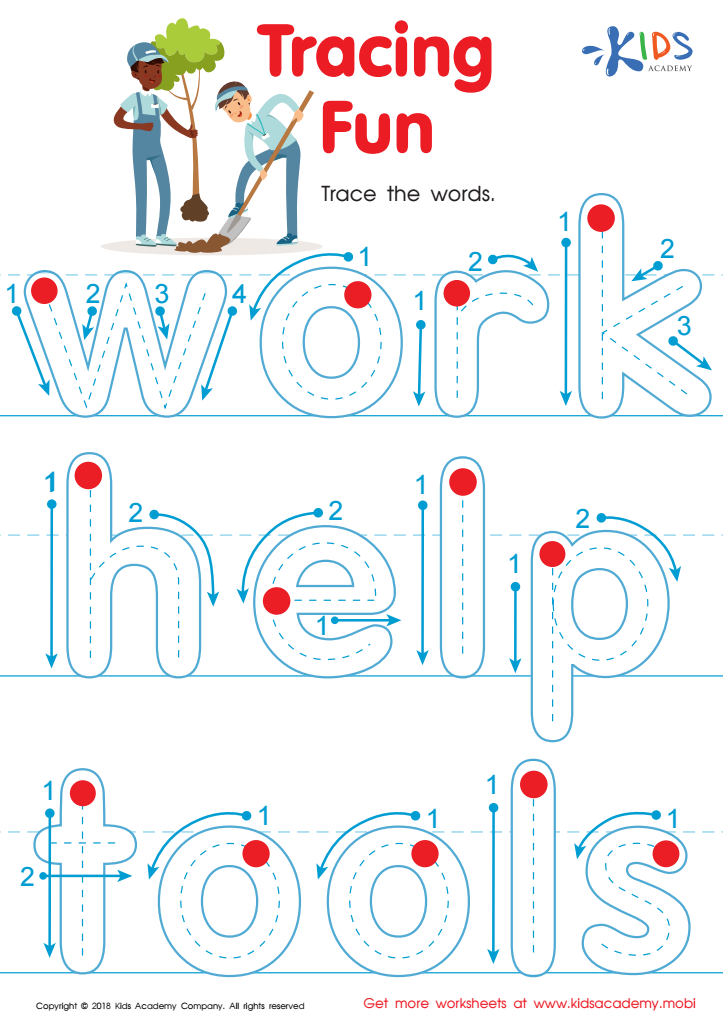
Tracing Fun Worksheet
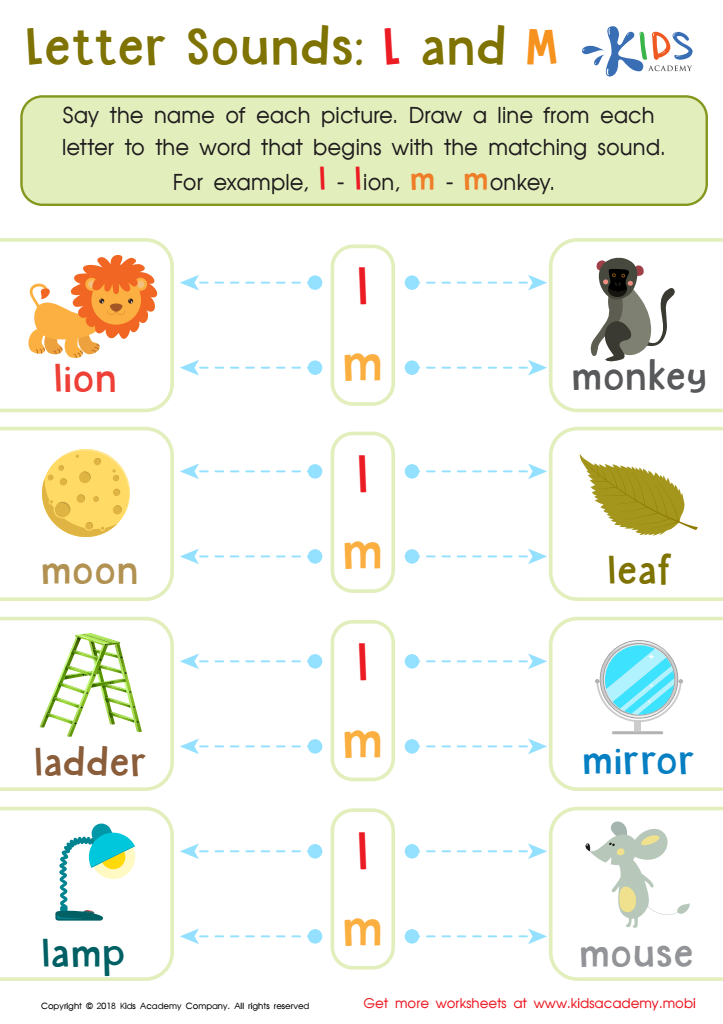
Letter l and M Sounds Worksheet
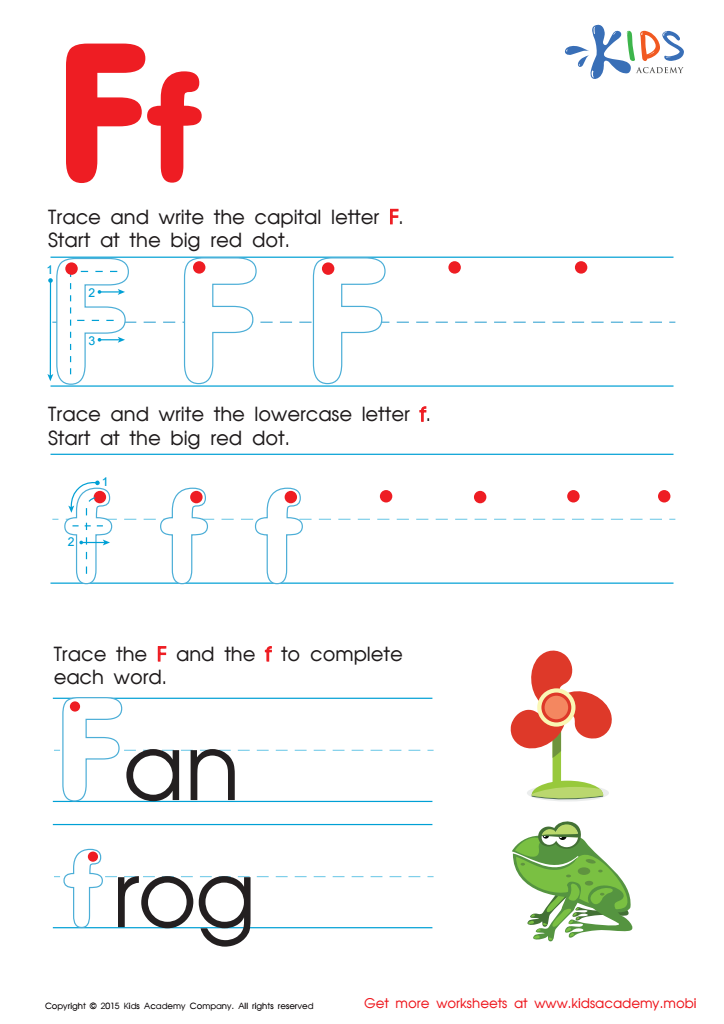
Letter F Tracing Page







Learning the alphabet is a crucial developmental milestone for children aged 4 to 8. During these formative years, children’s brains are highly receptive to new information, and mastering the alphabet sets the foundation for essential literacy skills. Parents and teachers should care about alphabet learning because it directly affects a child's future academic success. Recognizing and understanding letters are the building blocks of reading and writing; without these skills, children may struggle to keep up with their peers or fully comprehend classroom activities.
Moreover, alphabet learning enhances cognitive development. It aids memory skills, as children must remember each letter's shape, sound, and eventually, how these letters combine to form words. It also boosts phonemic awareness, helping children understand that words are made up of individual sounds, a key factor in decoding new words while reading.
Equally important, learning the alphabet can build children's confidence. As they become more proficient in identifying and using letters, they gain a sense of achievement, which encourages a positive attitude towards learning. It also promotes fine motor skills; writing letters improves hand-eye coordination and dexterity.
Therefore, helping children achieve alphabet milestones offers a supportive, encouraging start to their educational journey, fostering both academic and personal growth.








