Developing logical thinking Normal Worksheets for Ages 4-8
4 filtered results
-
From - To
Discover our engaging "Developing Logical Thinking" worksheets designed specifically for children ages 4-8! These age-appropriate resources promote critical thinking and reasoning skills through fun and interactive activities. Each worksheet is crafted to enhance a child's ability to solve problems, recognize patterns, and make connections, laying the foundation for future academic success. Perfect for at-home learning or in the classroom, our printable worksheets keep young minds active and entertained. Encourage your child's curiosity and help them develop essential logical thinking skills today! Explore our collection and watch them thrive as they build confidence in their reasoning abilities.
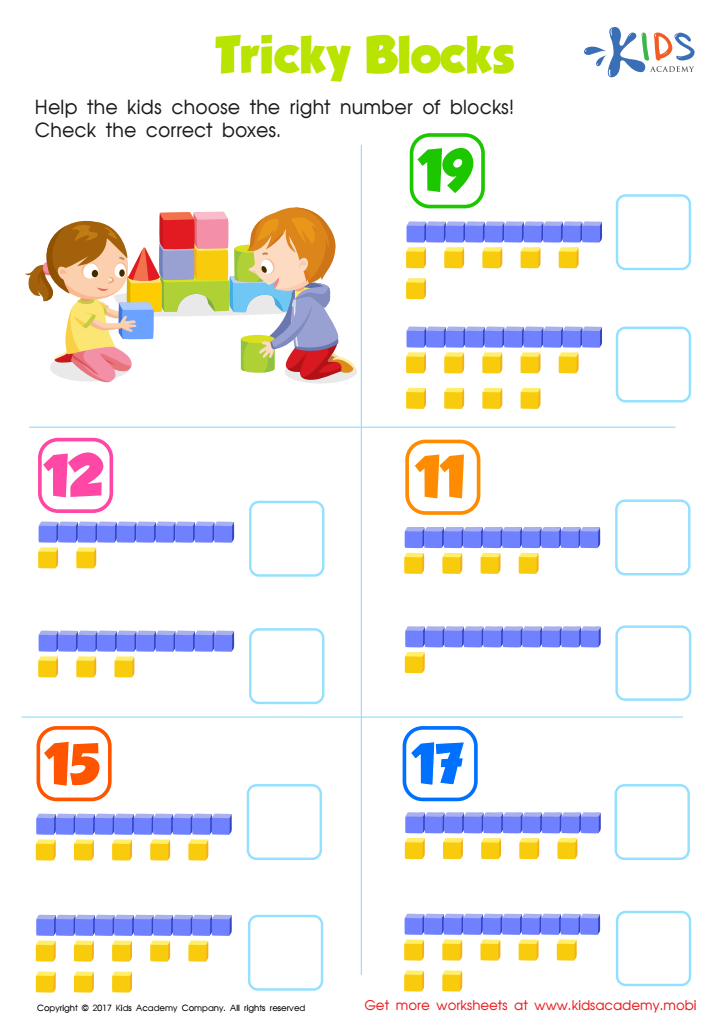
Tricky Blocks Worksheet
 Assign to My Students
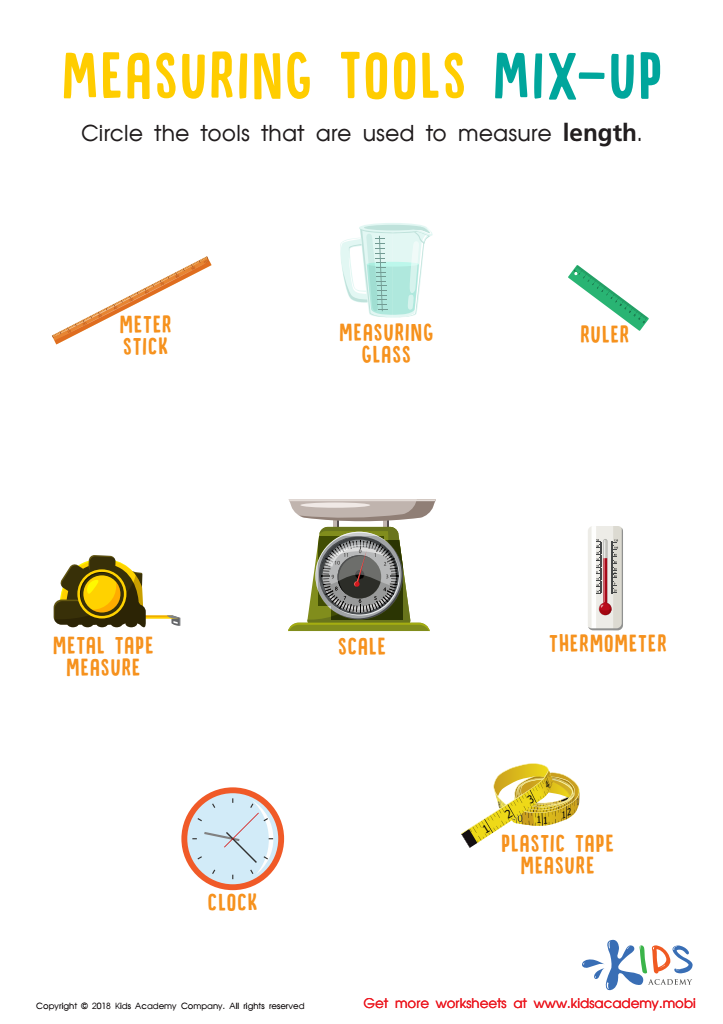
Measuring Tools Mix–up Worksheet
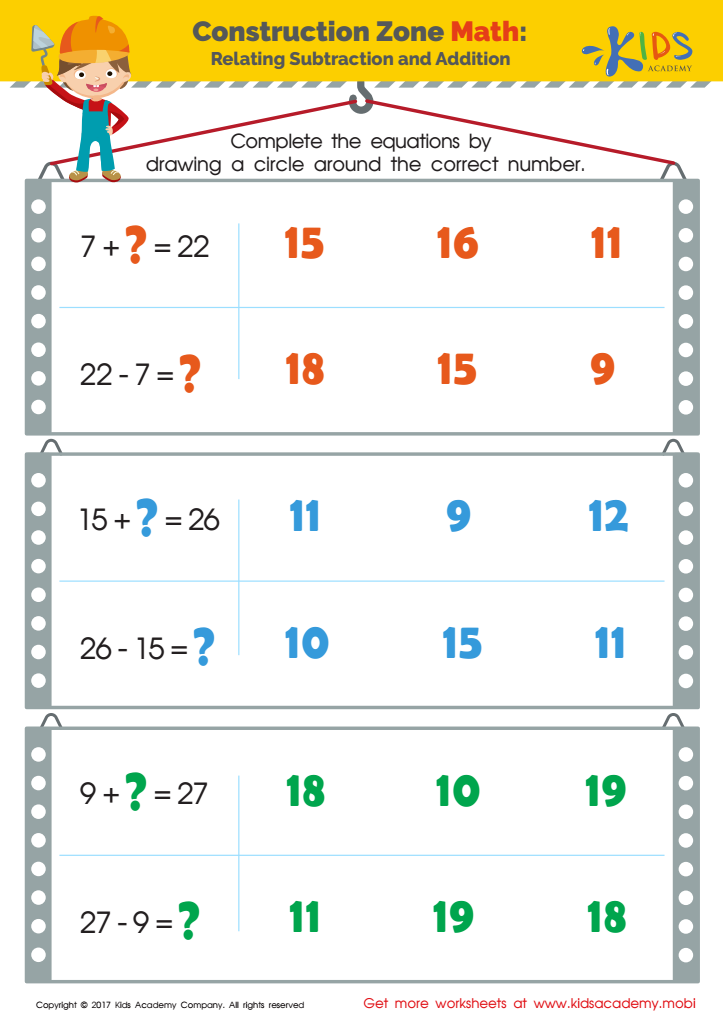
Related Addition and Subtraction Facts Worksheet
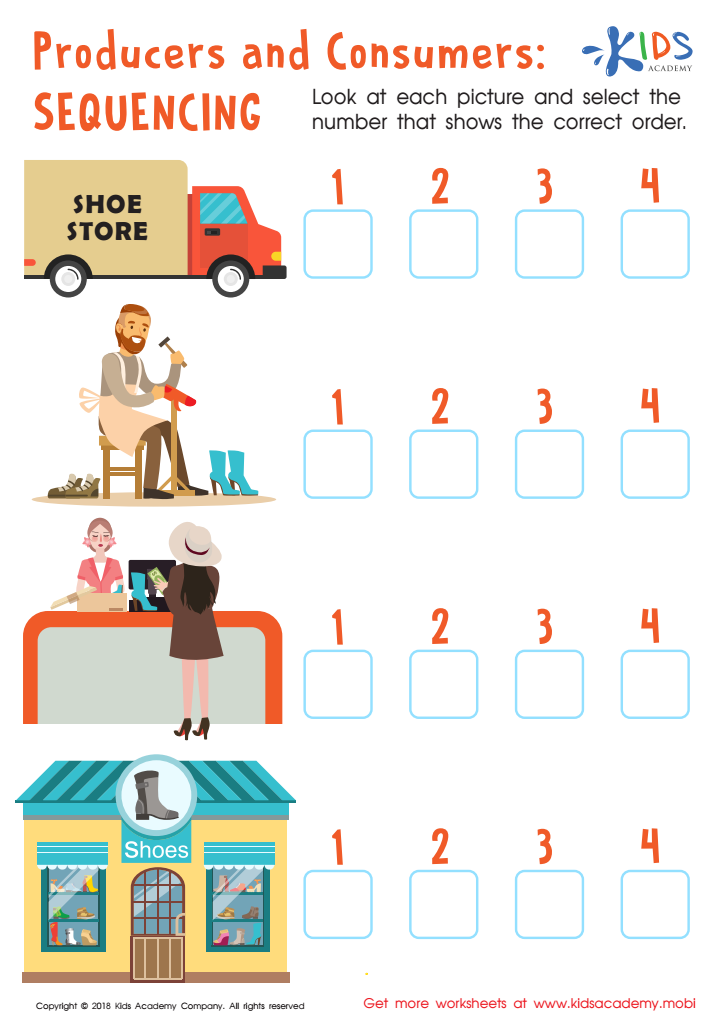
Producers and Consumers: Sequencing Worksheet







Developing logical thinking skills in children aged 4-8 is vital for their overall cognitive growth and academic success. During these formative years, children begin to think in more structured and organized ways, laying the groundwork for future problem-solving abilities. Logical thinking encourages kids to analyze situations, make connections between ideas, and understand cause-and-effect relationships, all of which are essential skills for both school and life.
For parents and teachers, fostering logical thinking ensures that children are better equipped to understand mathematical concepts, language structures, and scientific principles. This skill set will not only improve their academic performance but also enhance their critical thinking abilities, enabling them to make informed decisions as they navigate complex challenges.
Additionally, engaging in logical reasoning activities promotes creativity and curiosity, encouraging children to explore and ask questions. It nurtures a growth mindset wherein they learn that mistakes are opportunities for learning.
Ultimately, supporting children in developing logical thinking helps form a strong foundation for lifelong learning and adaptability, crucial traits in an ever-changing world. By prioritizing these skills, adults can empower the next generation to think independently, approach problems analytically, and succeed in various future endeavors.








