Phonics skills development Normal Worksheets for Ages 4-8
6 filtered results
-
From - To
Boost your child’s reading with our Phonics Skills Development worksheets, specially designed for ages 4-8. These worksheets provide a solid foundation in phonics through engaging exercises that help kids recognize sounds, decode words, and build vocabulary. Ideal for early learners, our tailored activities support effective learning in both home and classroom settings. With vibrant illustrations and age-appropriate challenges, children will enjoy discovering the magic of words as they develop essential reading skills. Trust our expertly crafted resources to make phonics fun and accessible, igniting your child's passion for reading. Visit now to start the literacy journey!
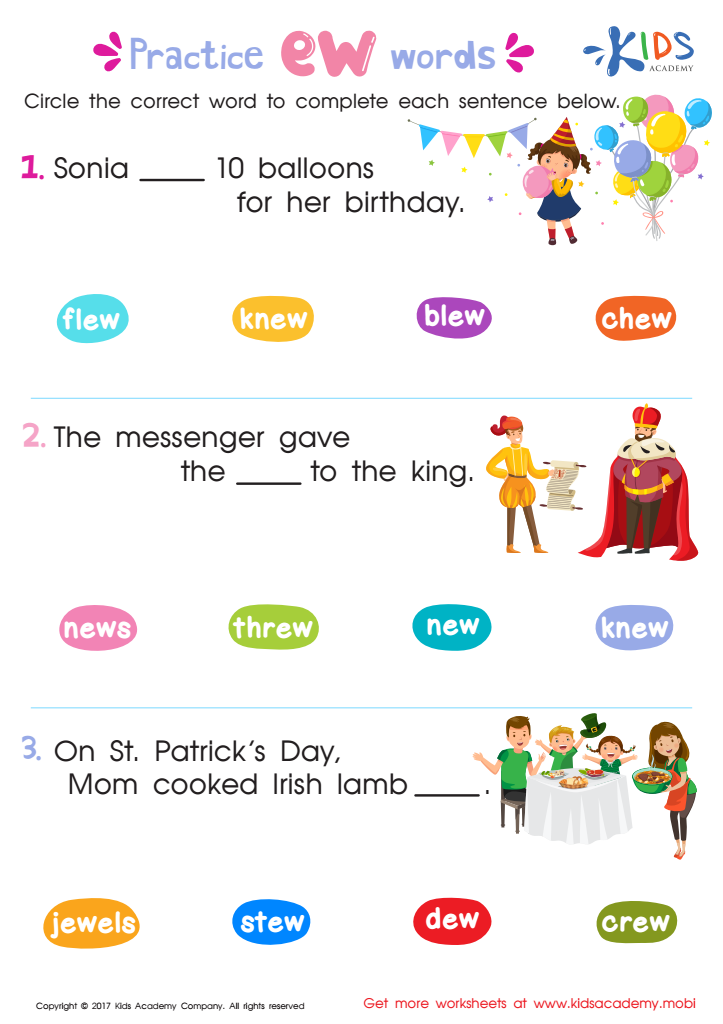
EW Words Worksheet
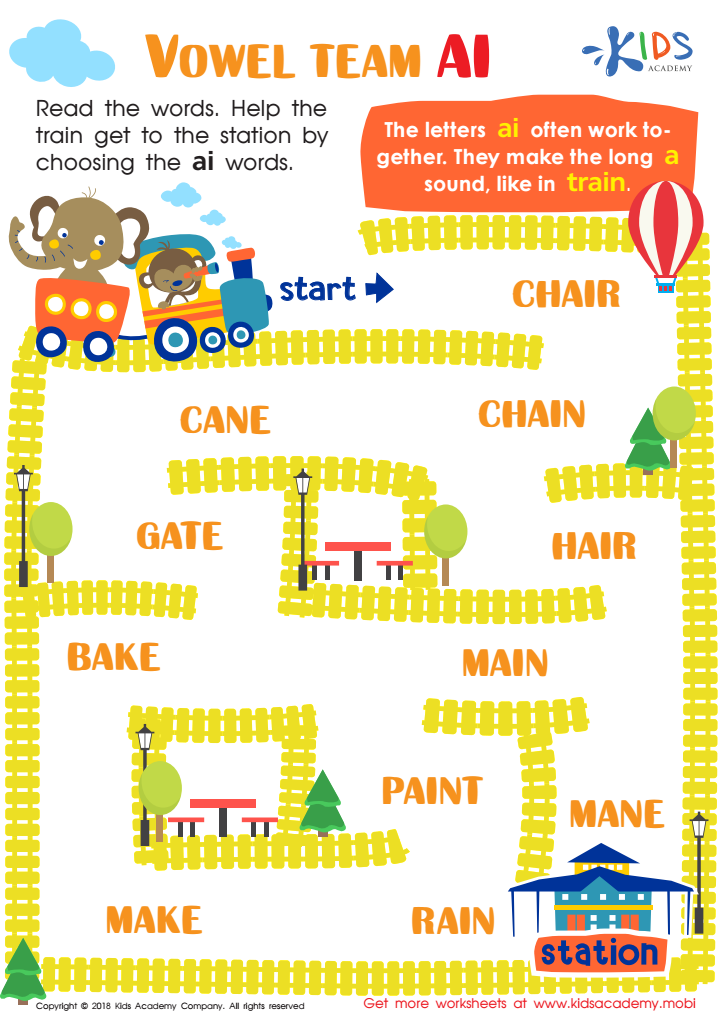
Vowel team ai Worksheet
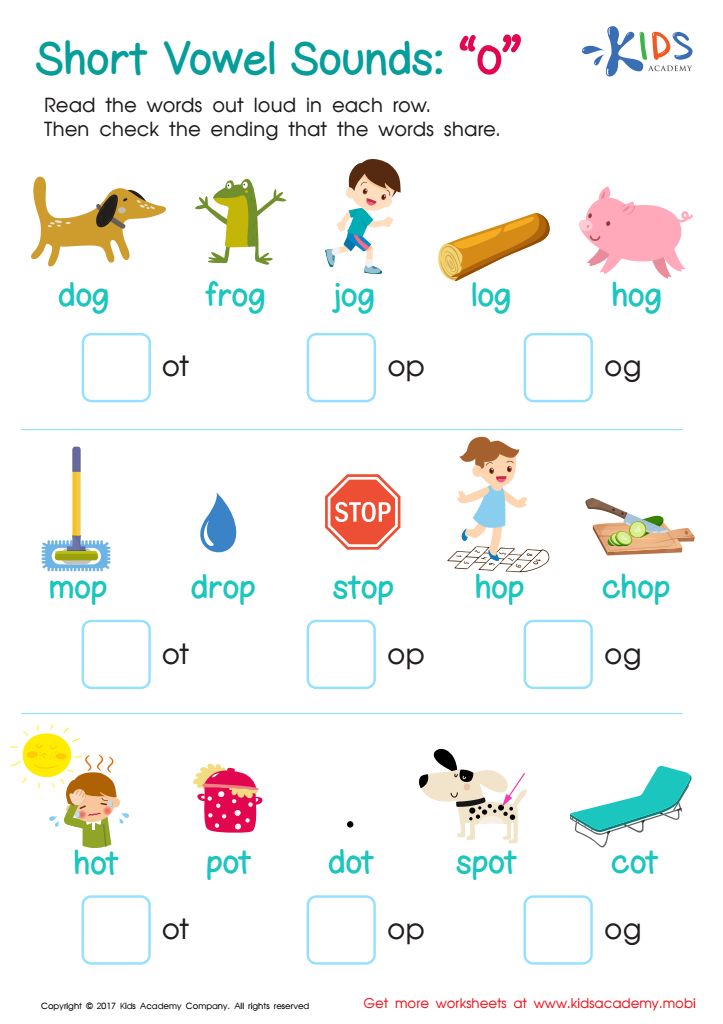
Short vowel Sounds "o" Spelling Worksheet
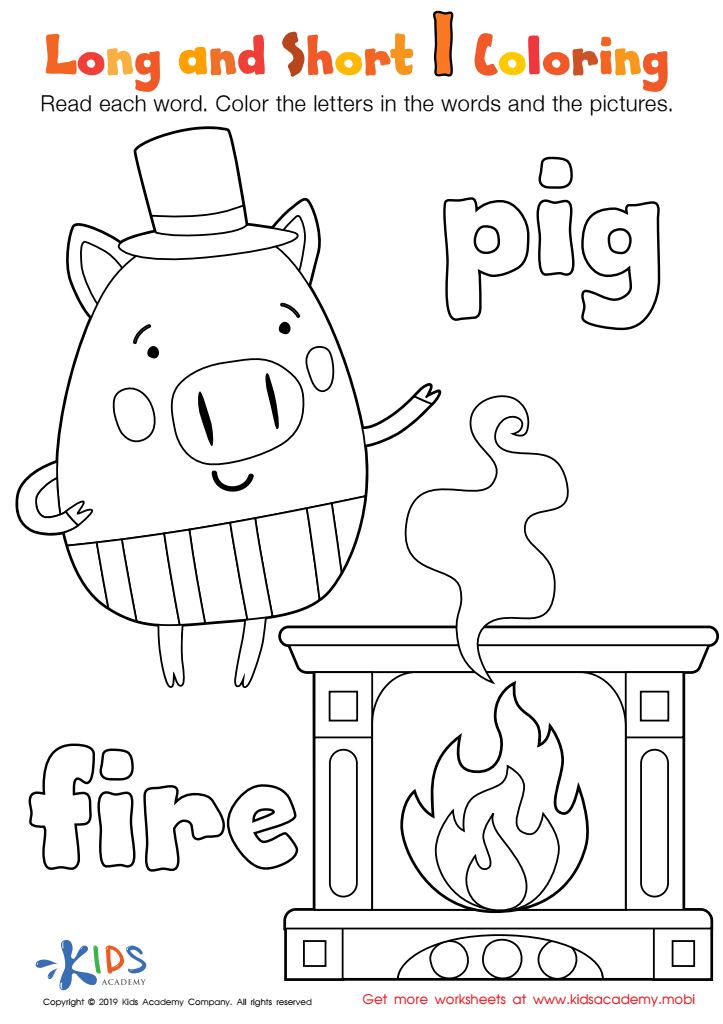
Long and Short I Worksheet
 Assign to My Students
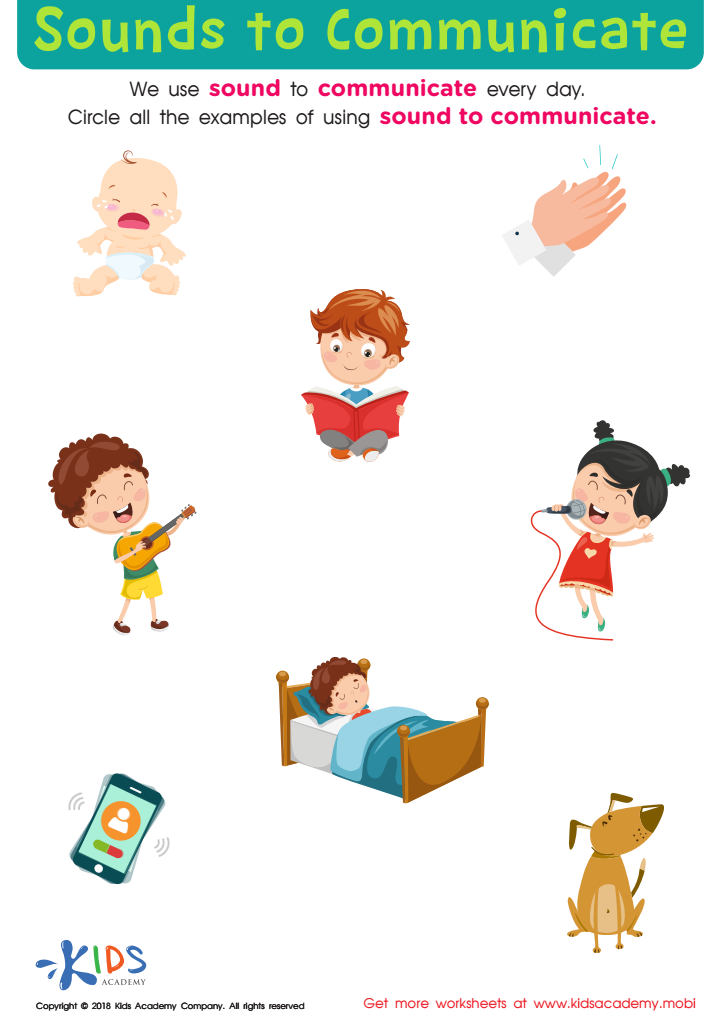
Sounds to Communicate Worksheet
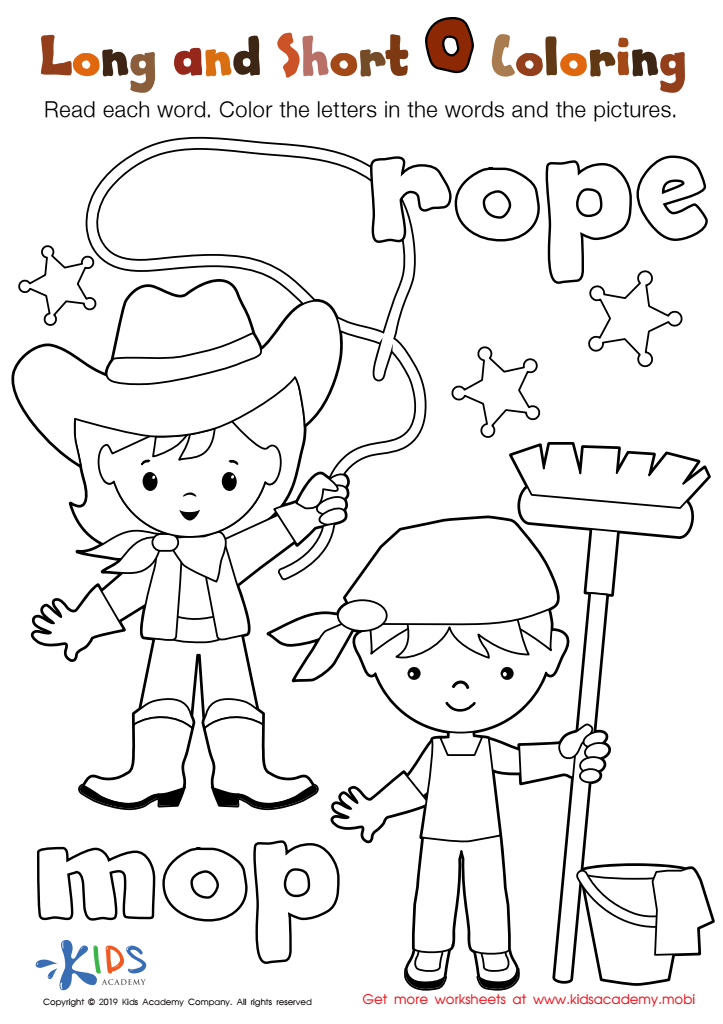
Long and Short O Worksheet
Assign to My Students







Phonics skills development is crucial for children ages 4-8 as it lays the foundation for effective reading and writing. At this critical stage, understanding the relationship between letters and sounds equips children with the skills needed to decode words, which is essential for reading fluency. Phonics instruction enables children to recognize common spelling patterns and improves their ability to read unfamiliar words. This early mastery fosters confidence and motivation in young readers, helping them view reading as an enjoyable and achievable activity.
Research shows a strong correlation between early phonics skills and later academic success. Proficient readers are better able to comprehend texts, leading to improved performance across subjects. Additionally, early phonics instruction contributes to vocabulary development, as children learn new words and their meanings through reading.
Parents and teachers play pivotal roles in phonics education by creating supportive and enriching environments. Engaging children with phonics games, reading aloud, and providing phonics-based reading materials reinforces skills learned at school. Early intervention in phonics can also identify and address potential reading difficulties, ensuring all children have the opportunity to become successful, lifelong readers. Thus, focusing on phonics development during ages 4-8 sets the stage for a child's educational and personal growth.








