Logical thinking development Normal Addition & Subtraction Worksheets for Ages 4-8
4 filtered results
-
From - To
Boost your child's logical thinking skills with our engaging Normal Addition & Subtraction Worksheets, designed specifically for ages 4-8. These interactive worksheets provide a fun and effective way to practice essential math operations while fostering critical reasoning abilities. Kids will explore addition and subtraction problems that stimulate their minds, encouraging them to think logically and strategically. Our playful approach integrates creative designs and age-appropriate challenges, making learning enjoyable. Ideal for both classroom and home use, these worksheets are perfect for early learners looking to improve their math proficiency. Start your child's journey to mathematical mastery today!
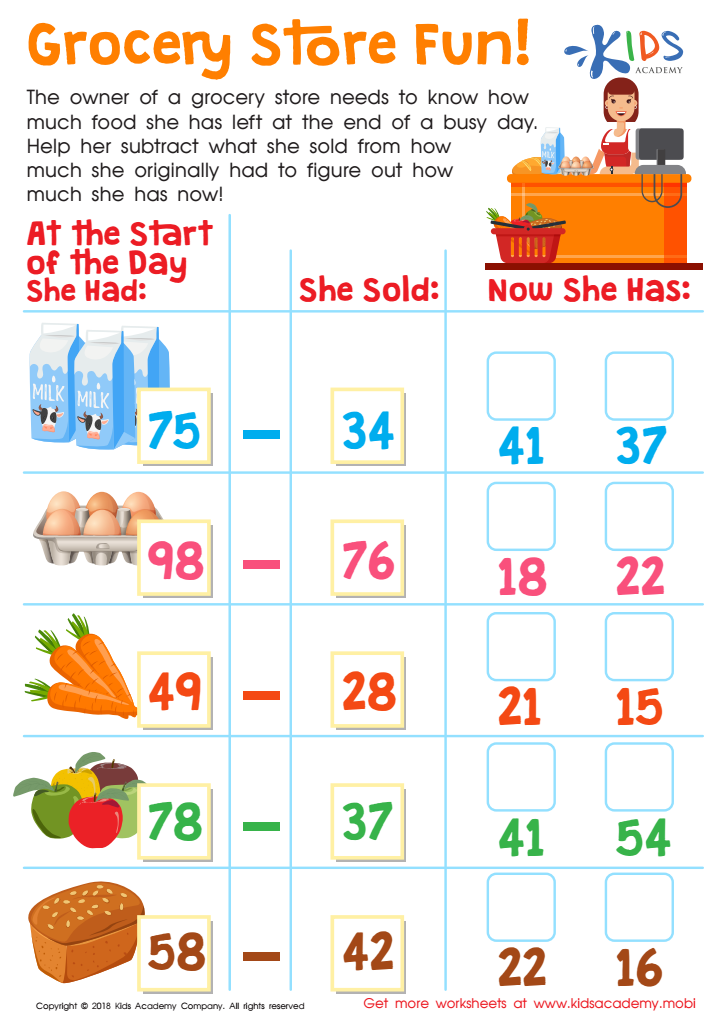
Grocery Store Fun! Worksheet
 Assign to My Students
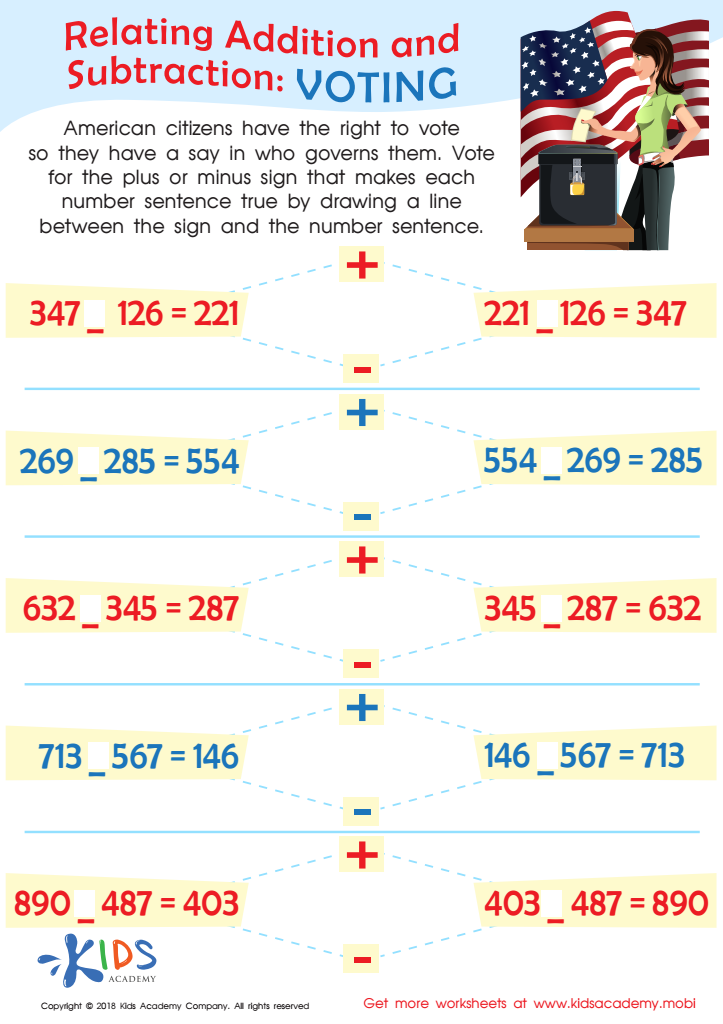
Voting Worksheet
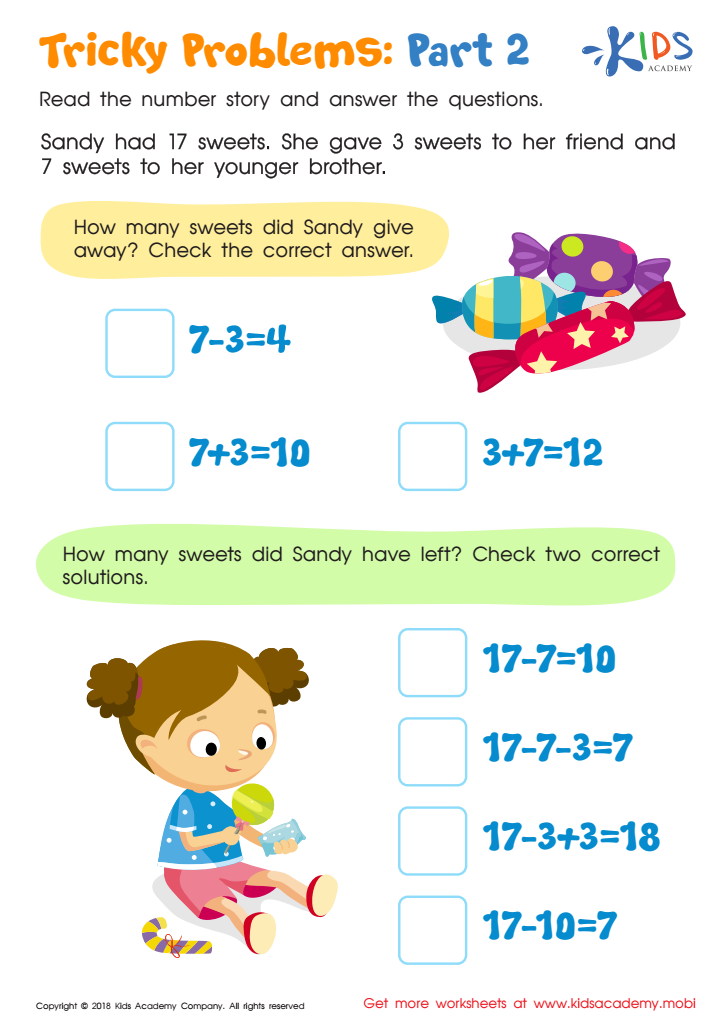
Tricky Problems Worksheet: Part 2
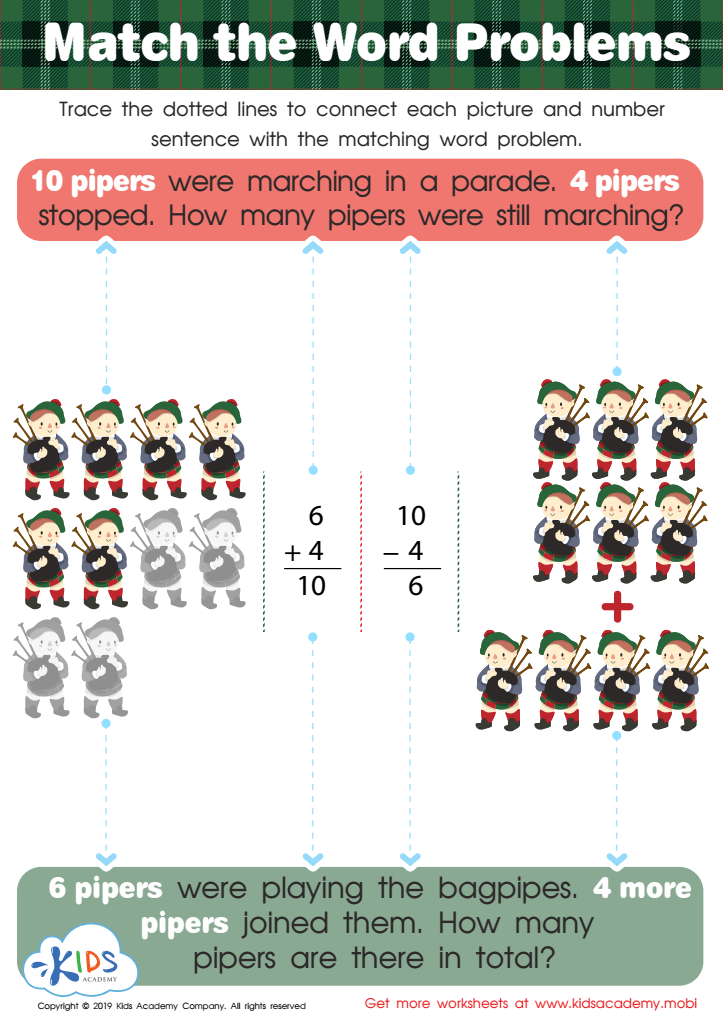
Match the Word Problems Worksheet








Logical thinking and mastery of addition and subtraction are foundational skills that significantly influence a child's academic success and cognitive development, especially for those aged 4 to 8. At this early stage, children are honing their ability to analyze, reason, and solve problems, which are critical components of logical thinking. Engaging children in activities that foster these skills helps them learn to approach challenges methodically, an essential life skill.
Moreover, learning normal addition and subtraction not only builds numerical literacy but also cultivates resilience and self-confidence. As children grasp these concepts, they develop a sense of achievement that motivates them to tackle more complex problems. This competence in mathematical operations lays the groundwork for understanding advanced concepts in later grades, fostering a positive attitude toward math and learning in general.
Teachers and parents play a vital role in this developmental phase. By integrating fun, hands-on activities that challenge a child's logical reasoning—like puzzles, games, or real-life counting—adults can create an enriching environment that links everyday experiences to mathematical concepts. Fostering these skills as early as possible prepares children for future academic challenges while encouraging a lifelong love for learning. The benefits extend beyond academics, supporting improved critical thinking and decision-making skills essential in everyday life.








