Developing logical thinking Normal Math Worksheets for Ages 4-8
3 filtered results
-
From - To
Unlock your child's potential with our "Developing Logical Thinking" math worksheets designed for ages 4-8. These engaging, printable resources foster critical thinking skills through fun and interactive activities. Each worksheet focuses on essential concepts like pattern recognition, problem-solving, and reasoning, helping young learners build a strong foundation in mathematics. Perfect for home or classroom use, our worksheets promote cognitive development while making learning enjoyable. Encourage your child's logical thinking skills and watch them flourish in a positive, supportive environment. Explore our collection today and give your child the tools they need for academic success!
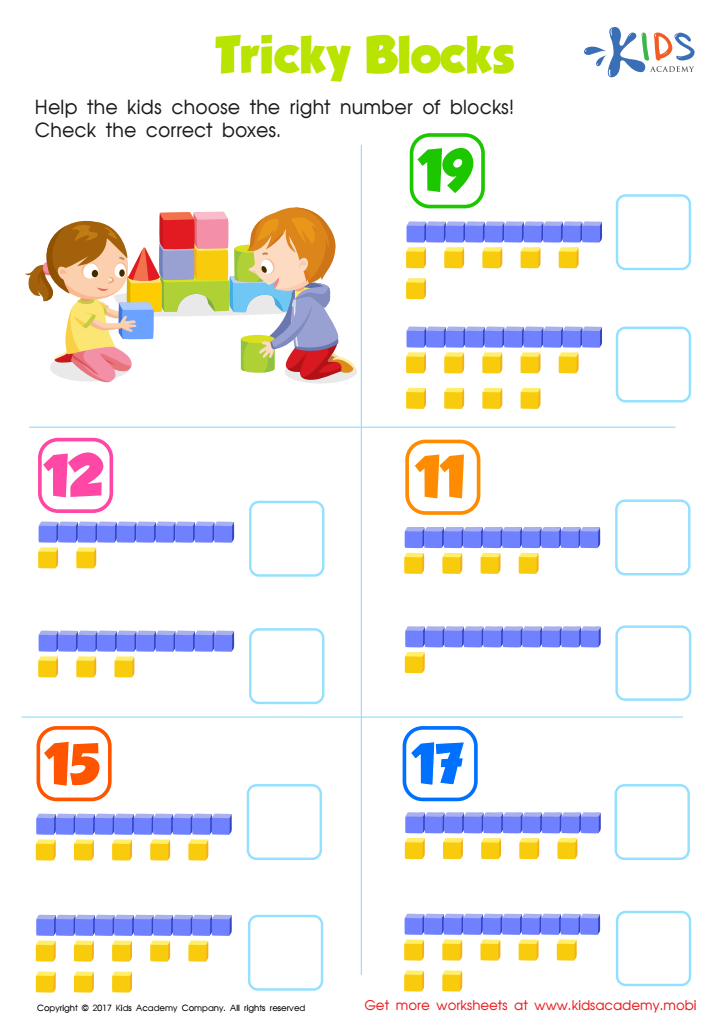
Tricky Blocks Worksheet
 Assign to My Students
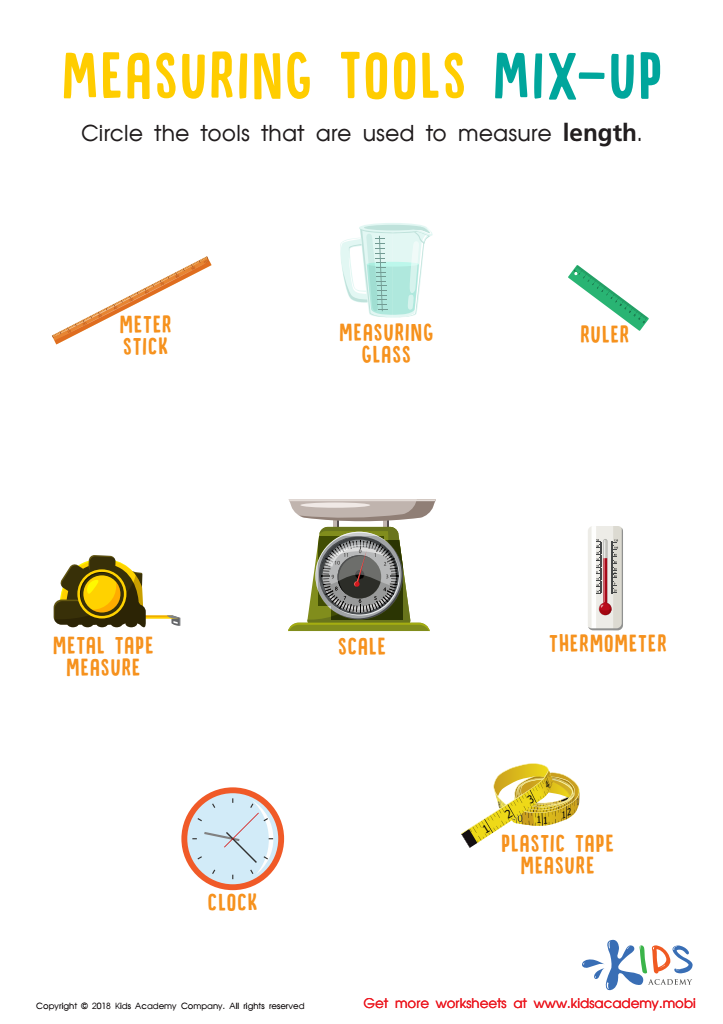
Measuring Tools Mix–up Worksheet
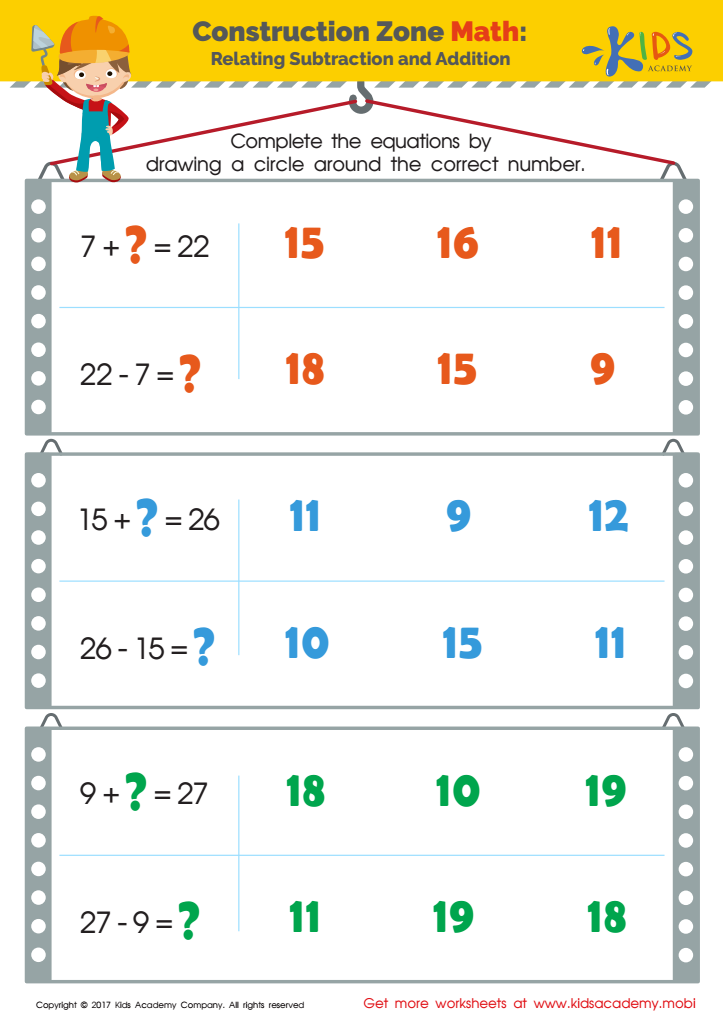
Related Addition and Subtraction Facts Worksheet








Developing logical thinking and foundational math skills in children aged 4-8 is crucial for several reasons. At this stage, children are naturally curious and eager to explore concepts, making it the ideal time to introduce mathematical reasoning. Early exposure to logical thinking aids in problem-solving abilities, enhancing children's understanding of patterns, sequences, and relationships. These skills are not limited to mathematics; they provide a framework for critical thinking across all subjects.
Moreover, fostering these skills can significantly impact a child’s confidence and self-esteem. When children successfully engage with logical puzzles or math games, they develop a sense of achievement that encourages further exploration and learning. This early foundation also enables children to grasp more complex mathematical concepts in later years, preventing future learning gaps.
Parents and teachers play a pivotal role in this development by creating an engaging environment filled with hands-on activities. Incorporating everyday experiences into learning—like counting items during shopping or playing strategy games—makes logical thinking relatable and enjoyable. Ultimately, nurturing logical thinking not only supports academic readiness but also cultivates lifelong skills that promote analytical thinking and informed decision-making in children’s futures. Investing in early math skills is both a gift and an essential support for children’s overall cognitive development.








