Analytical skills Normal Building Vocabulary Worksheets for Ages 4-8
4 filtered results
-
From - To
Enhance your child's analytical skills with our engaging Normal Building Vocabulary Worksheets designed for ages 4-8. These worksheets focus on developing critical thinking and comprehension through fun activities that encourage young learners to analyze, categorize, and interpret words. Ideal for both classroom and home use, our resources promote vocabulary expansion and improve language proficiency. Each worksheet includes relevant themes and interactive exercises, making the learning process stimulating and enjoyable. Watch your child flourish as they enhance their vocabulary and build essential analytical skills that lay the foundation for future academic success. Start nurturing your little learner's potential today!
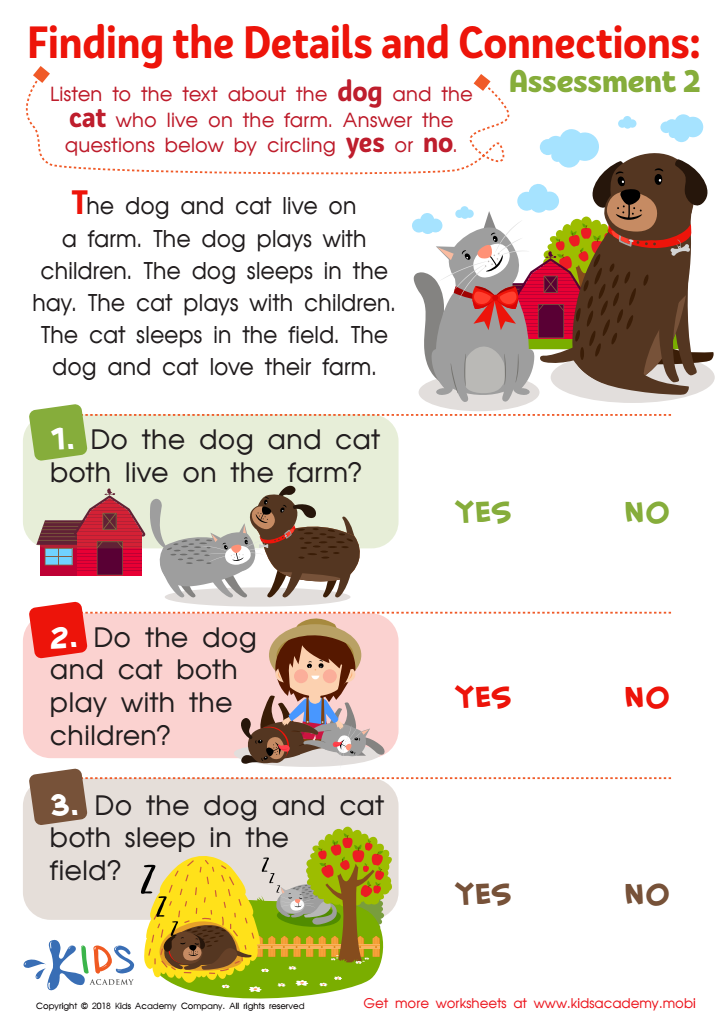
Finding the Details and Connections: Assessment 2 Worksheet
 Assign to My Students











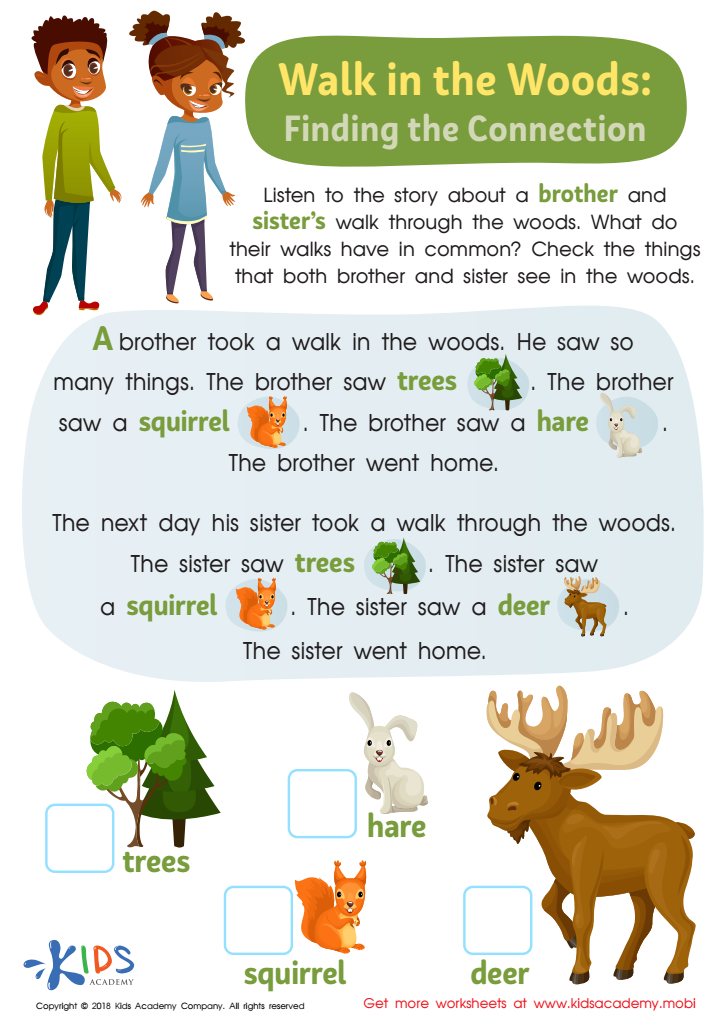
Walk In the Woods: Finding Connections Worksheet
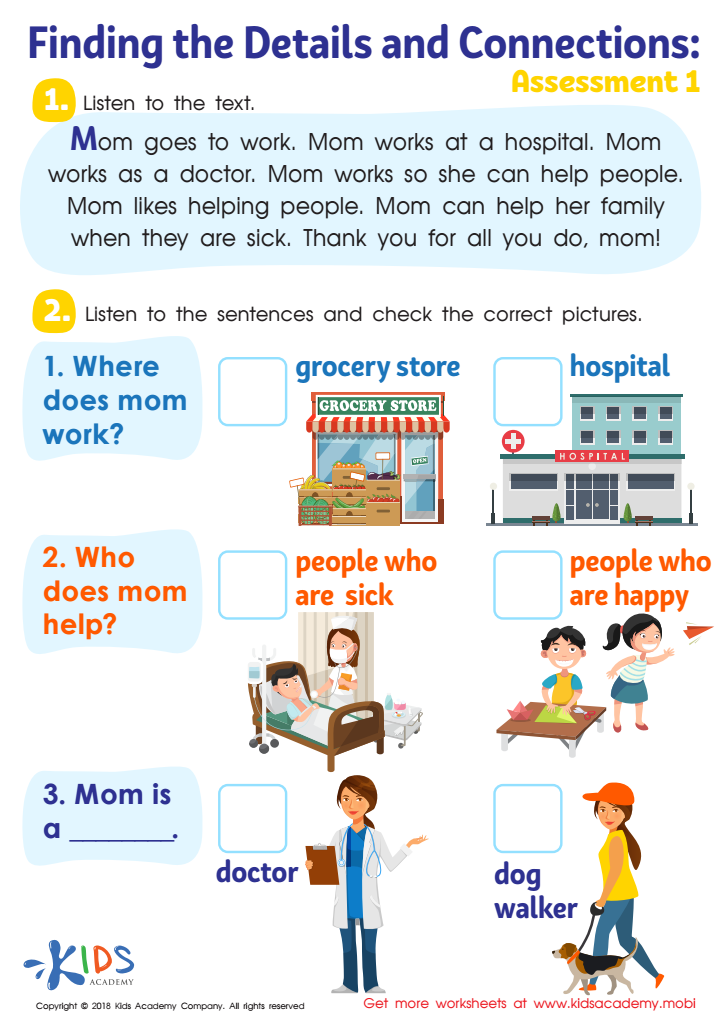
Finding the Details and Connections: Assessment 1 Worksheet
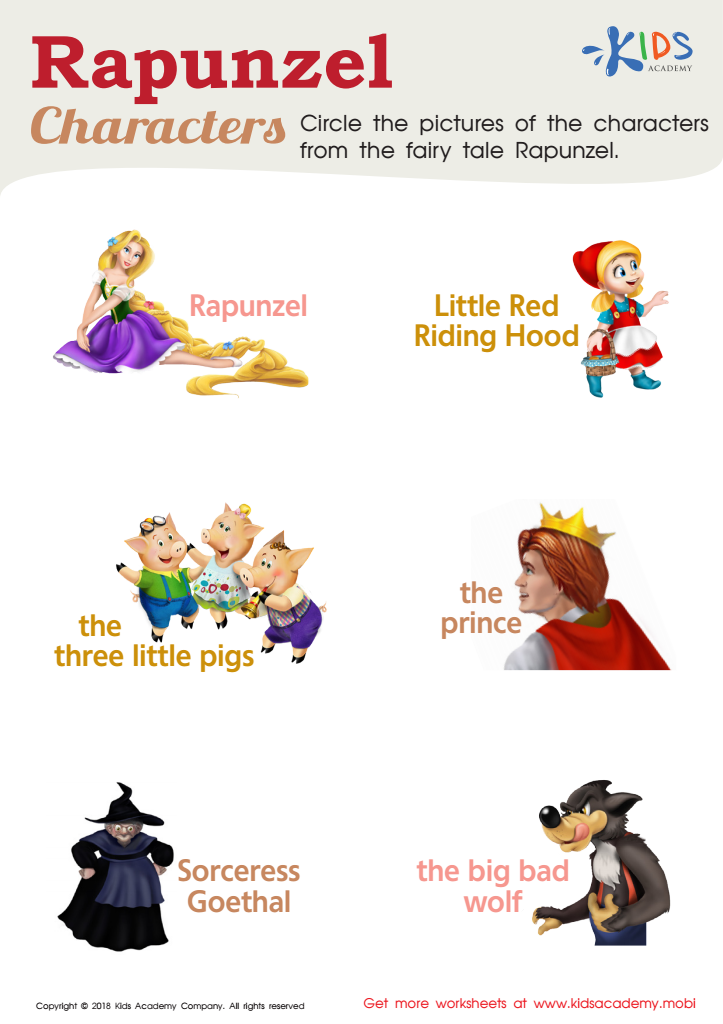
Rapunzel Characters Worksheet


.jpg)





Analytical skills development and vocabulary building are essential for children aged 4-8, laying the foundation for their future learning. Parents and teachers should care about cultivating these abilities because analytical skills foster critical thinking, enabling children to evaluate information, solve problems, and make informed decisions. When children are encouraged to think analytically, they learn to ask questions, connect ideas, and understand cause-and-effect relationships, which are crucial throughout their educational journey.
Furthermore, building vocabulary at this young age enriches communication skills and comprehension. A robust vocabulary goes hand in hand with reading proficiency, which is crucial for academic success. Children with well-developed vocabulary skills can articulate their thoughts better, explore various subjects, and learn to express emotions more clearly. This helps nurture their confidence and creativity, enhancing social interactions and relationships.
When parents and teachers focus on nurturing these skills, they equip children with essential tools for lifelong learning. By engaging children in activities that promote discussion, inquiry, and exploration of language, they foster an environment ripe for cognitive development. Ultimately, investing in analytical skills and vocabulary enhances children’s ability to thrive in school and helps shape them into thoughtful, articulate individuals.








