Number Recognition Normal Building Vocabulary Worksheets for Ages 4-8
4 filtered results
-
From - To
Discover our engaging Number Recognition Normal Building Vocabulary Worksheets, specially designed for children ages 4-8! These worksheets help young learners enhance their number recognition skills while simultaneously building a robust vocabulary. Each activity is thoughtfully crafted to promote not only counting but also language development, ensuring a well-rounded educational experience. With fun visuals and interactive exercises, your child will enjoy practicing their numbers in various contexts. Perfect for both classroom settings and at-home learning, our printable resources are an ideal way to support your child’s educational journey. Give your little ones the tools they need to succeed in a playful and effective way!
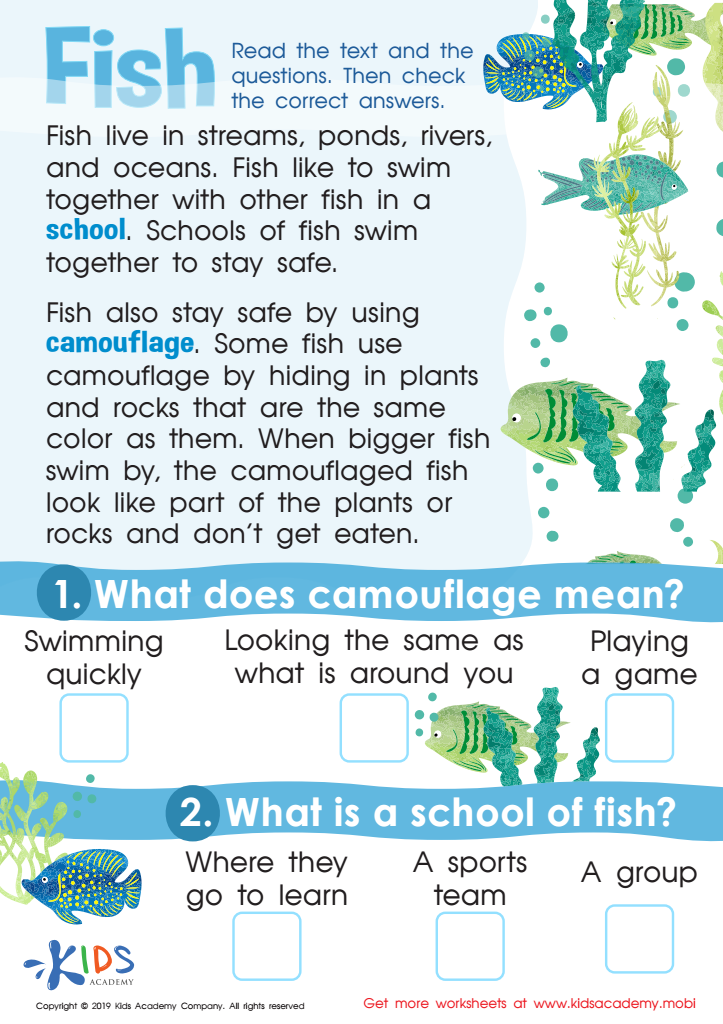
Fish Worksheet
 Assign to My Students











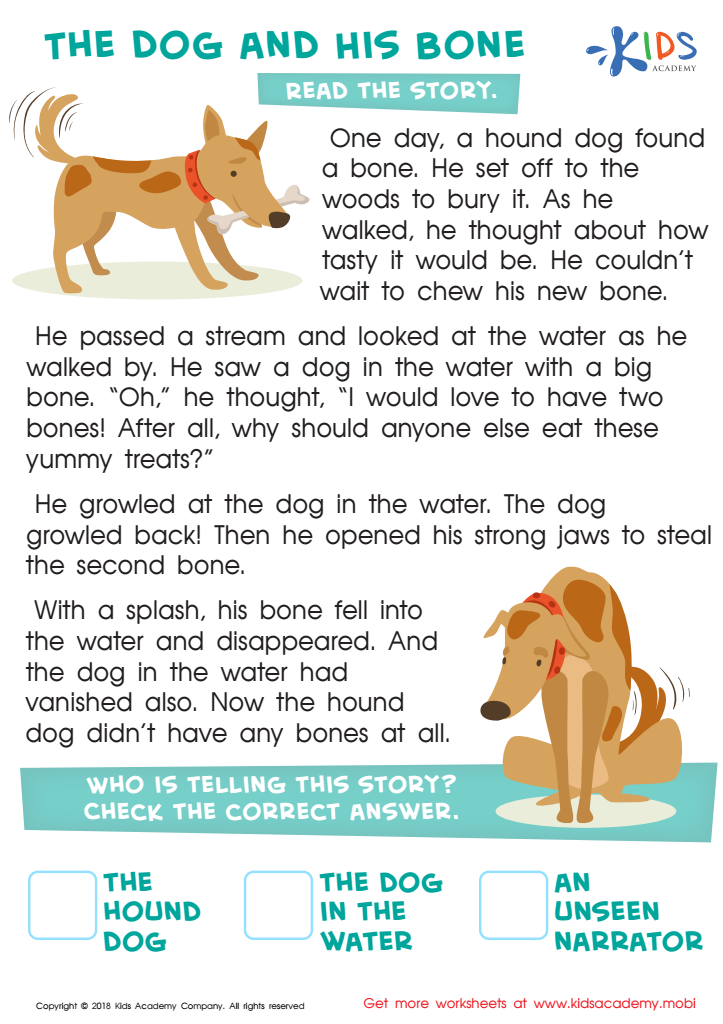
The Dog and His Bone Worksheet
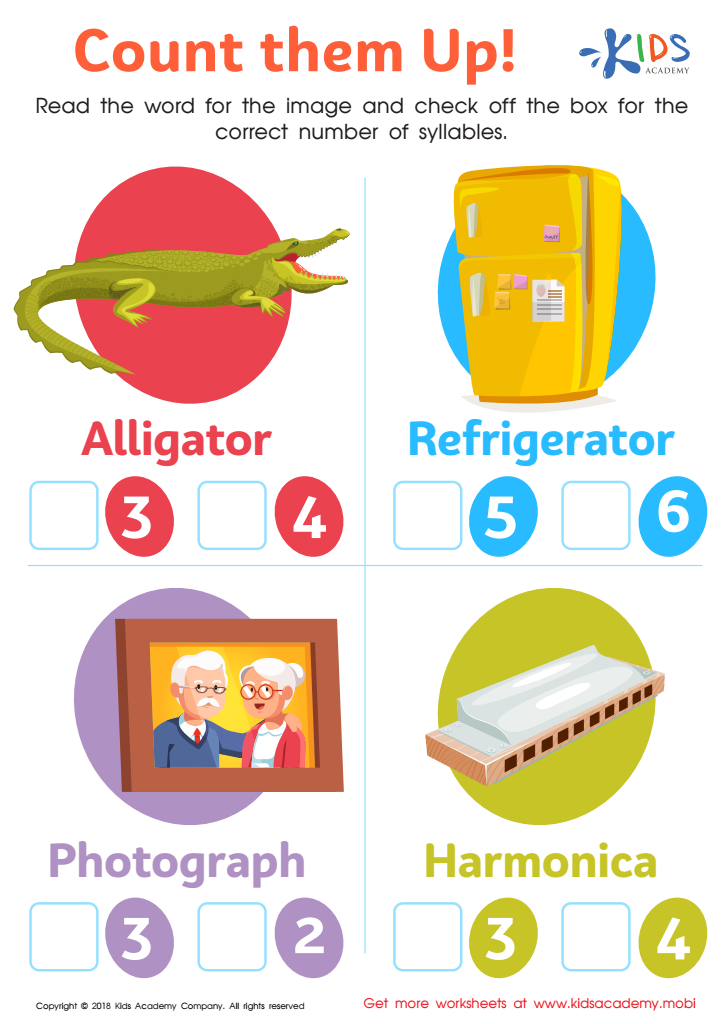
Count Them Up Worksheet
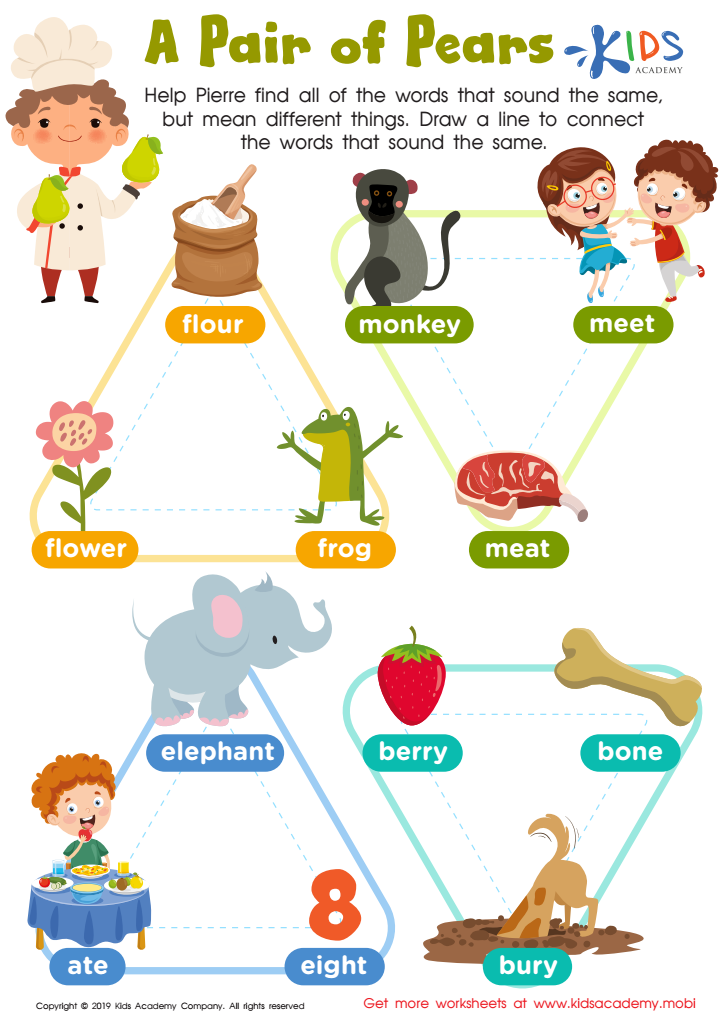
Pair Pears Worksheet




.jpg)



Number recognition and vocabulary building are foundational skills for children aged 4-8, crucial for their overall cognitive development and future academic success. Parents and teachers play a vital role in nurturing these skills, as they form the basis for learning in mathematics and literacy.
Number recognition helps children understand quantities, engage in counting, and perform basic arithmetic, which are essential life skills. When children can recognize and manipulate numbers, they gain confidence to tackle more complex mathematical concepts as they progress in school. Additionally, early exposure to mathematical vocabulary—terms like "add," "subtract," and "equals"—enables them to articulate mathematical thought and fosters critical thinking.
Moreover, vocabulary building broadens a child’s understanding of the world. It enhances reading comprehension, enhances communication skills, and encourages creative expression. By caring for and actively cultivating these skills, parents and teachers create an enriched learning environment that supports overall literacy development.
In essence, number recognition and vocabulary building serve as building blocks for lifelong learning, setting the stage for academic excellence and fostering a love for learning in young children. Investing in these skills can yield significant benefits, empowering children to navigate the complexities of school and beyond effectively.








