Vocabulary Building Normal Reading Worksheets for Ages 4-8
20 filtered results
-
From - To
Discover an engaging collection of vocabulary building worksheets designed specifically for children ages 4 to 8. Our printable resources promote language development through fun and interactive activities that enhance word recognition and understanding. Each worksheet encourages young learners to explore new vocabulary in context, improving their reading comprehension and communication skills. Tailored for early learners, our worksheets feature colorful illustrations and age-appropriate challenges that make learning enjoyable. Help your child expand their vocabulary and foster a love for reading while maintaining their enthusiasm for learning. Explore the extensive range of worksheets and watch your child's vocabulary thrive!
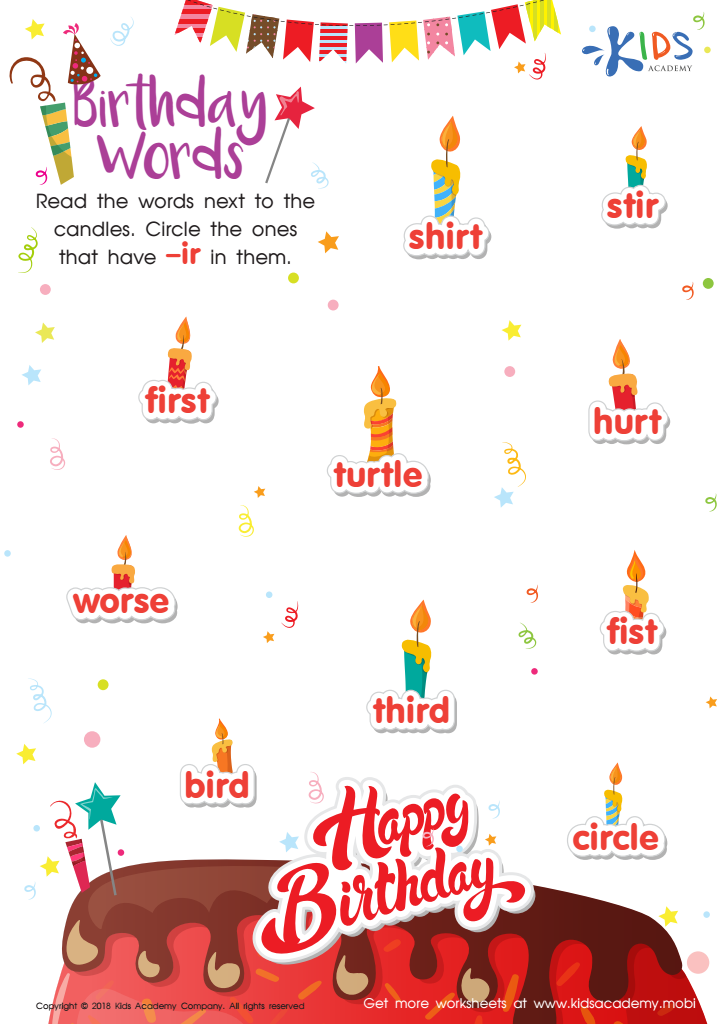
Birthday Words Worksheet
 Assign to My Students
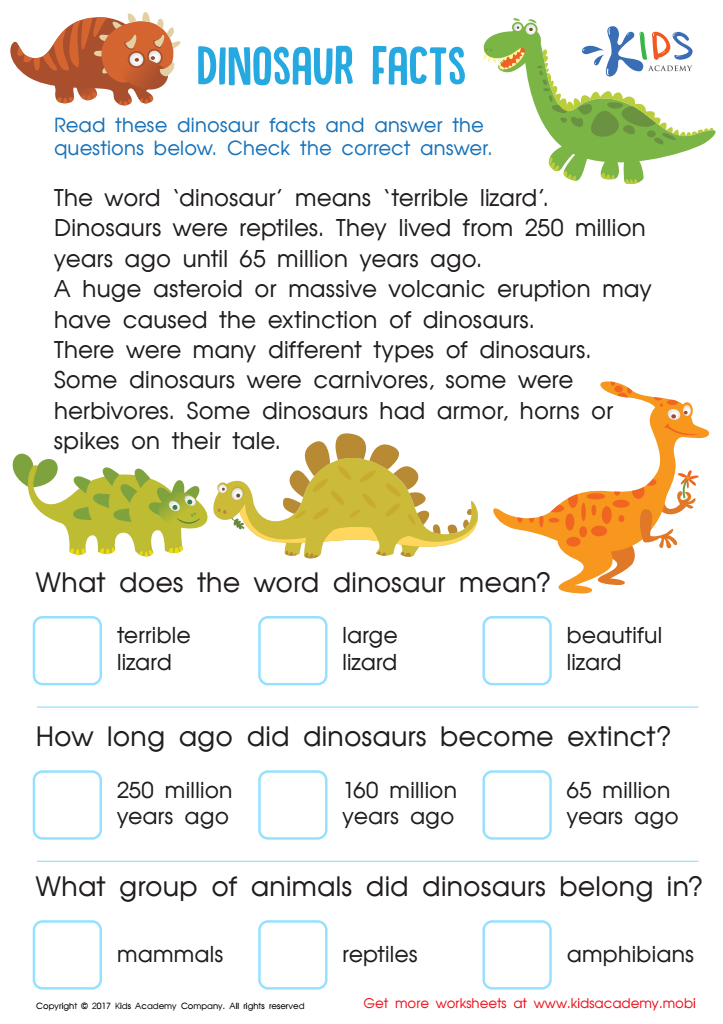
Dinosaur Facts Worksheet
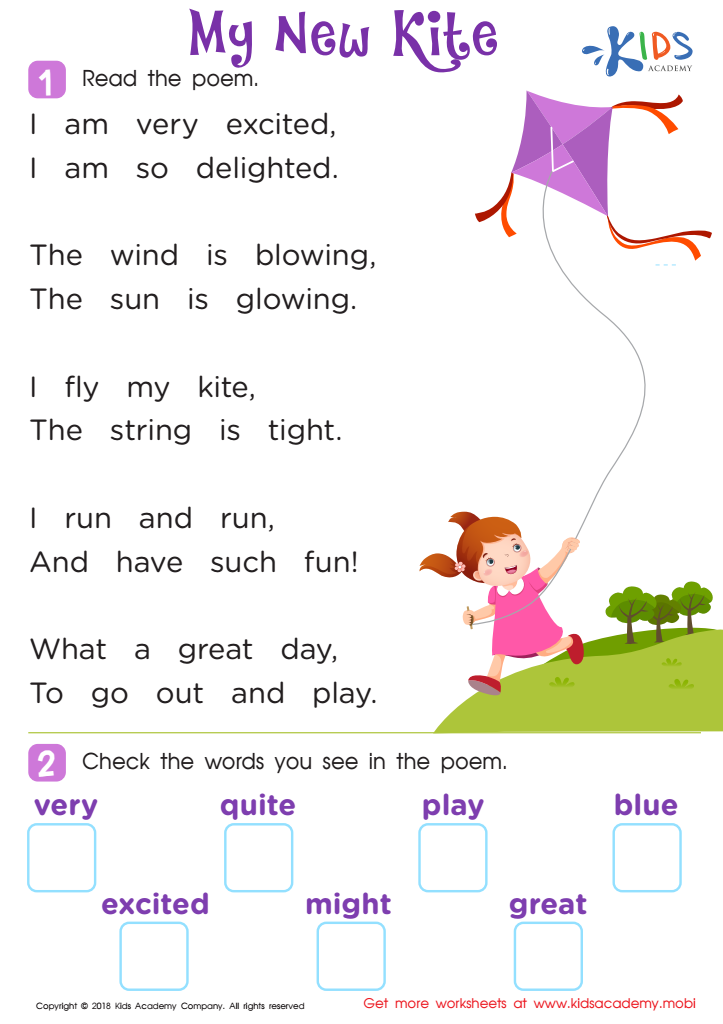
Poem: My New Kite Worksheet
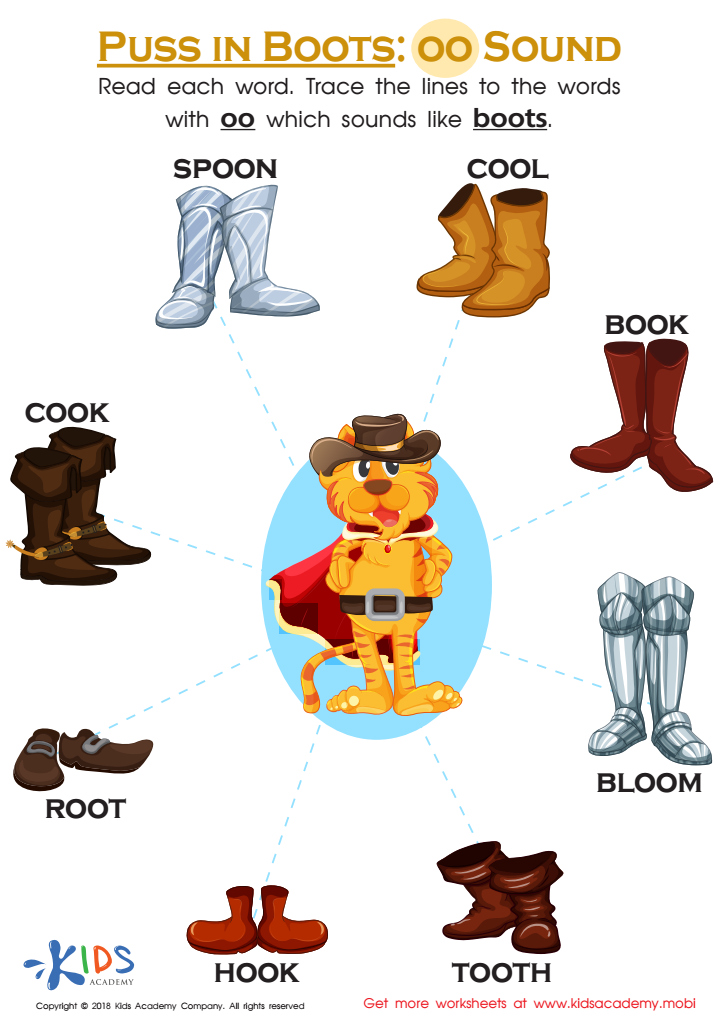
Puss in Boots: OO Sound Worksheet
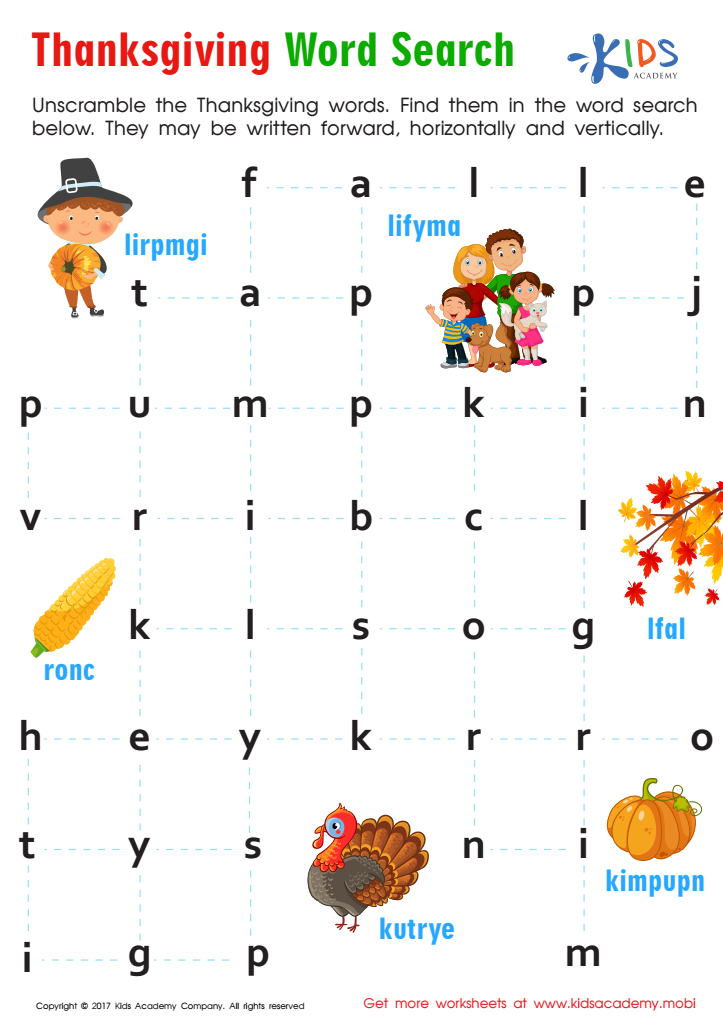
Thanksgiving Word Search Sight Words Worksheet
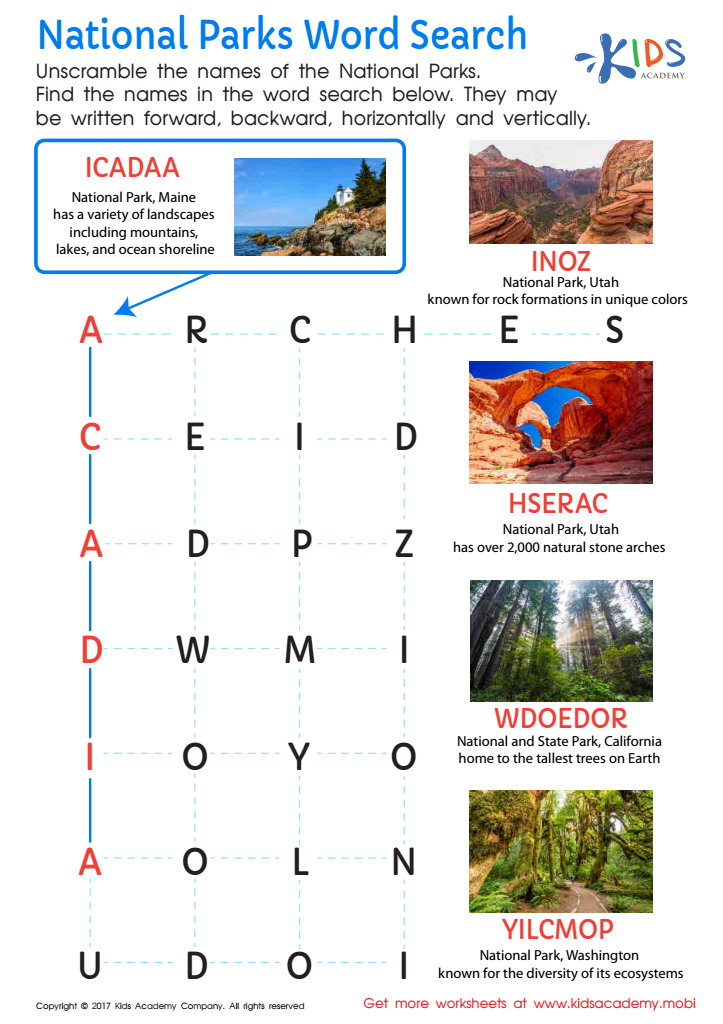
National Parks Word Search Worksheet
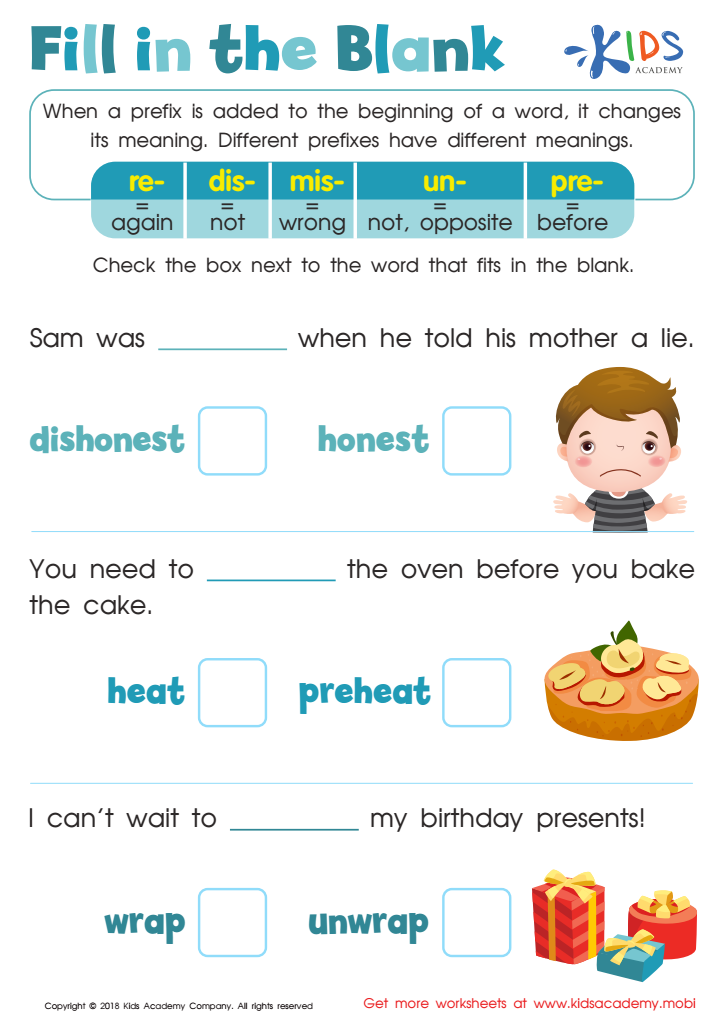
Reading: Fill in the Blank Worksheet
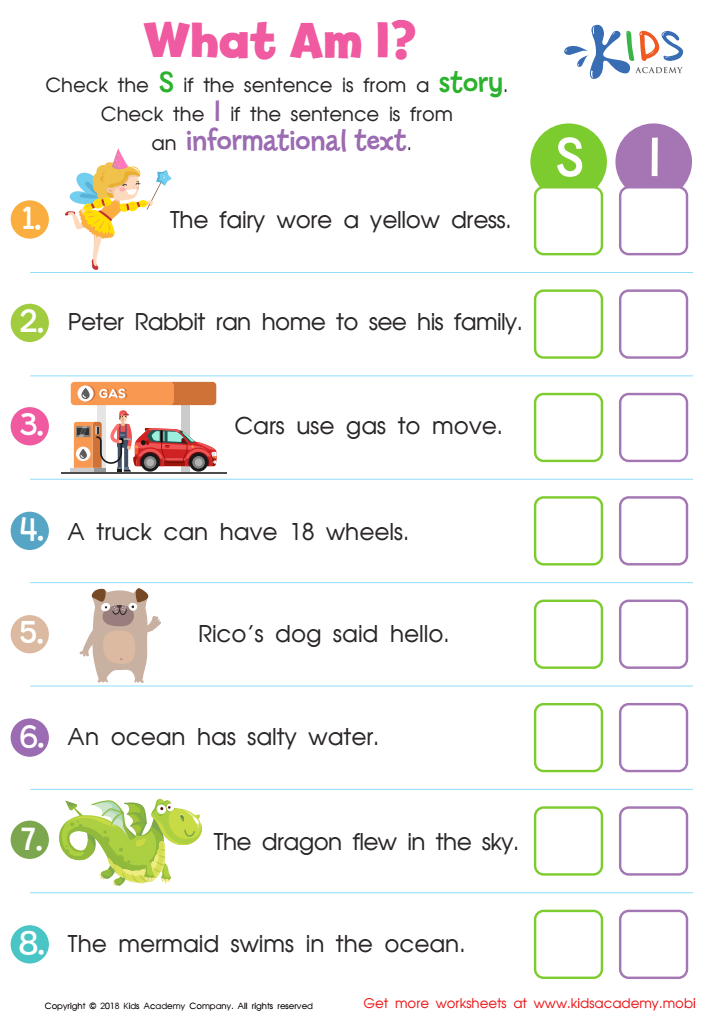
What Am I? Worksheet
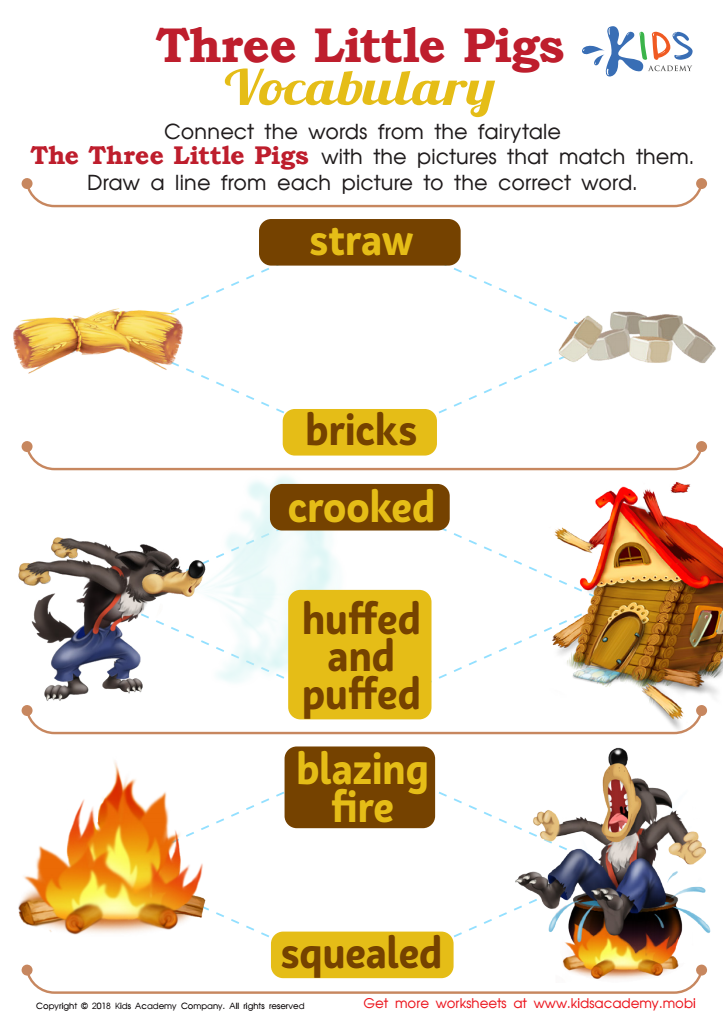
Three Little Pigs Vocabulary Worksheet
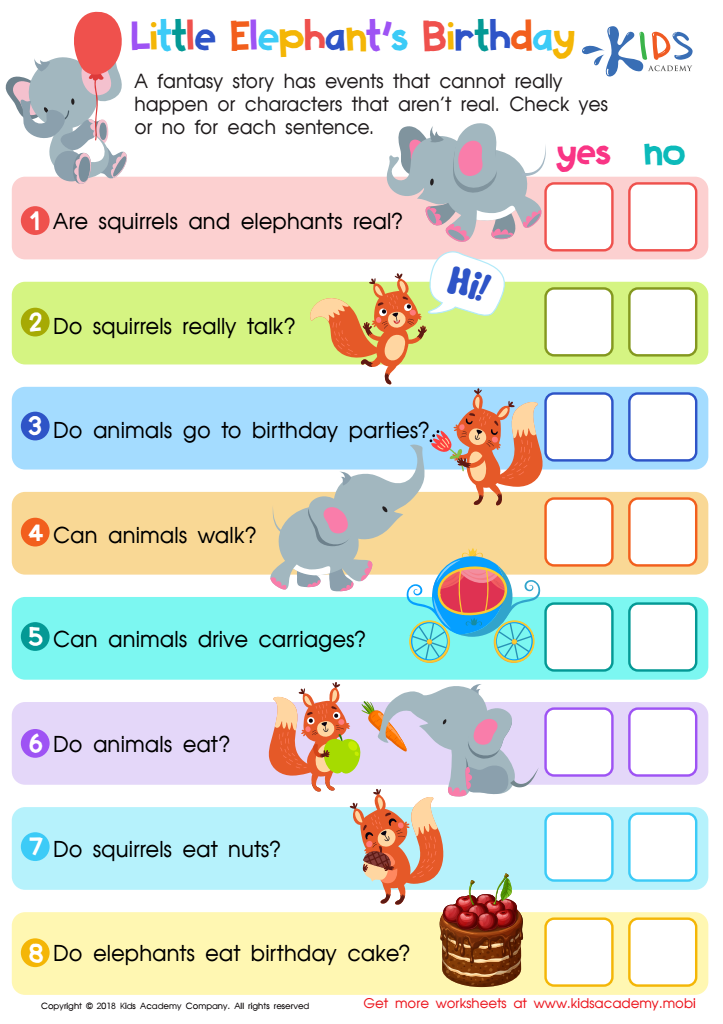
Little Elephant's Birthday Worksheet
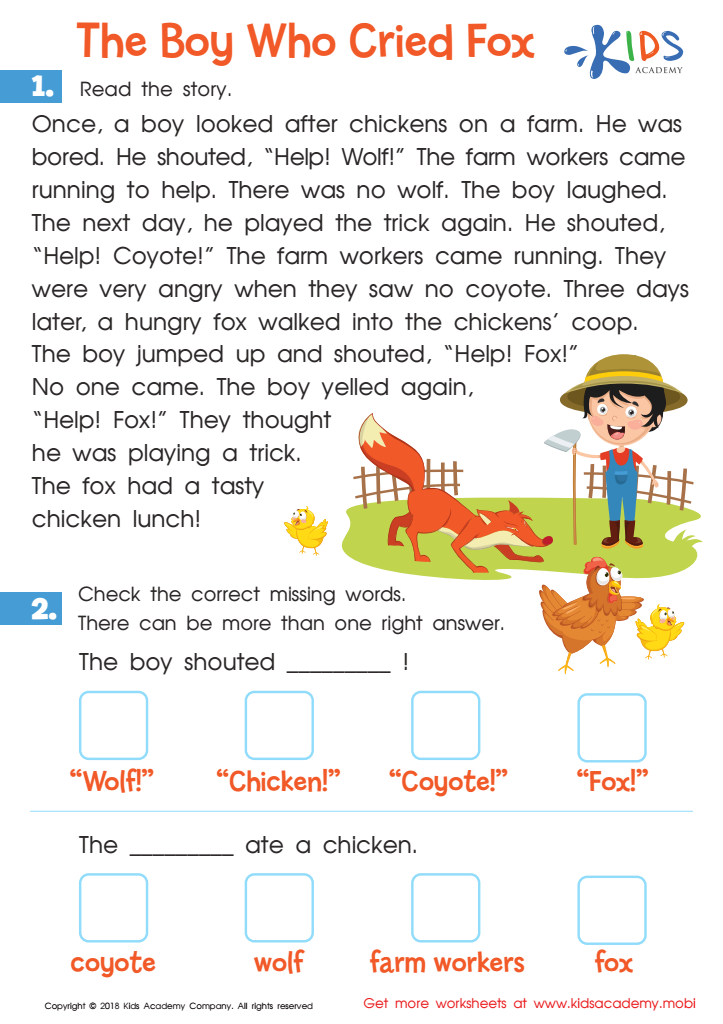
The Boy Who Cried Fox Worksheet
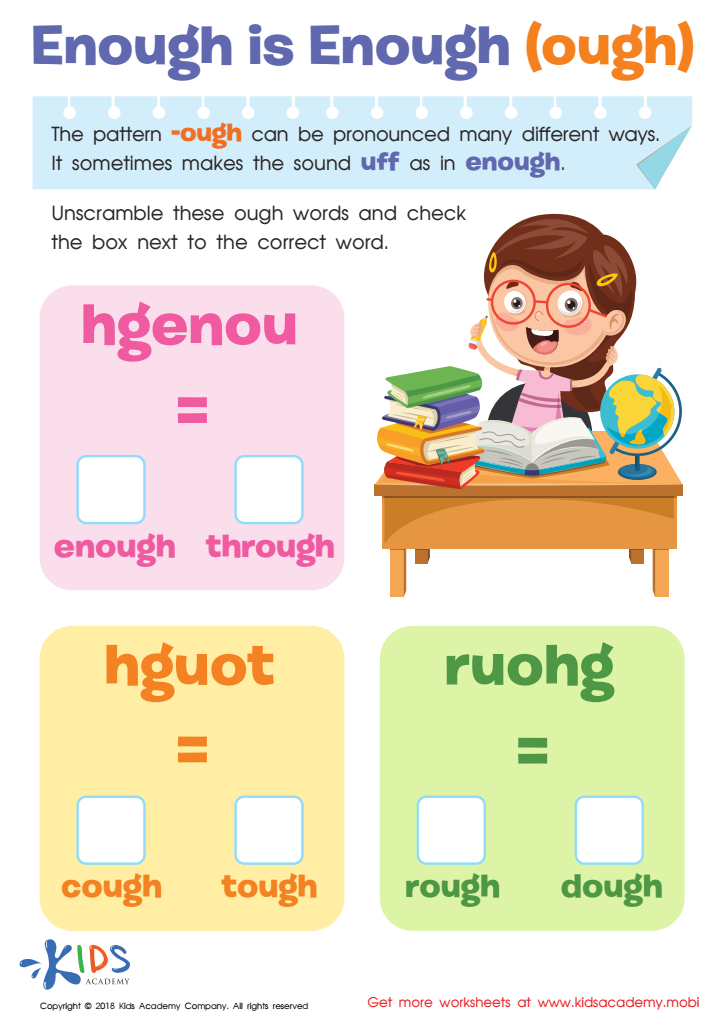
Enough Is Enough (ough) Worksheet
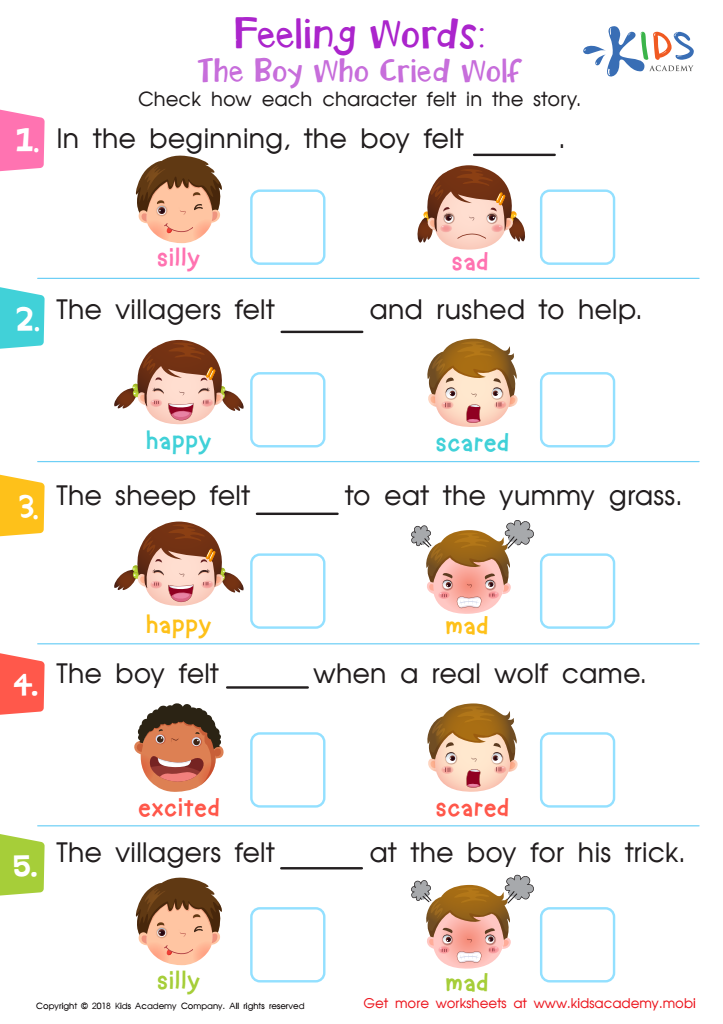
Feeling Words: The Boy Who Cried Wolf Worksheet

Golden Eagles Worksheet
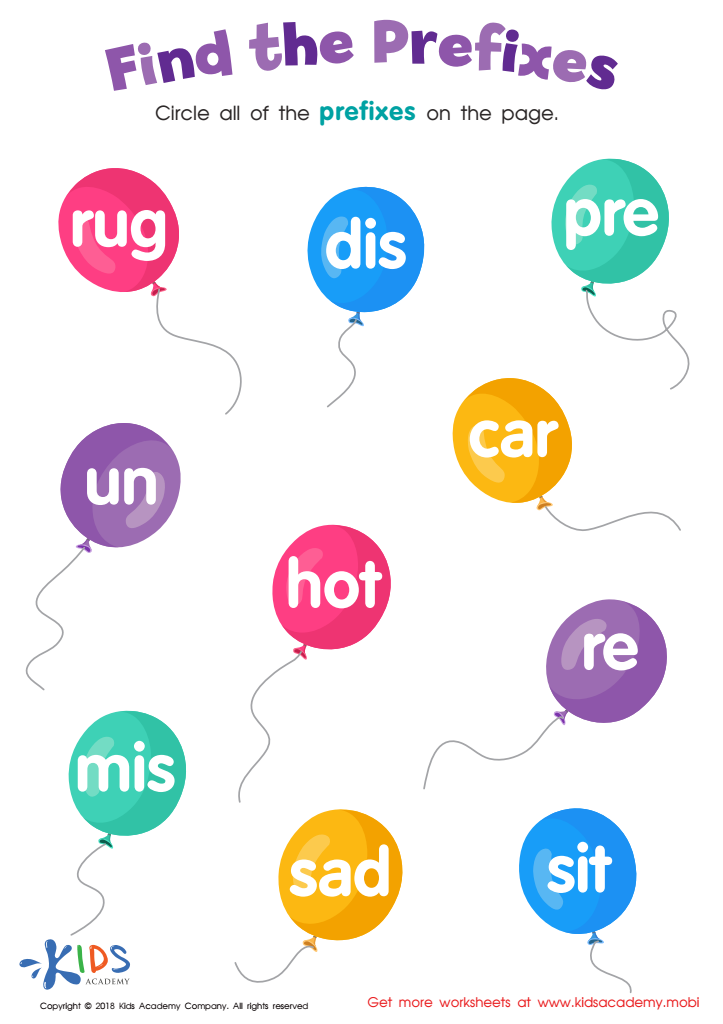
Reading: Find the Prefixes Worksheet
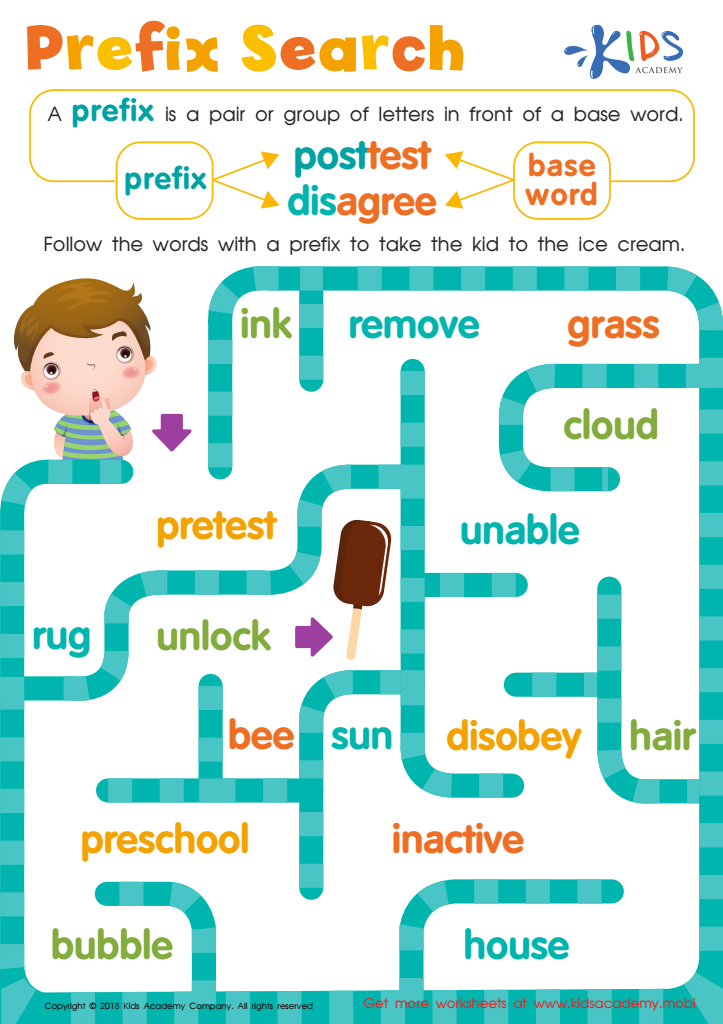
Reading: Prefix Search Worksheet
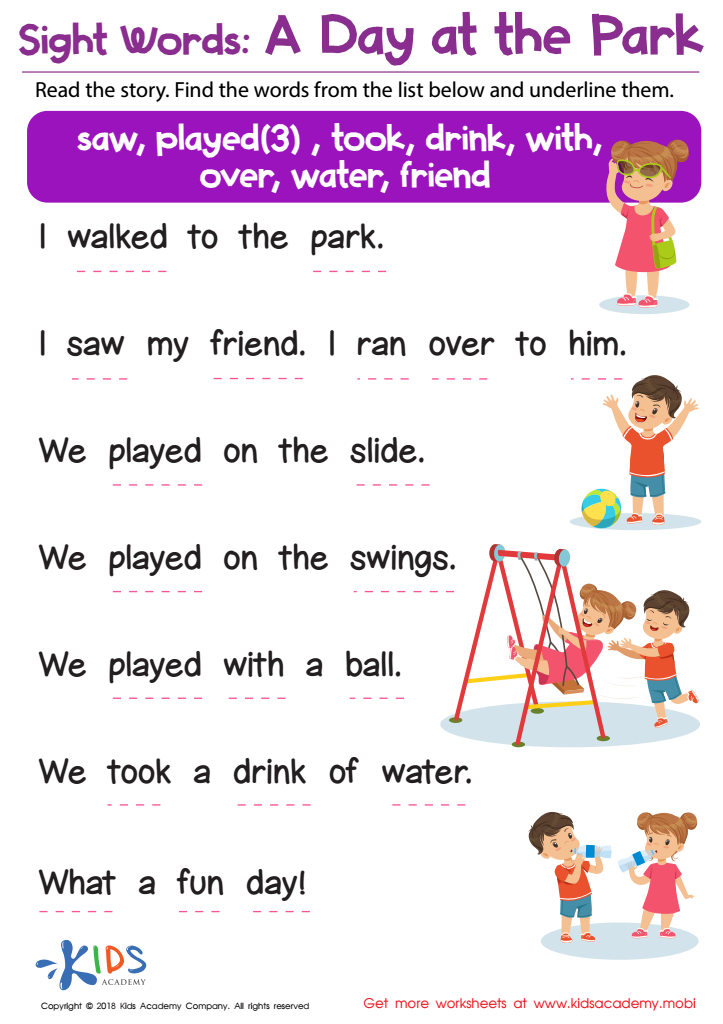
Sight Words: A Day at the Park Worksheet
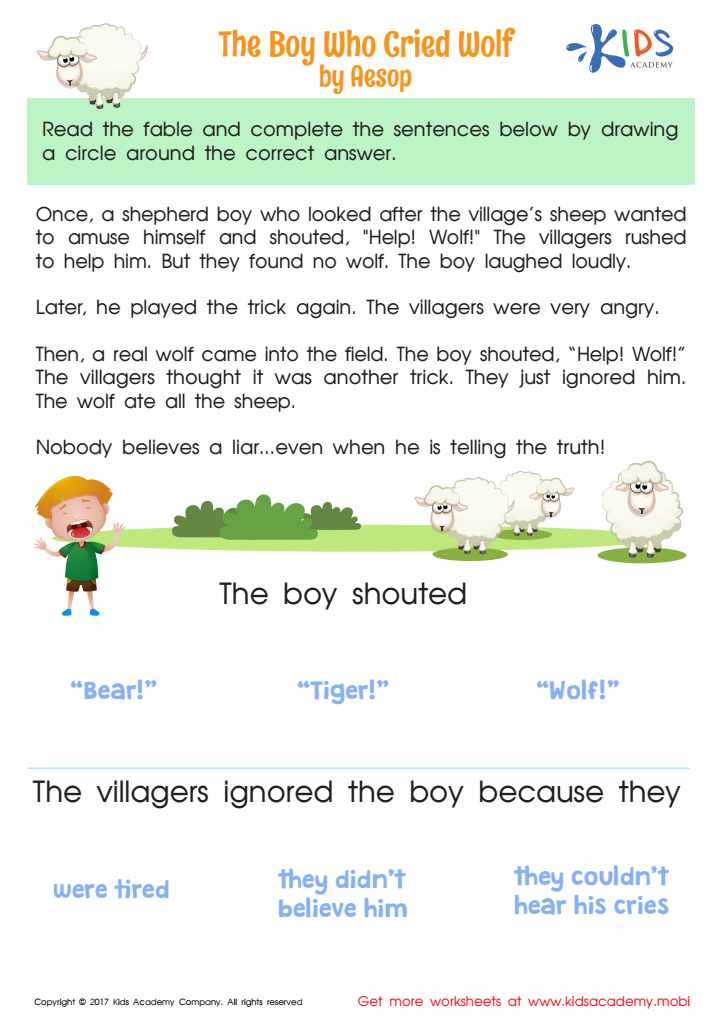
The Boy Who Cried Wolf Worksheet
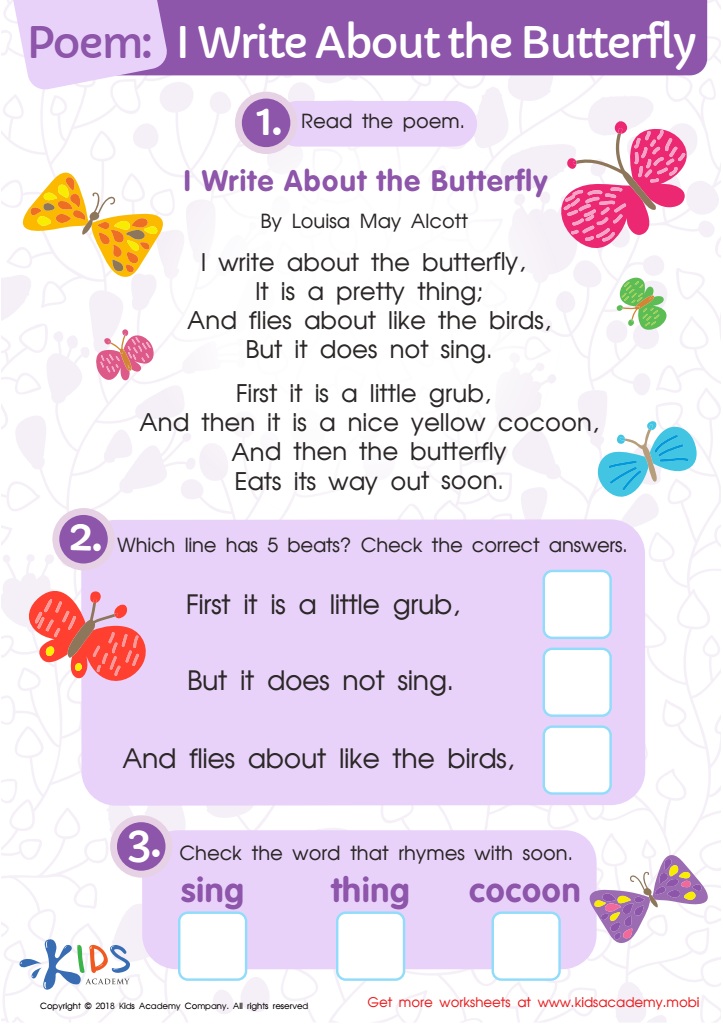
Poem: I Write About The Butterfly Worksheet
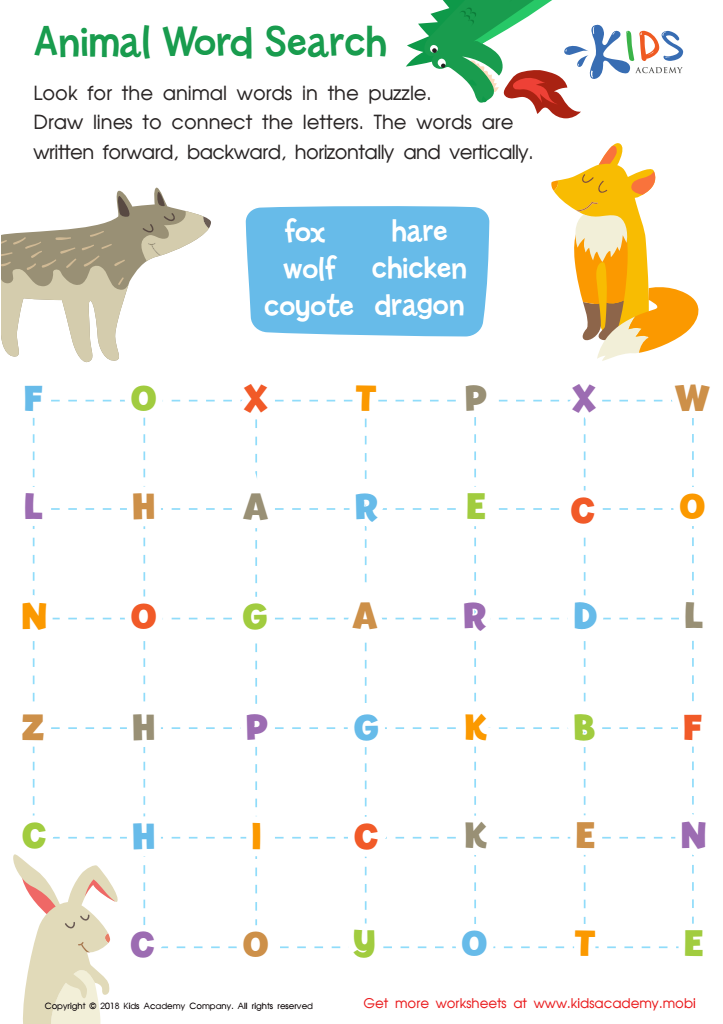
Animal Word Search Worksheet




.jpg)

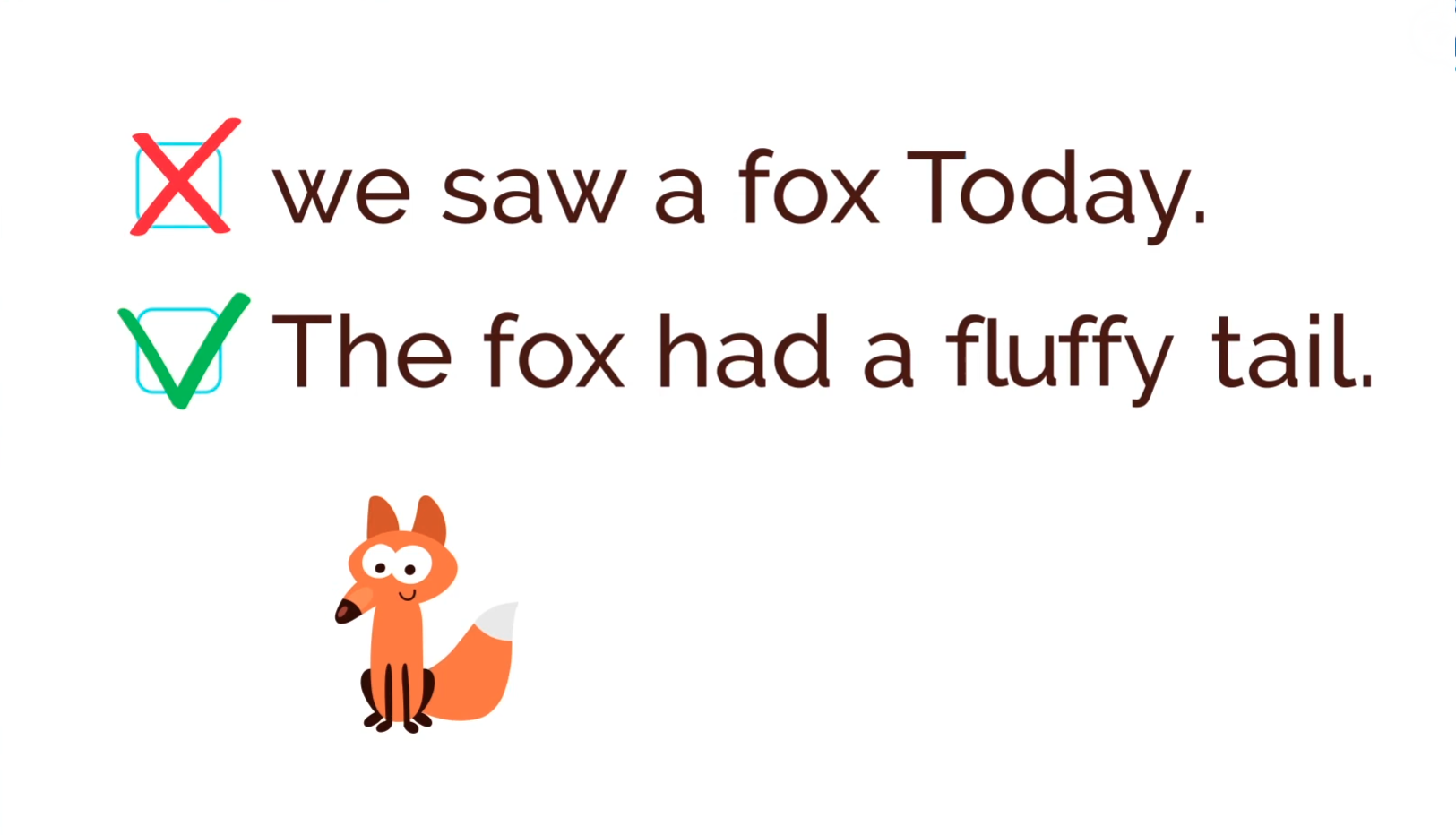

Vocabulary building is crucial for children aged 4-8 as it lays the foundation for their reading, writing, and overall communication skills. During these formative years, children are in a critical stage of cognitive and linguistic development. A rich vocabulary enables them to express their thoughts and feelings more effectively, facilitating better interactions with peers and adults.
When children engage in reading, encountering new words within context helps them develop comprehension skills. This understanding is pivotal, as it not only aids in decoding text but also enhances their ability to grasp complex ideas and concepts. Furthermore, research shows that strong vocabulary correlates with academic success, impacting future performance in school and beyond.
Teachers and parents play a vital role in intentional vocabulary building through daily interactions, storytelling, and reading aloud. Incorporating new words in conversation and providing diverse reading materials will expose children to a multitude of vocabulary situations. Additionally, fostering a love for reading enriches their learning experience and cultivates curiosity about the world.
In summary, focusing on vocabulary development in early childhood can significantly influence a child's lifelong learning journey, making it imperative for parents and teachers to prioritize this essential aspect of literacy.








