Historical Knowledge Normal Reading Comprehension Worksheets for Ages 4-8
5 filtered results
-
From - To
Introducing engaging "Historical Knowledge Normal Reading Comprehension Worksheets" tailored for children aged 4-8! These worksheets make learning history fun and age-appropriate by combining interesting historical facts with reading exercises to enhance comprehension skills. Perfect for young readers, each worksheet helps kids approach history through stories that are easy to read and understand. Encourage your child's curiosity about the past while boosting their reading confidence. Ideal for home or classroom use, our worksheets support foundational learning with age-aligned content that aligns with educational standards. Foster a love for history and reading in your child today!
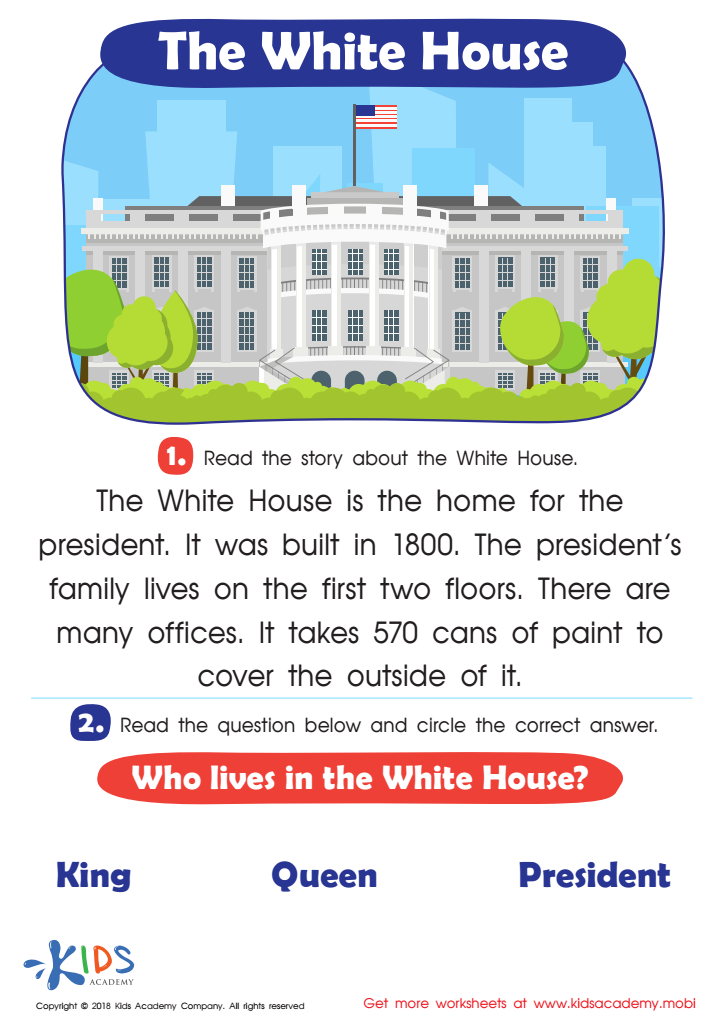
White House Worksheet
 Assign to My Students
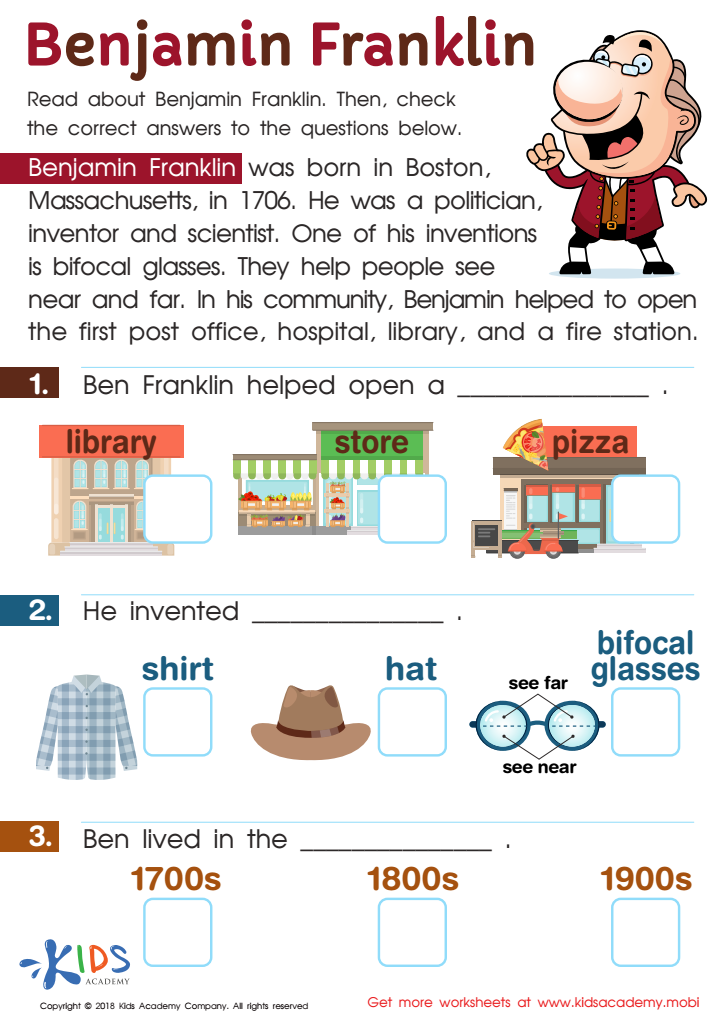
Benjamin Franklin Worksheet
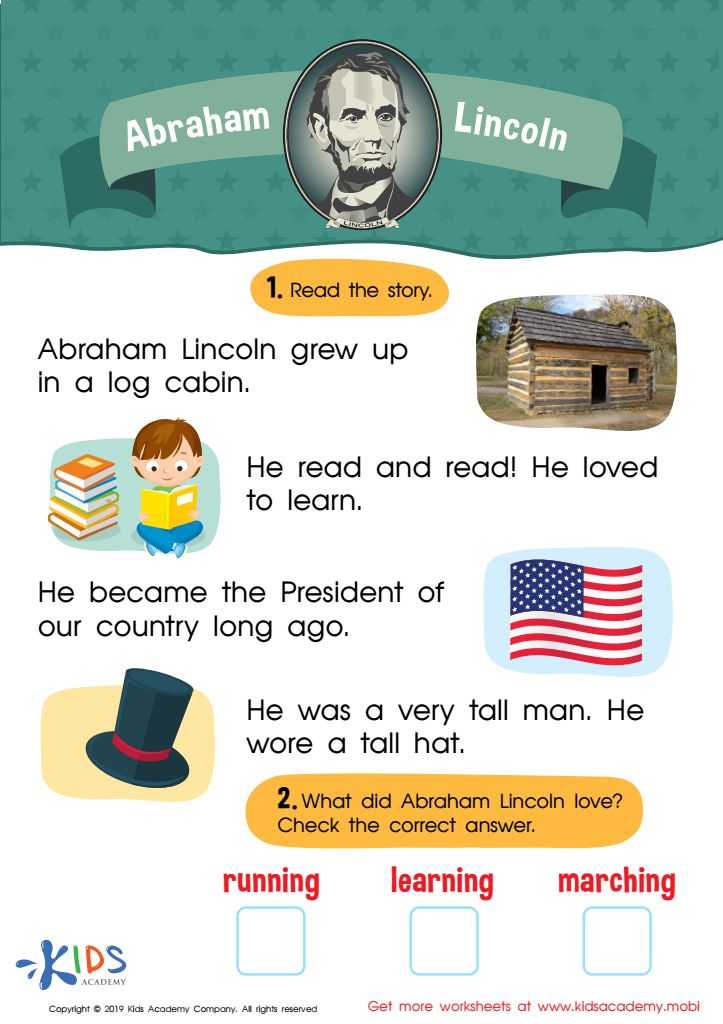
Abraham Lincoln Worksheet
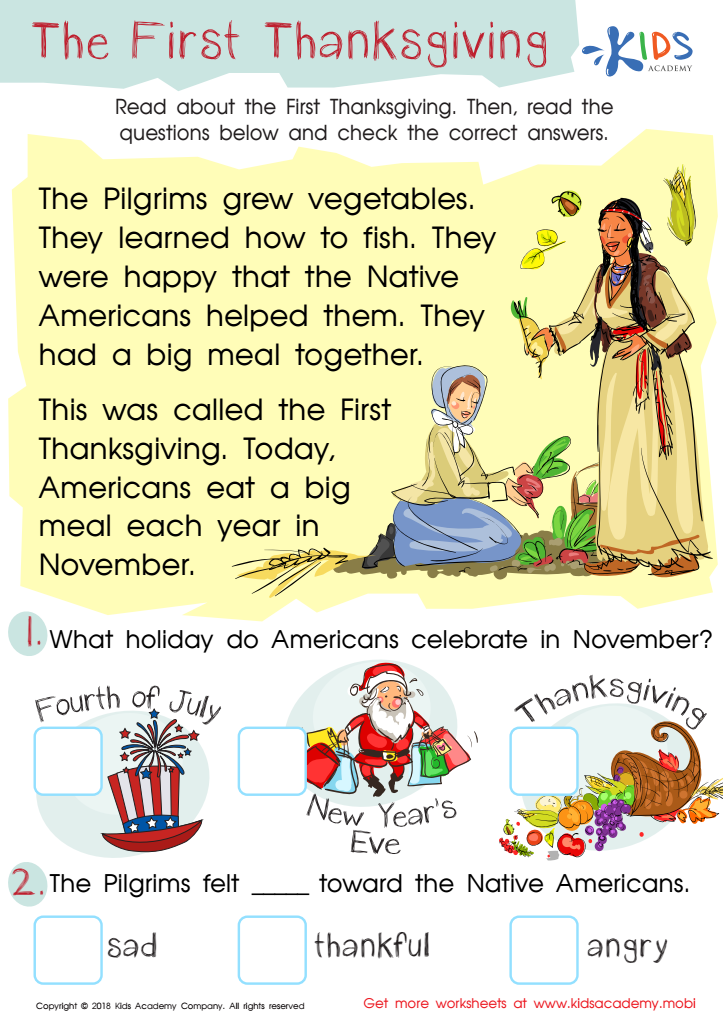
Assessment: First Thanksgiving Worksheet
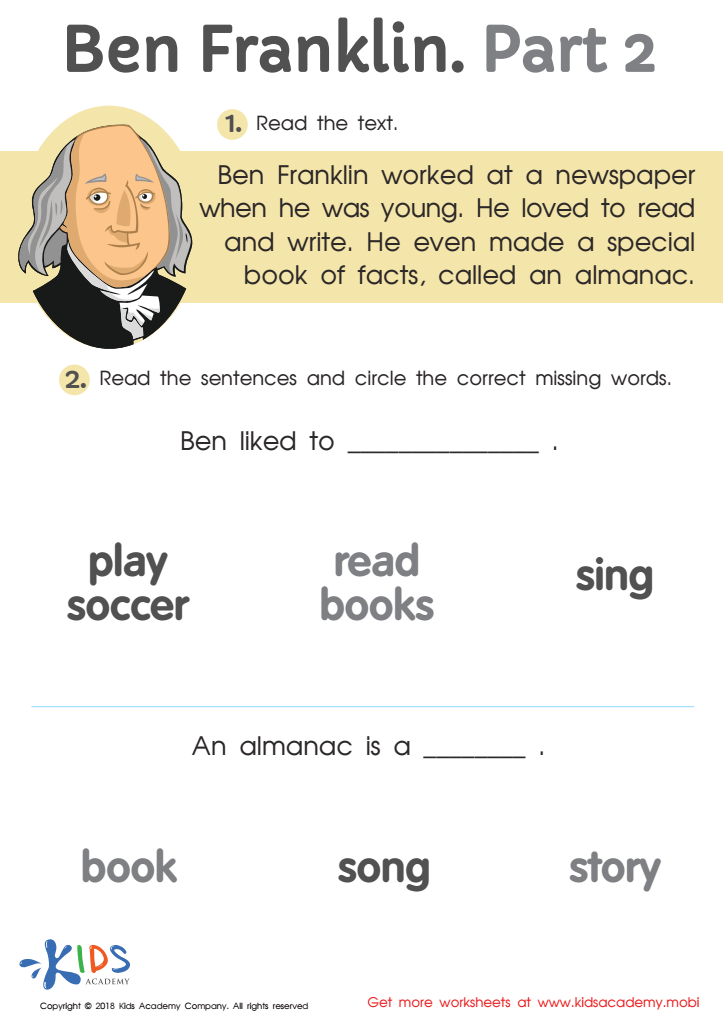
Ben Franklin Part 2 Worksheet



.jpg)



Parents and teachers should deeply care about historical knowledge and normal reading comprehension for children aged 4-8 because these early years are critical for cognitive and social development. Historical knowledge offers young learners a sense of identity and context, helping them understand the world and their place in it. Introducing children to simple, age-appropriate historical concepts encourages curiosity, critical thinking, and empathy by teaching them about diverse cultures, values, and perspectives.
Normal reading comprehension skills are foundational to all subsequent learning. Proficiency in reading ensures children can access and process information effectively, laying the groundwork for future academic success. It also enhances communication skills, boosts imagination, and fosters a lifelong love for reading.
Combining historical knowledge with reading practice creates a rich, engaging learning environment that can stimulate children's intellectual and emotional growth. Stories about past events and important figures can captivate young minds and improve comprehension through context, vocabulary enrichment, and storytelling. This dual focus not only aligns with educational standards but also nurtures well-rounded individuals who appreciate history's lessons and contribute thoughtfully to society. Promoting these skills early on sets children up for a successful, informed future and helps them become informed, empathetic global citizens.








