Improve reading comprehension Normal Reading Non-Fiction Worksheets for Ages 4-8
6 filtered results
-
From - To
Enhance your child's reading comprehension with our Normal Reading Non-Fiction Worksheets designed for ages 4-8. These engaging worksheets help young learners develop critical thinking and boost understanding while exploring fascinating non-fiction topics. Our materials use age-appropriate texts combined with fun, interactive activities that capture children's interest. From simple nature studies to basic science and history, each worksheet promotes curiosity and a love for reading. Perfect for both classroom and home use, our worksheets support early readers in building foundational comprehension skills essential for academic success. Visit Kids Academy to find tools that make reading both educational and enjoyable!
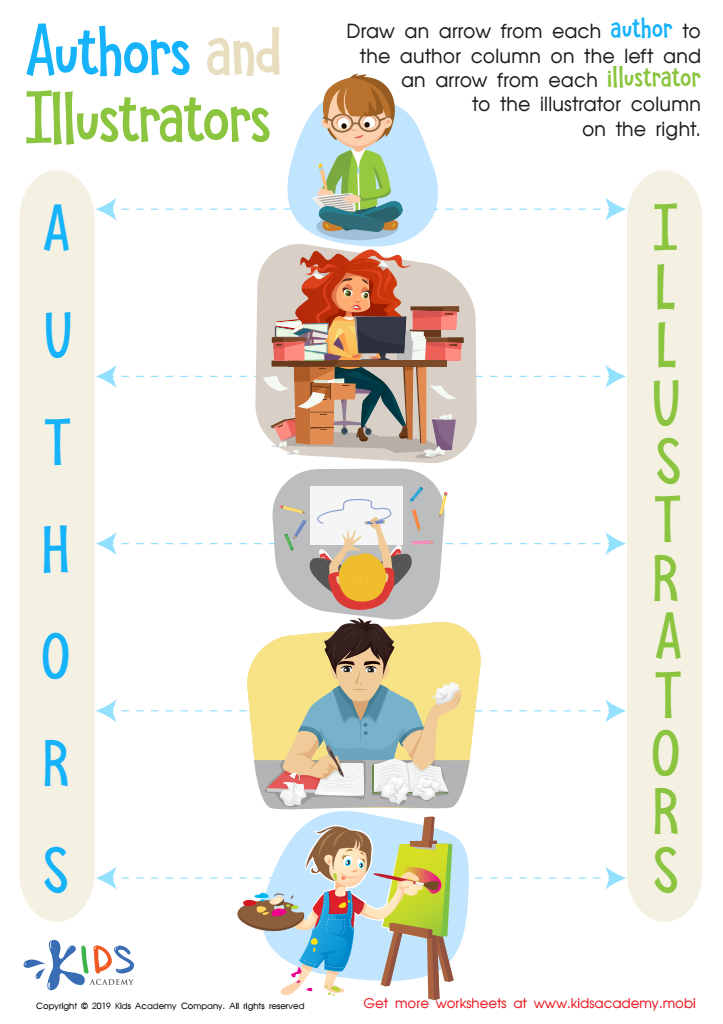
Authors and Illustrators Worksheet
 Assign to My Students
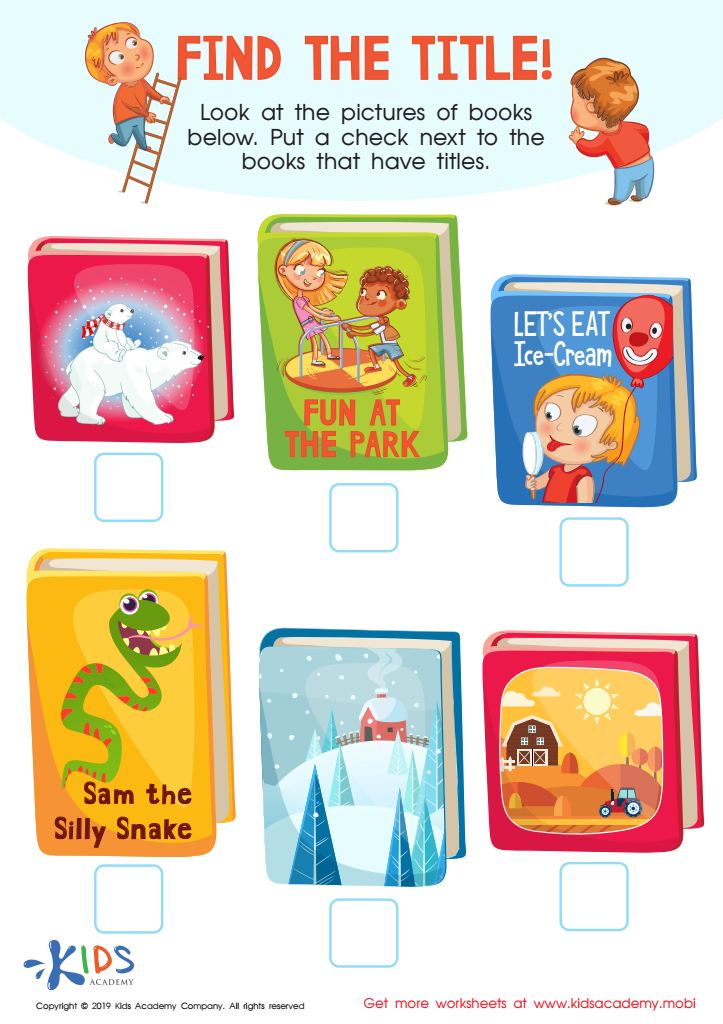
Find the Title Worksheet
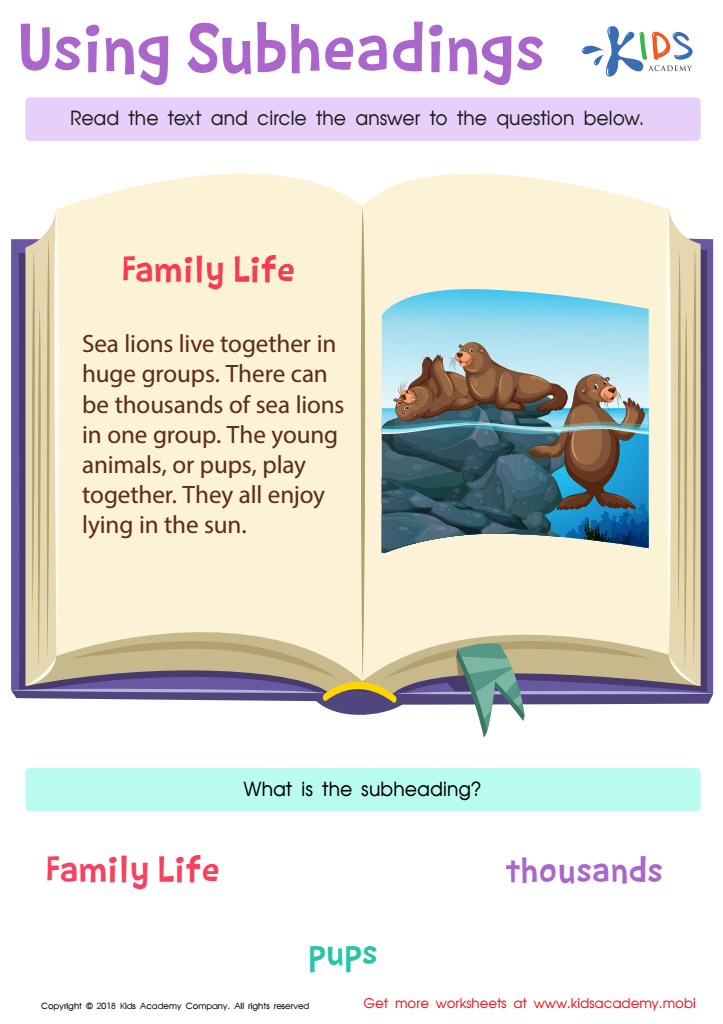
Using Subheadings Worksheet
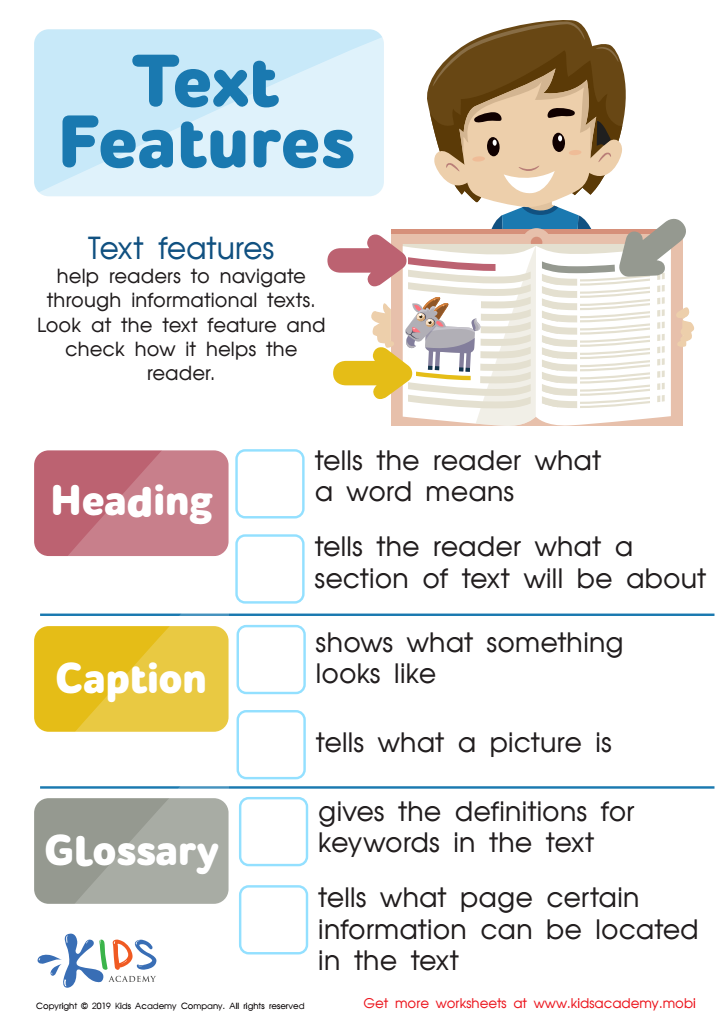
Text Features Worksheet
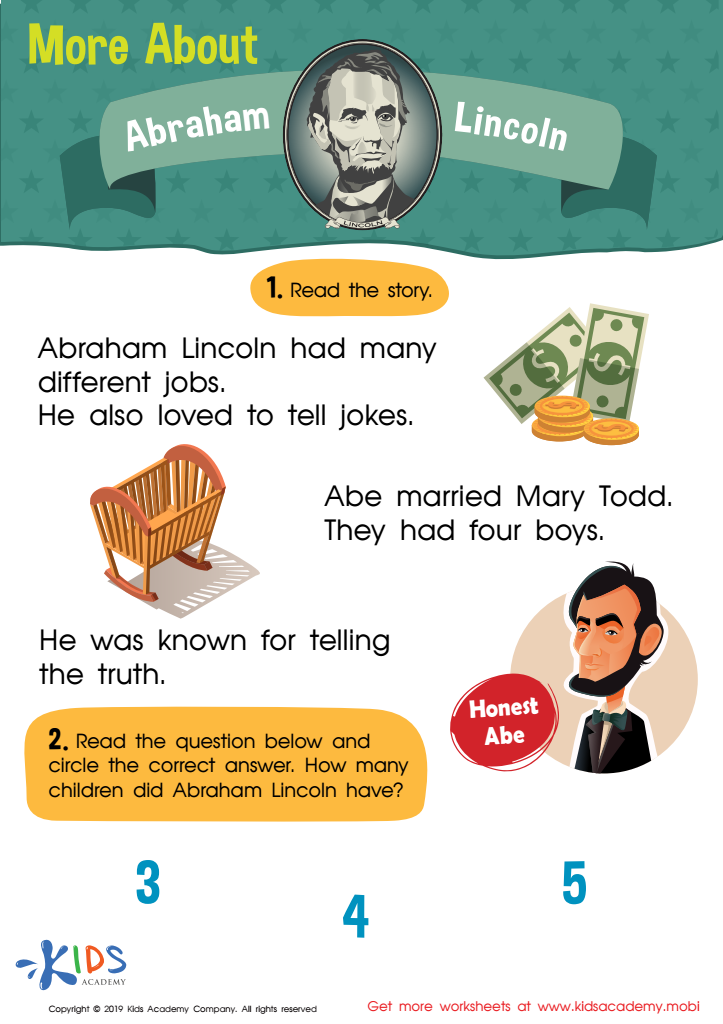
More About Abraham Lincoln Worksheet
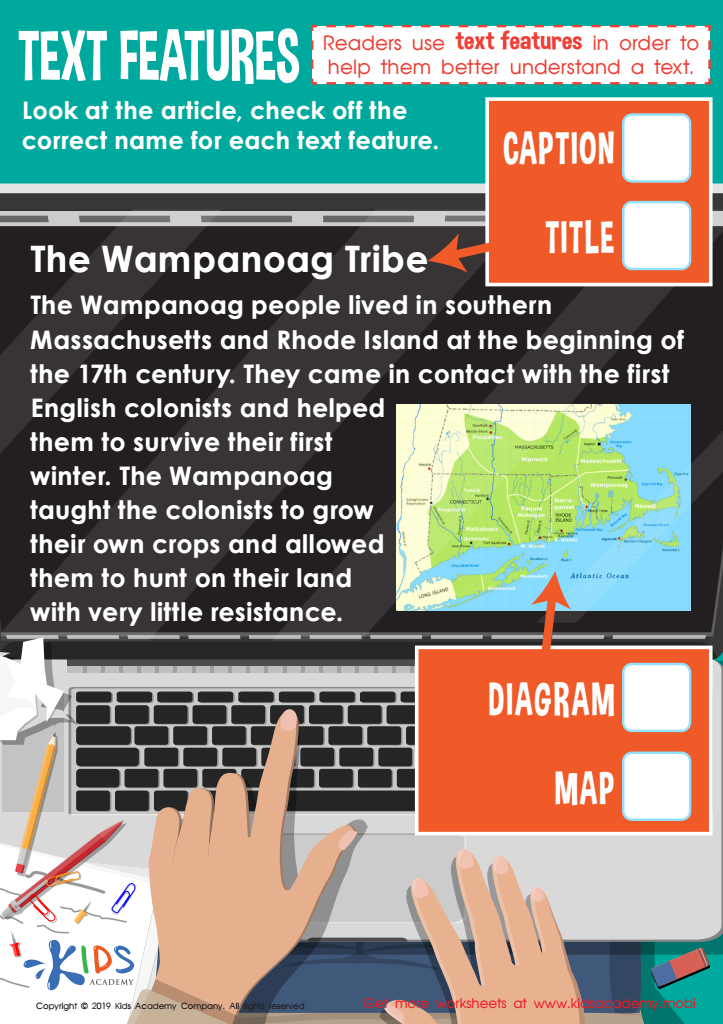
Text Features Worksheet








Parents and teachers should place significant emphasis on improving reading comprehension in young children, particularly when it comes to reading non-fiction, for several compelling reasons. First, strong reading comprehension skills are foundational to academic success. At ages 4-8, children are in crucial developmental stages where they transition from "learning to read" to "reading to learn." Non-fiction texts introduce them to new concepts, factual information, and vocabulary that are essential for subjects like science, history, and maths.
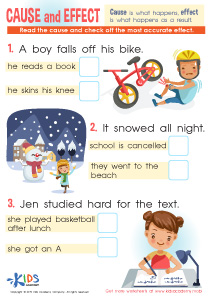
Second, early exposure to non-fiction helps children develop critical thinking abilities. Unlike fictional stories, non-fiction texts often require children to understand cause and effect, categorize information, and draw conclusions based on factual data. These skills are not only academic but also practical, helping children become informed and judicious individuals.
Moreover, cultivating a habit of reading non-fiction can satisfy a child's natural curiosity about the world around them. This genre covers a broad range of topics, from animals to space, which can spark interests that last a lifetime. Finally, the ability to comprehend and analyze informational texts has long-lasting implications. It prepares children for future educational endeavors and enables them to navigate an information-rich world, making them better prepared for life beyond the classroom.