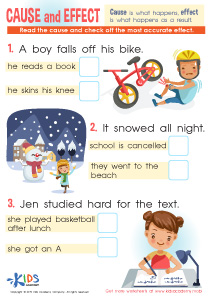
Vocabulary Building Normal Reading Non-Fiction Worksheets for Ages 4-8
3 filtered results
-
From - To
Unlock the world of words with our Vocabulary Building Normal Reading Non-Fiction Worksheets, designed specifically for ages 4-8. These engaging and educational worksheets help young learners expand their vocabulary through relatable non-fiction texts. Each worksheet features age-appropriate content that encourages curiosity and critical thinking as children explore various topics. By mixing reading comprehension with vocabulary enhancement, our resources foster a love for learning and reading. Parents and educators can easily incorporate these worksheets into their teaching routine for a fun and enriching experience. Equip your child with essential language skills and watch them grow into confident readers!
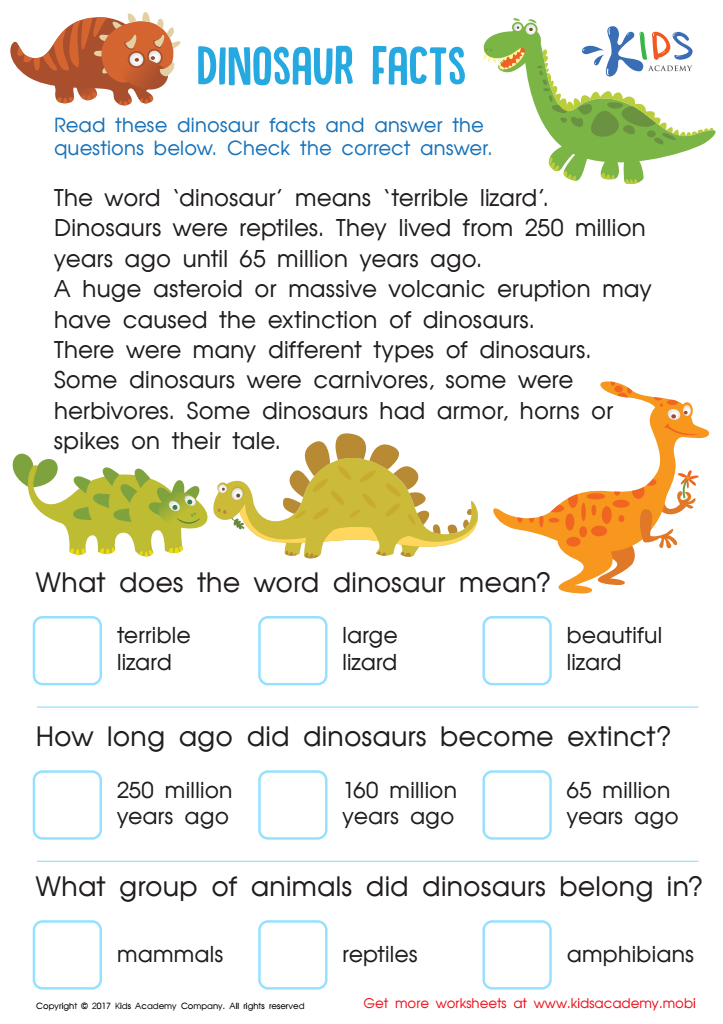
Dinosaur Facts Worksheet
 Assign to My Students
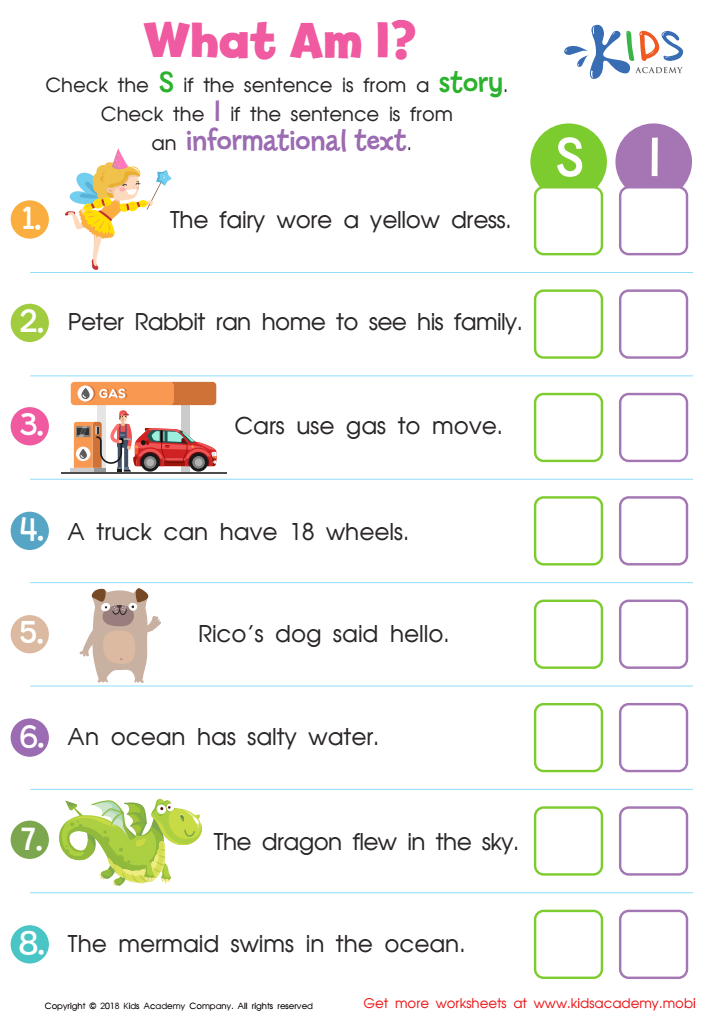
What Am I? Worksheet
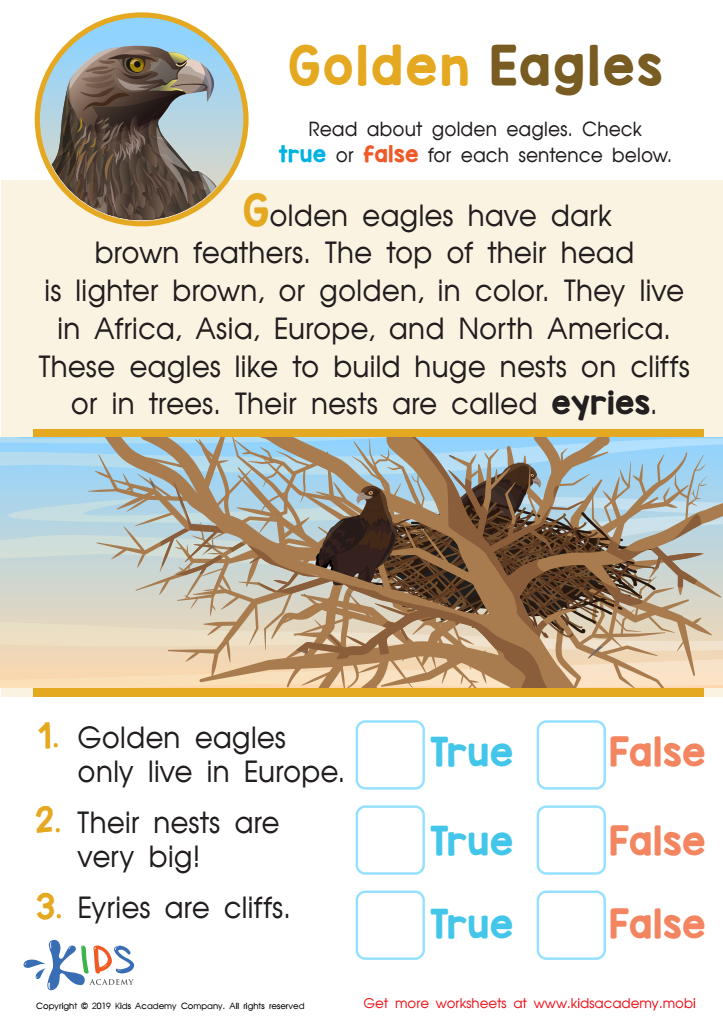
Golden Eagles Worksheet








Vocabulary building through normal reading of non-fiction is crucial for children aged 4-8 as it lays a solid foundation for their language development, cognitive growth, and academic success. During these formative years, children are naturally curious and eager to learn about the world around them. Exposure to non-fiction texts allows them to gain accurate information and understand real-world concepts, helping to foster critical thinking skills.
Parents and teachers play a vital role in this process. By choosing engaging non-fiction books that align with children's interests, they can stimulate conversation and expand vocabulary in context. When children encounter new words within meaningful content, they are more likely to grasp their meanings and usage. This not only improves their vocabulary but also enhances comprehension and fluency in reading.
Moreover, a robust vocabulary contributes significantly to writing skills, enabling children to express themselves more clearly and creatively. As they move through school and beyond, a strong vocabulary will empower them to tackle more complex texts and subjects with confidence. Ultimately, prioritizing vocabulary building through non-fiction reading helps children become informed, articulate individuals ready to engage with an increasingly complex world. This investment in their literacy journey pays dividends throughout their education and personal lives.