Vocabulary development Normal Reading Non-Fiction Worksheets for Ages 4-8
6 filtered results
-
From - To
Discover our engaging Vocabulary Development Non-Fiction Worksheets designed specifically for children aged 4-8. These worksheets are perfect for fostering essential reading skills in young learners. Each activity focuses on enhancing vocabulary through fun, age-appropriate, and informative non-fiction texts, encouraging a love for reading while building comprehension skills. With colorful illustrations and stimulating exercises, these worksheets will capture your child's interest and promote active learning. Suitable for both classroom and home use, our resources support early literacy development, making them an invaluable tool for educators and parents alike. Start enriching your child's vocabulary today and watch their reading confidence soar!
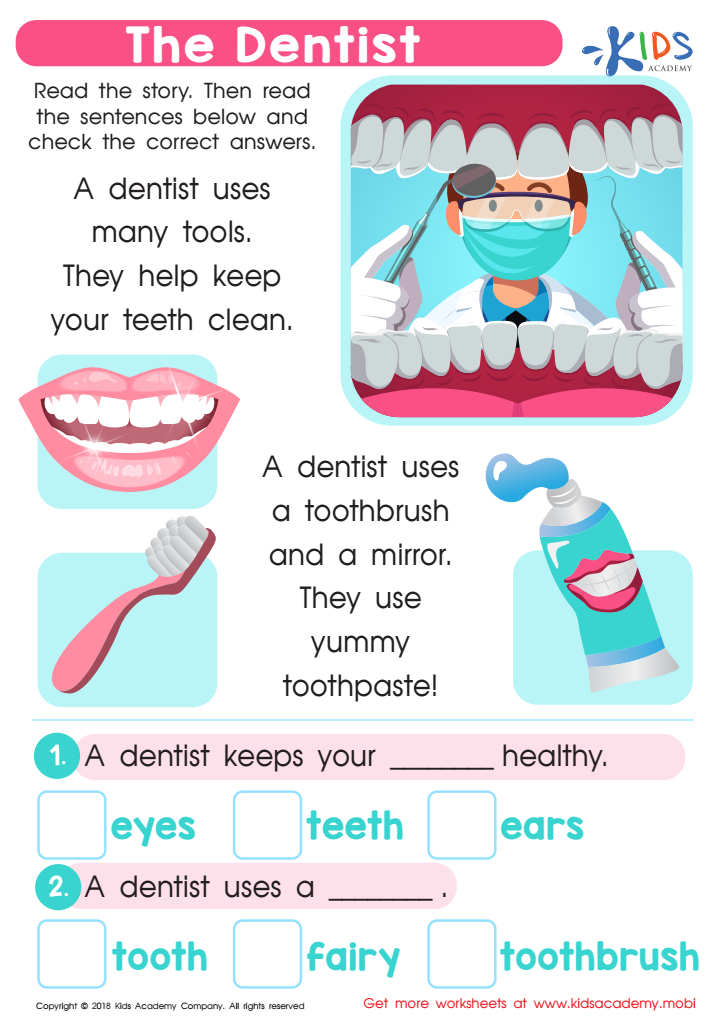
The Dentist Worksheet
 Assign to My Students
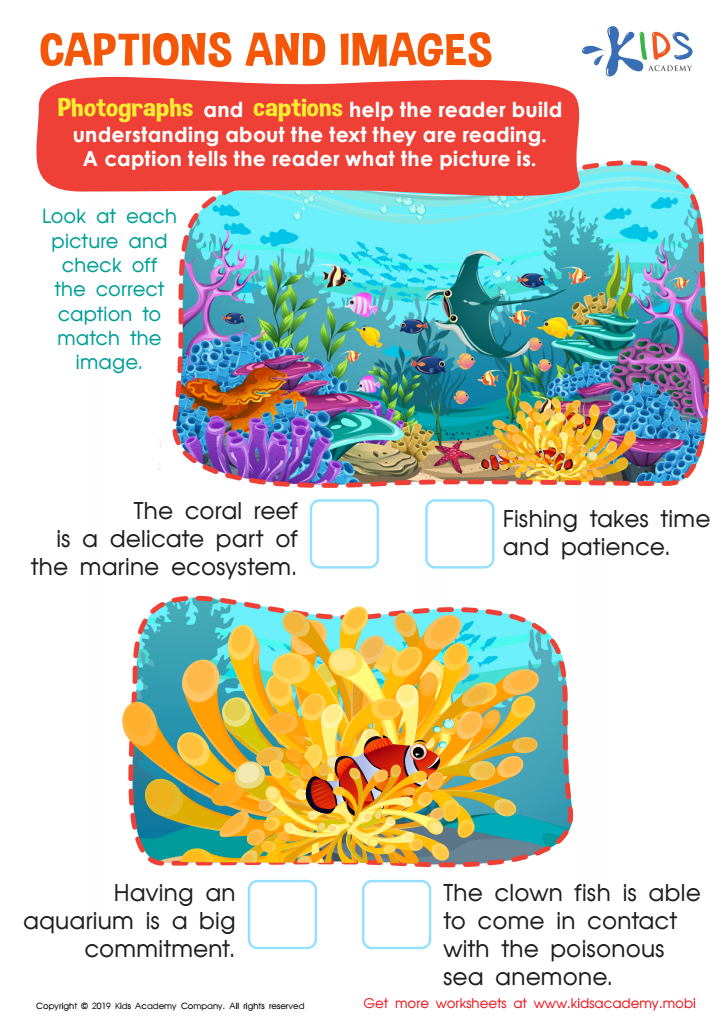
Captions and Images Worksheet
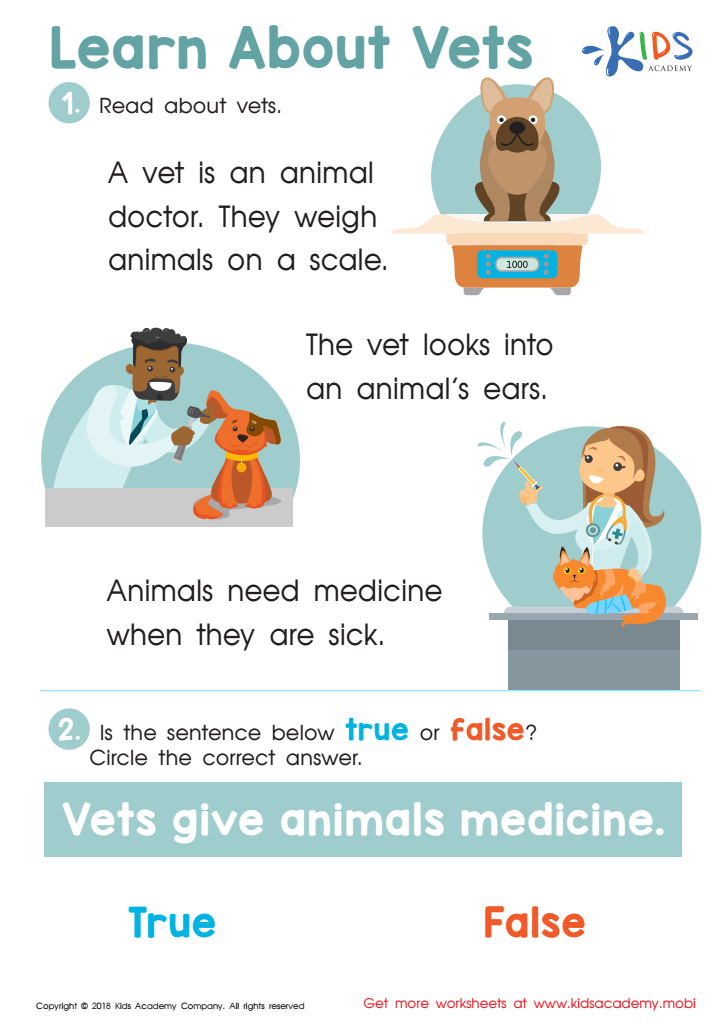
Learn About Vets Worksheet
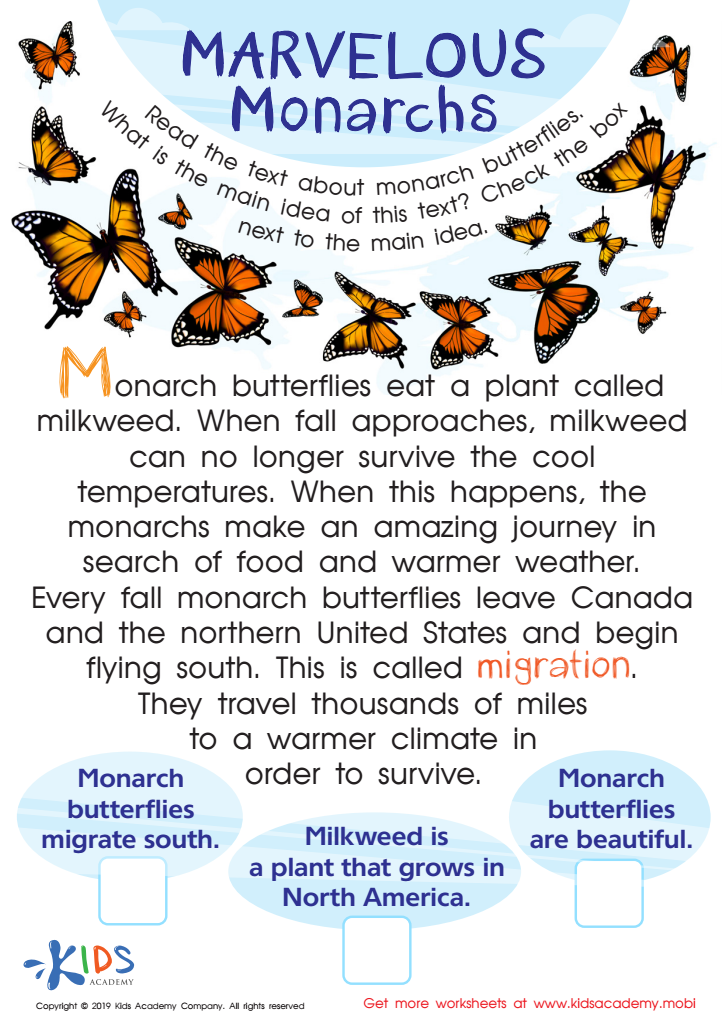
Marvelous Monarchs Worksheet
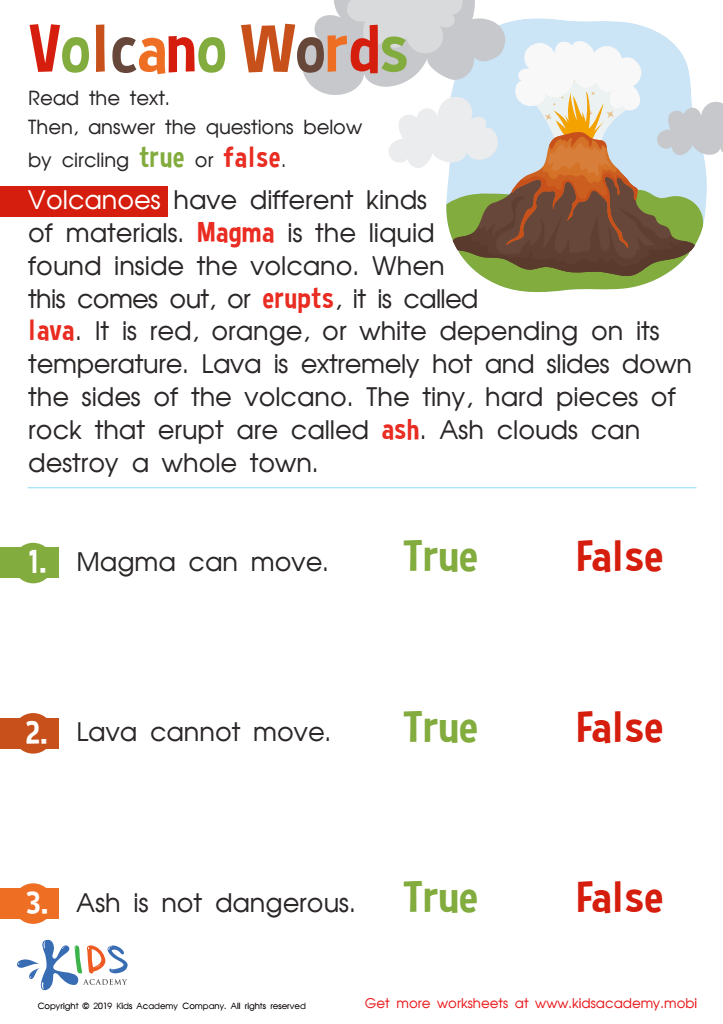
Volcano Words Worksheet
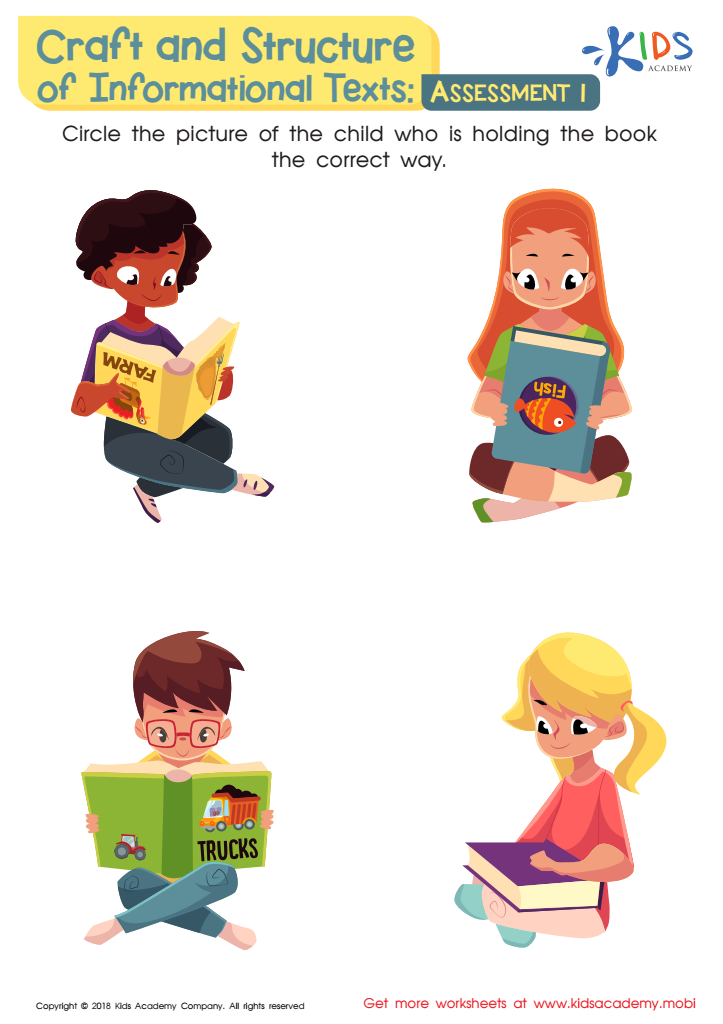
Craft and Structure of Informational Texts: Assessment 1 Worksheet








Vocabulary development is crucial in early education, particularly for children aged 4-8, as it lays the foundation for successful reading and comprehension, especially in non-fiction texts. During these formative years, children encounter a variety of subjects and concepts that enhance their understanding of the world. Non-fiction materials, filled with facts and real-life scenarios, help to expand children's knowledge and engage their curiosity.
Employing diverse vocabulary enhances critical thinking skills, enabling children to make connections between terms, ideas, and their own experiences. A robust vocabulary not only boosts reading comprehension but also improves communication skills, allowing children to articulate their thoughts and ideas effectively.
When parents and teachers emphasize vocabulary development, they foster a love for learning and equip children with the tools necessary for academic success. Engaging with non-fiction texts helps children develop research skills and encourages inquiry-based learning. Furthermore, vocabulary-rich interactions provide the scaffolding children need to tackle complex texts as they progress in their education.
By providing intentional exposure to varied vocabulary through reading non-fiction, adults empower young learners to explore new ideas, ask questions, and ultimately become confident, literate individuals ready to thrive in an ever-changing world.