Analyzing data Normal Science Worksheets for Ages 4-8
5 filtered results
-
From - To
Welcome to our "Analyzing Data Normal Science Worksheets" designed specifically for children ages 4-8! These engaging worksheets provide young learners with the foundational skills needed to interpret and analyze data through fun, interactive activities. Tailored to foster curiosity and critical thinking, each worksheet encourages kids to explore basic concepts of science while developing essential mathematical skills. Help your child grasp key data analysis methods with vibrant visuals and age-appropriate exercises. Perfect for both classroom and home learning, these worksheets will ignite a passion for science and enhance analytical abilities in your little ones. Start their exploratory journey today!
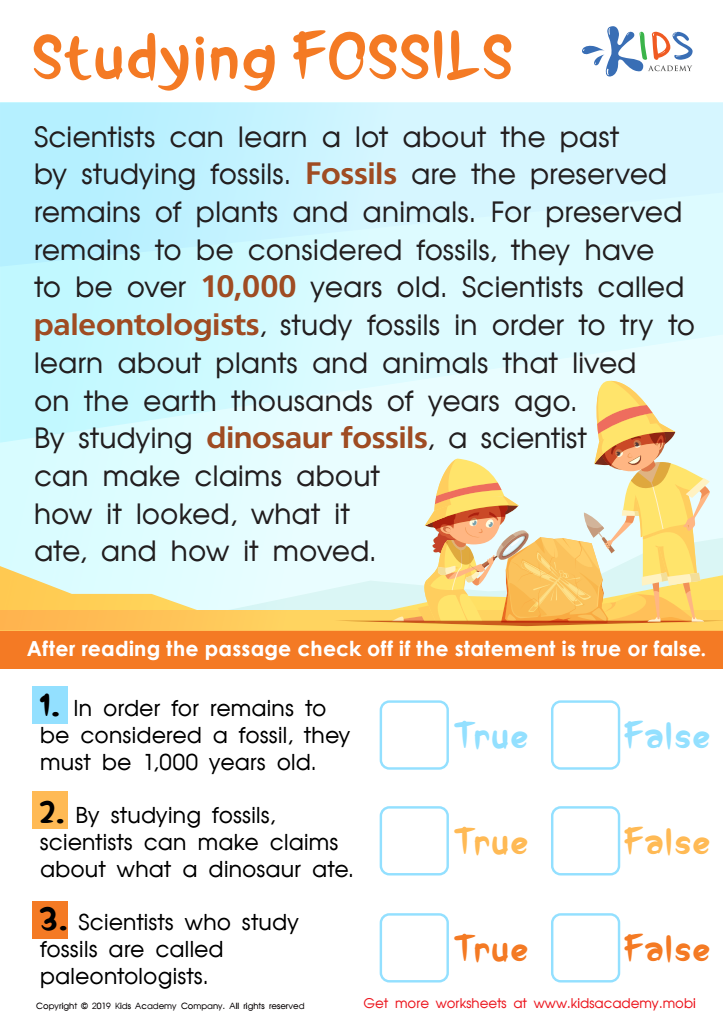
Studying Fossils Worksheet
 Assign to My Students
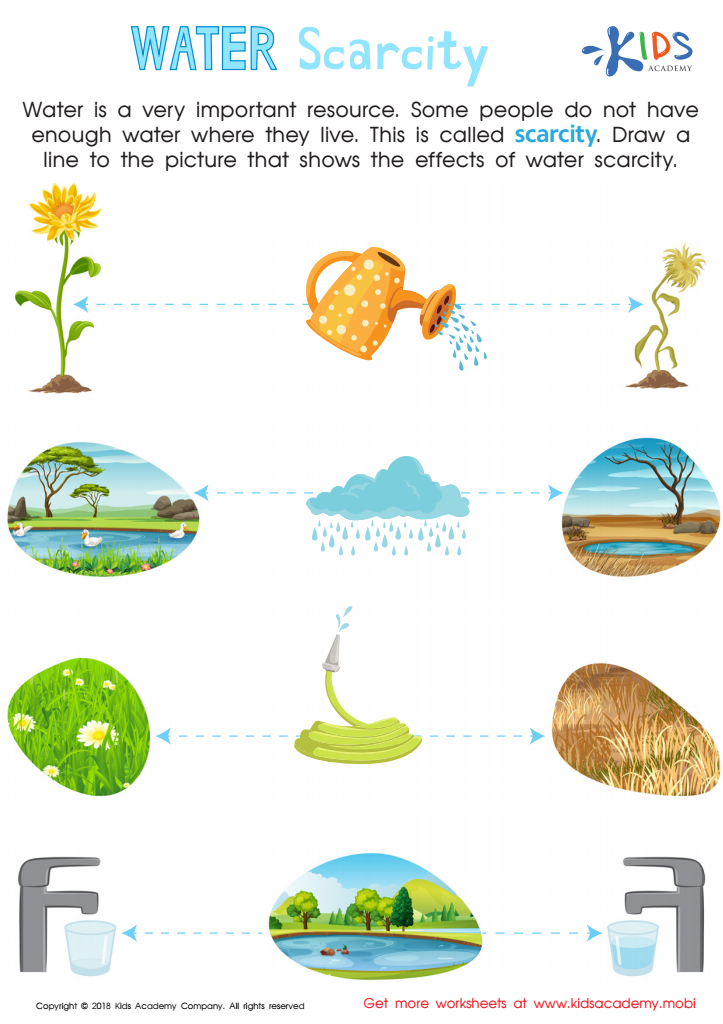
Water Scarcity Worksheet
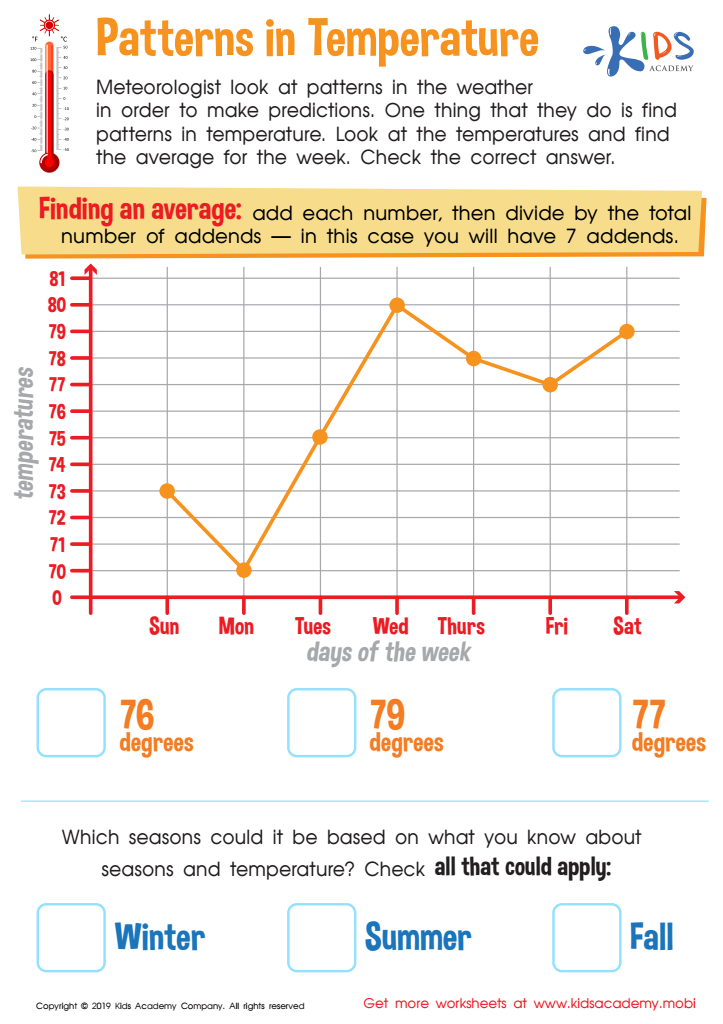
Patterns in Temperature Worksheet
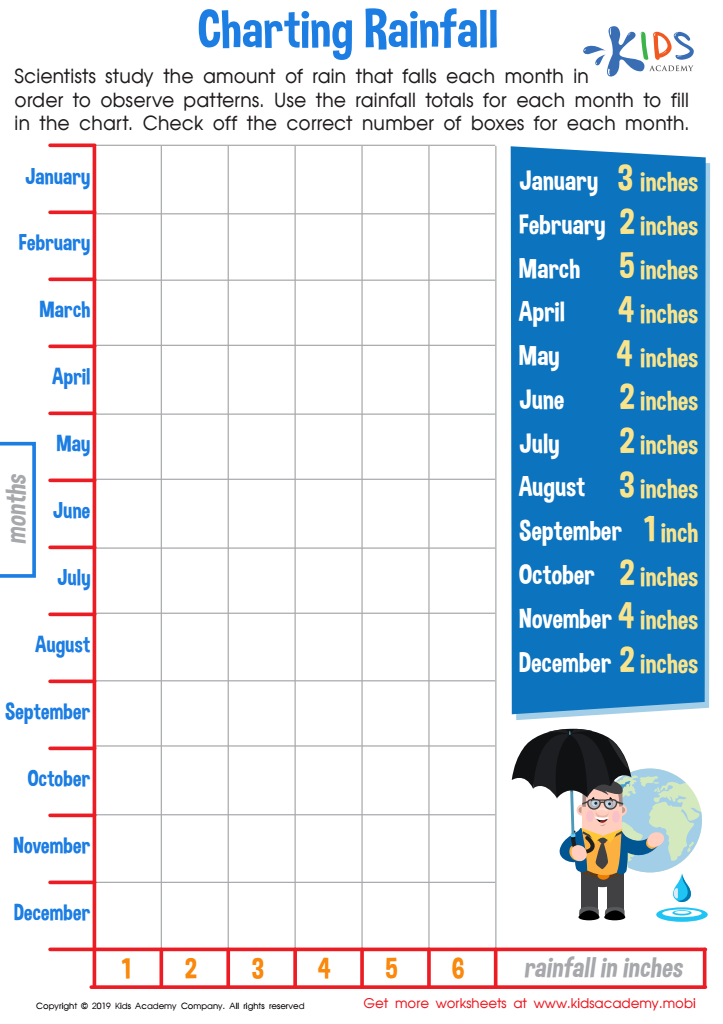
Charting Rainfall Worksheet
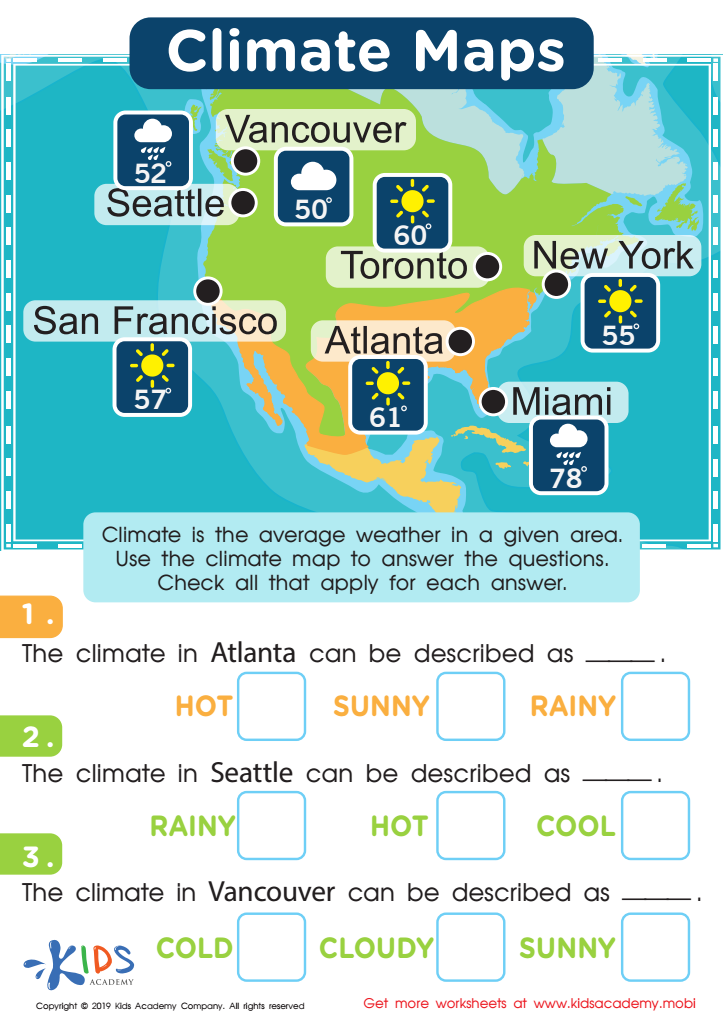
Climate Maps Worksheet








Analyzing data in the context of Normal Science is essential for children aged 4-8 as it lays the foundation for critical thinking and problem-solving skills. At this developmental stage, children are naturally curious and eager to explore the world around them. Engaging them in data analysis allows them to tap into this curiosity, fostering an environment of inquiry and experimentation.
Parents and teachers should care about this because data analysis teaches kids how to observe, collect, and interpret information. For instance, by tracking the growth of a plant or the frequency of certain animal sightings, children learn to formulate hypotheses and draw conclusions based on evidence. These skills align with science standards and bolster literacy in math and language arts.
Furthermore, early exposure to data analysis cultivates a scientific mindset, promoting a love for learning and an understanding of the world in quantitative terms. This process helps children communicate their findings effectively and enhances teamwork and collaboration skills. In an increasingly data-driven society, equipping young learners with these analytical skills can empower them to become informed citizens, able to navigate complex information and make reasoned decisions in their future endeavors.







