Comprehension skills Normal Science Worksheets for Ages 4-8
6 filtered results
-
From - To
Explore our comprehensive collection of Comprehension Skills Normal Science Worksheets, designed specifically for ages 4-8. These engaging and educational resources help young learners enhance their understanding and retention of key scientific concepts. By promoting critical thinking and reading comprehension, our worksheets make science both accessible and enjoyable. Perfect for classroom use or at-home learning, these activities cover a range of topics, including nature, animals, the human body, and more. Foster a love for science in your child or students and boost their academic confidence with our expertly crafted, easy-to-follow worksheets. Visit Kids Academy for printable science fun!
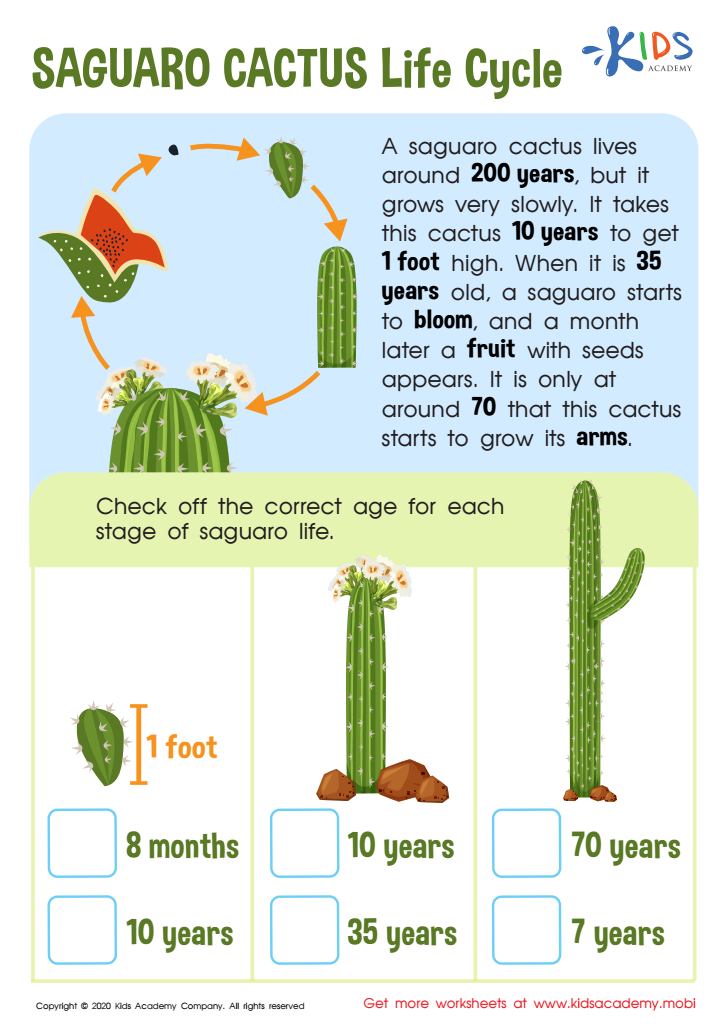
Saguaro Cactus Life Cycle Worksheet
 Assign to My Students
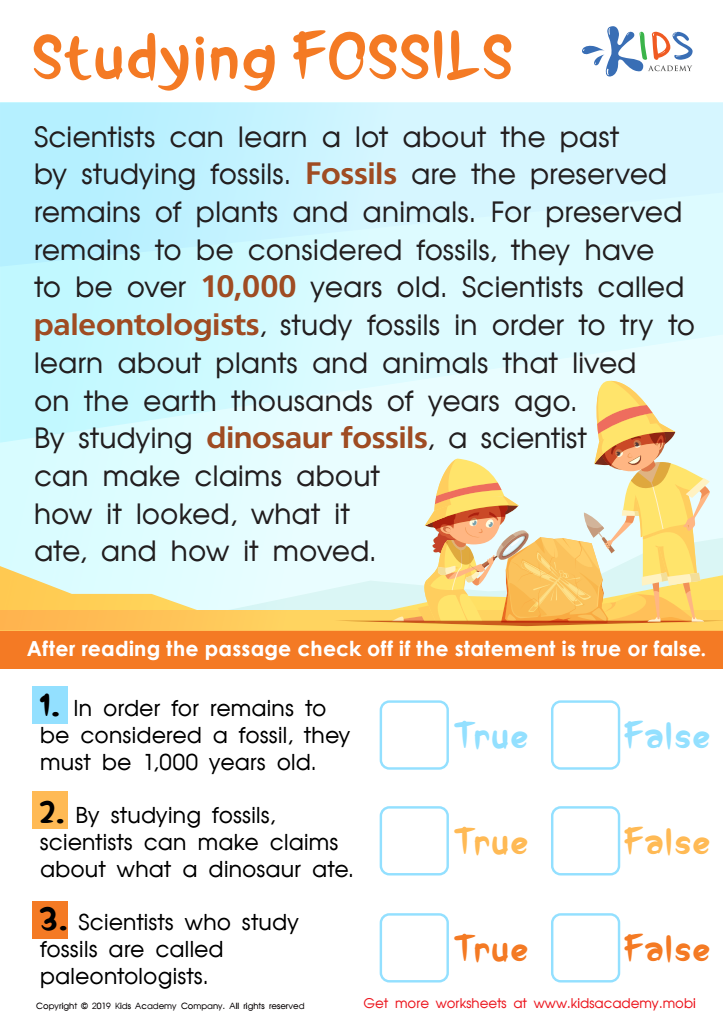
Studying Fossils Worksheet
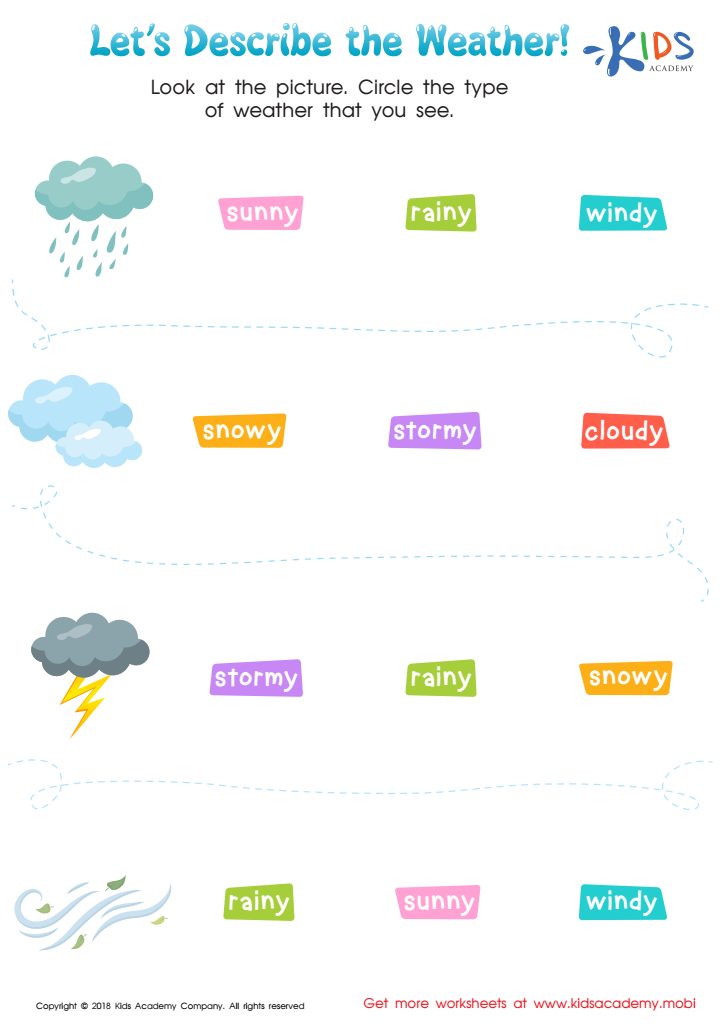
Let's Describe the Weather! Worksheet
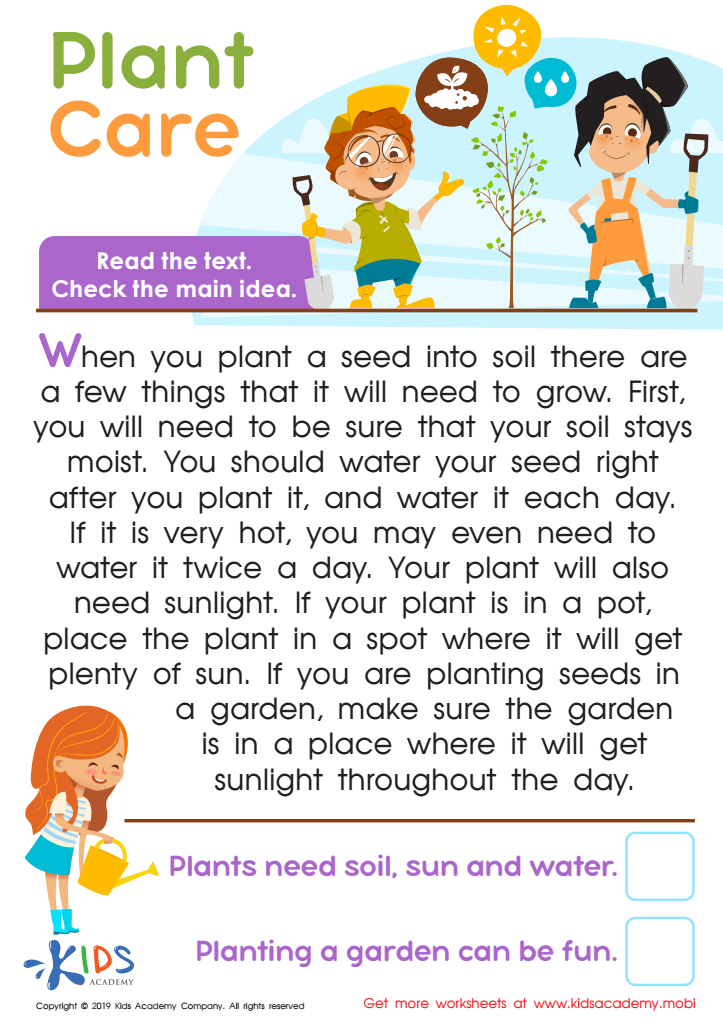
Plant Care Worksheet
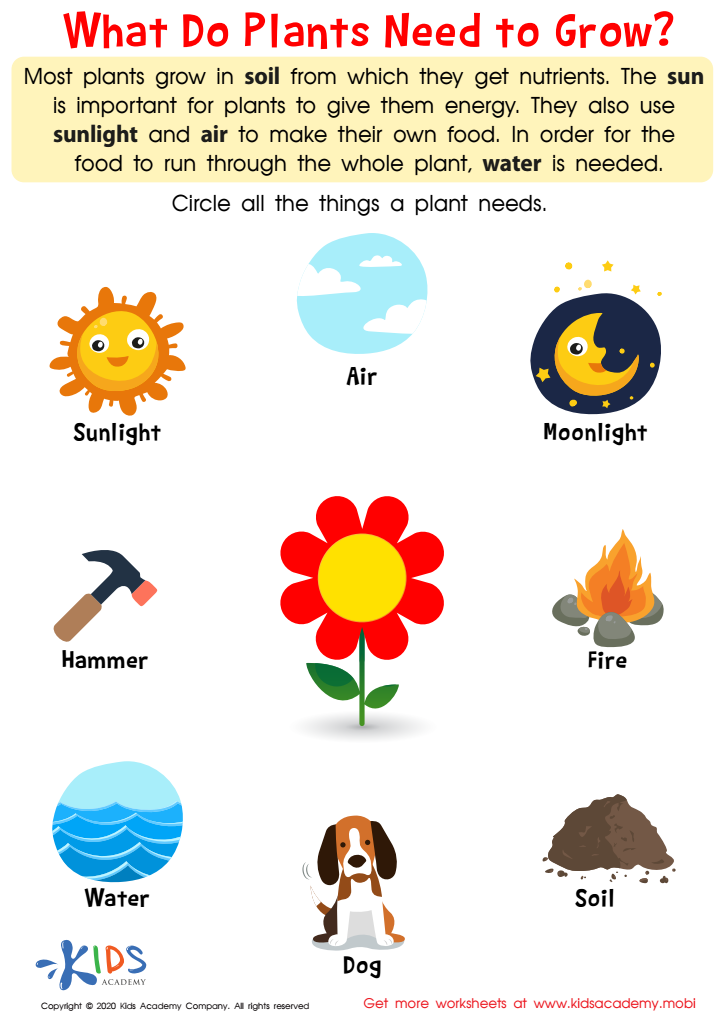
What Do Plants Need to Grow Worksheet
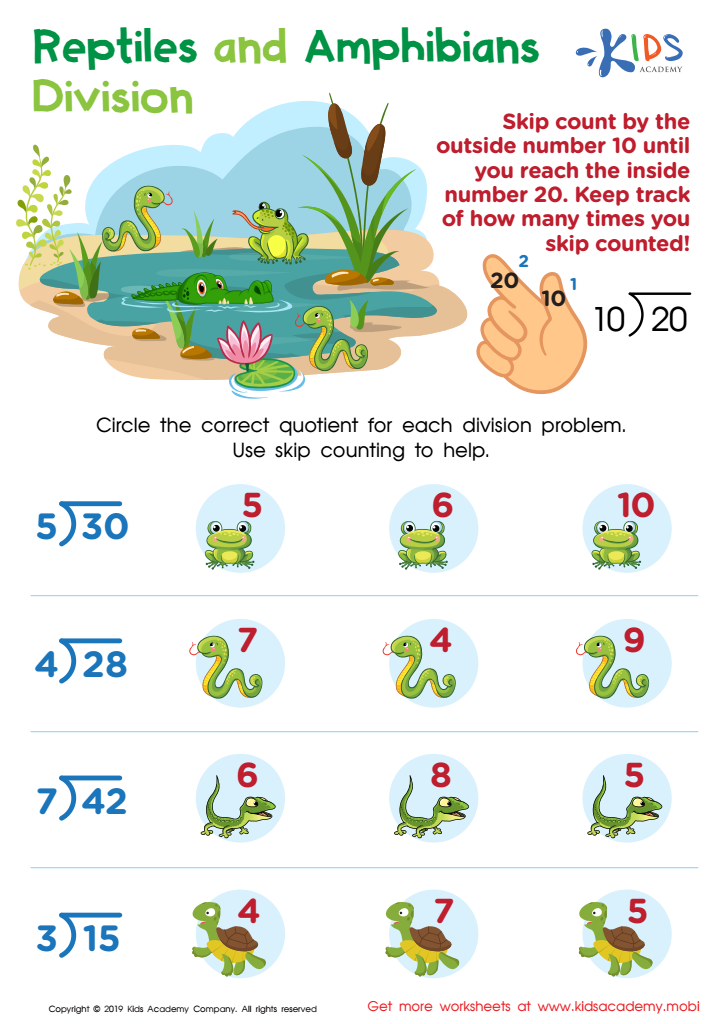
Reptile and Amphibians Division Worksheet





Comprehension skills in the context of "Normal Science" are essential for children aged 4-8 as they lay the groundwork for critical thinking and understanding of the world. These skills enable children to make sense of scientific concepts and phenomena, sparking curiosity and a love for learning.
Firstly, developing comprehension skills helps young learners grasp basic scientific principles, contributing to their overall intellectual growth. By reading simple scientific texts and engaging in activities like observing nature or experimenting under supervision, children learn to ask questions, process information, and draw conclusions.
Secondly, comprehension skills enhance vocabulary and language development, which are critical at this stage. Understanding scientific terms and concepts in the context of experiments or natural phenomena introduces children to new words and ways of thinking about their environment.
Moreover, fostering these skills at a young age builds a foundation for future academic success. As children progress through their schooling, they will encounter increasingly complex scientific content. Early comprehension abilities prepare them to tackle these challenges with confidence.
Parents and teachers play a vital role by encouraging exploratory activities and reading simple science books with their children. By doing so, they nurture inquisitive minds and set the stage for lifelong learning and a positive attitude towards science and education in general.







