Developing critical thinking Normal Science Worksheets for Ages 4-8
3 filtered results
-
From - To
Unlock your child's potential with our Developing Critical Thinking Normal Science Worksheets for Ages 4-8! Designed to stimulate curiosity and engagement, these worksheets offer a fun and interactive way for young learners to explore scientific concepts. Each activity encourages problem-solving, reasoning, and analytical skills through age-appropriate challenges. Whether it's investigating patterns or making predictions, your child will gain confidence in their abilities while developing a strong foundation in critical thinking. Accompanied by colorful visuals and relatable scenarios, our worksheets make learning enjoyable and effective. Nurture your budding scientist today with resources that inspire exploration and creativity!
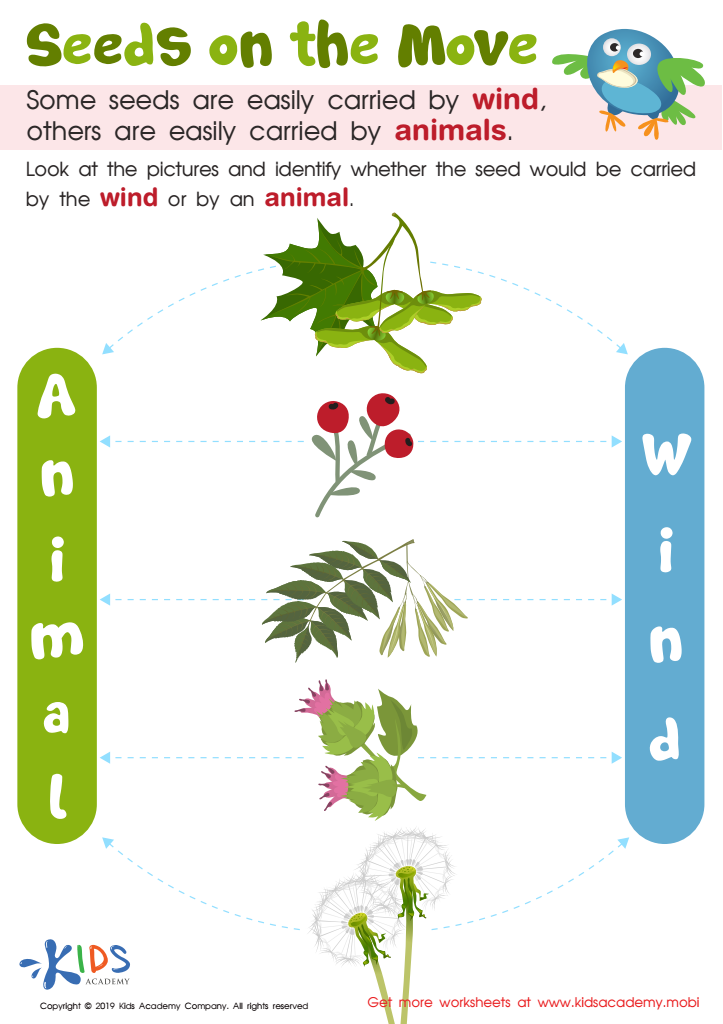
Seeds on the Move Worksheet
 Assign to My Students
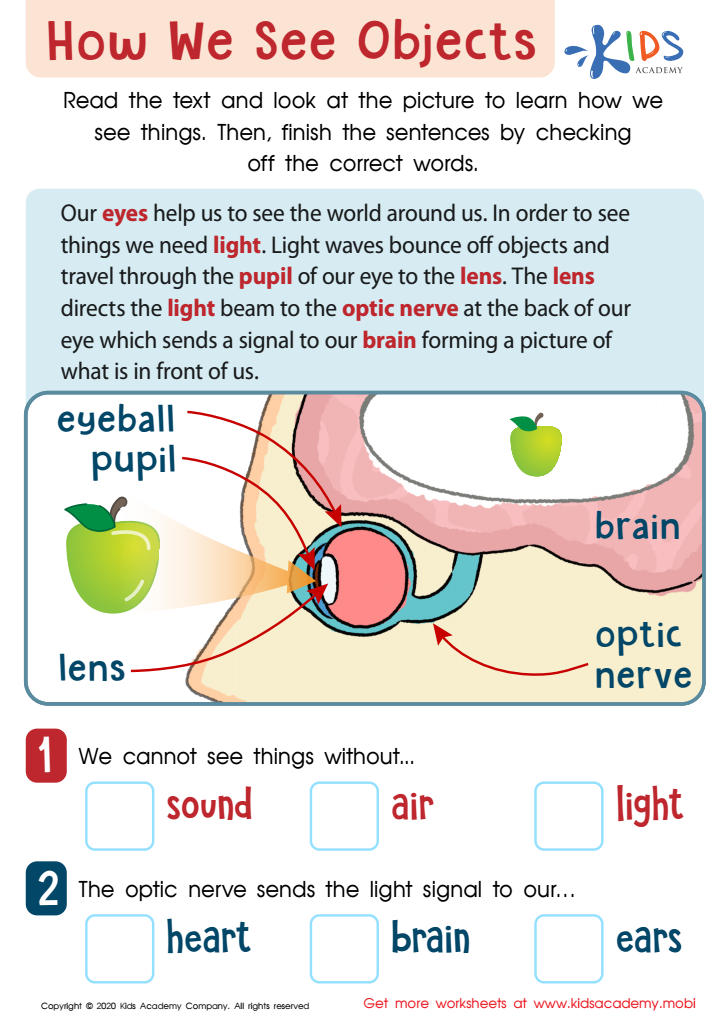
How We See Objects Worksheet
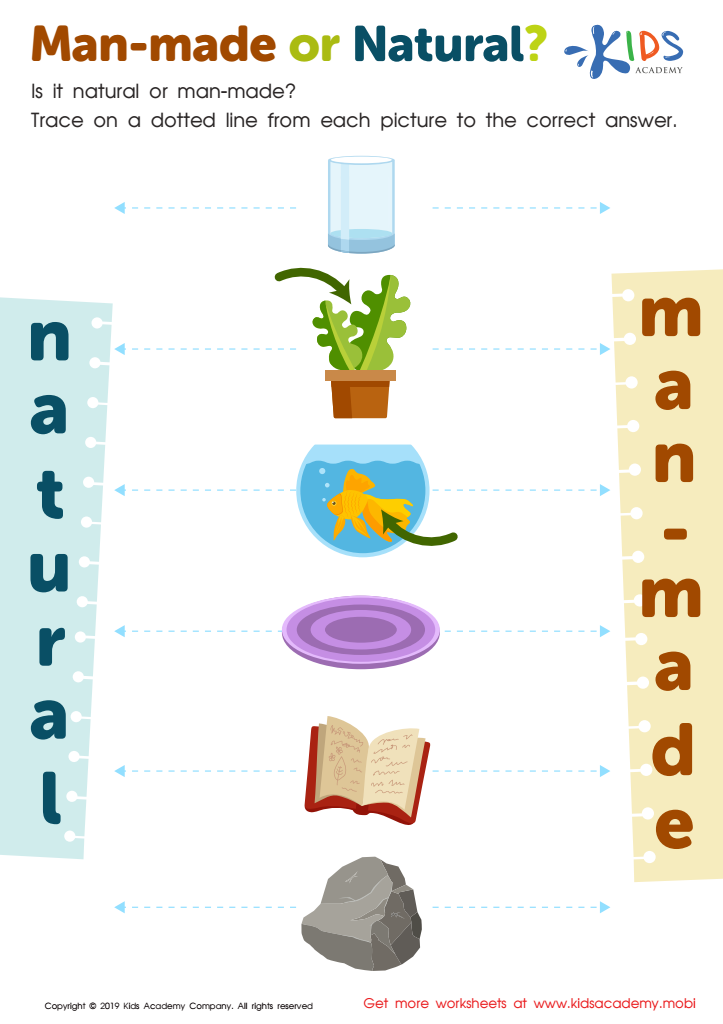
Man-Made or Natural? Worksheet





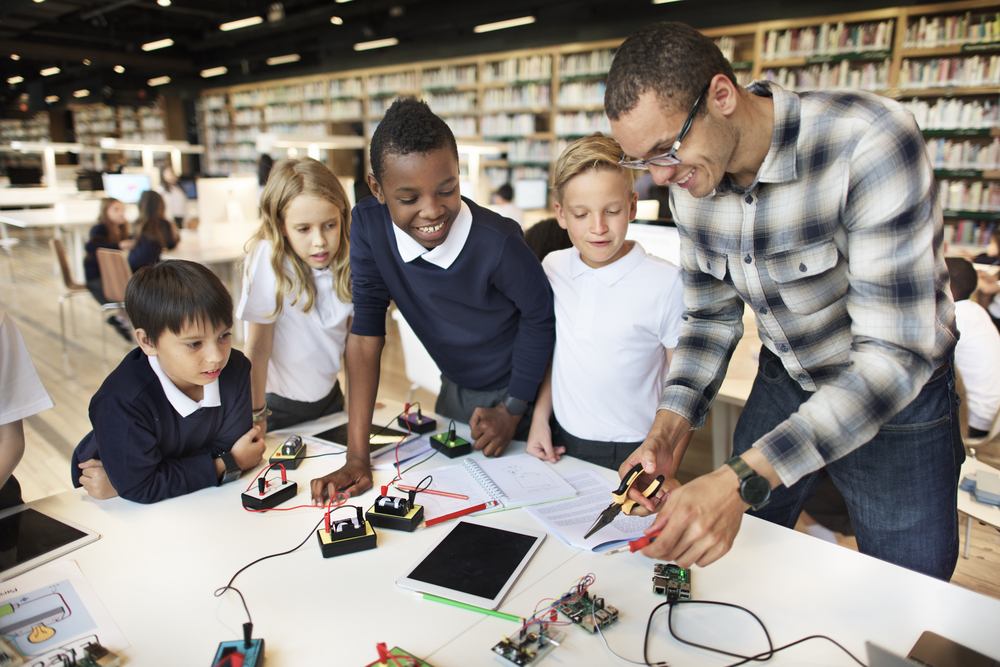

Developing critical thinking skills in young children, particularly in the context of "Normal Science," is essential for their overall cognitive development. During the ages of 4 to 8, children's brains are highly receptive and eager to understand the world around them. By engaging in critical thinking activities, they learn to ask questions, find solutions, and make connections, fostering creativity and inquiry.
Normal Science—an understanding of how scientific knowledge progresses, including observation, experimentation, and reasoning—forms a vital foundation for literacy and numeracy skills. When parents or teachers encourage children to think critically about their environment, they empower them to explore concepts like cause and effect, classification, and hypothesis formulation. These skills not only foster a love for learning but also enhance children's ability to communicate their thoughts and collaborate with peers.
Moreover, early engagement in critical thinking lays the groundwork for lifelong skills such as problem-solving and effective decision-making. In an ever-evolving world filled with diverse challenges, those early cognitive exercises prepare children to navigate complexities with confidence and creativity. Ultimately, developing critical thinking skills in early childhood is a crucial investment for a child's future education and personal growth.







