Enhancing categorization skills Normal Science Worksheets for Ages 4-8
3 filtered results
-
From - To
Enhancing Categorization Skills Normal Science Worksheets for Ages 4-8 are meticulously designed to develop your child's scientific understanding and cognitive abilities through fun, engaging activities. These worksheets help young learners differentiate and classify various objects and concepts, laying a strong foundation for critical thinking and problem-solving. Tailored to suit the developmental stages of children ages 4-8, each worksheet is aligned with educational standards to ensure your child gains essential skills in an enjoyable and interactive way. Explore diverse topics and watch your child's curiosity and knowledge grow with our enriching PDF resources!
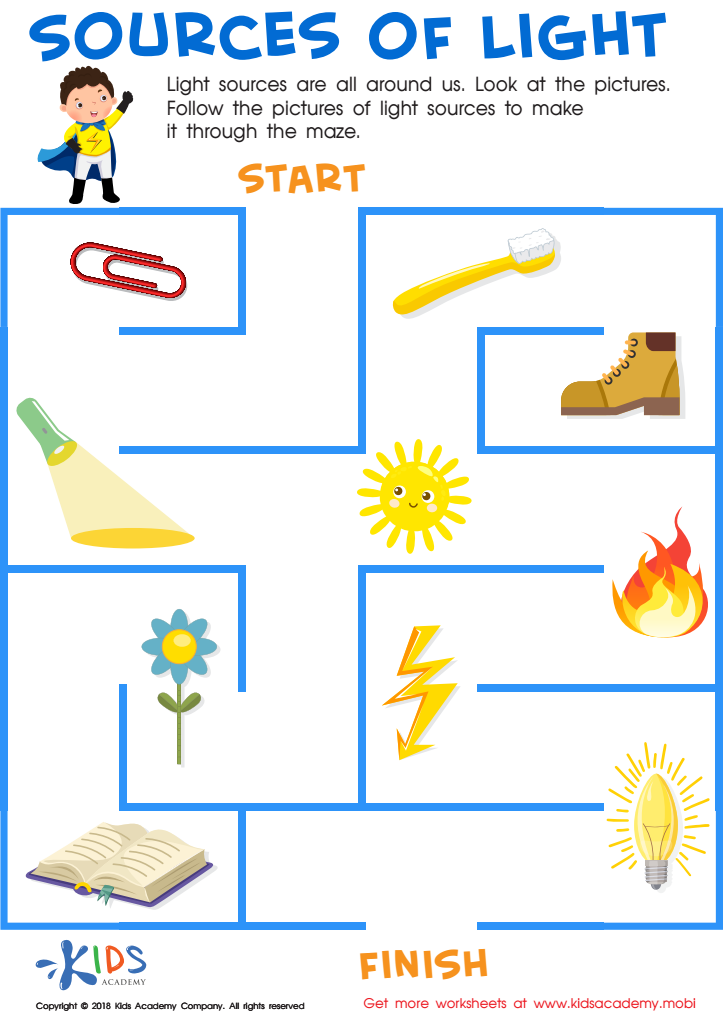
Sources of Light Worksheet
 Assign to My Students
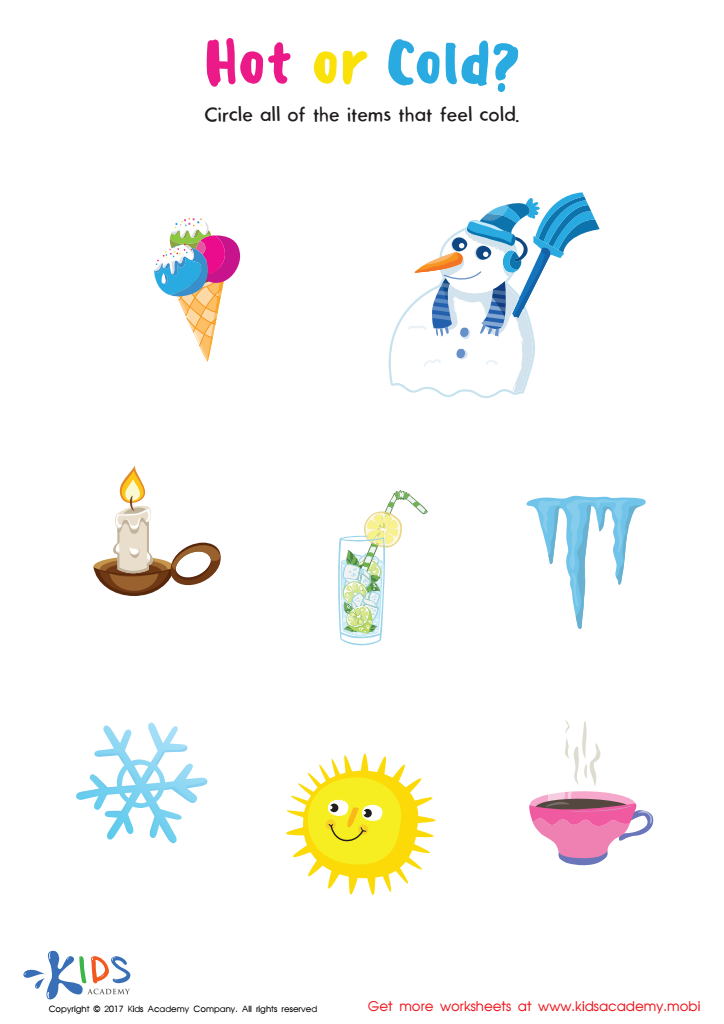
Hot or Cold Printable
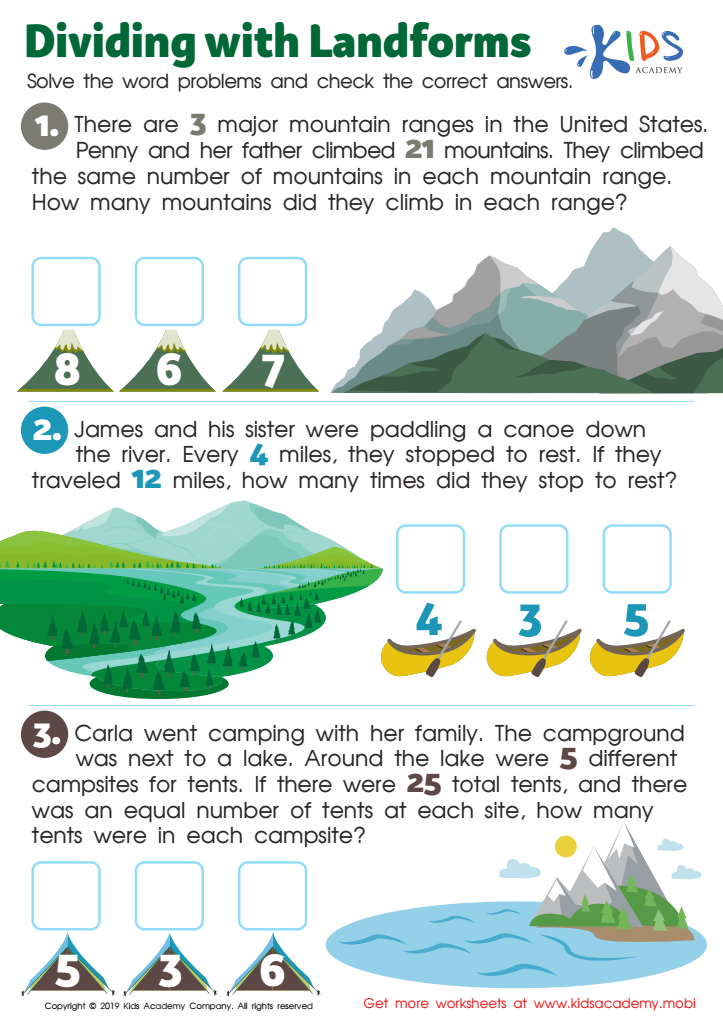
Dividing with Landforms








Enhancing categorization skills in children aged 4-8 is crucial for several reasons, particularly within the realm of Normal Science. At this developmental stage, kids are naturally curious and begin to explore and understand the world around them. Categorization forms the backbone of cognitive development by helping them organize information into meaningful groups. This practice not only improves memory and recall abilities but also enhances problem-solving and critical-thinking skills.
Incorporating categorization into science education leverages this developmental window to build foundational scientific concepts. For instance, sorting animals, plants, or objects into categories, such as size, shape, color, or habitat, facilitates a child's understanding of biological diversity and physical properties. This method aligns with scientific inquiry, fostering observational skills and empirical reasoning.
Furthermore, categorization skills support language development by expanding vocabulary and comprehension. When children label and group objects or ideas, they learn new words and concepts, which enhances their communication and expressive abilities.
For teachers and parents, nurturing these skills lays the groundwork for future academic success, as children who can effectively categorize are better equipped to grasp complex subjects and principles in later education. Ultimately, encouraging categorization skills in young learners fosters a more organized, analytical, and inquisitive mindset, essential for both academic achievement and everyday problem-solving.







