Categorization skills Normal Plants and Animals Worksheets for Ages 4-8
4 filtered results
-
From - To
Enhance your child's understanding of the natural world with our "Categorization Skills: Normal Plants and Animals Worksheets" tailored for ages 4-8. These engaging worksheets help young learners develop essential categorization skills through fun and interactive activities. Children will explore various plants and animals, learning to identify, sort, and group them based on their unique characteristics. Each worksheet is designed to spark curiosity, stimulate critical thinking, and reinforce the knowledge of biological diversity. Perfect for home or classroom use, these resources encourage hands-on learning experiences that promote cognitive development and a love for nature. Download your worksheets today and make learning exciting!
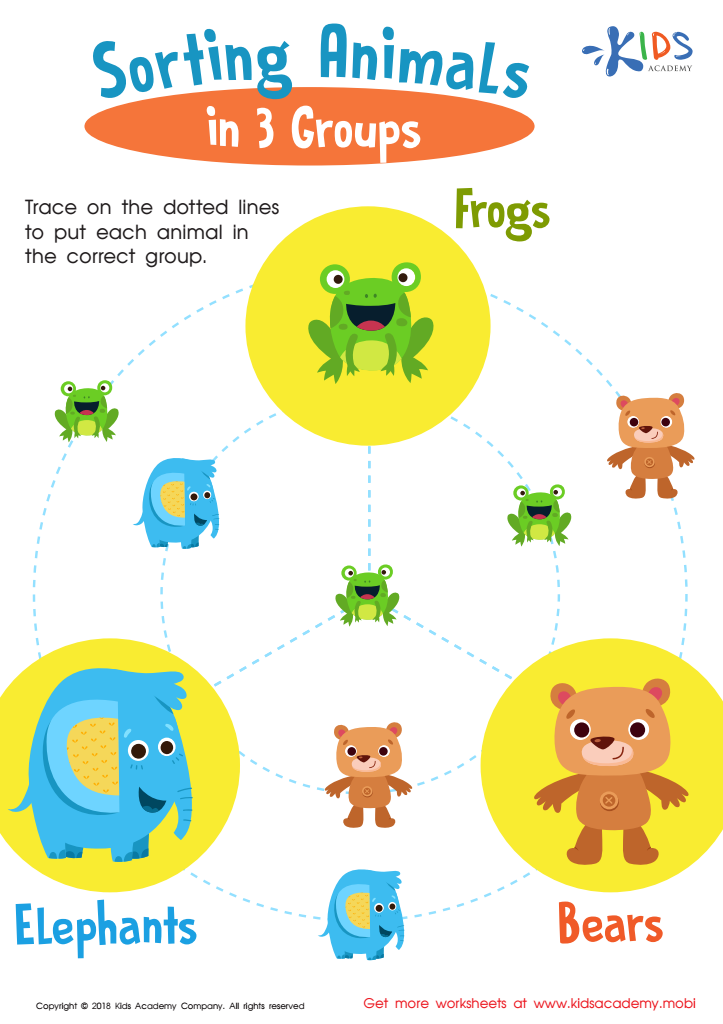
Sorting Animals in 3 Groups Worksheet
 Assign to My Students
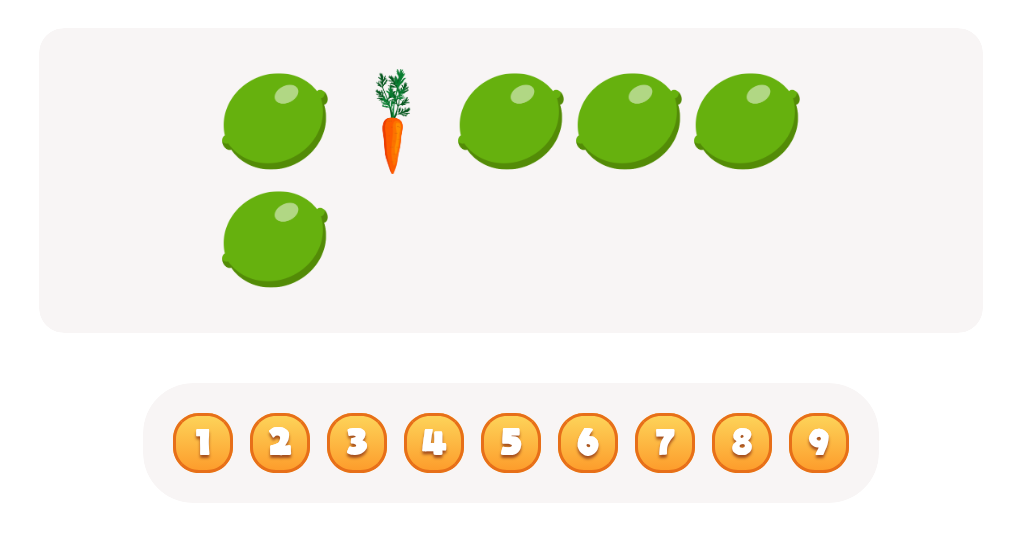

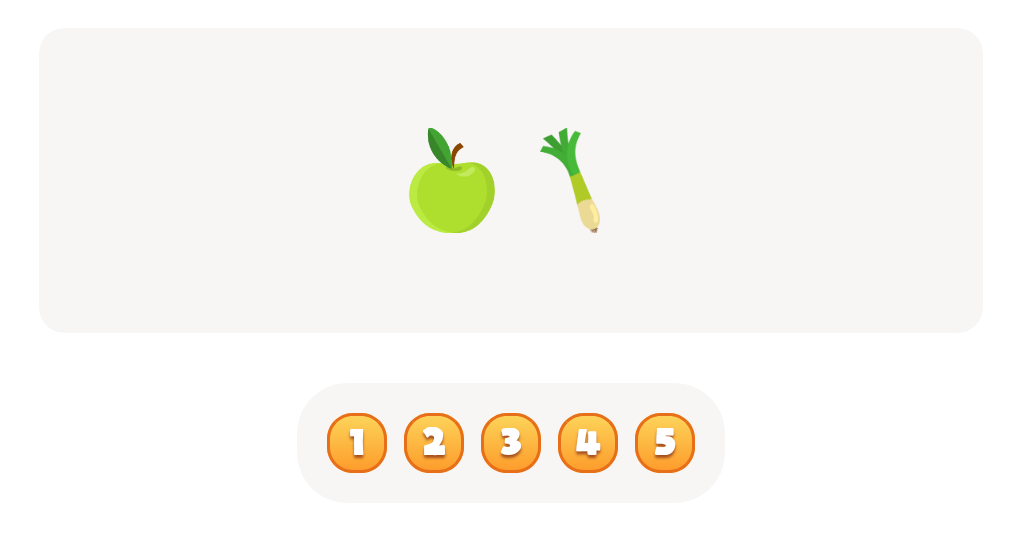
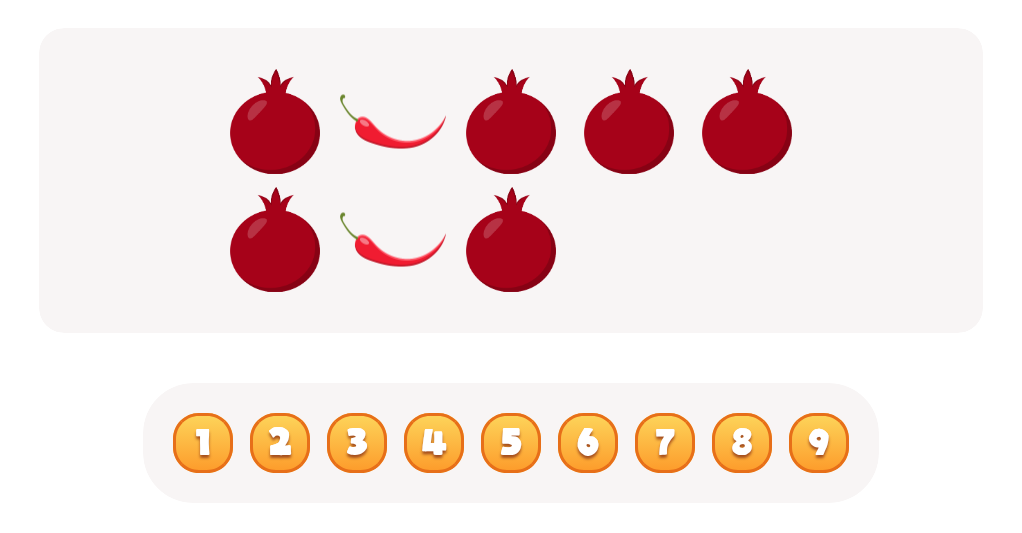
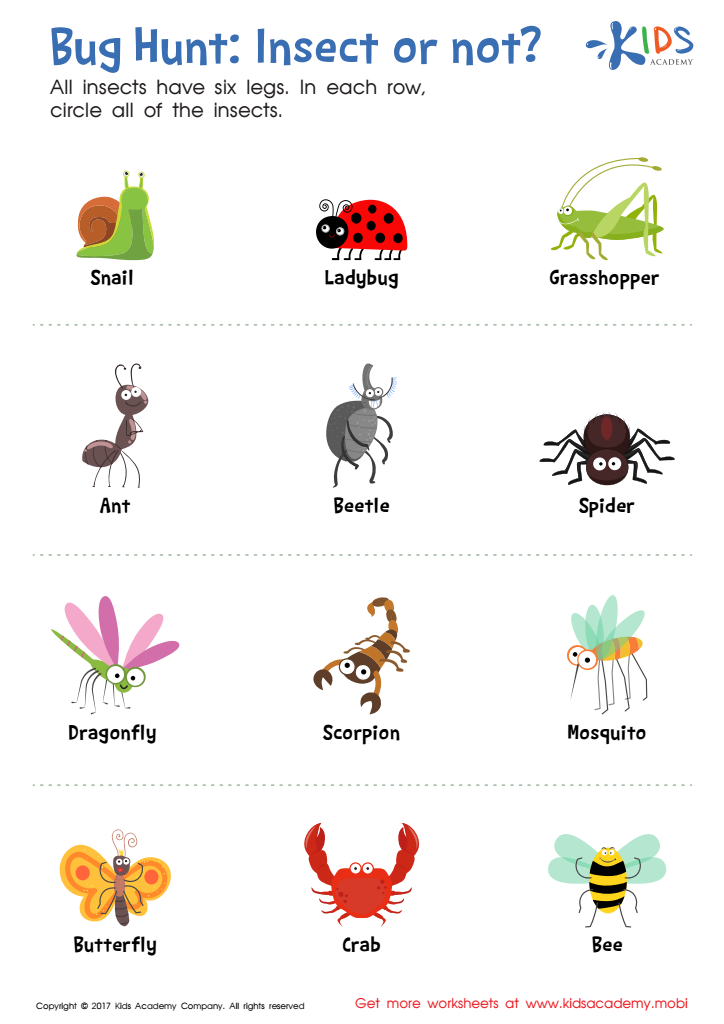
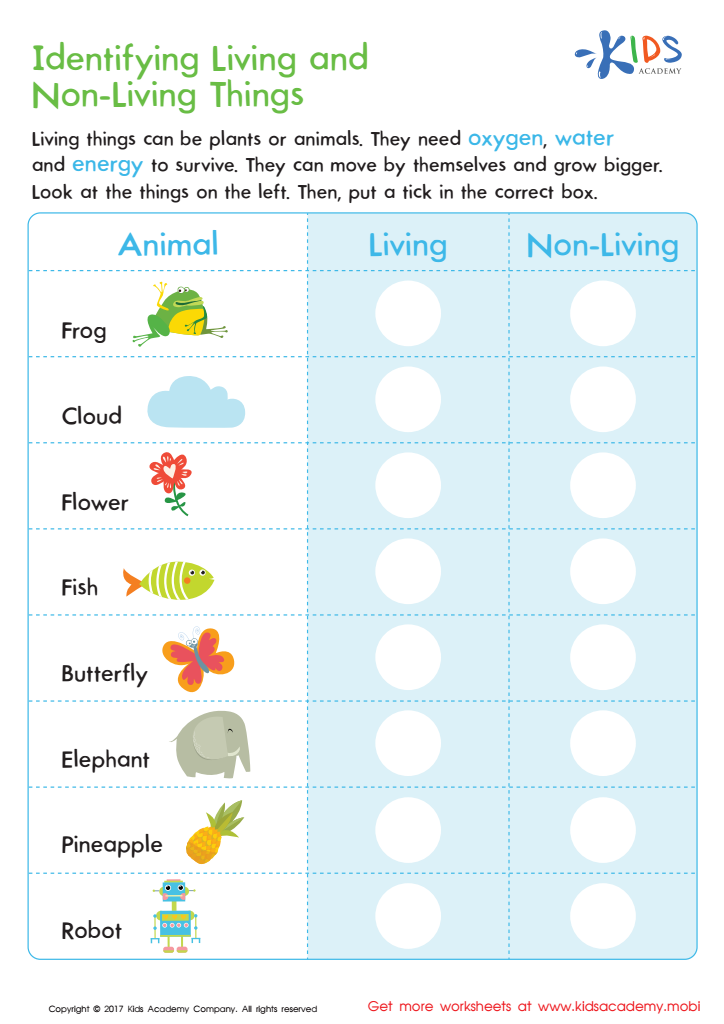
Identifying Living or Non–living Worksheet
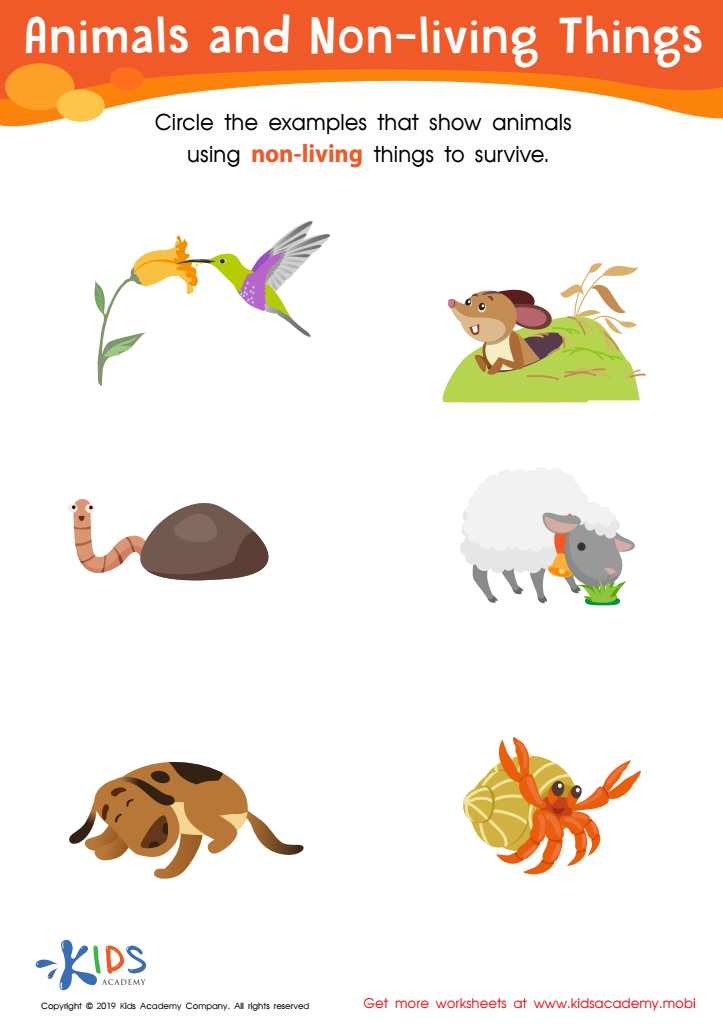
Animals and Non-Living Things Worksheet








Categorization skills are foundational for children aged 4-8, particularly when distinguishing between normal plants and animals. These skills help young learners develop critical thinking and cognitive order. At this stage, children are naturally curious about their surroundings and categorization supports their ability to observe, compare, and analyze. Understanding and distinguishing between plants and animals fosters an appreciation of biodiversity and the importance of ecosystems, instilling respect for nature.
From a developmental perspective, mastering categorization aids children's language skills, as they learn to describe characteristics, names, and functions of different organisms. It enhances their vocabulary and encourages better communication skills. Furthermore, these skills support mathematical reasoning by introducing concepts such as counting, classifying, and sequencing, which are essential to early math success.
Parents and teachers should care about these skills because they contribute to holistic development. Engaging children in activities involving categorization can lead to improved concentration, memory, and problem-solving abilities, paving the way for academic success. Encouraging exploration and observation of plants and animals not only makes learning enjoyable but also nurtures a sense of responsibility toward the environment, promoting lifelong inquisitiveness and stewardship among young learners. Therefore, emphasizing categorization at this age can yield lasting educational benefits.







