Critical thinking development Normal Plants and Animals Worksheets for Ages 4-8
3 filtered results
-
From - To
Unlock your child's potential with our "Critical Thinking Development: Normal Plants and Animals Worksheets" tailored for ages 4-8. These engaging worksheets encourage young learners to explore and analyze their natural environment, fostering a deeper understanding of plants and animals. Designed to spark curiosity and promote problem-solving skills, each activity helps children make connections between nature and their everyday lives. From matching animals to their habitats to identifying plant parts, these worksheets stimulate critical thinking and bolster cognitive development. Perfect for parents and teachers alike, our resources provide a fun, interactive way to inspire the next generation of thinkers and explorers!
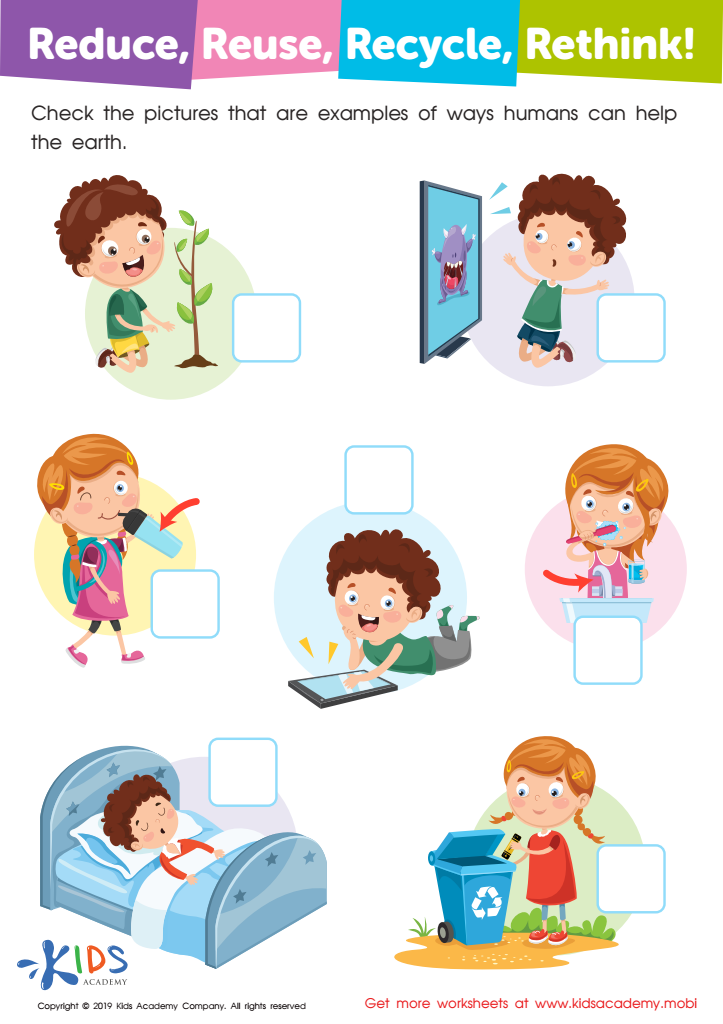
Reduce, Reuse, Recycle, Rethink Worksheet
 Assign to My Students
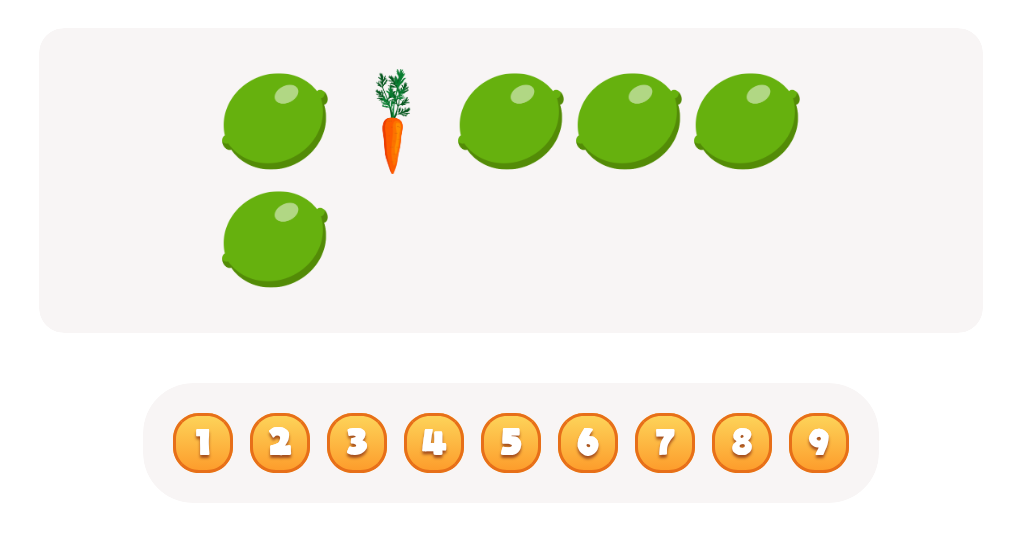

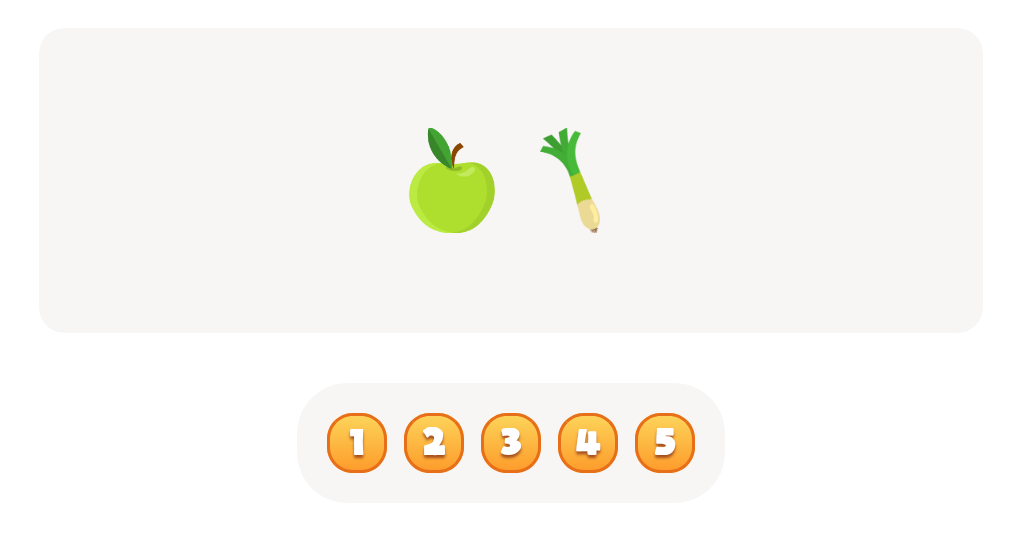
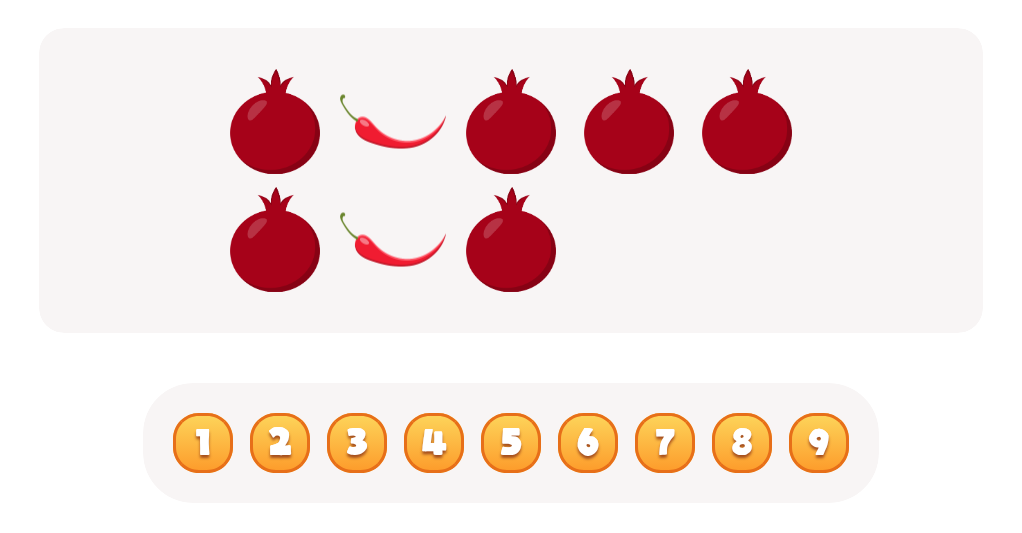
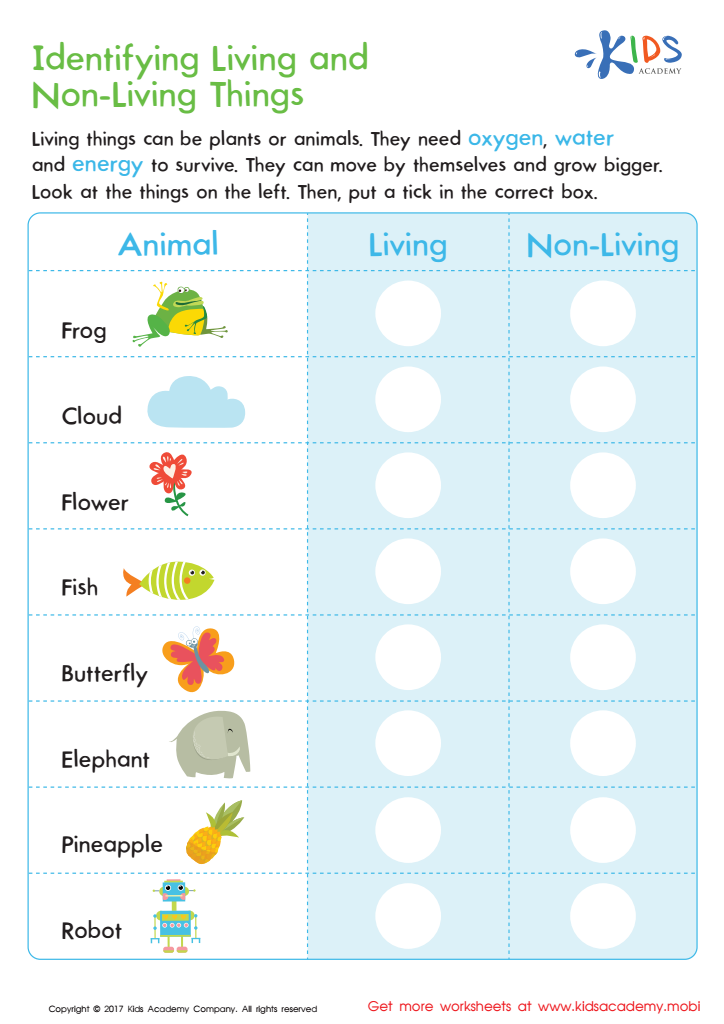
Identifying Living or Non–living Worksheet
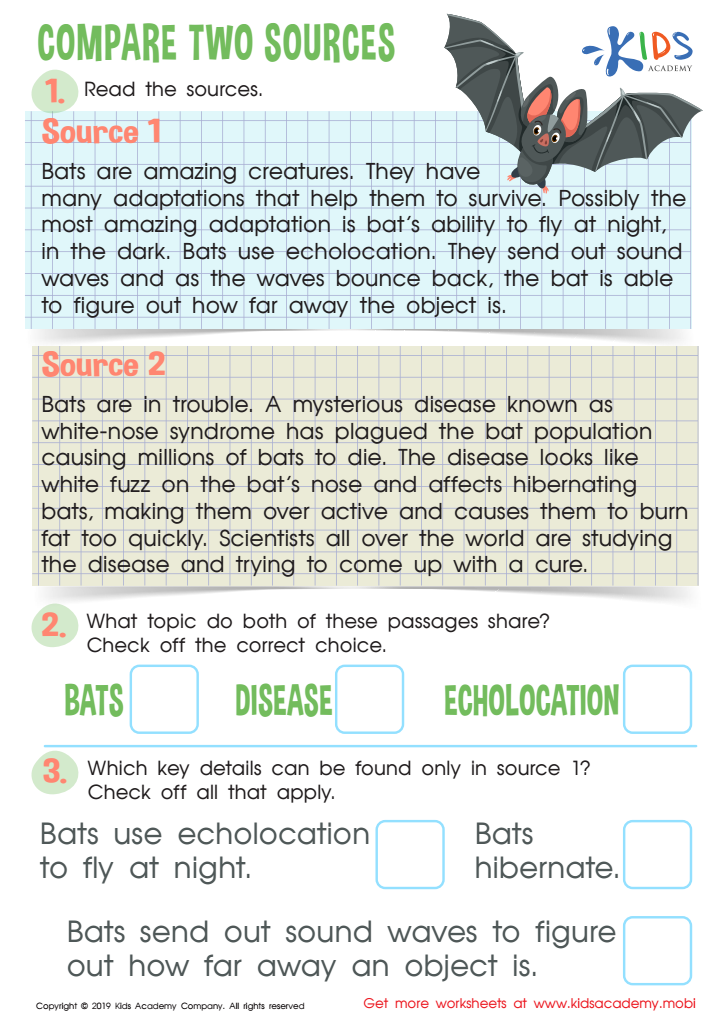
Compare Two Sources Worksheet








Critical thinking is a vital skill that helps young learners make sense of the world around them, especially when exploring concepts like normal plants and animals. For children ages 4-8, fostering critical thinking enables them to ask questions, make observations, and draw connections between their experiences and their environment. Understanding plants and animals encourages curiosity and wonder, allowing children to engage deeply with nature.
When parents and teachers prioritize critical thinking development in lessons about normal plants and animals, they equip children with the ability to analyze information, solve problems, and make informed decisions. For instance, while discussing different plant species or animal habitats, children learn how to categorize, compare, and evaluate their surroundings, laying the groundwork for scientific inquiry.
Additionally, promoting critical thinking fosters independence and boosts children's confidence. They learn not only to recall facts but also to understand the reasons behind them, cultivating a lifelong love of learning. Engaging children in hands-on experiences, such as nature walks or gardening, enhances their observational skills, encouraging them to ask "why" and "how." In essence, nurturing critical thinking during early education empowers children to think creatively and responsibly about the natural world, making it crucial for parents and teachers to embrace this approach.







