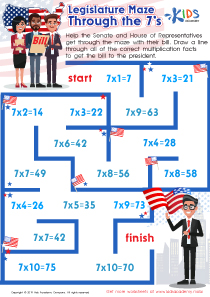
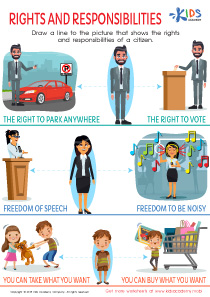
Understanding communities Normal Community Worksheets for Ages 4-8
4 filtered results
-
From - To
"Understanding Communities Normal Community Worksheets for Ages 4-8" introduces young learners to the concept of community through engaging and interactive worksheets. Designed for children ages 4 to 8, these activities focus on identifying key members and structures within a community, recognizing different types of communities, and understanding the roles and responsibilities of community members. Perfect for classroom or at-home learning, these worksheets cover essential social studies skills, nurturing a sense of belonging and civic awareness in children while making learning fun and effective. Elevate your child's understanding of their world with these thoughtfully crafted educational resources.
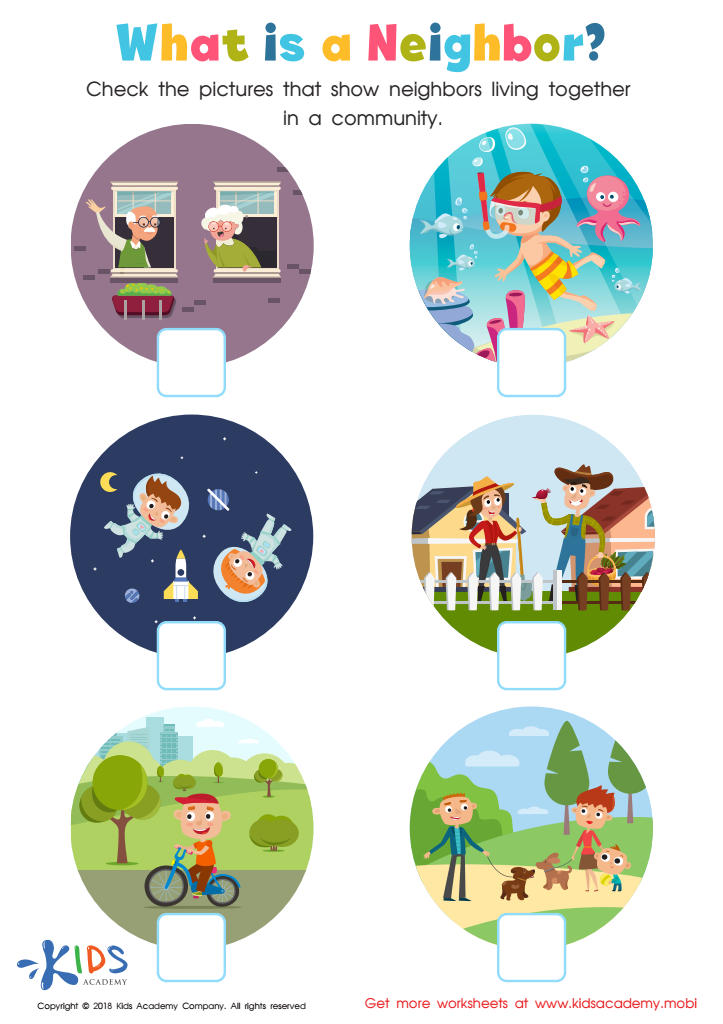
What is a neighbor Worksheet
 Assign to My Students
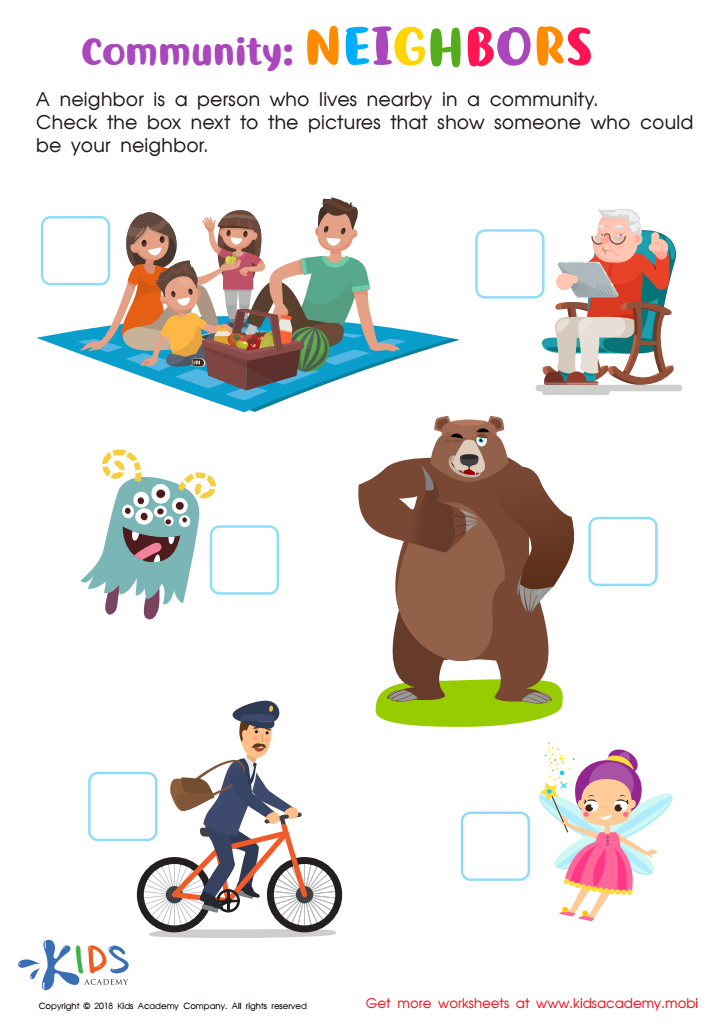
Community: Neighbors Worksheet
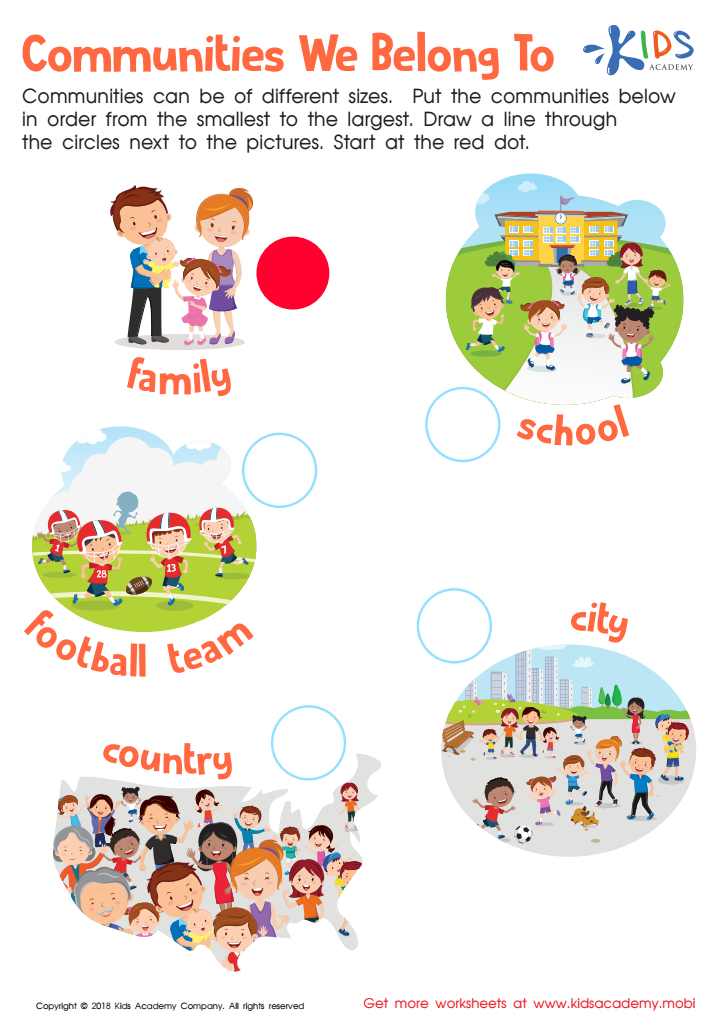
Communities We Belong to Worksheet
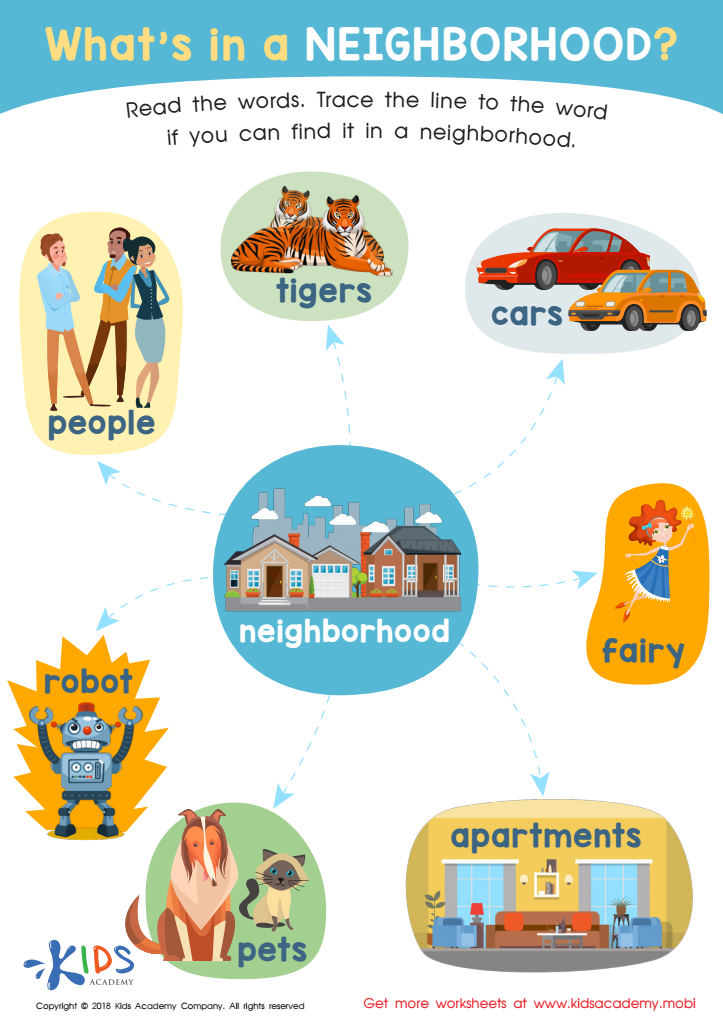
What's in a Neighborhood? Worksheet







Understanding community is vital for young children (ages 4-8) because it fosters a sense of belonging, empathy, and responsibility, which are foundational for their social and emotional development. When parents and teachers help young kids grasp the concept of community, children learn to recognize and appreciate the people, roles, and institutions that surround them. This awareness promotes inclusivity and respect for diversity, teaching children to value differences and collaborate effectively.
Learning about community helps children develop critical social skills, such as cooperation, sharing, and effective communication. These skills are crucial for positive interactions with peers, teachers, and family members. Moreover, understanding community roles, like those of firefighters, doctors, and teachers, helps children appreciate the interdependence of people in society and understand how they themselves can contribute.
Exposure to community concepts also enhances cognitive development. Discussing community helpers, local landmarks, and common practices can improve children's vocabulary, comprehension, and general knowledge. Additionally, involvement in community activities encourages children to engage in pro-social behavior and cultivates a sense of civic duty and compassion.
Overall, understanding communities equips children with tools for lifelong social competence and pretty well-rounded development, laying the groundwork for them to grow into active, caring, and responsible citizens.