Building vocabulary Normal Social Studies Worksheets for Ages 4-8
3 filtered results
-
From - To
Welcome to our "Building Vocabulary Normal Social Studies Worksheets for Ages 4-8"! Designed to enhance early learning, these engaging worksheets help young children expand their vocabulary while exploring essential social studies concepts. Our interactive exercises promote critical thinking and comprehension, allowing kids to connect words with their meanings in a fun and stimulating way. Through colorful illustrations and age-appropriate activities, children will discover new terms and concepts related to their communities, culture, and the world around them. Perfect for classroom use or at-home learning, these worksheets foster a love for language and a deeper understanding of social studies, setting the foundation for lifelong learning.
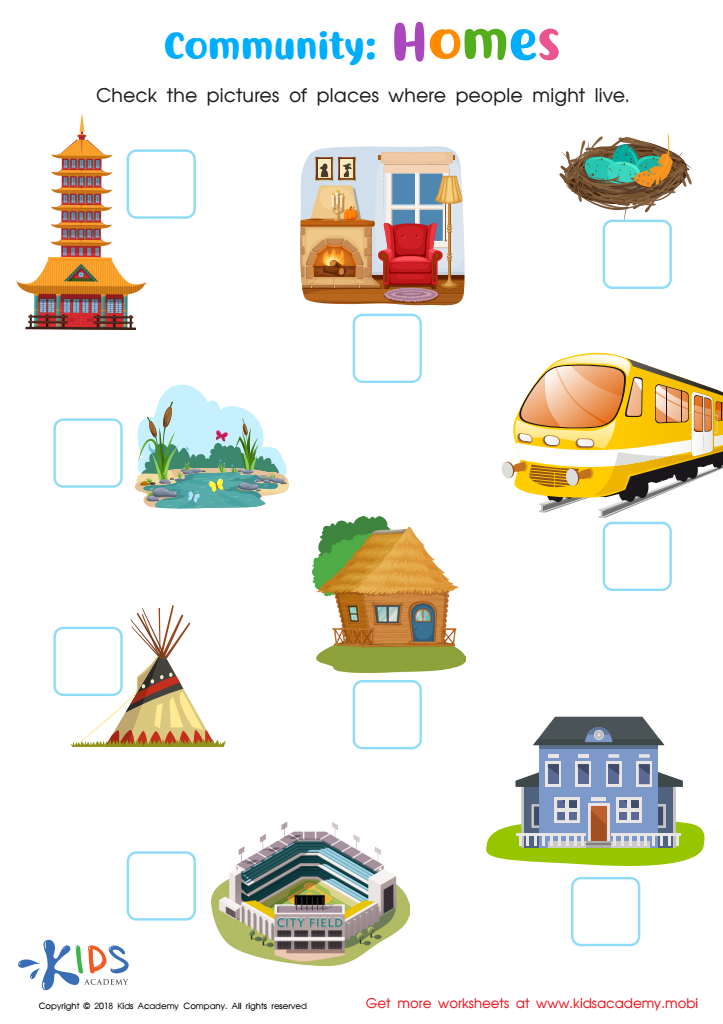
Community: Homes Worksheet
 Assign to My Students
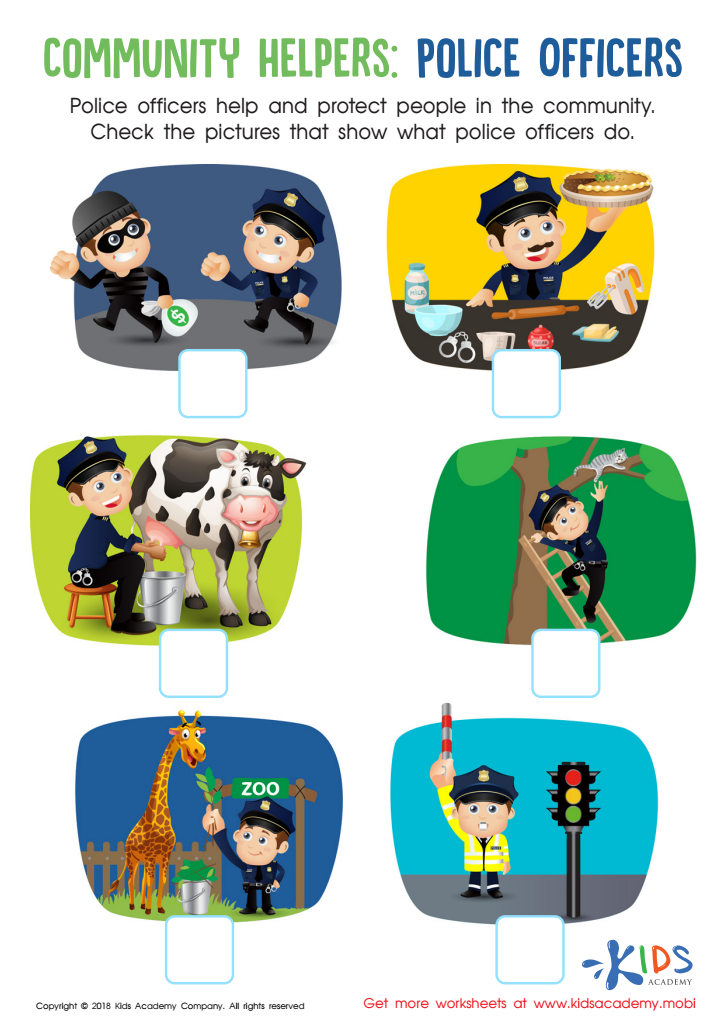
Police Officers Community Helpers Worksheet
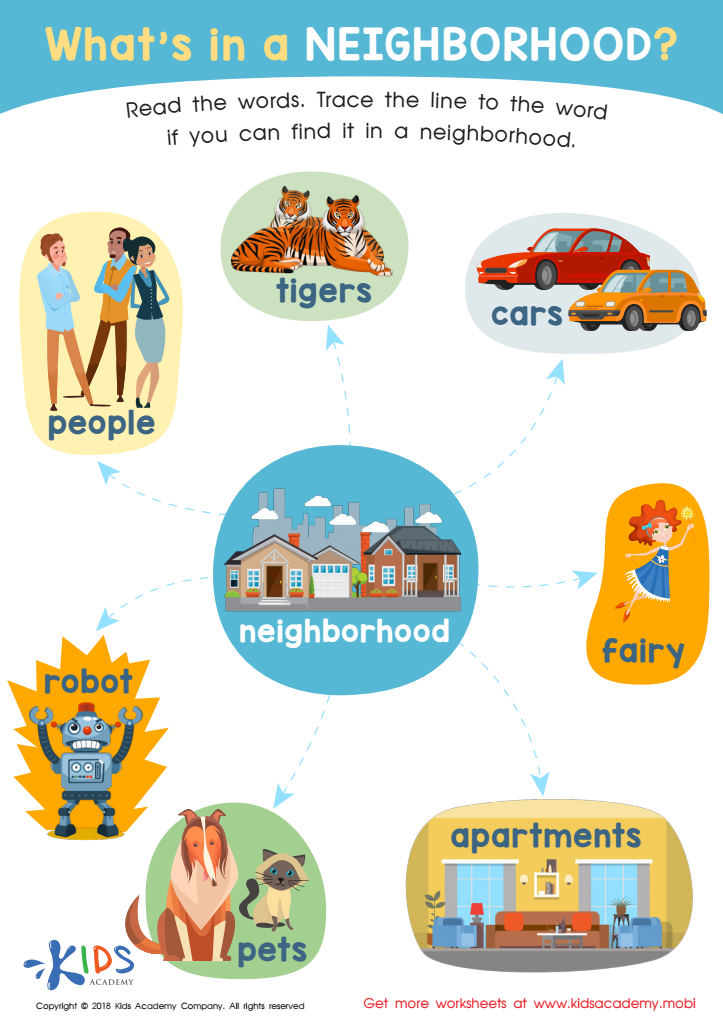
What's in a Neighborhood? Worksheet







Building vocabulary in young children, specifically in social studies, is crucial for several reasons. For ages 4-8, vocabulary acts as the foundation for understanding the world around them. When children learn words related to social studies—such as community, culture, respect, and diversity—they gain essential concepts that help them comprehend their roles within society.
A solid vocabulary fosters critical thinking and enables children to ask questions about their environment, thereby developing their curiosity and comprehension skills. This also promotes effective communication, allowing them to express their thoughts, opinions, and feelings related to social topics accurately. Moreover, a rich vocabulary enhances their reading skills, as they can engage with more complex texts as they grow.
Parents and teachers play a significant role in scaffolding this development. By incorporating vocabulary-building activities into lessons and discussions, they not only enrich children's language skills but also help them make connections to historical events, societal structures, and cultural differences. Ultimately, focusing on vocabulary in social studies equips children with the tools they need to navigate and understand their world, promoting empathy, awareness, and responsible citizenship as they grow into informed individuals. Together, parents and teachers can cultivate educated and engaged future members of society.