Understanding timelines Normal Social Studies Worksheets for Ages 4-8
3 filtered results
-
From - To
Discover the perfect resource for young learners with "Understanding Timelines Normal Social Studies Worksheets for Ages 4-8." These engaging and age-appropriate activities help children grasp the concept of timelines, enhancing their understanding of historical events, sequencing, and chronological order. Each worksheet is designed to be visually appealing, interactive, and easy for young minds to navigate. Perfect for classroom or home use, these worksheets not only enrich your child's social studies knowledge but also develop essential learning skills. Explore our collection of printables today and watch your child’s curiosity and comprehension grow! Check it out on Kids Academy.
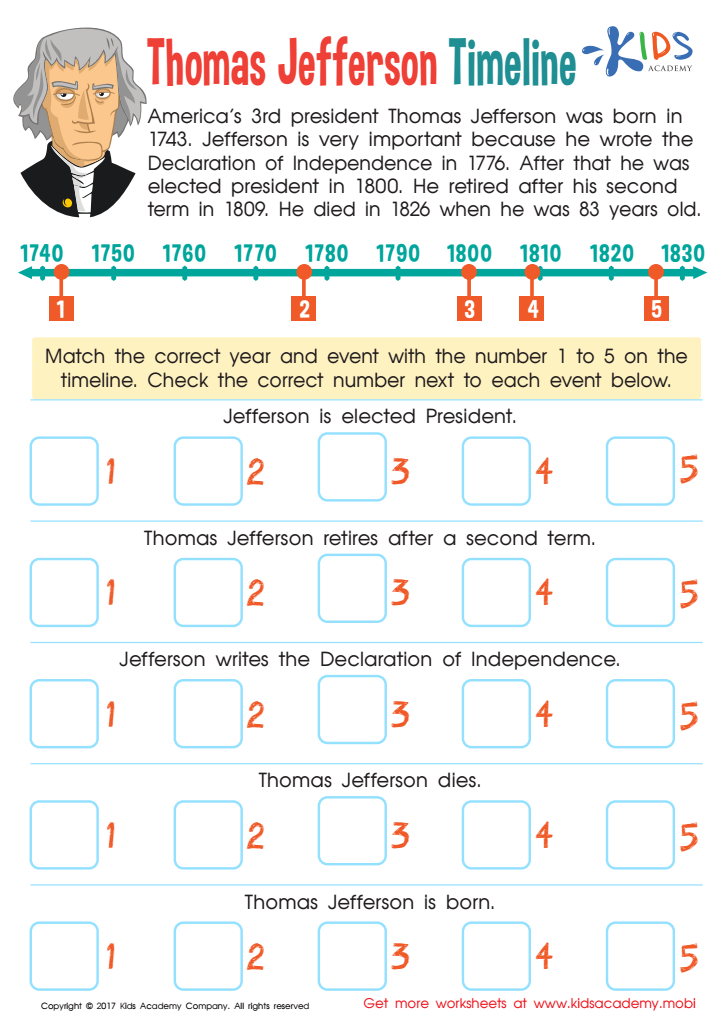
Thomas Jefferson Timeline Worksheet
 Assign to My Students
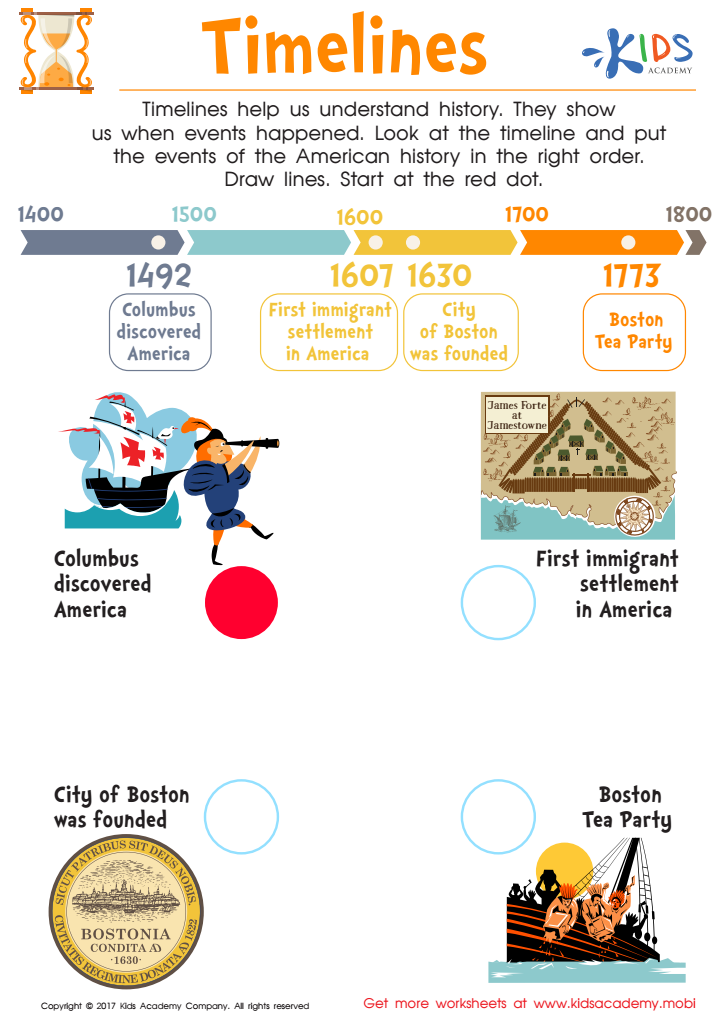
American History Timeline Worksheet
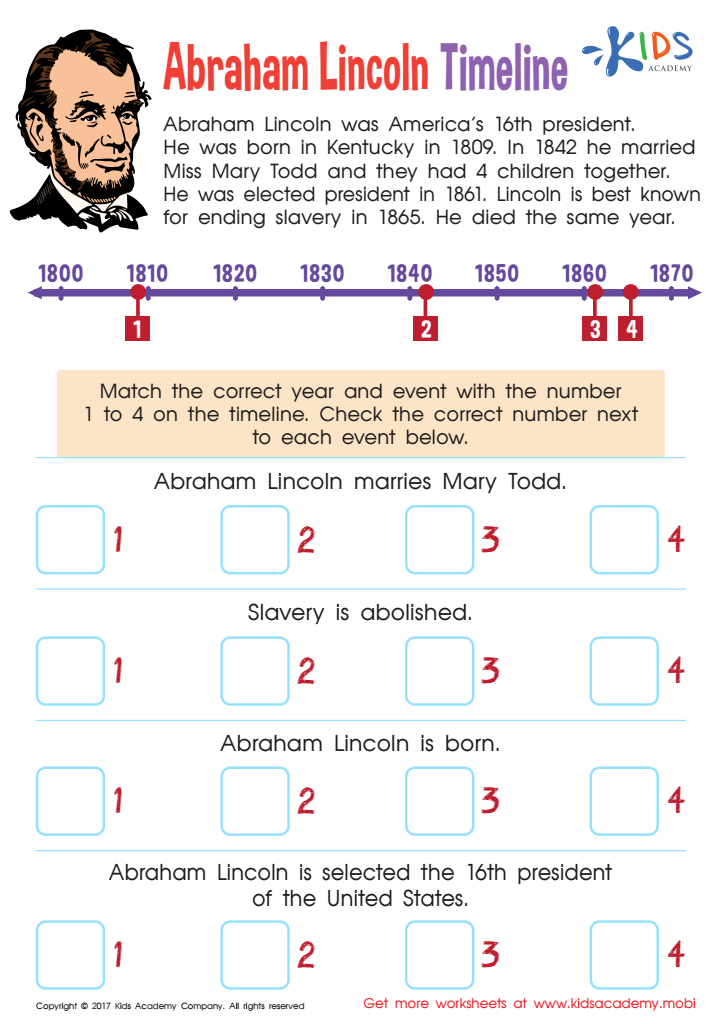
Abraham Lincoln Timeline Worksheet



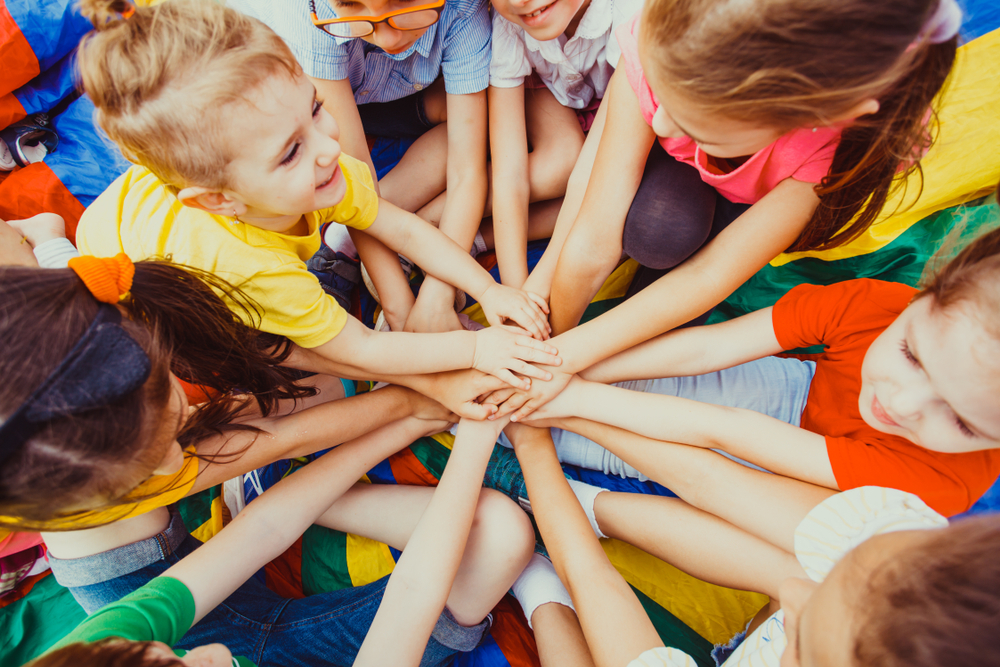




Understanding timelines is fundamental in early childhood education, particularly in social studies, because it helps children develop a sense of time, sequence, and historical context. For ages 4-8, learning about timelines serves as an essential foundation for organizing information and understanding the relationship between events, which are critical skills both academically and in real life.
For parents and teachers, cultivating this understanding ensures that children can grasp the progression of time, whether it's their own daily schedule or major historical events. Timelines enable students to visualize and comprehend concepts such as cause and effect, as they see how one event leads to another. This knowledge lays the groundwork for effective decision-making and critical thinking as they grow older.
Furthermore, timelines help develop children's organizational and chronological skills. By arranging events in a specific order, children learn to sequence actions logically and coherently, enhancing their storytelling and narrative abilities. This process Boos children’s ability to reflect on the past, understand the present, and anticipate the future.
Moreover, a grasp of historical events and continuity fosters empathy and global awareness by exposing kids to diverse cultures and histories early on, thereby broadening their perspectives and appreciation for the world around them. For these reasons, ensuring that young children learn about timelines supports their overall cognitive and emotional development while preparing them for future academic challenges.