Alphabet Recognition Normal ABC Letters Worksheets for Ages 4-9
19 filtered results
-
From - To
Boost your child's literacy skills with our Alphabet Recognition Normal ABC Letters Worksheets, designed for ages 4-9. These engaging worksheets help children identify and recognize both uppercase and lowercase letters, laying a crucial foundation for reading and writing. With fun activities that incorporate coloring, tracing, and letter matching, young learners will develop confidence in their alphabet skills while enjoying the learning process. Perfect for both classroom instruction and home practice, our comprehensive resources cater to diverse learning styles. Start fostering a lifelong love of learning with our carefully crafted, easy-to-use worksheets! Explore the exciting world of letters today!
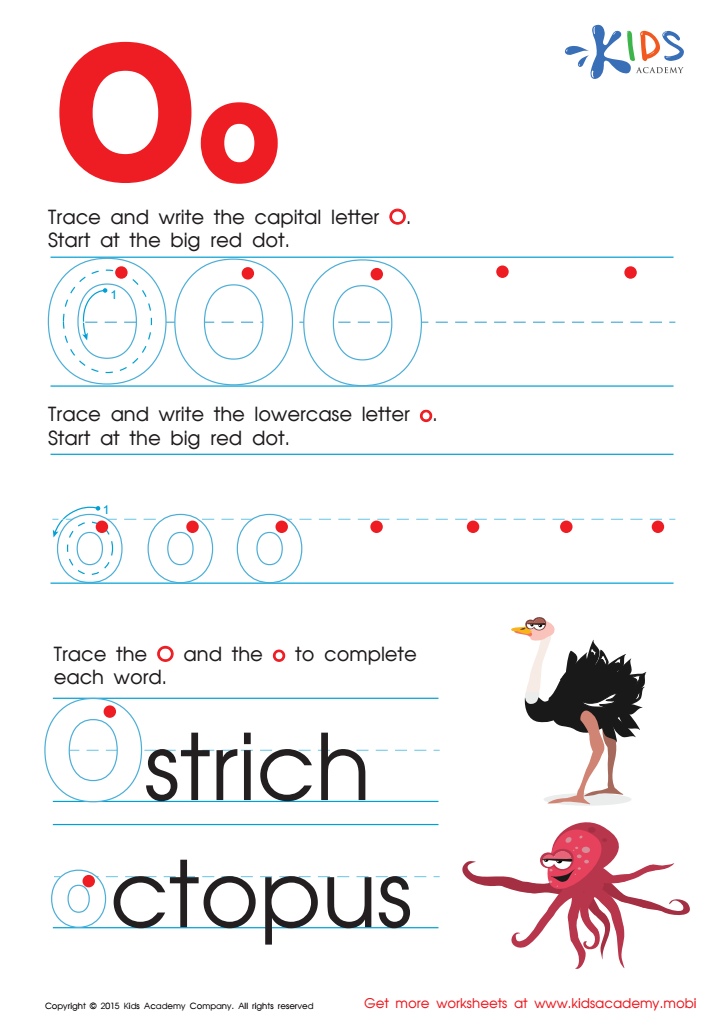
Letter O Tracing Page





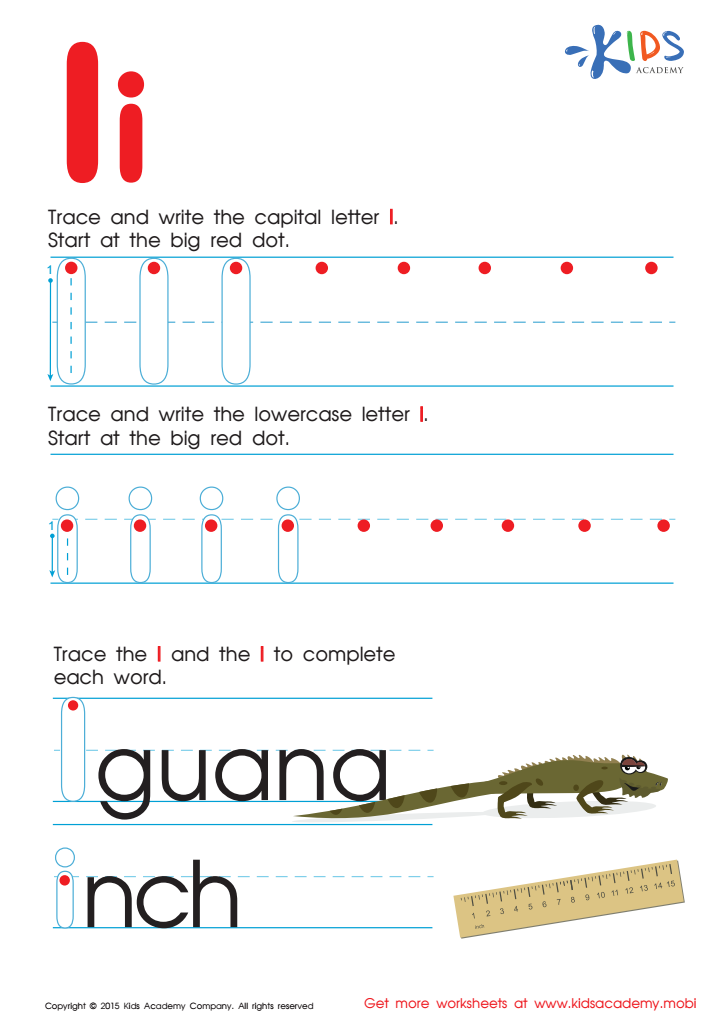
Letter I Tracing Page
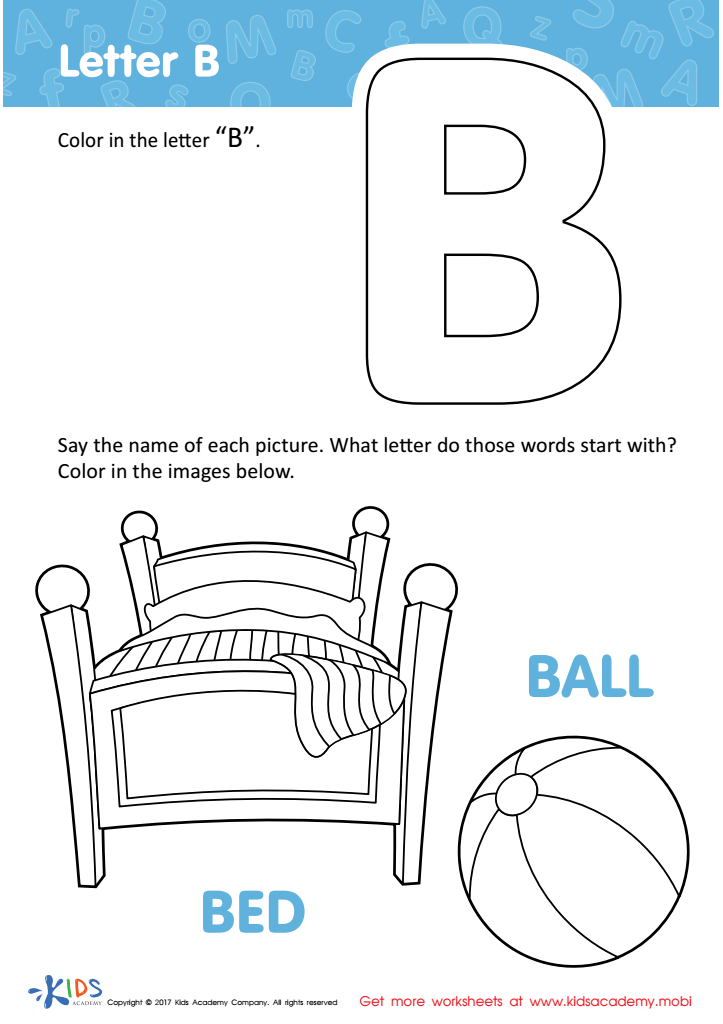
Letter B Coloring Sheet
 Assign to My Students
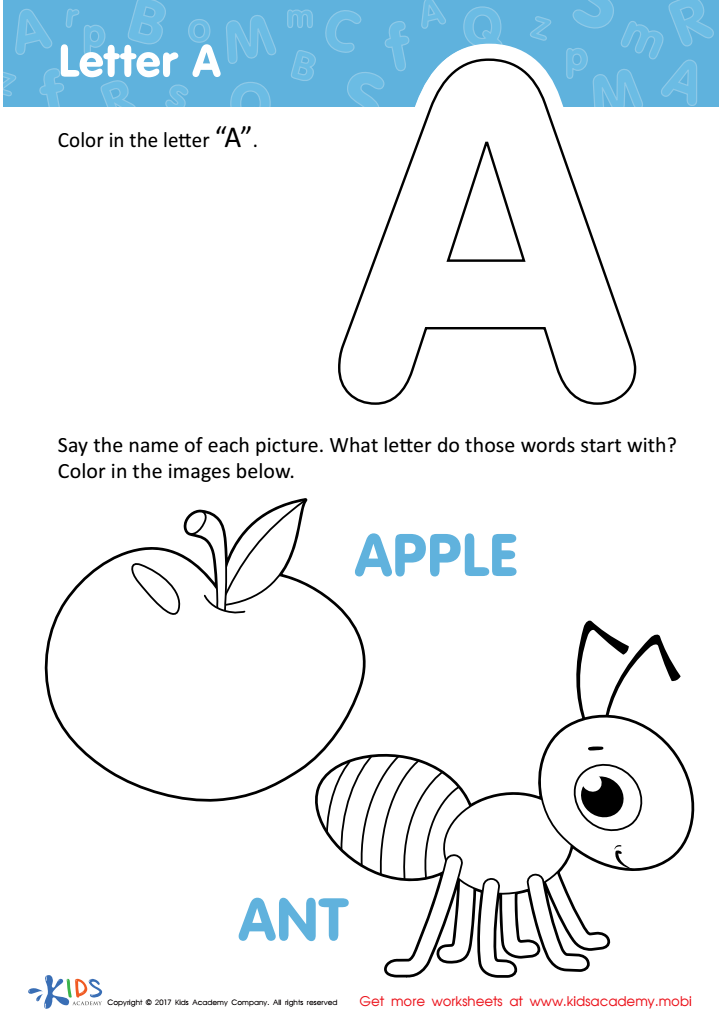
Letter A Coloring Sheet
Assign to My Students
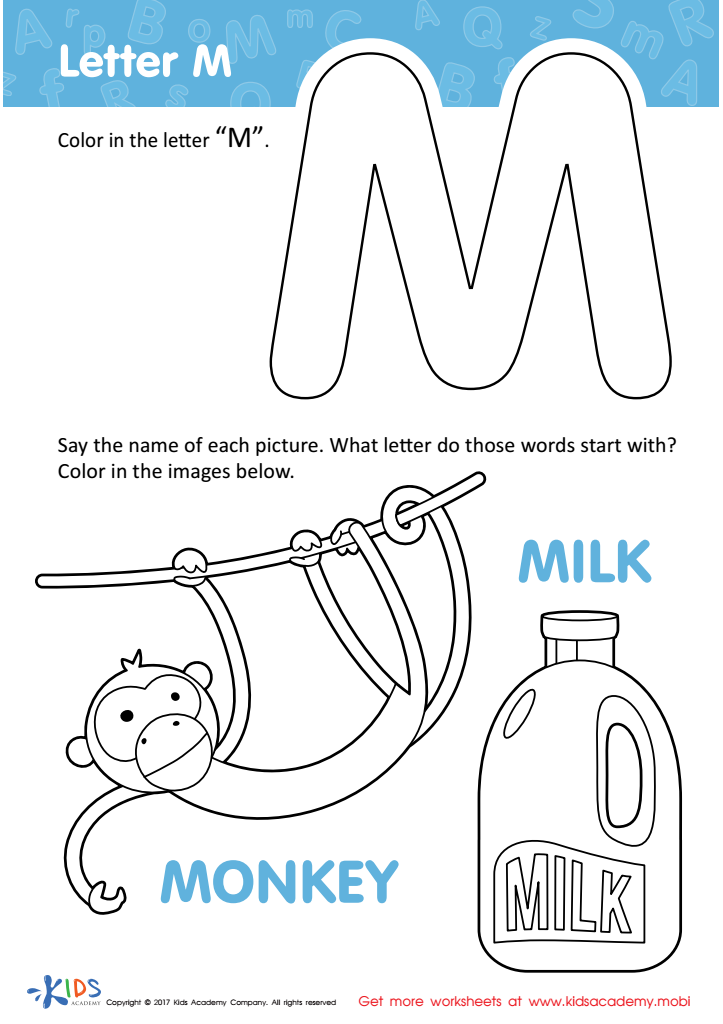
Letter M Coloring Sheet
Assign to My Students
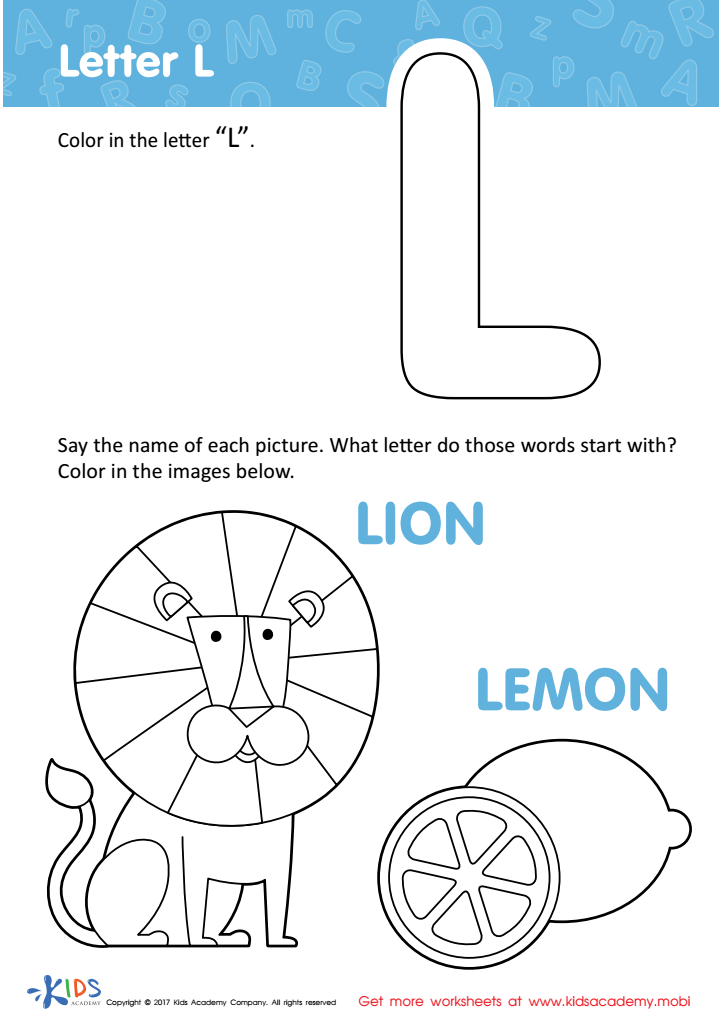
Letter L Coloring Sheet
Assign to My Students
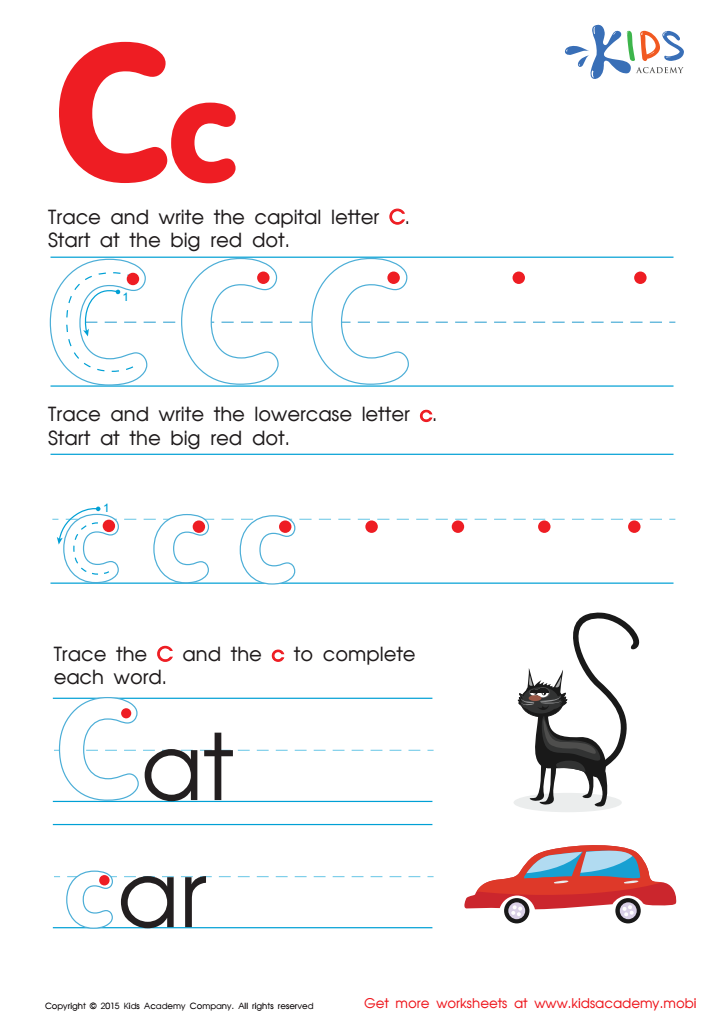
Letter C Tracing Page
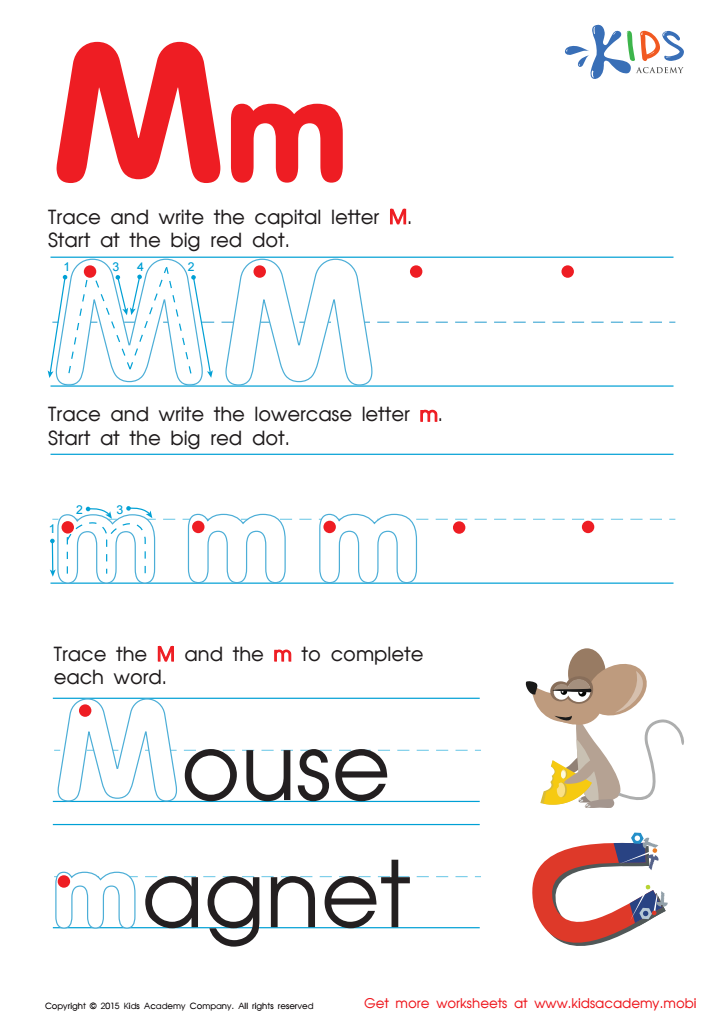
Letter M Tracing Page
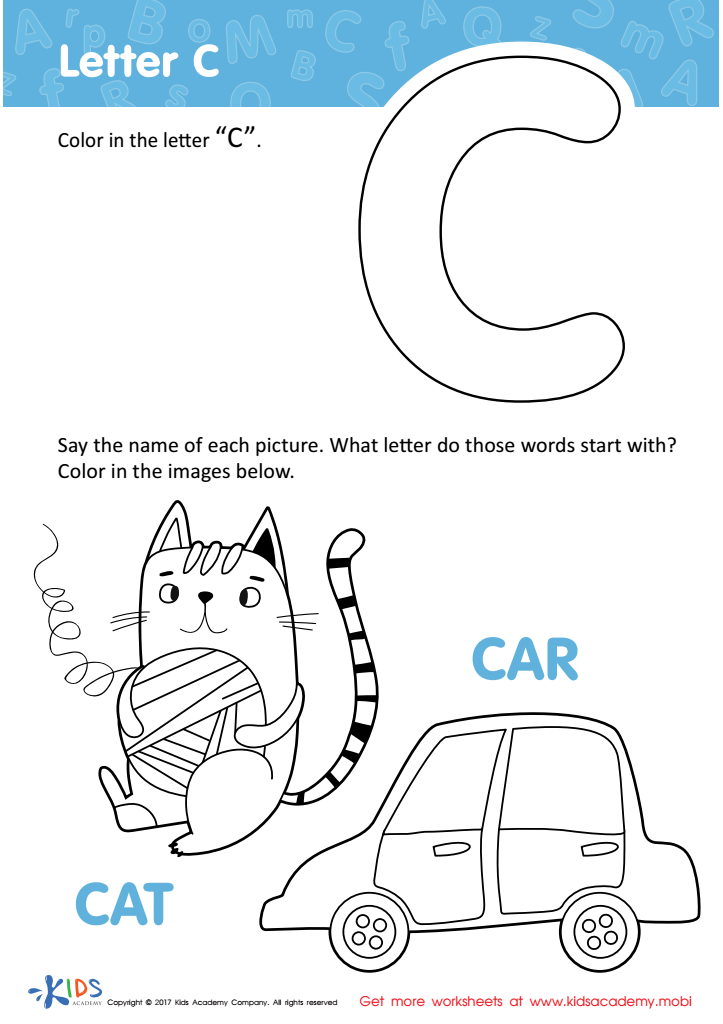
Letter C Coloring Sheet
Assign to My Students
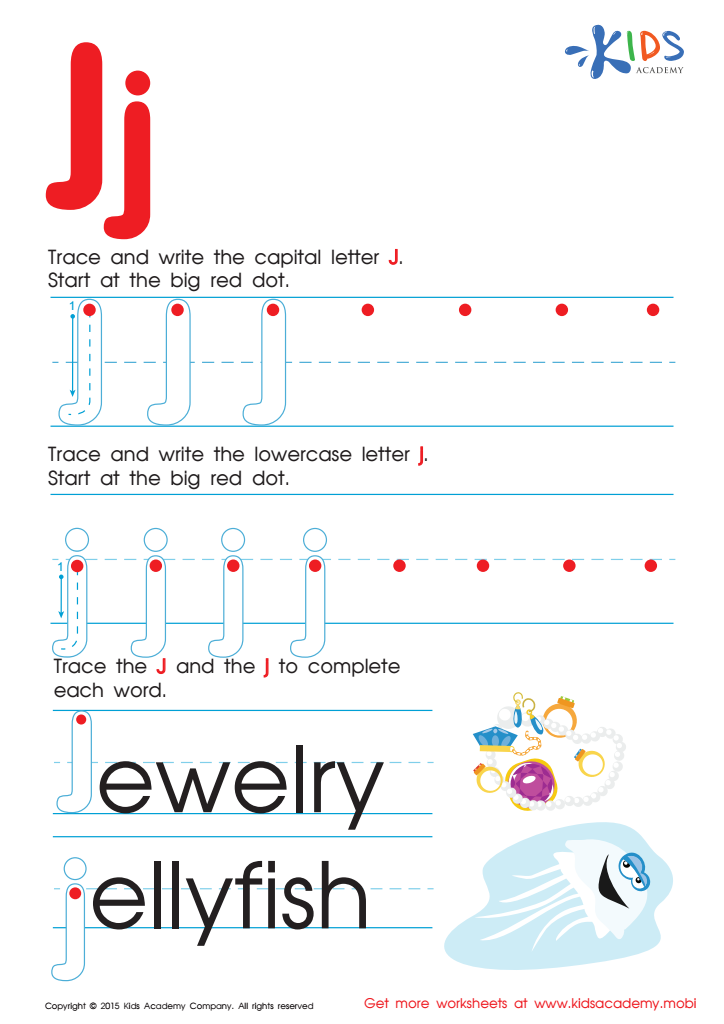
Letter J Tracing Page
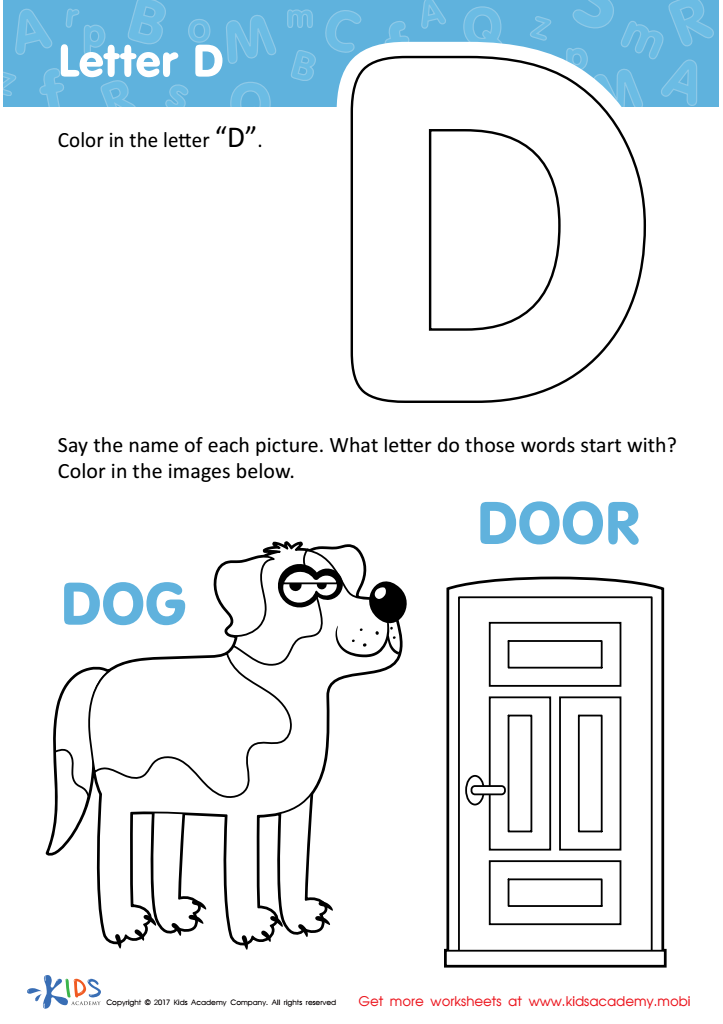
Letter D Coloring Sheet
Assign to My Students
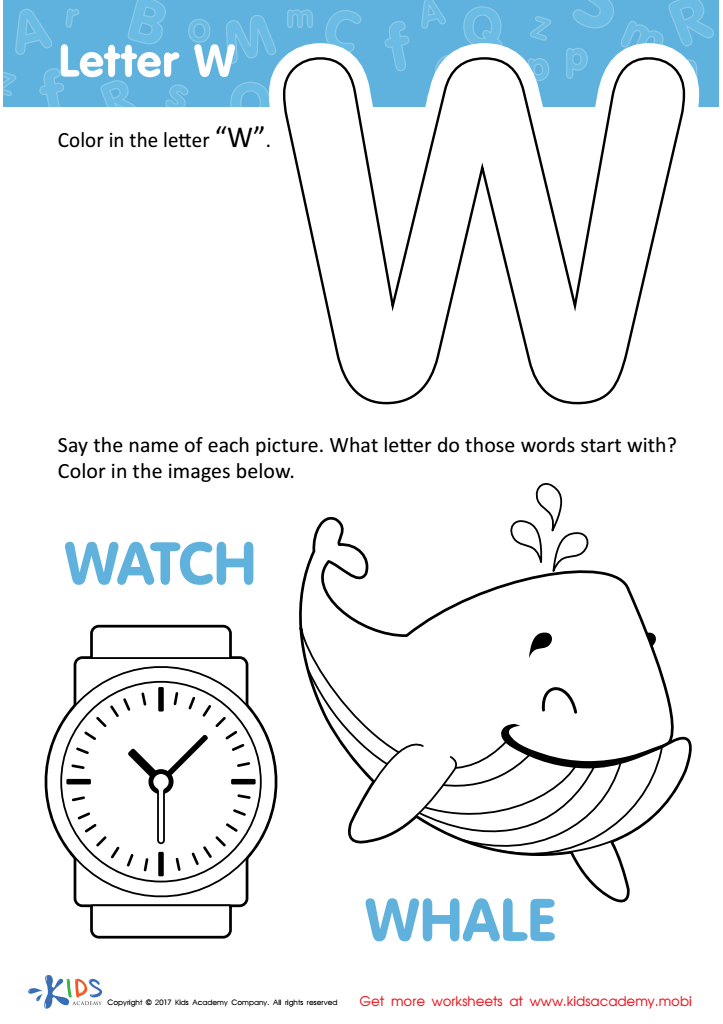
Letter W Coloring Sheet
Assign to My Students
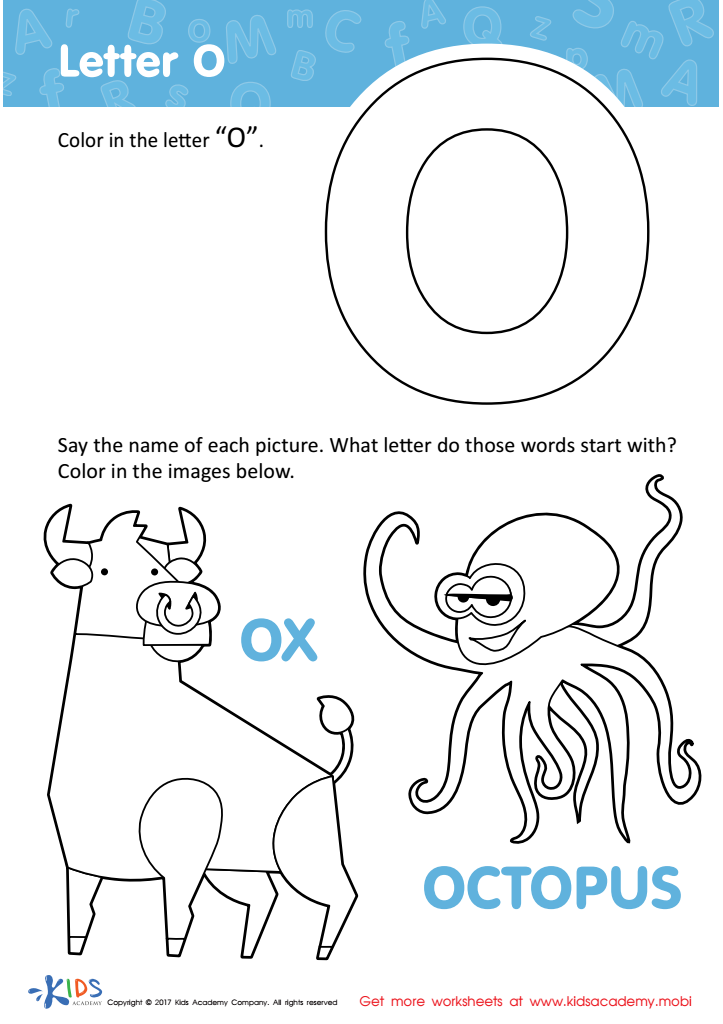
Letter O Coloring Sheet
Assign to My Students
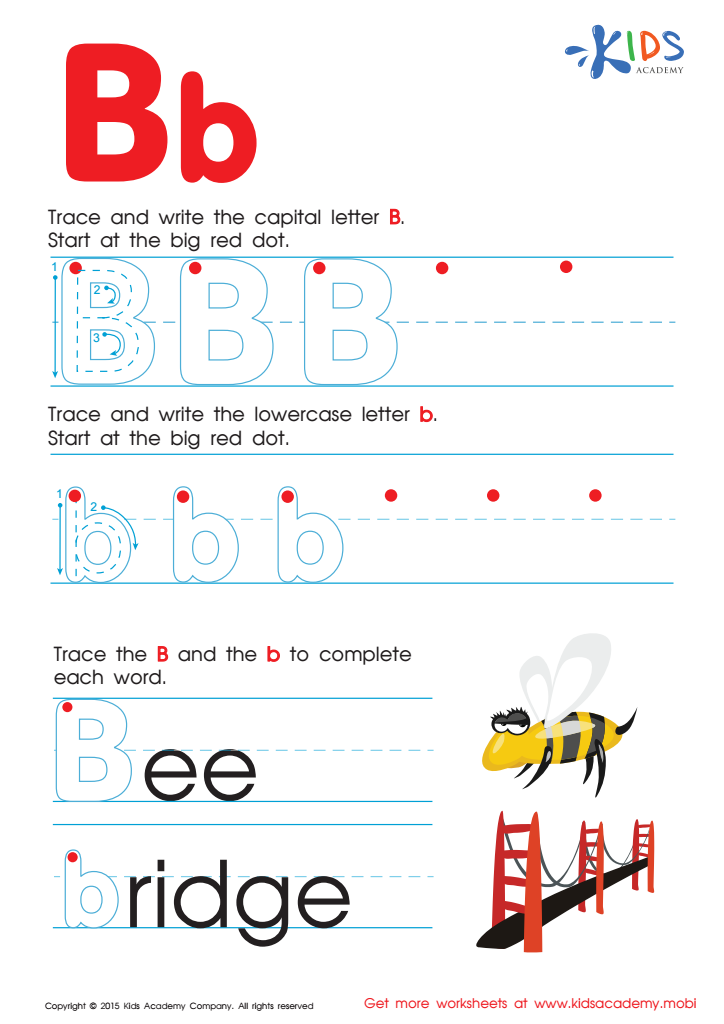
Letter B Tracing Page
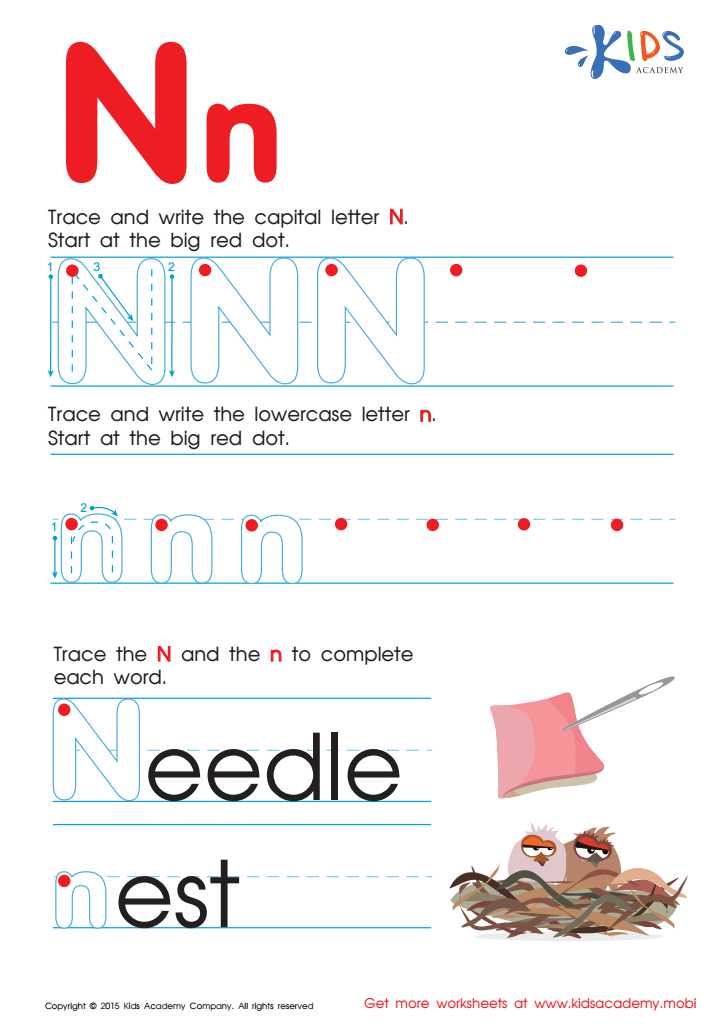
Letter N Tracing Page
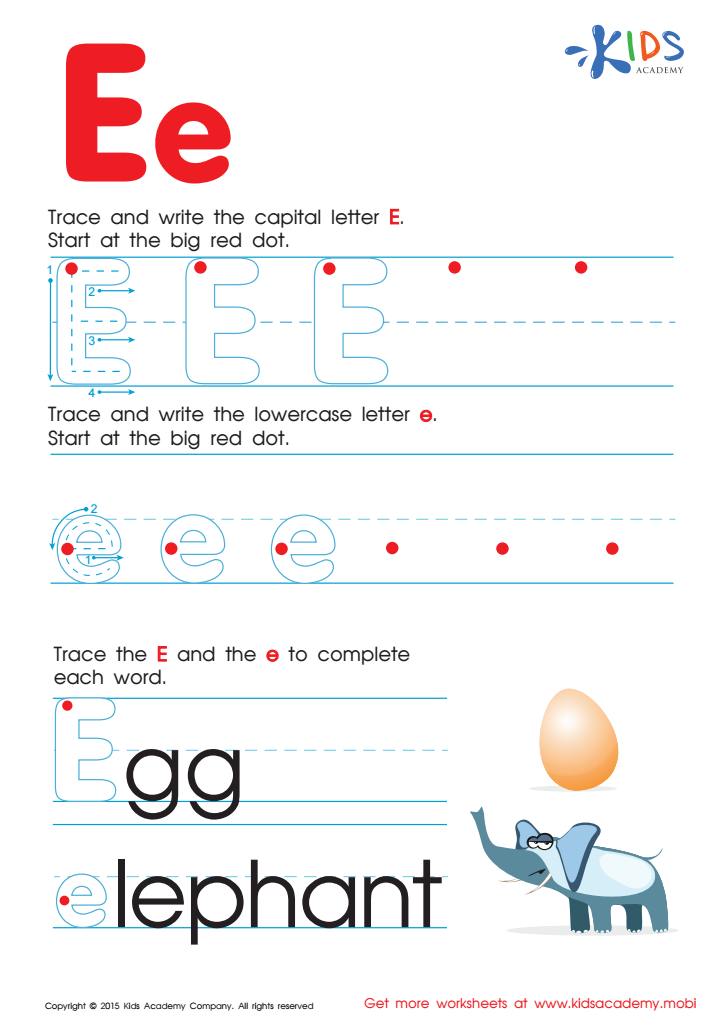
Letter E Tracing Page
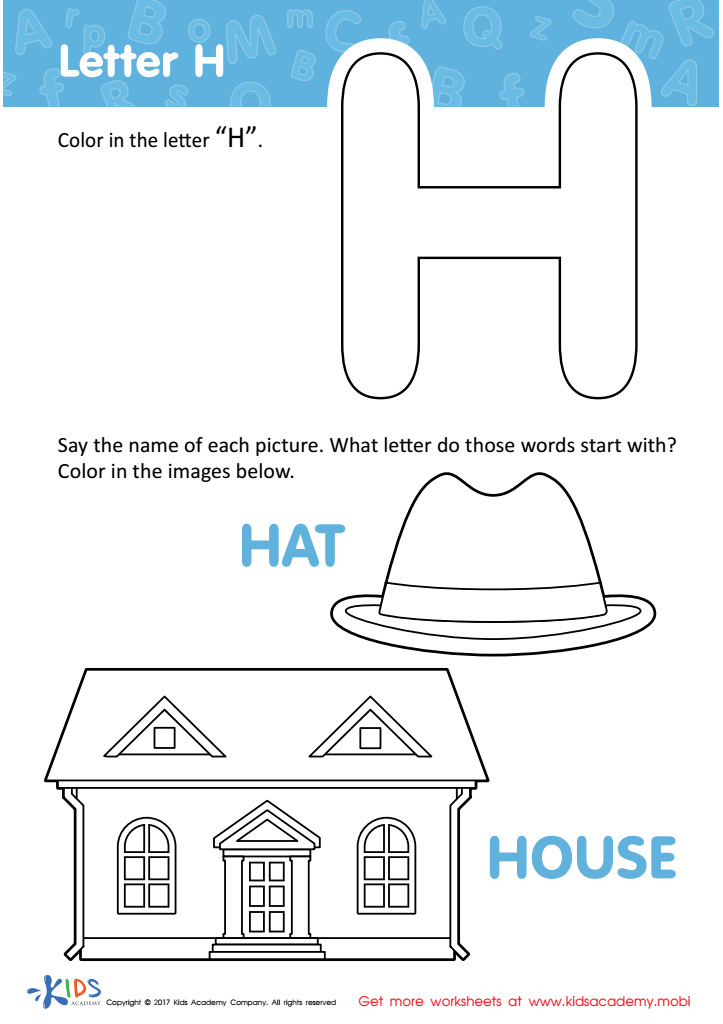
Letter H Coloring Sheet
Assign to My Students
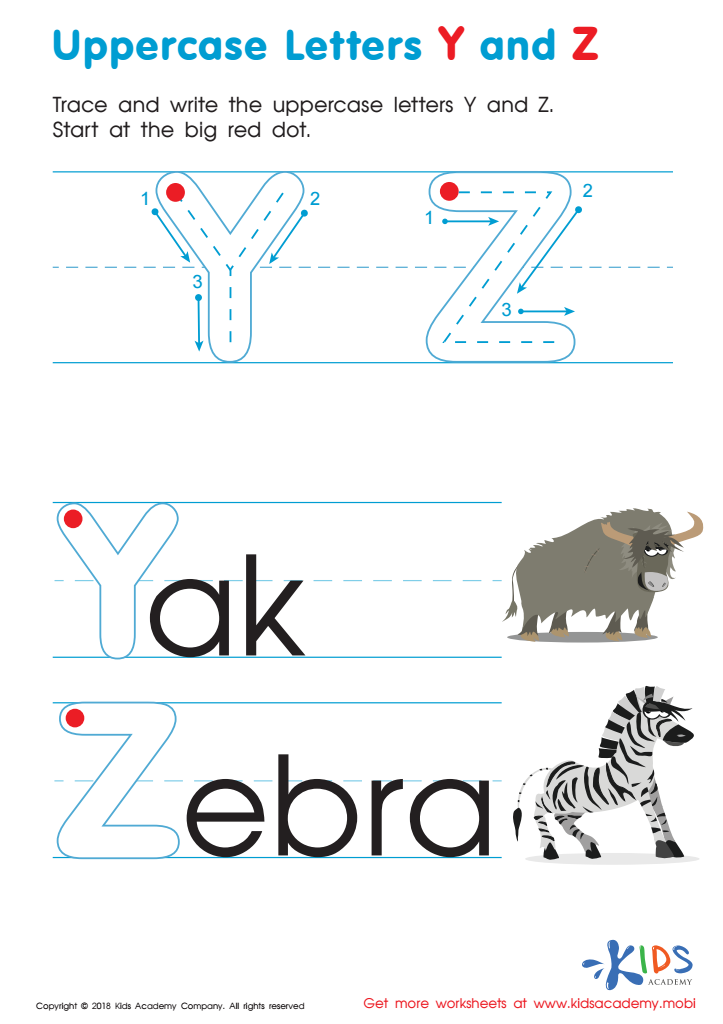
Uppercase Letters Y Z Worksheet
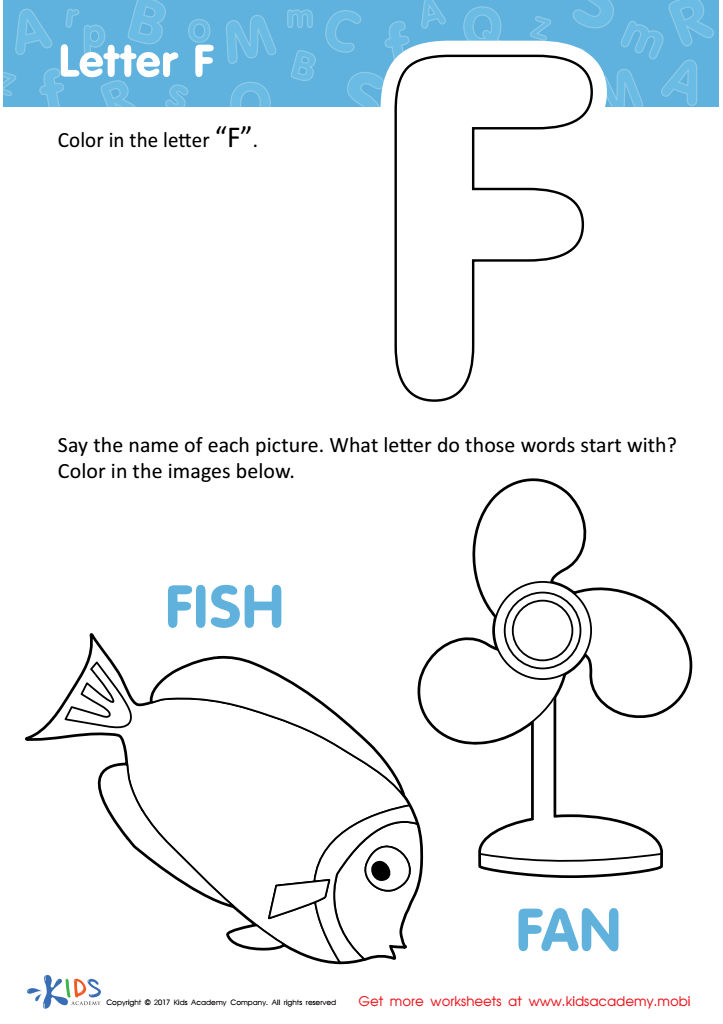
Letter F Coloring Sheet
Assign to My Students







Alphabet recognition is a foundational skill that plays a critical role in a child's literacy development, particularly for children aged 4 to 9. Parents and teachers should care about it for several reasons. Firstly, mastering the recognition of alphabet letters is essential for understanding the relationship between letters and sounds, which is crucial for reading and writing. Early readers who can identify letters quickly and accurately generally have a smoother transition into proficient literacy.
Secondly, recognizing letters helps children gain confidence in their abilities. As they recognize letters in different fonts and words, they begin to connect their knowledge to everyday experiences, making learning more meaningful. Additionally, letter recognition sets the stage for spelling, vocabulary development, and comprehension skills, which are inherited within their school years and further into their academic careers.
Moreover, social and emotional development can be enhanced through literacy activities. Engaging in letter recognition games and exercises fosters a child's curiosity and love for learning when supported by parents and teachers.
In conclusion, fostering alphabet recognition in children aged 4-9 equips them with vital tools for academic success, instills confidence, and enhances their overall development, making it an essential pursuit for caregivers and educators alike.







