Writing practice Normal ABC Letters Worksheets for Ages 4-9
6 filtered results
-
From - To
Discover engaging "Writing Practice Normal ABC Letters Worksheets for Ages 4-9" on Kids Academy! Designed to enhance children's writing skills, these activity sheets offer a fun and interactive way for young learners to master the alphabet. Ideal for preschool to elementary levels, our worksheets focus on letter recognition, proper formation, and practice through tracing and independent writing. Each page combines colorful graphics with effective exercises, ensuring kids stay motivated and enjoy learning. Cultivate their love for writing and boost their confidence with our comprehensive collection. Available for easy download, start their handwriting journey today!
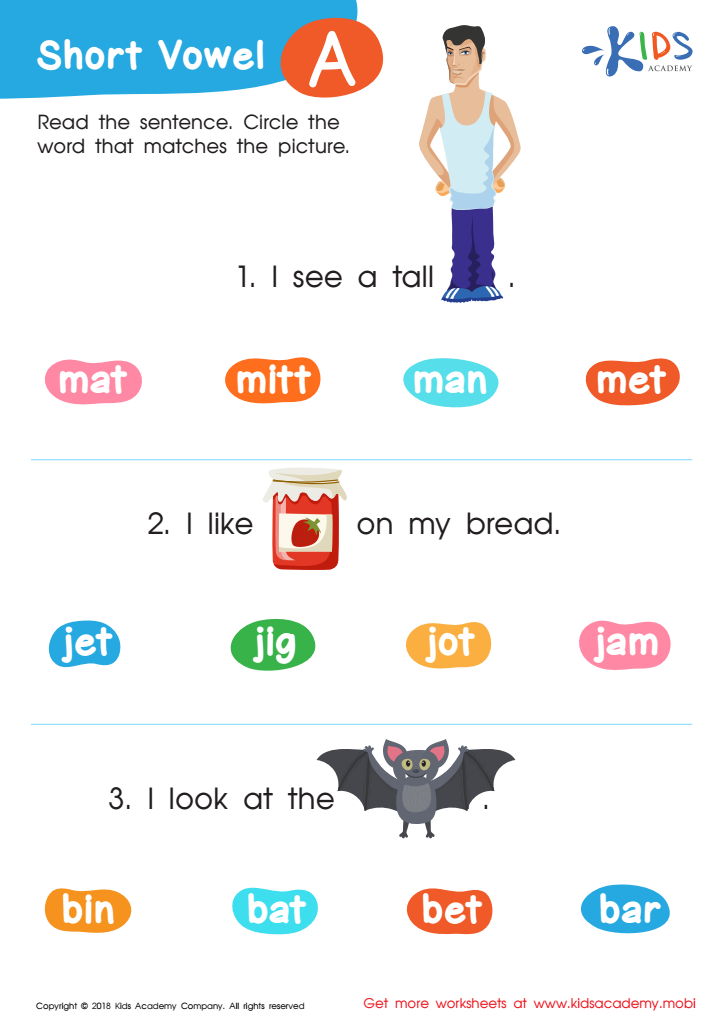
Short Vowel /a/ Worksheet





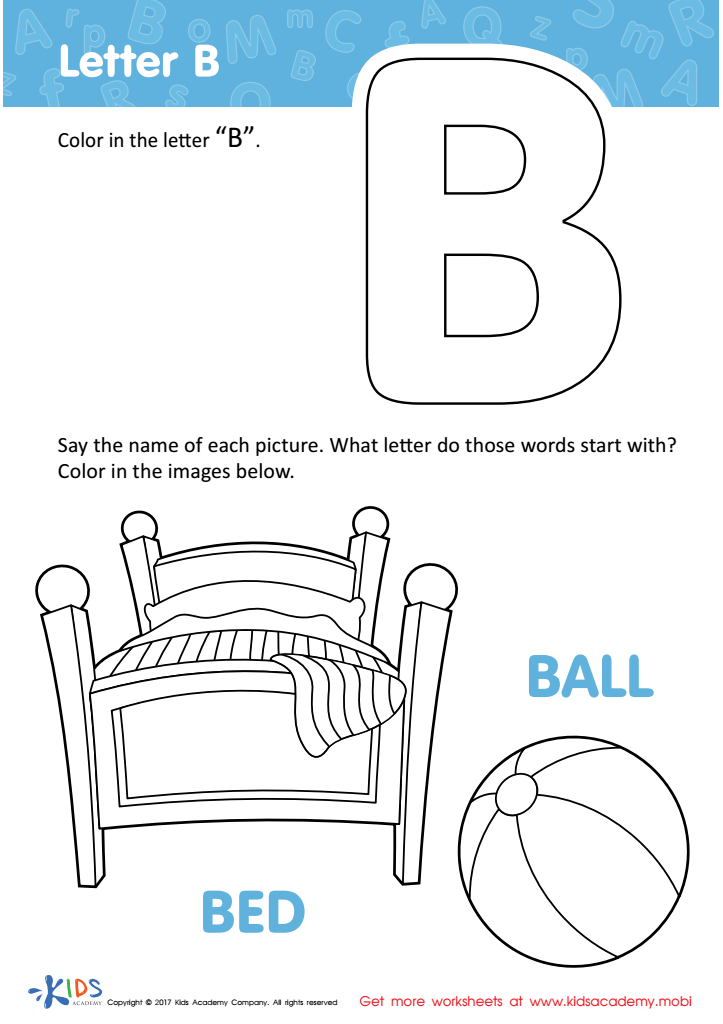
Letter B Coloring Sheet
 Assign to My Students
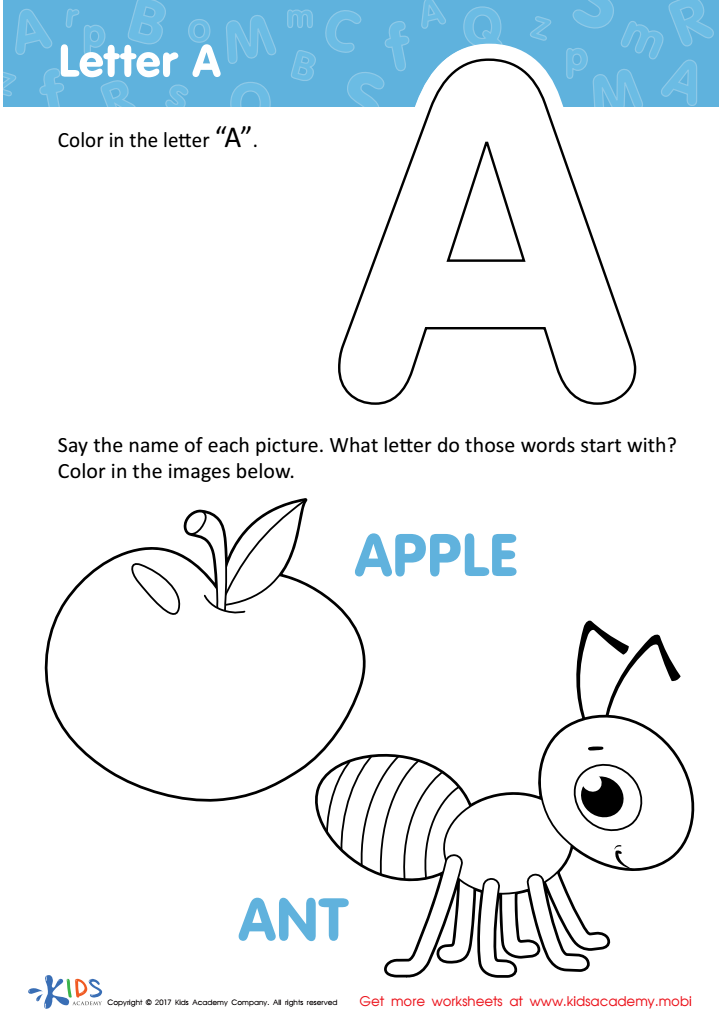
Letter A Coloring Sheet
Assign to My Students

Letter H Tracing Page
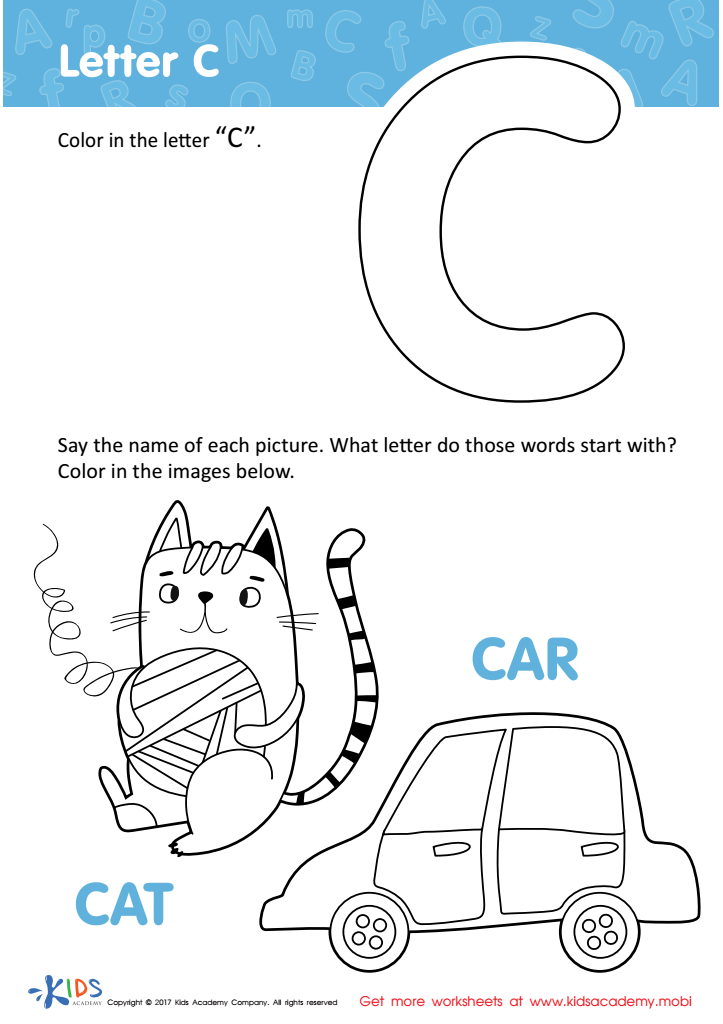
Letter C Coloring Sheet
Assign to My Students
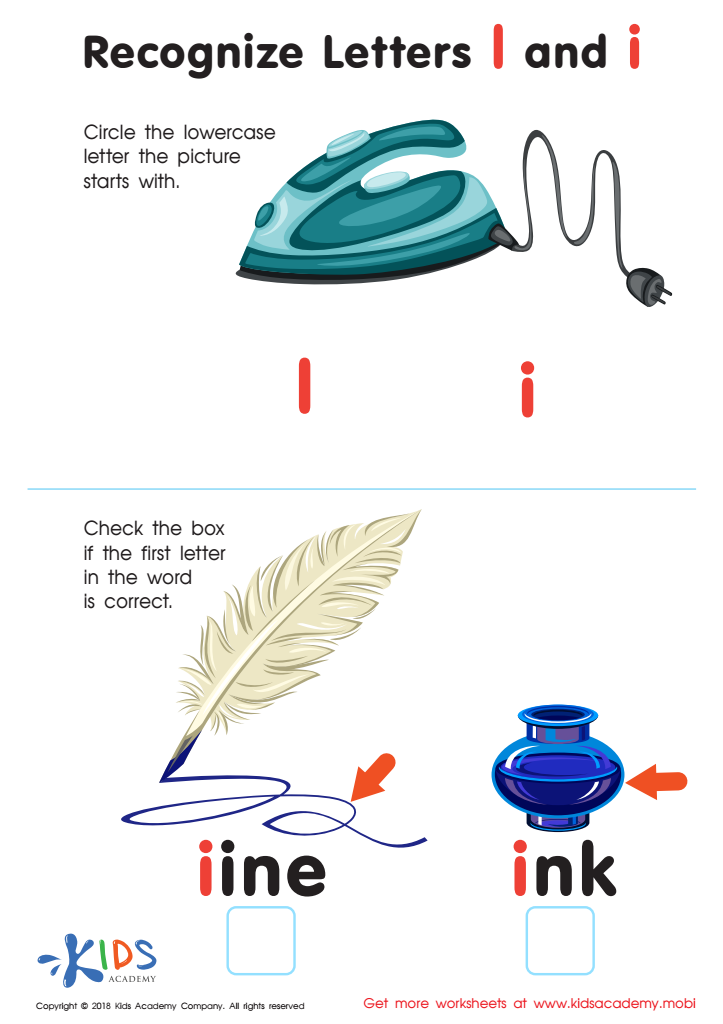
Recognize Letters l and i Worksheet








Teaching children to write normal ABC letters between ages 4-9 is crucial, and both parents and teachers should prioritize this practice. This age range is foundational for cognitive and motor development. Learning to write the alphabet enhances fine motor skills, eye-hand coordination, and cognitive abilities such as letter recognition and sequencing.
Firstly, writing lays the cornerstone for literacy. When children practice forming letters, they better identify letter shapes, making it easier to recognize those letters in reading. This recognition is vital for developing reading skills, expanding their vocabulary, and understanding the world around them.
Moreover, writing aids in spelling and phonics. Children begin to connect sounds with letters, developing phonemic awareness. This skill is crucial for decoding words and beginning to read proficiently.
Writing also nurtures cognitive development by improving focus and concentration. The act of forming letters requires children to pay attention and think about what they are doing, fostering patience and discipline.
Lastly, the joy and confidence young learners gain from mastering writing are invaluable. It provides a sense of accomplishment and prepares them for future academic tasks. Therefore, by ensuring children practice writing the ABCs, parents and teachers equip them with essential, lifelong skills.







