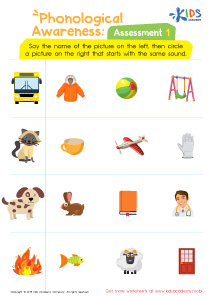
Vocabulary expansion Normal Consonants Worksheets for Ages 4-9
5 filtered results
-
From - To
Boost your child's vocabulary with our engaging Normal Consonants Worksheets, designed for ages 4 to 9! These worksheets offer a fun and interactive approach to learning consonants and building essential language skills. Perfect for early learners, they feature colorful activities, illustrations, and games that make mastering consonants enjoyable. Kids will enhance their understanding of different words while practicing pronunciation and spelling. Ideal for home or classroom use, these resources support vocabulary expansion while also promoting reading readiness. Download the worksheets today and watch your child thrive in their language journey! Explore the joy of learning with Kids Academy!
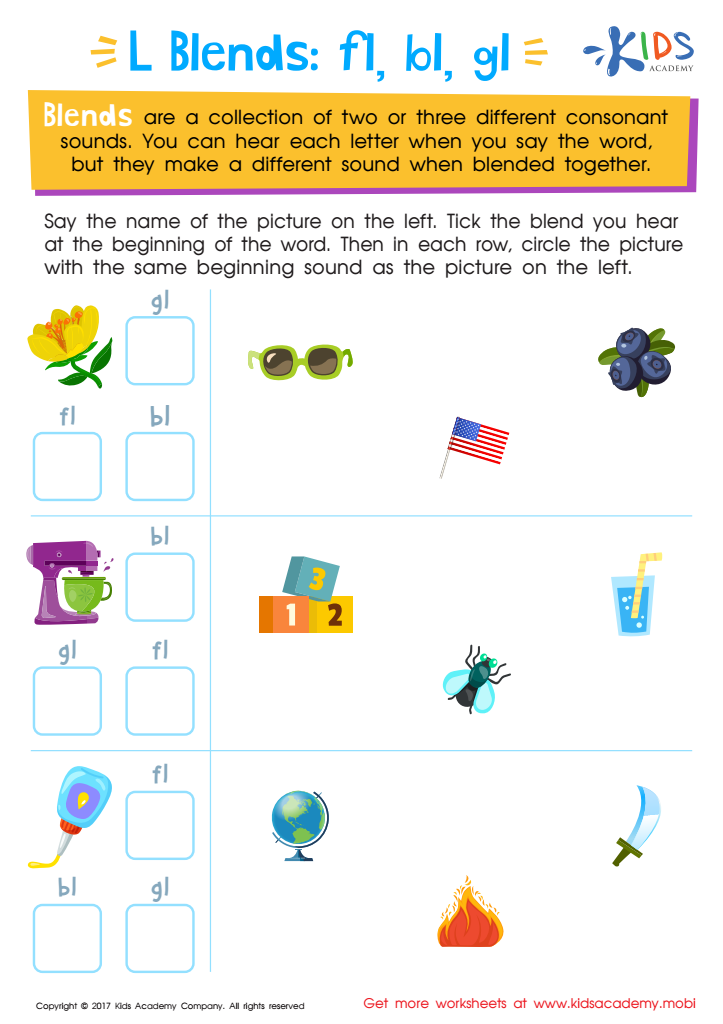
Blending Consonants: "Fl", "Bl" and "Gl" Printable
 Assign to My Students
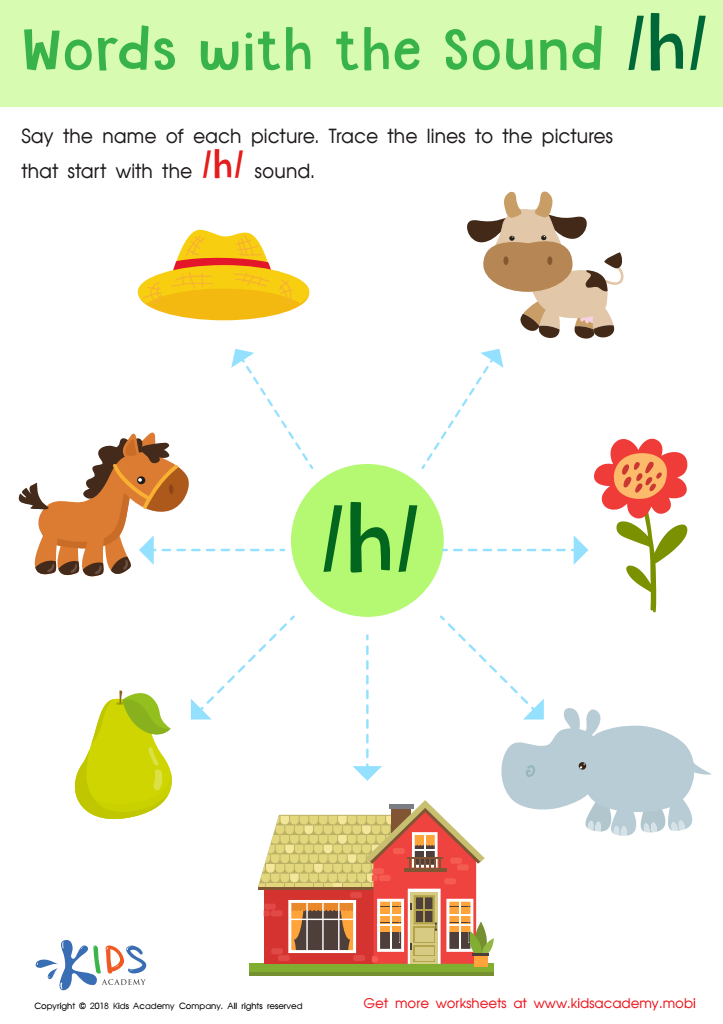
Words with sound h Reading Worksheet
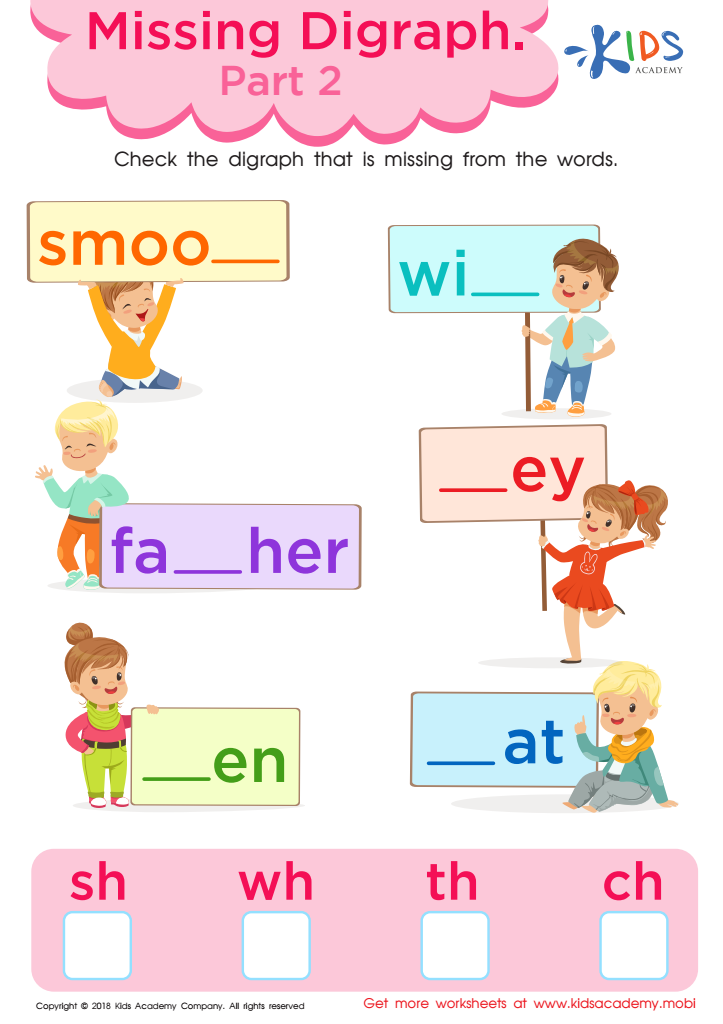
Missing Digraph: Part 2 Worksheet
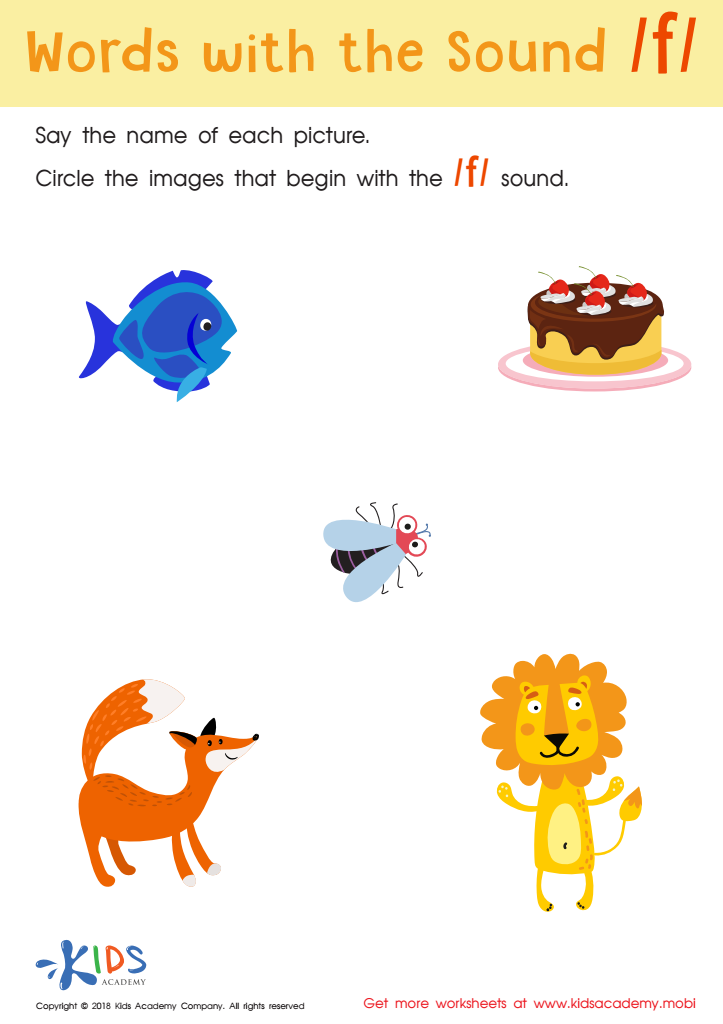
Words with sound f Reading Worksheet
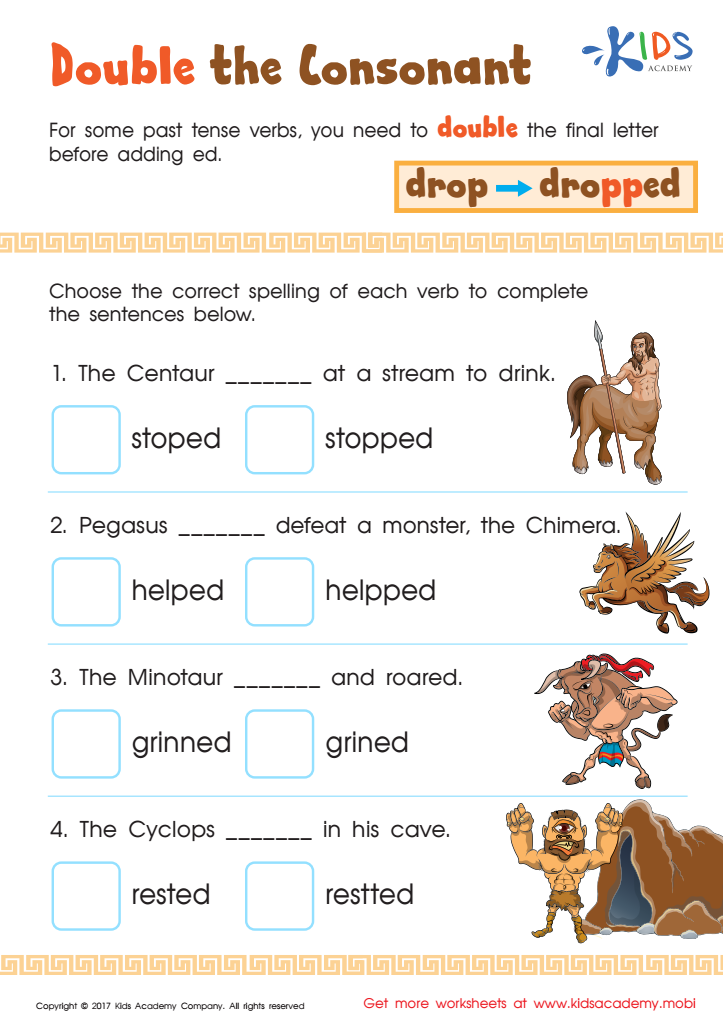
Double Consonant Spelling Worksheet



Vocabulary expansion is crucial for children aged 4-9, particularly concerning normal consonants. This developmental stage forms the backbone of language acquisition, influencing literacy skills, communication, and overall academic success.
Consonants are fundamental building blocks of words; understanding their sounds helps children improve their speaking, reading, and writing abilities. By focusing on normal consonants, parents and teachers can create a supportive environment that encourages clear articulation and enhances phonemic awareness, essential for decoding words and fostering a love for reading.
A rich vocabulary sets the groundwork for comprehension and critical thinking. When children grasp a variety of words, they can express their thoughts and feelings more accurately, affecting self-esteem and social interactions.
Teaching vocabulary that includes consonant sounds can integrate fun activities like word games, storytelling, and music, making the learning experience enjoyable. Furthermore, fostering vocabulary expansion can bridge the gap for children from diverse linguistic backgrounds, ensuring that all children are equipped with the tools they need to succeed in their education journey.
Ultimately, caring for vocabulary development empowers children not only linguistically but also helps them connect with others and navigate the world around them, laying the foundation for lifelong learning.